
Article Contents
Industry Insight: Multi Colored Lighting
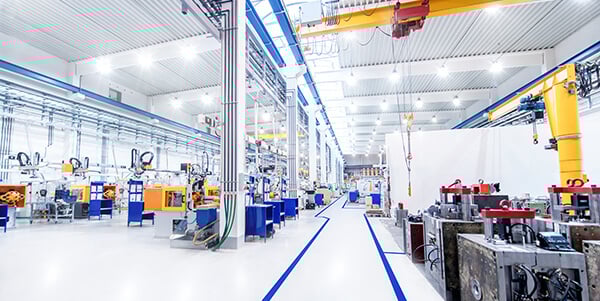
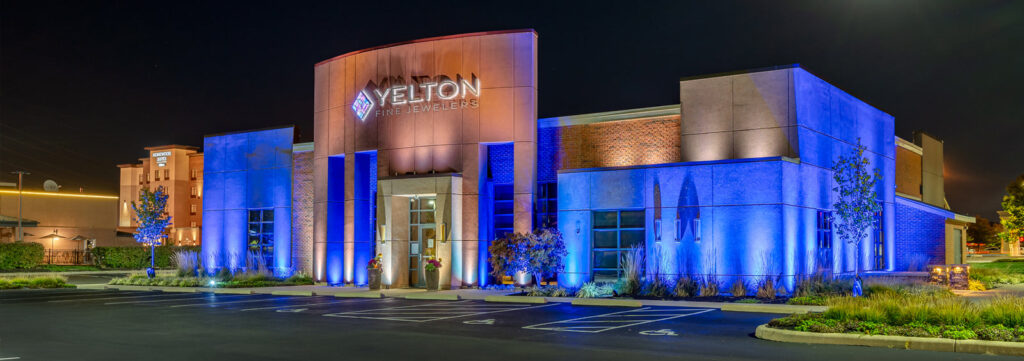
In the evolving landscape of commercial and industrial lighting, multi-colored lighting has emerged as a transformative solution, blending functional illumination with dynamic aesthetic and operational benefits. No longer limited to decorative or entertainment applications, multi-hued LED systems are now integral in environments ranging from manufacturing facilities and warehouses to retail spaces and transportation hubs, where color tuning supports wayfinding, enhances safety, improves worker productivity, and enables smart building integration. As demand grows for energy-efficient, programmable, and code-compliant lighting solutions, certifications such as ETL and CE have become critical benchmarks, ensuring products meet rigorous North American and European safety, performance, and electromagnetic compatibility standards.
At the forefront of this innovation is Beauty (STC) Manufacturing Co., Ltd., a trusted name in advanced LED technology since its establishment in 1998. With over two decades of engineering expertise, Beauty STC has consistently delivered high-performance, code-compliant lighting solutions tailored for demanding commercial and industrial applications. The company’s multi-colored lighting systems combine precision color control, robust construction, and full regulatory compliance—including ETL and CE certifications—making them a reliable choice for projects where quality, durability, and safety are paramount. As industries increasingly adopt intelligent and adaptive lighting strategies, Beauty STC continues to lead with scalable, sustainable, and future-ready solutions.
Technical Specs & Certifications

Beauty STC Manufacturing Co., Ltd. approaches multi-colored LED lighting systems, encompassing RGB, RGBW, and tunable white solutions, with a rigorous engineering focus on delivering professional-grade performance where color fidelity, efficiency, and environmental resilience are paramount. Our technical specifications are meticulously engineered to exceed industry expectations for demanding architectural, hospitality, and high-end retail applications, directly reflecting our commitment to quality through stringent internal standards and manufacturing protocols.
Lumens per Watt efficacy in multi-colored systems presents unique challenges compared to single-color white LEDs due to the inherent physics of color mixing and driver architecture. For our standard RGB systems utilizing high-efficiency 5050 or 3535 SMD LEDs, we achieve a typical efficacy range of 70-90 lumens per watt at full white output under standard test conditions (25°C ambient). This accounts for the combined spectral output and driver losses. Our advanced RGBW systems incorporating a dedicated high-lumen white channel, utilizing Samsung LM301B or Nichia NVSW219A chips, reach 85-105 lumens per watt in white modes. Tunable white systems (2700K-6500K) with CRI>95 consistently deliver 95-115 lumens per watt across the CCT range, achieved through proprietary driver optimization and minimal phosphor conversion loss in the white channels. These figures represent real-world performance validated under IES LM-79 testing, not theoretical chip-level metrics, and are sustained through our superior thermal management designs preventing significant lumen depreciation during extended operation.
Color Rendering Index (CRI) specifications are a critical differentiator for Beauty STC. While standard RGB systems inherently cannot be measured by CRI Ra alone due to the absence of a continuous spectrum, our tunable white and high-CRI RGBW products are engineered to exceed CRI >95 with R9 (saturated red) consistently above 90, meeting the stringent requirements for premium retail and museum lighting. For RGB applications demanding accurate color reproduction, particularly in media and entertainment, we prioritize Television Lighting Consistency Index (TLCI) values above 95, achieved through carefully selected LED bins and spectral shaping. This exceptional color fidelity stems from our strict binning protocols at the wafer level, utilizing only the top 10% of LED emitters from tier-1 suppliers, and our in-house spectral calibration process during production, ensuring consistency across all fixtures within a project.
Environmental protection is non-negotiable in our multi-colored product lines. Beauty STC specifies a minimum IP65 rating for all outdoor-rated linear profiles, tape lights, and recessed fixtures, utilizing double-wall extrusion, precision-molded end caps, and medical-grade silicone gaskets. For fixtures destined for pool environments, direct burial, or high-pressure washdown areas, we deploy IP67 and IP68 rated solutions. Achieving these ratings reliably in multi-channel systems requires exceptional engineering due to the increased number of potential ingress points from multiple conductors and control wires. Our manufacturing process includes rigorous IP verification testing on every production batch using calibrated pressure decay testers and submersion protocols far exceeding IEC 60529 minimums, not just spot checks. This ensures the integrity of the optical chamber and driver compartment remains uncompromised over the fixture’s lifetime, even under thermal cycling stress.
The consistent delivery of these demanding specifications is fundamentally underpinned by Beauty STC’s quality management system. Operating from our ISO 9001 and IATF 16949 certified facility, we implement multi-stage in-process quality control including automated optical inspection (AOI) for solder joints, 100% functional testing of every driver and control module, and accelerated life testing (ALT) on finished goods simulating 50,000+ hours of operation. Our thermal management strategy employs extruded aluminum housings with optimized fin structures and direct thermal paths from MCPCBs to the heatsink, verified through thermal imaging during qualification. This holistic approach ensures not only the initial performance metrics meet specification but also that lumen maintenance exceeds L70/B50 at 50,000 hours and color stability remains within MacAdam Step 3 over the product lifecycle, providing clients with durable, predictable, and visually superior multi-colored lighting solutions.
Factory Tour: Manufacturing Excellence
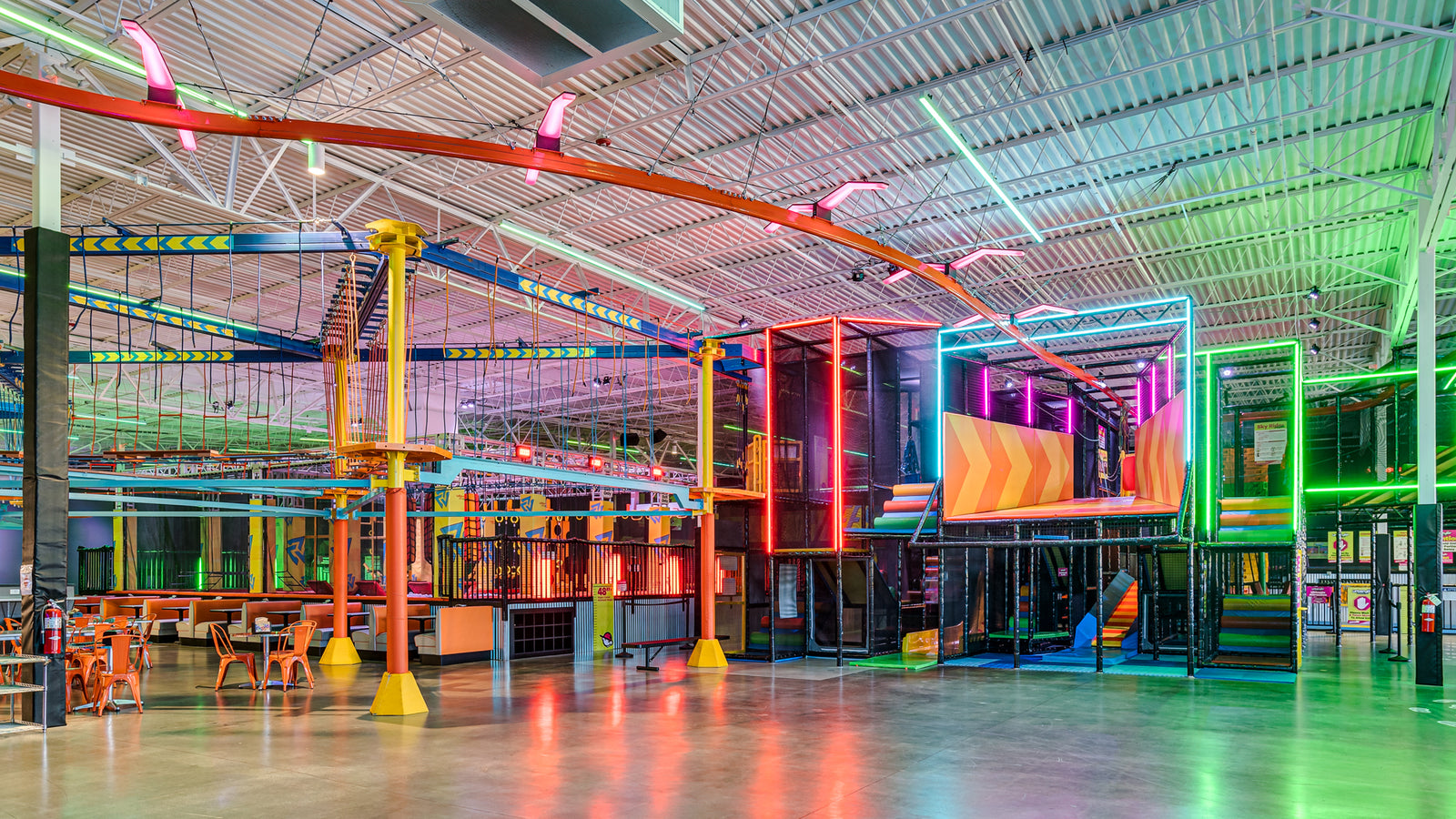
Beauty (STC) Manufacturing Co., Ltd.’s factory in Jiangmen, Guangdong Province, is a modern LED lighting production facility strategically located within one of China’s key manufacturing hubs. The Jiangmen site is equipped with advanced manufacturing infrastructure designed to support high-volume, precision production of LED lighting products, with a strong focus on quality, efficiency, and flexibility to meet diverse customer demands.
At the core of the factory’s production line are state-of-the-art SMT (Surface Mount Technology) machines. These automated systems enable precise placement of LED components and other electronic parts onto PCBs (printed circuit boards), ensuring consistent product performance and reliability. The SMT lines operate with high speed and accuracy, supporting fine-pitch components and complex circuit designs commonly used in modern LED lighting applications. The integration of automated optical inspection (AOI) systems further enhances quality control by detecting placement errors and soldering defects in real time.
To ensure long-term reliability and product consistency, the factory conducts comprehensive aging tests on finished lighting products. Units are subjected to extended operational periods under controlled thermal and electrical conditions that simulate real-world usage. This aging process helps identify early-life failures and verifies thermal management, driver stability, and LED performance over time. The data collected during these tests supports continuous improvement in product design and manufacturing processes.
Beauty STC has robust OEM (Original Equipment Manufacturing) capabilities, particularly in the area of multi-colored lighting solutions. The factory can customize color mixing (including RGB, RGBW, and tunable white systems), control protocols (such as DMX, DALI, or wireless RF/Zigbee), and form factors to meet specific client requirements. From concept to mass production, the team supports clients with engineering design, prototyping, thermal and optical simulation, and compliance testing. This flexibility allows Beauty STC to serve a wide range of markets, including architectural lighting, hospitality, retail, and decorative applications where dynamic, multi-colored lighting is in demand.
Overall, the Jiangmen facility reflects Beauty STC’s commitment to advanced manufacturing, rigorous quality assurance, and tailored OEM services in the competitive LED lighting industry.
Application Scenarios
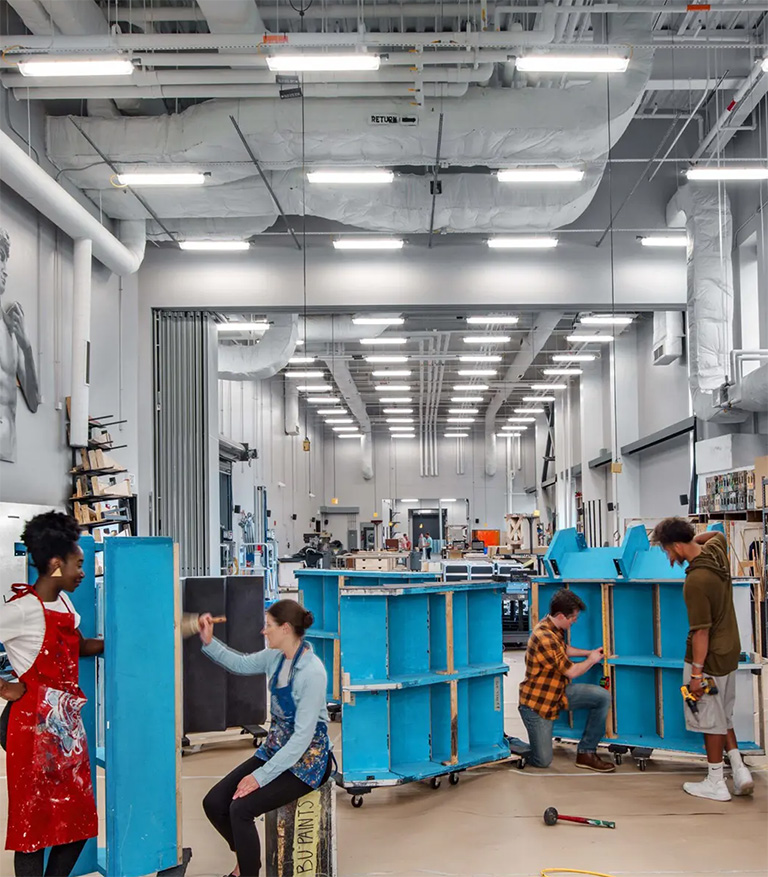
Multi-colored lighting systems, particularly tunable white and full RGB/RGBW solutions, serve distinct purposes across hotels, malls, and offices when applied thoughtfully. In hotels, the primary application is ambiance creation within high-impact guest experience zones. Lobbies benefit from dynamic color shifts during different times of day—warmer tones for morning check-in transitioning to cooler, energizing hues in the afternoon, then rich ambers or deep blues for evening sophistication. Restaurants and bars leverage saturated colors for thematic events or to enhance specific menu items, while pool and spa areas use subtle underwater color gradients to evoke tranquility or vibrancy. Hotel ballrooms and function spaces require robust multi-color systems for weddings and conferences, allowing rapid scene changes to match diverse client visions without physical decoration changes.
Malls deploy multi-colored lighting most effectively in experiential retail zones and common areas. Feature walls in high-end boutiques use color to highlight seasonal collections or create immersive brand environments. Food courts implement zoned color tuning to influence perceived wait times—calmer blues during peak rushes, warmer tones for evening relaxation. Central atriums and escalator cores utilize large-scale dynamic installations for holiday events or promotions, drawing foot traffic with synchronized light shows. Specialty retailers like electronics or cosmetics stores integrate RGBW cove lighting to subtly shift product displays, enhancing visual merchandising without overwhelming merchandise. Critical installations focus on architectural accents like column uplighting or ceiling canopies to redefine spatial perception during mall-wide thematic events.
Office environments require restrained implementation, primarily targeting wellness and flexibility. Executive boardrooms employ tunable white systems (2700K-6500K) to support circadian rhythms during long meetings, avoiding saturated colors which can distract in cognitive workspaces. Breakout areas and wellness rooms may incorporate gentle color transitions—soft greens for focus zones, warm ambers in relaxation nooks—to segment space function without physical barriers. Reception areas use minimal color accents in feature elements like backlit logos or reception desks for brand reinforcement, but avoid dynamic changes during business hours to maintain professionalism. Open-plan offices strictly limit multi-color use to non-work areas; improper application in desk zones causes visual fatigue and reduces productivity.
Installation demands meticulous planning regardless of venue. Always implement zoning—never control an entire space as one unit—as this allows targeted effects and energy savings. Critical zones like hotel lobbies require separate control for reception desks, lounge areas, and feature walls. Use centralized control systems with preset scene management; standalone controllers lead to inconsistent operation and frustrated staff. Ensure color consistency by specifying LEDs from the same bin batch with tight MacAdam ellipse tolerances (preferably Step 3 or better) to avoid visible discrepancies in large installations. For RGB systems, verify protocol compatibility—avoid mixing DALI-2 with proprietary systems unless using a certified gateway. Prioritize fixtures with high CRI (Ra>90) and TM-30 metrics to maintain accurate color rendering of merchandise or skin tones. Always install diffusers or secondary optics to eliminate pixelation in RGB strips; visible individual LEDs destroy the intended effect. Finally, include staff training on control interfaces during commissioning—complex systems become underutilized if end-users cannot operate them confidently. Safety compliance is non-negotiable: all fixtures must carry local certifications (UL, CE, CCC) with proper IP ratings for environmental exposure, especially in humid pool areas or outdoor mall installations.
Why Choose Beauty STC Lighting
Discover the vibrant possibilities of multi colored lighting by partnering with Beauty STC, a trusted leader in innovative LED solutions. Our advanced color-changing technology delivers dynamic, energy-efficient lighting perfect for architectural, commercial, and decorative applications. Elevate your projects with customizable options that combine performance, durability, and aesthetic excellence.
Partner with Beauty STC to bring your lighting visions to life. For collaboration opportunities and product inquiries, contact our sales team at [email protected]. Let us power your next project with color, quality, and reliability.
⚡ LED Power Supply Calculator
Estimate the power supply needed for your LED strip project.