
Article Contents
Industry Insight: Manufacturing Lighting
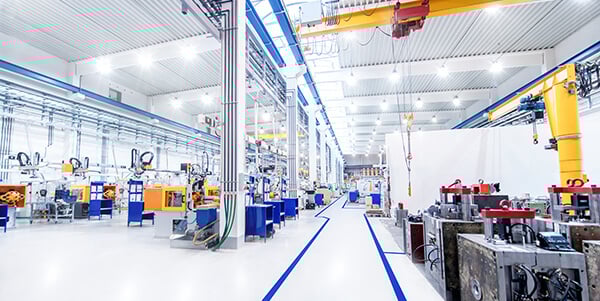
The commercial and industrial lighting sector continues to evolve as businesses demand greater energy efficiency, durability, and compliance with international safety standards. In environments ranging from warehouses and manufacturing facilities to office complexes and retail spaces, lighting plays a critical role not only in visibility and safety but also in operational cost management and sustainability. Today’s market prioritizes lighting solutions that meet rigorous certifications such as ETL and CE, ensuring products adhere to North American and European safety, electromagnetic compatibility, and performance requirements. These certifications are no longer optional—they are essential for market access and customer trust.
At the forefront of this dynamic industry is Beauty (STC) Manufacturing Co., Ltd., a trusted leader in lighting manufacturing since 1998. With over two decades of experience, Beauty STC has built a reputation for engineering high-performance, code-compliant lighting systems tailored to the demanding needs of commercial and industrial applications. Combining innovative design, rigorous quality control, and a deep understanding of global regulatory landscapes, Beauty STC delivers reliable, certified lighting solutions that empower businesses to operate safely, efficiently, and sustainably.
Technical Specs & Certifications
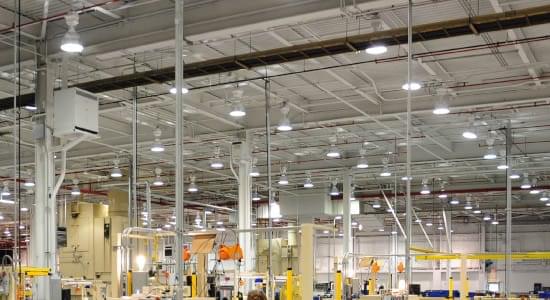
Beauty STC Manufacturing Co., Ltd. designs and produces industrial LED lighting systems specifically engineered for demanding manufacturing environments, where precise illumination, energy efficiency, and robustness are critical operational requirements. Our manufacturing lighting fixtures consistently achieve system efficacies in the range of 150 to 180 lumens per watt. This high lm/W performance is realized through the strategic integration of high-efficiency LED packages, optimized secondary optics, and ultra-efficient constant current drivers operating at 94%+ typical efficiency. Crucially, this efficacy benchmark is maintained without compromising on critical quality metrics, specifically ensuring Color Rendering Index (CRI) values consistently exceed 90, with Ra typically between 92-95. We achieve this through the use of premium multi-phosphor LED chips and rigorous binning processes. Furthermore, our high-CRI solutions deliver strong R9 values (saturated red rendering) above 50, which is essential for accurate color assessment in quality control processes involving plastics, textiles, paints, and food production. This combination of high efficacy and superior color fidelity directly supports reduced visual fatigue and improved product inspection accuracy on the factory floor.
IP (Ingress Protection) rating is a non-negotiable aspect of our manufacturing lighting design, reflecting the harsh realities of industrial settings including dust, moisture, coolant mists, and frequent washdowns. Beauty STC standard fixtures for general manufacturing areas achieve a minimum IP65 rating, providing complete protection against dust ingress and resistance to low-pressure water jets from any direction. For environments requiring more stringent protection, such as food and beverage processing, pharmaceutical cleanrooms, or heavy machinery areas subject to high-pressure cleaning, we offer fixtures rated IP66, IP67, and even IP68. IP66 fixtures withstand powerful water jets, IP67 models are protected against temporary immersion up to 1 meter for 30 minutes, and select IP68 fixtures are certified for continuous submersion under specified conditions. All gaskets, seals, and housing materials are meticulously selected and tested to maintain this ingress protection throughout the product’s operational life under thermal cycling and mechanical stress.
The quality inherent in Beauty STC lighting solutions is fundamental to meeting and exceeding these technical specifications reliably over the long term. We implement rigorous in-house quality control processes starting with component selection from certified Tier-1 suppliers. Our thermal management systems, featuring extruded aluminum heatsinks with optimized fin structures and direct thermal pathways, are engineered to maintain LED junction temperatures well below critical thresholds, directly contributing to sustained high lumen output, stable color quality (preventing CRI shift), and achieving L70 lifetimes of 50,000 to 100,000 hours as verified by TM-21 calculations based on LM-80 test data. Every fixture undergoes 100% photometric and electrical testing on our calibrated integrating sphere systems, ensuring published lm/W, CRI, and color temperature values are met before shipment. Our commitment extends to robust mechanical design validated through extensive environmental testing, including thermal cycling, humidity exposure, and vibration testing far exceeding IEC 60598 standards. This systematic approach to engineering and quality assurance guarantees that Beauty STC fixtures deliver the promised high efficiency, exceptional color rendering, and reliable ingress protection essential for modern, productive, and safe manufacturing operations.
Factory Tour: Manufacturing Excellence
Beauty (STC) Manufacturing Co., Ltd. operates a modern and well-equipped manufacturing facility in Jiangmen, Guangdong Province, strategically located within one of China’s key industrial hubs for electronics and lighting production. The factory is designed to support high-volume, precision manufacturing of LED lighting products, with a strong emphasis on quality control, efficiency, and flexibility to serve both domestic and international markets.
At the core of the production line are advanced SMT (Surface Mount Technology) machines that enable high-speed, accurate placement of electronic components onto PCBs (printed circuit boards). These state-of-the-art SMT lines ensure consistent soldering quality and support the assembly of complex, compact lighting modules used in a wide range of applications, from residential downlights to commercial and industrial LED fixtures. The automated SMT process is closely monitored to maintain tight tolerances and high yield rates, critical for reliable and long-lasting lighting products.
To ensure product reliability and longevity, Beauty STC implements rigorous aging tests across all major product lines. Completed lighting units undergo extended operational testing under controlled conditions, simulating real-world use over prolonged periods. This includes thermal stress testing, voltage fluctuation exposure, and continuous operation cycles—typically lasting 8 to 24 hours or more—allowing early detection of potential failures. These tests are integral to the company’s quality assurance protocols and help meet international safety and performance standards.
Beauty STC has robust OEM (Original Equipment Manufacturing) and ODM (Original Design Manufacturing) capabilities tailored specifically for the lighting industry. The company supports custom product development from concept to mass production, offering clients full-service solutions including optical design, thermal management engineering, driver integration, and custom housing. With in-house R&D, tooling, and production oversight, Beauty STC can efficiently manufacture private-label LED lighting products that meet specific technical, aesthetic, and regulatory requirements. This makes the Jiangmen factory a strategic partner for brands seeking scalable, high-quality manufacturing with fast time-to-market.
Application Scenarios
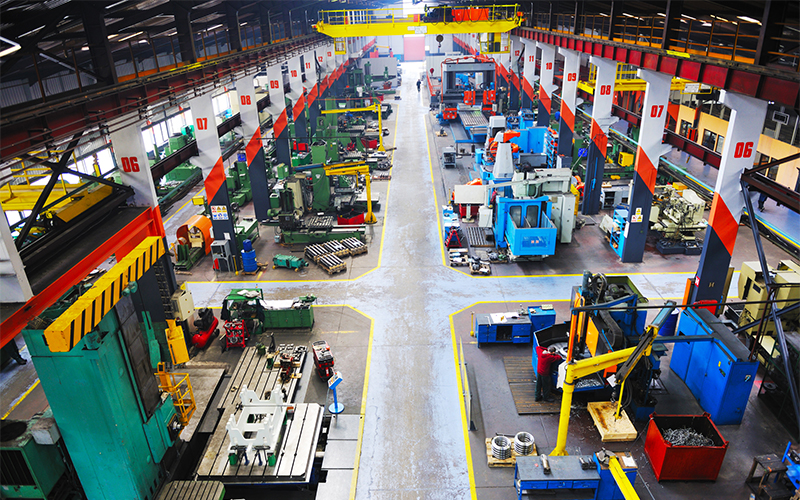
The term “manufacturing lighting” typically refers to industrial-grade luminaires designed for demanding factory or production environments, characterized by high durability, impact resistance, thermal management, and high lumen output for large, high-bay spaces. However, your query specifies hotels, malls, and offices—commercial settings where “manufacturing lighting” as defined for industrial plants is generally inappropriate. Instead, robust commercial-grade LED lighting solutions engineered for high-traffic, long-hour operation are required. Below is context-specific guidance for each setting, followed by universal installation best practices.
Hotels demand lighting that balances aesthetics, functionality, and energy efficiency across diverse zones. In guest corridors and back-of-house areas like laundries or loading docks, specify commercial-grade linear fixtures or high-bay LEDs with IK08 impact rating and robust thermal management to withstand frequent use and potential bumps. Avoid true industrial fixtures here as their harsh aesthetics conflict with hospitality ambiance. For lobbies and ballrooms, prioritize high CRI (90+) decorative fixtures with dimming compatibility. Critical installation considerations include precise luminaire alignment in long corridors to prevent visual discomfort, strategic placement of emergency lighting per fire codes, and concealing conduit runs in ceiling coves to maintain visual appeal. Always verify voltage stability in older properties to prevent LED driver flicker.
Malls require lighting solutions that handle extreme ceiling heights (often 15-30+ feet), continuous operation, and high visual acuity for retail merchandising. Use commercial high-bay LEDs with 50,000+ hour lifespans, excellent lumen maintenance (L90), and color consistency across batches—industrial manufacturing fixtures are over-specified here unless in dedicated warehouse sections. Entrances and food courts need IP65-rated fixtures for humidity and spill resistance. During installation, meticulously calculate spacing to eliminate dark zones between pendants, use aircraft cables for secure suspension in high-ceiling atriums, and implement zoned controls to reduce energy use in low-traffic areas. Crucially, ensure all fixtures have accessible maintenance points; never install high-bays without engineered lift access plans.
Offices necessitate uniform illumination, minimal glare, and human-centric lighting for productivity. Standard troffers or suspended panels with UGR<19 ratings are standard, but industrial fixtures are unsuitable due to excessive harshness. In server rooms or maintenance closets, select commercial-grade vapor-tight fixtures instead of true manufacturing lights. Key installation protocols include precise lay-in grid alignment for seamless ceiling integration, strategic placement of sensors to avoid false triggers from HVAC vents, and dedicated circuits for critical workspaces to prevent voltage fluctuations. Always conduct post-installation glare analysis using software simulations before final commissioning.
Universal installation tips applicable across all three settings begin with thermal management: never exceed maximum ambient temperature ratings, ensure 2+ inches of clearance above recessed fixtures, and avoid insulating over housings. Address voltage drop proactively in large malls by calculating wire gauge for 3% max loss over circuit lengths. Use junction boxes rated for the fixture weight—never daisy-chain supports. For maintenance access, install all high-bay fixtures with aircraft cable slings and anchor points rated for 5x the fixture weight. Finally, implement a rigorous commissioning process: verify photometric reports match field measurements, test all controls at multiple occupancy levels, and document thermal images of drivers to catch early overheating issues. These steps prevent 90% of premature failures in commercial LED systems.
Why Choose Beauty STC Lighting
Transform your lighting projects with high-quality manufacturing solutions from Beauty (STC) Manufacturing Co., Ltd. As a trusted leader in the industry, we specialize in producing durable, energy-efficient, and innovative lighting products tailored to meet diverse commercial and industrial needs. Partner with Beauty STC to benefit from our advanced manufacturing capabilities, strict quality control, and global supply expertise. For collaboration opportunities or inquiries, contact our team at [email protected] and discover how we can illuminate your next project together.
⚡ LED Power Supply Calculator
Estimate the power supply needed for your LED strip project.