
Article Contents
Industry Insight: Colored Leds
Colored LEDs have emerged as a transformative force in commercial and industrial lighting, offering dynamic illumination solutions that go beyond mere visibility to enhance ambiance, improve safety, and support functional design goals. No longer limited to decorative or architectural applications, advanced colored LED technology is now being deployed in warehouses, manufacturing facilities, retail environments, and transportation hubs to optimize operations, guide workflow, and create visually intuitive spaces. With the growing demand for energy-efficient, durable, and code-compliant lighting systems, certifications such as ETL and CE have become essential benchmarks, ensuring that colored LED products meet rigorous North American and European safety, performance, and electromagnetic compatibility standards. As a trusted name in the LED lighting industry since 1998, Beauty (STC) Manufacturing Co., Ltd. has been at the forefront of innovation, delivering high-performance colored LED solutions engineered for reliability, compliance, and seamless integration into demanding commercial and industrial environments.
Technical Specs & Certifications
Beauty STC approaches colored LED specifications with a focus on precision engineering and application suitability, recognizing that “colored LEDs” typically refers to either saturated monochromatic LEDs (red, green, blue, amber) or tunable white/color-mixing systems (RGB, RGBA, RGBW, tunable white). It is critical to clarify that CRI (Color Rendering Index) is exclusively defined for white light sources and holds no technical meaning for saturated monochromatic LEDs, as CRI measures fidelity against a reference white illuminant. For non-white colored light, metrics like spectral power distribution, dominant wavelength, and color consistency (MacAdam Ellipses) are relevant. However, for tunable white systems where high CRI white light is a primary output mode, our specifications are rigorously defined.
For lumens per watt (lm/W) in monochromatic colored LEDs, efficiency varies significantly by wavelength due to fundamental semiconductor physics. Red LEDs (620-630nm) typically achieve the highest efficacy in the colored spectrum, ranging from 120-180 lm/W for high-quality commercial devices. Green LEDs (520-530nm) are less efficient due to the “green gap,” generally delivering 80-120 lm/W. Blue LEDs (450-460nm) fall in between at approximately 100-150 lm/W. Amber LEDs (590-600nm) are the least efficient, typically 60-100 lm/W. These values represent state-of-the-art performance achievable in production; Beauty STC sources only from tier-1 semiconductor manufacturers and implements optimized thermal management and drive current control in our luminaires to ensure our colored LED modules consistently operate at the upper end of these efficiency ranges, minimizing lumen depreciation over time.
Regarding CRI >90, this specification is only applicable to white light outputs generated by our tunable systems, not to individual colored LED channels. Beauty STC’s high-CRI tunable white and color-mixing platforms utilize multi-channel architectures with precisely binned LEDs. Our R95+ Tunable White series, for example, employs a minimum 7-channel platform (including deep red and violet) to achieve CRI (Ra) >95 and R9 >90 consistently across the 2200K to 6500K range, exceeding the >90 requirement. This is validated using Konica Minolta CA-410 spectroradiometers per IES LM-79 standards. We utilize proprietary phosphor formulations and spectral tuning algorithms to ensure exceptional color fidelity, critical for retail, museum, and high-end architectural applications where accurate color discrimination is non-negotiable. Monochromatic colored LEDs inherently cannot meet a CRI specification as they emit narrowband light, not white light.
For IP ratings, Beauty STC designs colored LED luminaires to stringent environmental protection standards based on application. Our standard outdoor and wet-location colored lighting products (e.g., landscape RGB floodlights, pool lights) achieve IP67 or IP68 ratings. This is accomplished through precision-machined aluminum or polycarbonate housings with integrated silicone gaskets, hermetically sealed optical chambers, and conformal-coated driver electronics. For harsh environments like marine settings or industrial washdown areas, we offer IP69K-rated fixtures using stainless steel construction and specialized sealing techniques. All IP-rated products undergo rigorous third-party validation per IEC 60529, including extended submersion testing for IP68 and high-pressure hot water jet testing for IP69K. Beauty STC’s quality commitment is evident in our use of automotive-grade silicone optics resistant to UV degradation, copper-alloy heat sinks for optimal thermal dissipation even in sealed fixtures, and 100% end-of-line photometric and ingress protection testing. We back this with a minimum 5-year warranty, reflecting confidence in the longevity and reliability of our engineered solutions where consistent color output and environmental resilience are paramount.
Factory Tour: Manufacturing Excellence
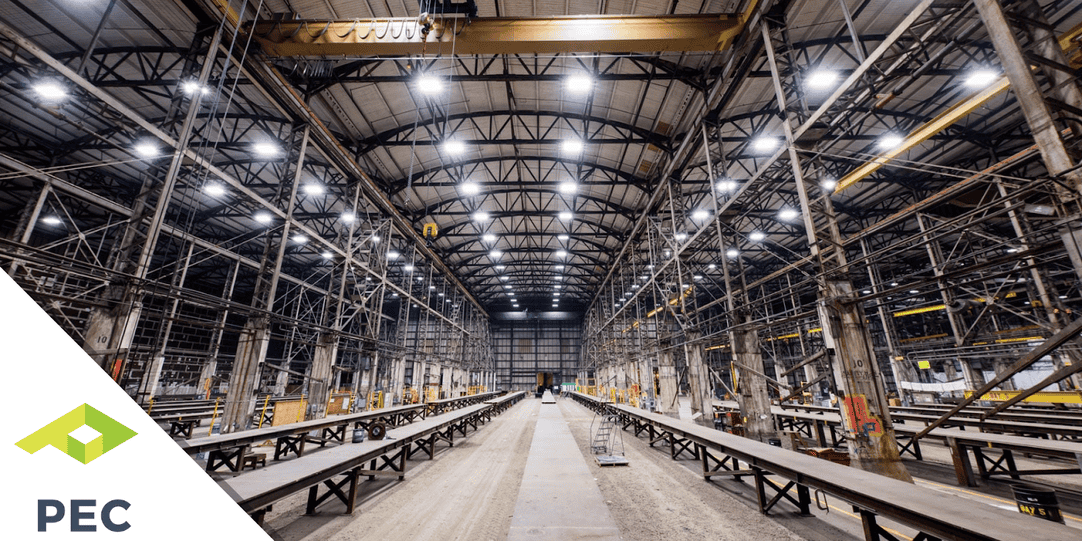
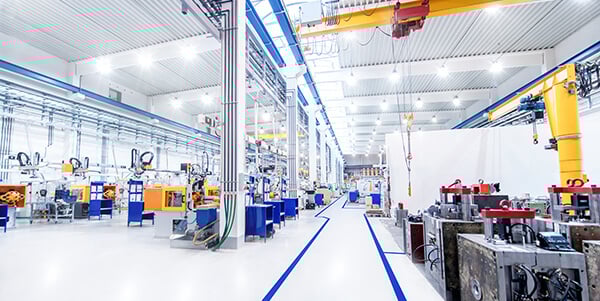
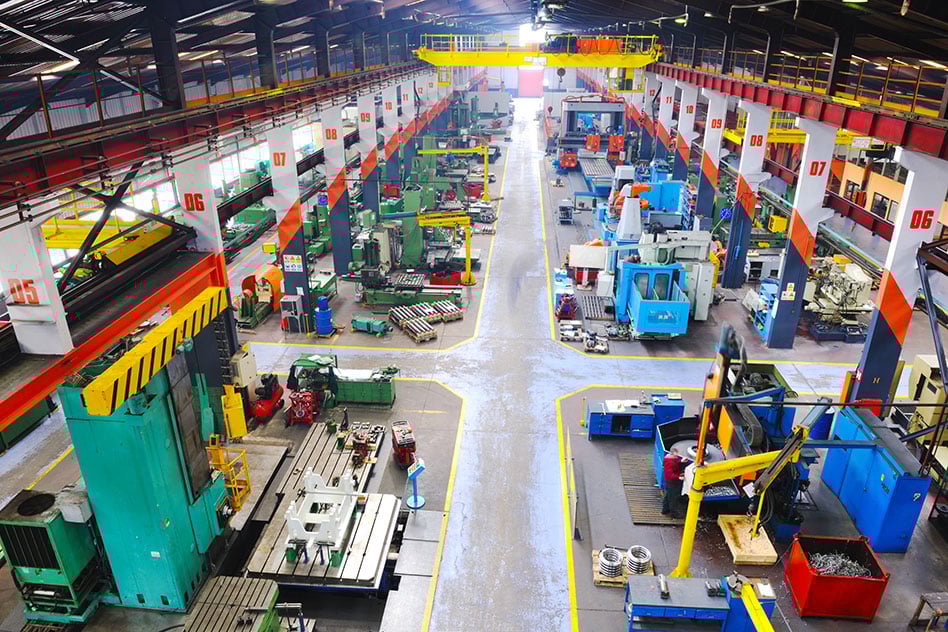
Beauty (STC) Manufacturing Co., Ltd. operates a modern and well-equipped manufacturing facility in Jiangmen, Guangdong Province, strategically positioned to support efficient production and logistics for both domestic and international markets. The Jiangmen factory is designed to meet high standards of quality control and manufacturing efficiency, serving as a key hub for the company’s LED lighting products.
The facility is equipped with advanced SMT (Surface Mount Technology) production lines, which are essential for the precise and high-speed assembly of LED components onto printed circuit boards. These SMT machines ensure consistent soldering accuracy and component placement, enabling the production of compact, high-performance LED modules with excellent thermal and electrical reliability. The integration of automated optical inspection (AOI) systems further enhances quality assurance by detecting defects in real time during the assembly process.
To ensure product durability and long-term performance, Beauty STC implements comprehensive aging tests at the Jiangmen factory. Completed LED units undergo extended operational testing under controlled conditions that simulate real-world usage, including thermal stress and continuous power cycling. This rigorous testing process helps identify early-life failures and ensures that only reliable, high-quality products are shipped to customers.
The factory also has strong OEM (Original Equipment Manufacturer) capabilities, particularly in the customization of colored LEDs. Beauty STC can support clients in developing tailored LED solutions with specific color outputs, including RGB, RGBW, and custom-tuned chromaticity values to meet unique application requirements. This includes flexible options for color temperature, brightness, and dynamic color changing effects, supported by in-house engineering and technical expertise. The OEM process covers design consultation, prototyping, compliance testing, and volume production, allowing for scalable and responsive manufacturing to meet diverse market needs.
Overall, the Jiangmen factory reflects Beauty STC’s commitment to innovation, quality, and customer-focused manufacturing in the competitive LED lighting industry.
Application Scenarios
Colored LEDs offer significant design flexibility and atmospheric control in commercial environments when applied strategically. Their implementation must align with the functional and experiential goals of each space to avoid visual clutter or inappropriate ambiance. In hotels, colored LEDs are most effective in public areas designed for guest experience rather than functional tasks. Primary applications include lobbies for dynamic welcome atmospheres that shift from energizing daytime hues to calming evening tones, pool and spa areas where underwater or perimeter lighting enhances relaxation with cool blues or warm ambers, and banquet or event spaces where customizable color schemes support branding for weddings or conferences. Guest rooms should generally avoid colored LEDs except for subtle, warm-dominant accent coves controlled via the room management system, as unpredictable color changes can disrupt rest. Critical hotel considerations include seamless color transitions to maintain a premium feel and avoiding saturated colors in corridors where disorientation must be prevented.
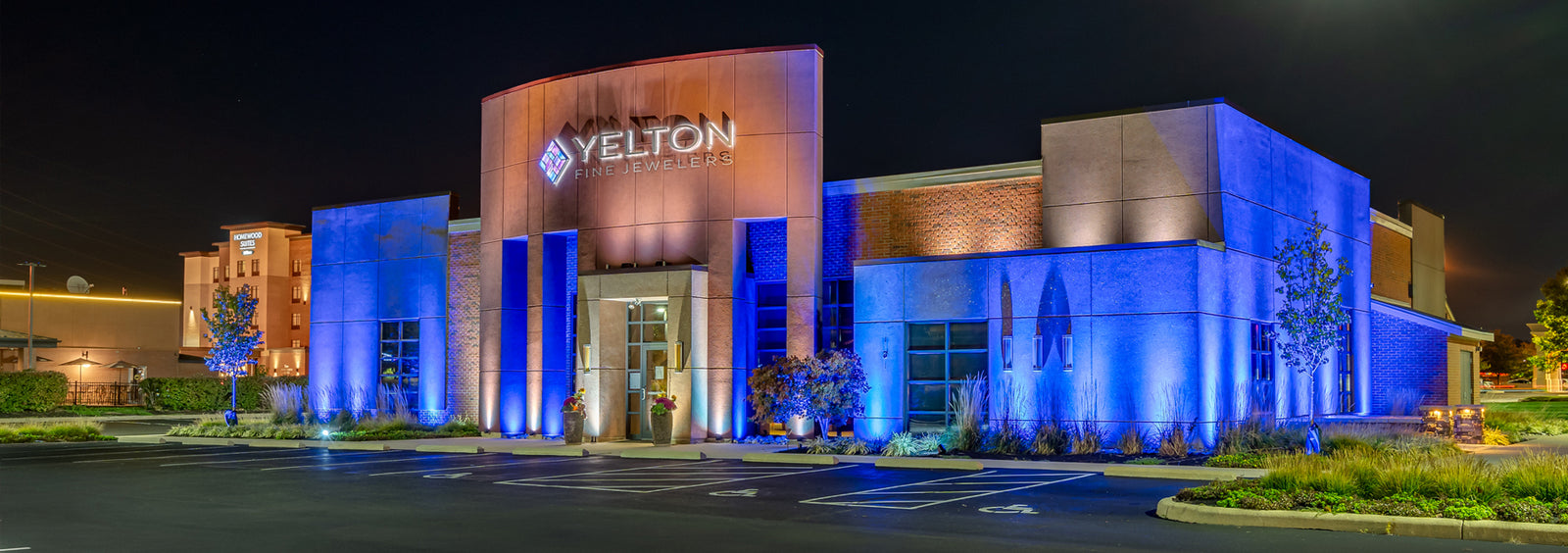
Malls leverage colored LEDs extensively for both exterior and interior impact. Facade lighting creates strong nighttime identity with programmable color shows during holidays or events, while interior applications focus on feature walls, escalator surrounds, and vertical circulation cores to guide foot traffic and highlight architectural elements. Retail storefronts within the mall often use colored LEDs for brand alignment, but mall-managed common areas should prioritize neutral whites with strategic color accents to avoid visual competition. Key to successful mall deployment is zoning the lighting control system to allow different color schemes per section without affecting the entire concourse, and ensuring high-quality color rendering for merchandise visibility in adjacent stores. Avoid placing saturated colors directly above walkways where they could distort perceptions of people or products.
Offices present the most constrained use case for colored LEDs due to the need for visual clarity and task performance. They are generally inappropriate in open-plan work areas, private offices, or meeting rooms where color accuracy and stable illumination are critical for productivity and eye comfort. Acceptable applications are limited to non-task-oriented zones: reception desks for subtle brand color accents, executive lounge areas for evening-mode ambiance, and dedicated wellness or break rooms where color therapy principles might apply. Any colored LED installation in office environments must include easy user override to neutral white light and strict intensity limits to prevent distraction. Never use colored LEDs in spaces requiring color-critical work like design studios or laboratories.
Installation requires meticulous planning regardless of location. Always prioritize a robust control system such as DMX512 or wireless protocols like Bluetooth Mesh that support precise scene programming and future reconfiguration; avoid basic on/off switches for colored systems. Thermal management is non-negotiable—install LEDs with adequate heat sinking in enclosed coves or tight fixtures to prevent color shift and premature lumen depreciation, especially in high-ceiling mall applications where access is difficult. Ensure strict color binning consistency from the manufacturer; Beauty (STC)’s SpectraFlex series for example uses tight MacAdam Ellipse steps to eliminate visible variation across long runs. Conceal all wiring and drivers completely to maintain clean aesthetics in visible areas, and always provide maintenance access points—never embed fixtures where replacement requires structural modification. Crucially, conduct mock-ups on-site to evaluate color perception under actual ambient conditions, as digital simulations often misrepresent real-world results. Finally, train facility staff thoroughly on control system operation to sustain the intended design intent long after installation.
Why Choose Beauty STC Lighting
Discover the vibrant potential of colored LEDs with Beauty STC, a trusted leader in innovative lighting solutions. Whether you’re looking for dynamic RGB options or customizable color-changing technology, our colored LED products are engineered for performance, durability, and visual impact. Partner with Beauty STC to access high-quality manufacturing, tailored product development, and reliable supply chain support.
To learn more or discuss your project needs, contact our team today at [email protected]. Let’s bring your lighting vision to life—together.
⚡ LED Power Supply Calculator
Estimate the power supply needed for your LED strip project.