
Article Contents
Industry Insight: Wire For Led Lighting
The commercial and industrial LED lighting sector continues to evolve with increasing demands for energy efficiency, durability, and regulatory compliance. At the heart of every reliable lighting system lies a critical yet often overlooked component—high-quality wire. As buildings, warehouses, manufacturing facilities, and outdoor installations transition to LED technology, the need for robust, code-compliant wiring solutions has never been more essential. Performance and safety in demanding environments depend on wires that meet rigorous standards, including ETL and CE certifications, ensuring conformity with North American and international electrical safety requirements. These certifications are not just benchmarks—they are assurances of reliability, fire resistance, and long-term operational integrity in critical lighting applications.
Beauty (STC) Manufacturing Co., Ltd., established in 1998, has been at the forefront of developing precision wire solutions tailored specifically for the LED lighting industry. With over two decades of engineering expertise, Beauty STC combines advanced materials science with strict quality control to deliver wires that support the thermal, electrical, and mechanical demands of modern commercial and industrial LED systems. As a trusted partner to lighting OEMs and system integrators worldwide, Beauty STC remains committed to innovation, compliance, and performance—powering the future of intelligent, sustainable lighting infrastructure.
Technical Specs & Certifications
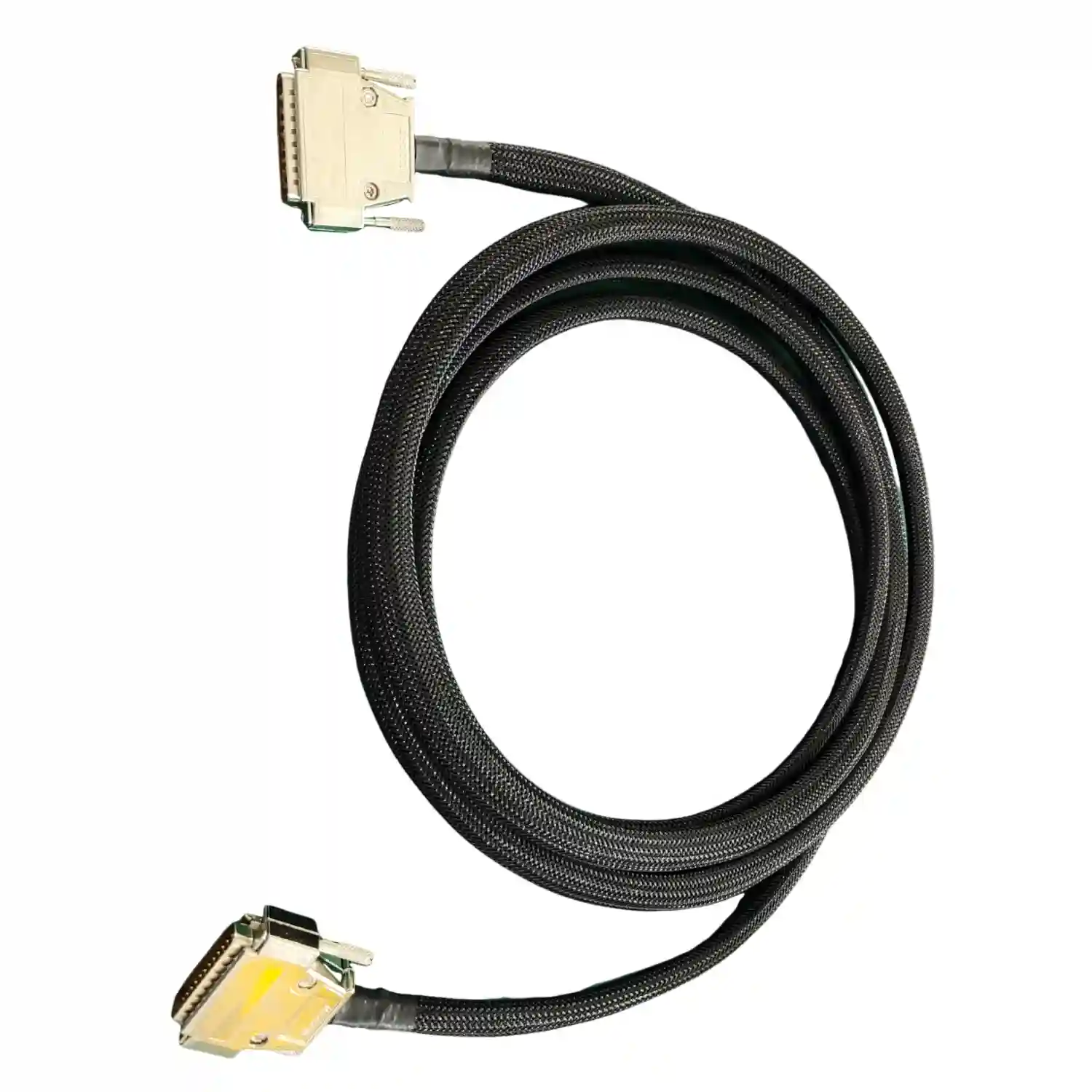
The request for technical specifications of “wire for LED lighting” with specific focus on Lumens/Watt, CRI >90, and IP Ratings reflects a common point of confusion. Electrical wire itself does not possess Lumens/Watt efficiency, Color Rendering Index (CRI), or an Ingress Protection (IP) rating. These metrics are properties of the LED light source and the complete luminaire assembly, not the conductors supplying power. As a Senior LED Lighting Engineer at Beauty (STC) Manufacturing Co., Ltd., I will clarify the distinct roles and provide the relevant technical context, emphasizing where Beauty STC’s quality standards apply.
Lumens per Watt (lm/W) is a measure of luminous efficacy, quantifying the visible light output (lumens) produced per unit of electrical power consumed (watts). This is a critical performance parameter of the LED chip, driver, thermal management system, and optical design within the luminaire. Beauty STC rigorously designs and tests its LED modules and drivers to achieve industry-leading efficacy, typically exceeding 150 lm/W for standard commercial products and reaching 180+ lm/W in high-efficiency lines. This optimization involves selecting high-binning LED chips, implementing advanced constant current reduction drivers with minimal losses, and employing thermally efficient extruded aluminum heat sinks to maintain chip junction temperatures within optimal ranges, ensuring sustained high output and longevity.
Color Rendering Index (CRI) measures a light source’s ability to reveal the true colors of objects compared to a natural reference source. A CRI value greater than 90 (Ra >90) is essential for applications demanding accurate color judgment, such as retail, beauty salons, art galleries, and healthcare. Beauty STC achieves this high standard by utilizing premium phosphor-converted white LED chips specifically binned for high CRI and excellent R9 (saturated red) values. Our photometric laboratories conduct stringent spectral power distribution (SPD) analysis and CRI calculations per IES TM-30-15 methodology to verify performance. We ensure consistency across production batches through tight binning controls and final product verification, guaranteeing the Ra >90 specification is met and maintained throughout the product’s rated life.
Ingress Protection (IP) Ratings define the level of protection a luminaire’s enclosure provides against solid objects and liquids. While the wiring within the fixture contributes to the overall rating, the IP code (e.g., IP65, IP67) is assigned to the complete sealed luminaire assembly, not the individual wires. The wires themselves must have insulation rated for the environmental conditions inside the fixture (e.g., temperature, potential moisture ingress points) and comply with safety standards like UL 758 or IEC 60227. Beauty STC designs fixtures with robust sealing strategies: silicone gaskets at housing joints, potting compounds for driver compartments, and careful strain relief for cable entries. For outdoor or harsh environment fixtures, we utilize wires with cross-linked polyethylene (XLPE) or thermoplastic elastomer (TPE) insulation rated for 90°C or 105°C wet/dry locations, ensuring they maintain integrity within the sealed environment defined by the fixture’s IP rating. Our quality control includes rigorous IP testing per IEC 60529 in certified environmental chambers, subjecting finished luminaires to dust immersion and water jet tests to validate the rating before shipment.
Beauty STC’s commitment to quality permeates every aspect of our LED lighting systems. Our vertically integrated manufacturing in Shenzhen allows strict control over component sourcing, assembly processes, and final testing. All luminaires undergo 100% photometric testing on integrating spheres to verify lumen output, efficacy, chromaticity, and CRI against specification. We implement accelerated life testing (ALT) per IES LM-80 and TM-21 standards, monitoring lumen maintenance and color shift over extended periods. Electrical safety compliance with UL/cUL, CE, and other global standards is non-negotiable, verified through continuous in-house safety lab checks and third-party certification. The wires selected for internal use are sourced from certified suppliers meeting UL VW-1 or FT1 flame ratings and are meticulously installed with proper strain relief and separation from high-temperature components. This holistic approach, from chip selection to final packaging, ensures Beauty STC luminaires deliver the promised high efficacy (lm/W), exceptional color quality (CRI >90), and environmental resilience (IP Rating) with unmatched reliability and consistency for our global customers.
Factory Tour: Manufacturing Excellence
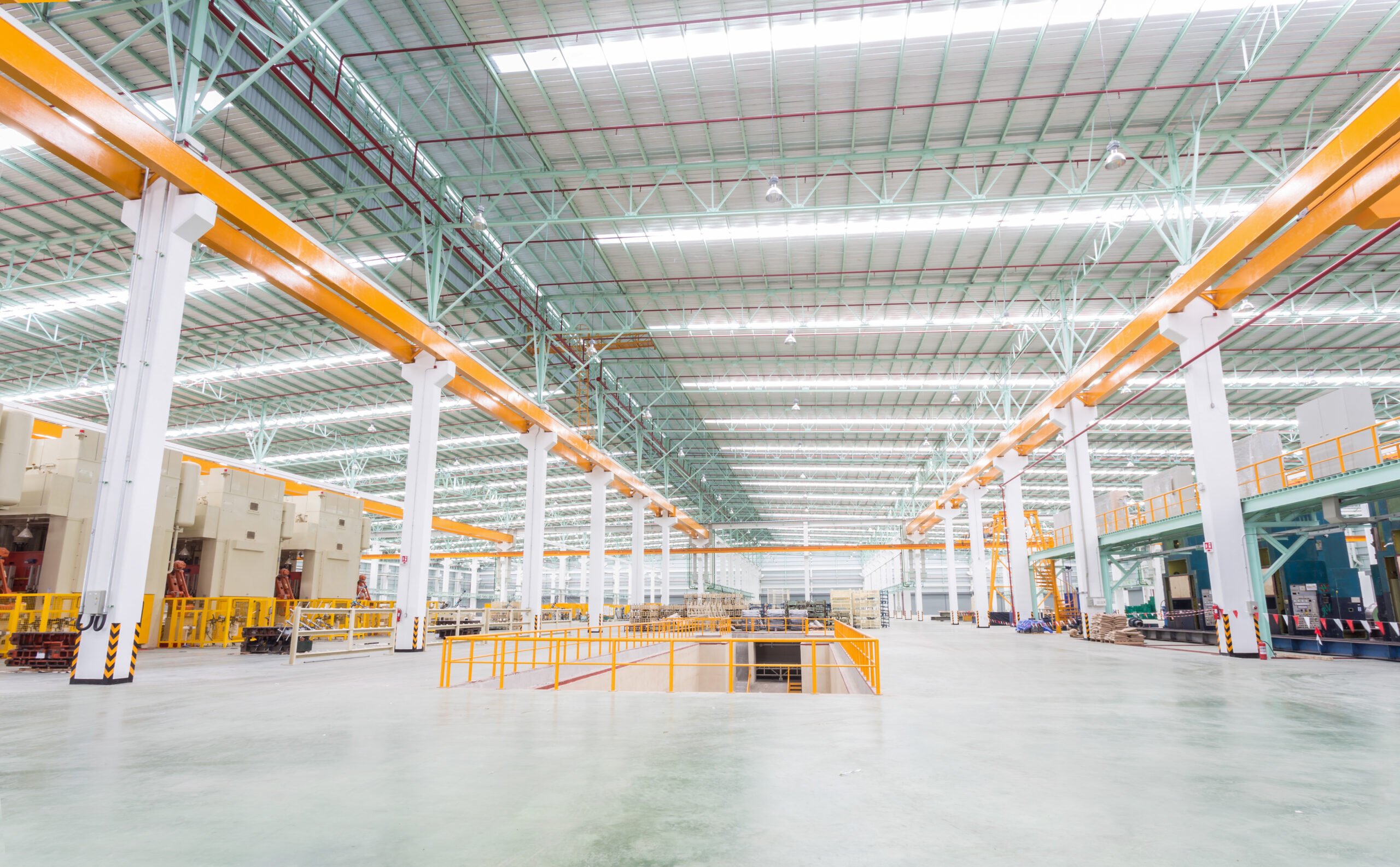
Beauty (STC) Manufacturing Co., Ltd. operates a modern and well-equipped manufacturing facility located in Jiangmen, Guangdong Province, China. The factory is strategically situated within the Pearl River Delta, a region renowned for its advanced electronics and lighting manufacturing ecosystem, providing access to skilled labor, efficient logistics, and a robust supply chain.
The production floor is centered around high-precision Surface Mount Technology (SMT) lines, which are essential for assembling LED lighting components. These SMT machines are automated and capable of handling small, complex LED circuit boards with high placement accuracy and throughput. The lines are integrated with automated optical inspection (AOI) systems to ensure soldering and component placement quality, minimizing defects and enhancing overall product reliability.
In line with stringent quality control standards, the factory conducts comprehensive aging tests on LED lighting products. Assembled units undergo extended operational testing under elevated temperatures and continuous power cycles to simulate long-term usage. This aging process helps identify early failure modes, ensuring that only durable and stable products are shipped to customers. Environmental testing chambers and electrical load banks support these reliability assessments.
Beauty STC also offers strong OEM (Original Equipment Manufacturer) capabilities, particularly in the production of wire harnesses and wiring solutions specifically designed for LED lighting applications. The factory can customize wire types, lengths, connectors, insulation materials, and configurations based on client specifications. This includes compliance with international standards such as UL, CCC, and RoHS. With in-house tooling, molding, and assembly support, the company provides turnkey solutions—from design input and prototyping to mass production and testing—making it a reliable partner for global lighting brands seeking customized wiring solutions for their LED fixtures.
Application Scenarios
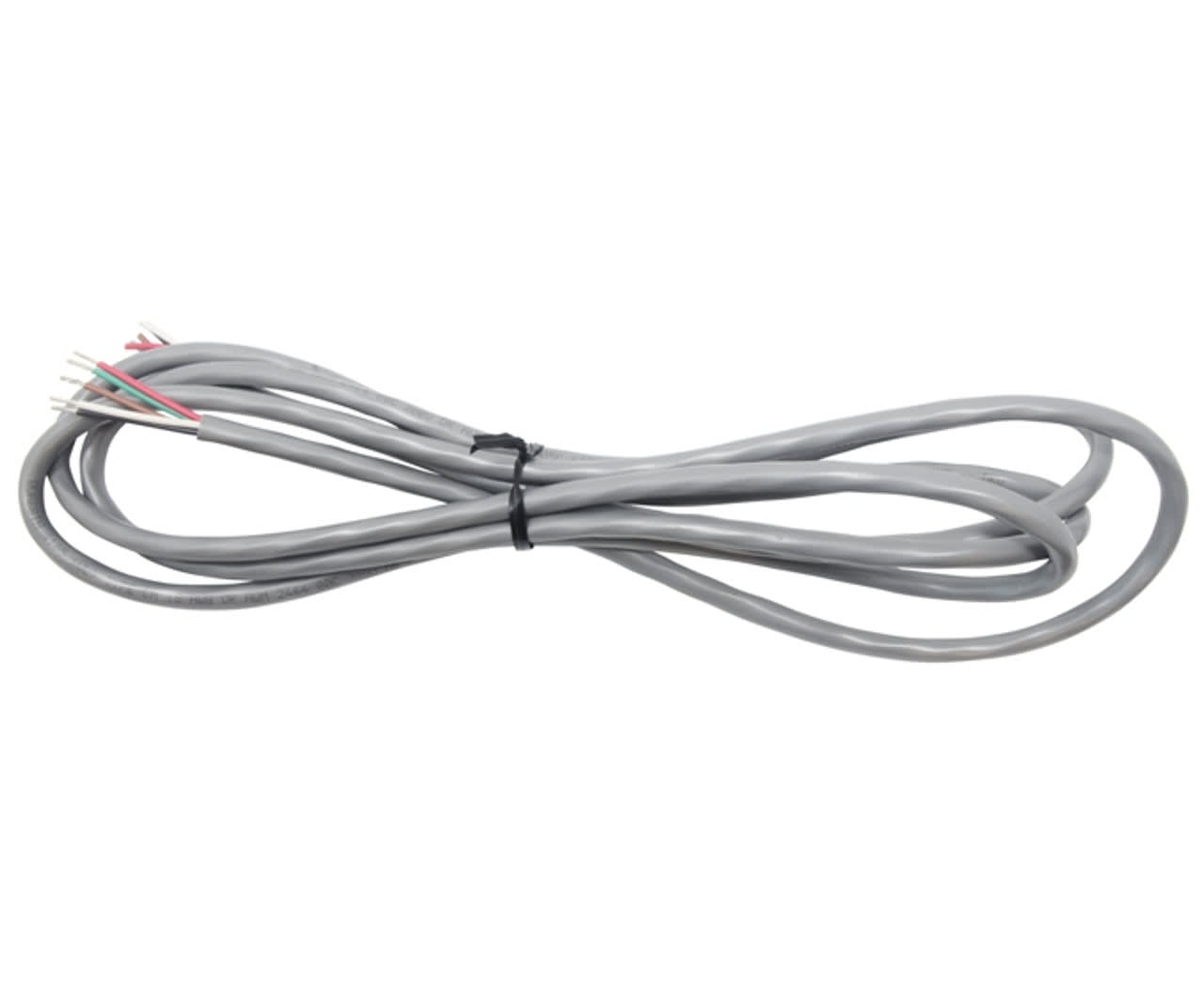
The term “wire for LED lighting” typically refers to the electrical wiring circuits that deliver power from the building’s electrical system to the LED fixtures themselves, not the internal wiring within the fixture or low-voltage control wires. This wiring must comply with local electrical codes (such as NEC in the US or IEC standards internationally) and is critical for safety, performance, and longevity in commercial installations. Below is a breakdown of where and how this wiring is applied across hotels, malls, and offices, followed by essential installation considerations.
In hotels, power wiring for LED lighting serves diverse zones requiring distinct ambiances and functionalities. Guest rooms demand flexible circuits supporting tunable white or dimmable LEDs for comfort, often requiring dedicated circuits for bedside lamps, ambient cove lighting, and bathroom vanity fixtures to prevent flicker during dimming. Corridors and lobbies utilize robust wiring for high-bay or linear fixtures, frequently integrated with occupancy sensors requiring separate switched legs. Critical areas like spas and pool decks mandate wet-location rated wiring and GFCI protection for safety near moisture. Ballrooms and conference spaces need heavy-gauge wiring to handle high-output LED fixtures combined with complex dimming systems, often requiring segregated circuits to avoid interference with audio-visual equipment. The wiring infrastructure must also support emergency lighting circuits with battery backups, particularly in exit paths.
Malls present unique challenges due to scale and high visual expectations. General circulation areas like atriums and concourses require long cable runs to high-bay or pendant LED fixtures, necessitating voltage drop calculations to maintain consistent light output—undersized wiring here causes noticeable dimming at circuit ends. Retail storefronts demand easily accessible junction boxes and dedicated circuits for flexible track or display lighting, accommodating frequent tenant changes. Food courts need wiring rated for high-temperature environments near cooking equipment, with GFCI protection for all countertop fixtures. Security lighting in parking structures requires tamper-resistant conduits and weatherproof connections. Crucially, mall-wide systems like emergency egress lighting must have wiring housed in fire-rated conduits to maintain functionality during fires, as mandated by life safety codes.
Offices prioritize energy efficiency and human-centric lighting, driving specific wiring requirements. Open-plan workspaces often implement power-over-Ethernet (PoE) for LED task lights, but traditional line-voltage wiring remains common for ceiling troffers and panels, requiring precise circuit balancing to avoid overloading on shared neutrals. Private offices and meeting rooms need dual-circuit setups: one for general lighting and another for dimmable or tunable fixtures, with data cables for controls carefully separated to prevent electromagnetic interference. Server rooms and IT closets require dedicated, grounded circuits for critical task lighting with no shared neutrals to avoid harmonic distortion. Warehouses and loading docks within office complexes demand ruggedized wiring in conduit to withstand physical impact and environmental exposure.
Installation must prioritize safety and performance. Always verify local electrical codes before design—NEC Article 410 governs luminaire installations, while IEC 60364 applies internationally. Calculate voltage drop meticulously for long runs; exceeding 3% can cause LED flicker or reduced output. For circuits over 50 feet in malls or office corridors, upgrade from standard 14 AWG to 12 AWG copper to mitigate this. Use conduit or armored cable (e.g., MC cable) in exposed areas like hotel corridors or mall ceilings for physical protection, ensuring all boxes are securely anchored to prevent wire stress. Segregate line-voltage power wiring from low-voltage control wires (like DALI or 0-10V) by at least 6 inches or within separate conduits to avoid interference that disrupts dimming. Terminate wires with torque screwdrivers to manufacturer specifications—loose connections cause arcing and heat buildup. In all wet or damp locations (hotel bathrooms, mall entrances), employ GFCI protection and wet-rated wire connectors. Finally, label all circuits clearly at the panel and junction boxes; this is indispensable for maintenance in complex environments like multi-tenant malls or sprawling hotel properties where future modifications are inevitable. Skipping these steps risks premature LED driver failure, fire hazards, or non-compliance during inspections.
Why Choose Beauty STC Lighting
Looking for reliable wire solutions for your LED lighting projects? Partner with Beauty STC, a trusted leader in LED lighting manufacturing. Our expertise ensures high-quality, durable wiring systems tailored to your lighting needs. Connect with our team today to streamline your production and enhance product performance. Contact us at [email protected] to get started.
⚡ LED Power Supply Calculator
Estimate the power supply needed for your LED strip project.