
Article Contents
Industry Insight: Stage Lighting Design
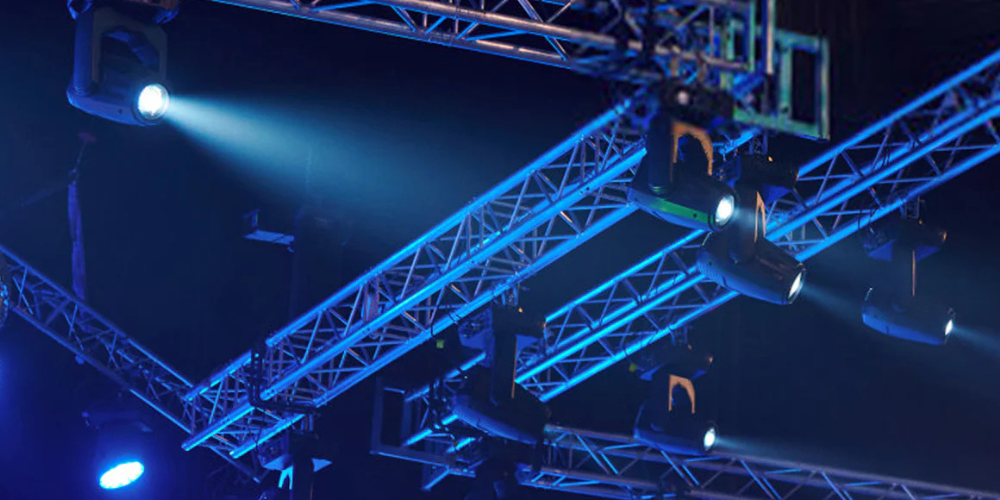
Stage lighting design within the commercial and industrial sectors has evolved significantly over the past few decades, transitioning from purely functional illumination to a sophisticated integration of performance, safety, and energy efficiency. As venues such as theaters, concert halls, broadcast studios, and large-scale event spaces demand greater control, durability, and compliance, the need for rigorously tested and certified lighting solutions has become paramount. In this context, adherence to international standards such as ETL and CE marks is not just a regulatory requirement but a testament to product reliability, electrical safety, and electromagnetic compatibility—critical factors in high-demand environments where lighting systems operate under intense conditions.
Since its establishment in 1998, Beauty (STC) Manufacturing Co., Ltd. has emerged as a trusted innovator in the professional lighting industry, specializing in high-performance stage and entertainment lighting solutions engineered for commercial and industrial applications. With a steadfast commitment to quality, precision, and compliance, Beauty STC designs and manufactures luminaires that meet stringent ETL and CE certifications, ensuring they perform safely and consistently across global markets. By combining advanced optical engineering with robust construction, the company supports lighting professionals in delivering impactful visual experiences without compromising on operational integrity or regulatory standards.
Technical Specs & Certifications
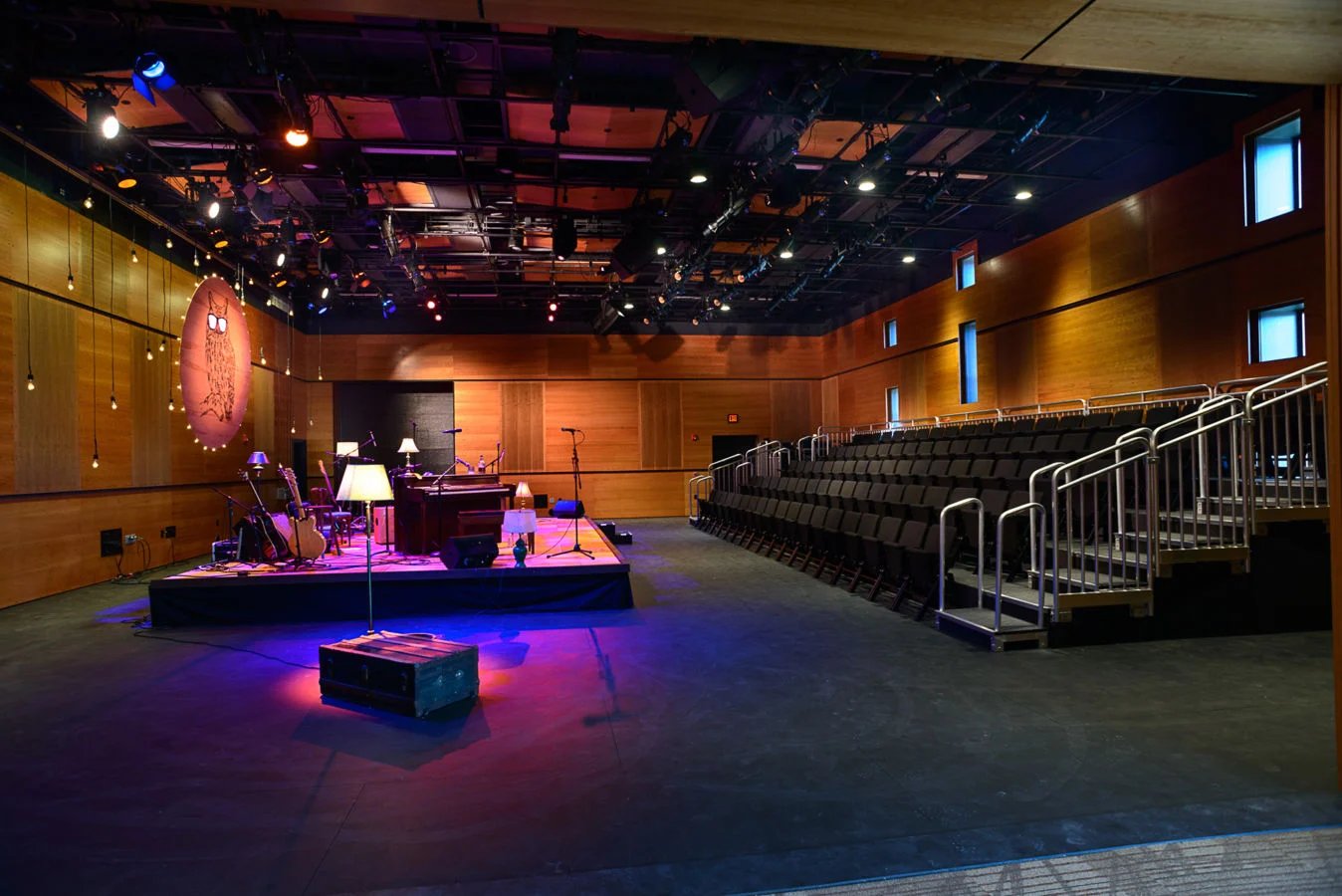
Stage lighting design requires precise technical specifications to ensure optimal performance in demanding theatrical and live event environments. Key considerations include luminous efficacy measured in lumens per watt (lm/W), color rendering accuracy through the Color Rendering Index (CRI), and environmental protection via Ingress Protection (IP) ratings. Modern LED stage fixtures from reputable manufacturers like Beauty STC significantly outperform legacy halogen or discharge lamp systems in these critical areas while delivering professional-grade reliability.
Luminous efficacy directly impacts operational efficiency and heat management. Contemporary LED stage fixtures typically achieve 80–120 lumens per watt at the source, depending on the optical system and LED binning. This represents a 60–80% improvement over traditional 575W or 1200W halogen fixtures, which often operate below 25 lm/W. Higher efficacy reduces power consumption, minimizes heat output on stage, and lowers cooling requirements in venues. It is essential to note that lm/W values should be evaluated at the fixture’s output rather than the LED package level, as optical losses from lenses, reflectors, and color mixing systems can reduce final delivered lumens by 15–30%. Beauty STC optimizes thermal management and optical efficiency in its moving heads, PAR cans, and blinders to maintain consistent lumen output throughout extended performances without thermal throttling.
Color fidelity is non-negotiable for stage applications where accurate skin tones and set design colors are critical. A CRI value exceeding 90 is the industry standard for professional stage lighting, with Ra9 (saturated red rendering) being particularly important for natural-looking human subjects. Fixtures must utilize high-quality phosphor-converted LEDs with tightly controlled spectral power distributions. Beauty STC implements rigorous binning processes and multi-channel color mixing systems to achieve CRI >92 and R9 >90 across its professional stage product lines. This ensures consistent color reproduction under varying dimming levels and prevents the green/magenta shifts common in lower-tier fixtures. Independent lab testing verifies these metrics, and Beauty STC further enhances color quality through proprietary diffuser materials that eliminate pixelation in beam profiles.
IP ratings determine a fixture’s suitability for specific deployment scenarios. For touring and outdoor festival applications, IP65-rated fixtures are essential to withstand dust ingress and low-pressure water jets from rain or cleaning. Beauty STC’s touring-grade moving heads and blinders feature sealed optical compartments, conformal-coated PCBs, and gasketed access points to maintain IP65 integrity even after repeated rigging. Fixed installation fixtures in permanent theatres typically require IP20 protection for basic finger-safe operation, though higher ratings like IP54 may be specified in theatres with fly systems exposed to dust. Beauty STC designs all stage products with robust ingress protection aligned to their intended use case, ensuring longevity in challenging environments through rigorous environmental stress screening during manufacturing.
Beauty STC’s commitment to quality is evident in its adherence to these technical specifications without compromise. The company employs multi-point thermal monitoring systems to sustain lumen output stability, utilizes aviation-grade aluminum housings for structural rigidity and heat dissipation, and subjects every production batch to 48-hour burn-in testing with spectral analysis. This engineering discipline ensures that Beauty STC fixtures not only meet but consistently exceed the lm/W, CRI, and IP requirements critical for professional stage lighting, providing designers with reliable tools that deliver artistic vision under real-world operational demands.
Factory Tour: Manufacturing Excellence
Beauty (STC) Manufacturing Co., Ltd.’s factory in Jiangmen, China, is a modern, fully integrated LED lighting production facility designed to support high-volume manufacturing with a strong emphasis on quality, precision, and innovation. Strategically located in the Jiangmen high-tech industrial zone, the facility leverages advanced automation and rigorous quality control systems to meet international standards for performance and reliability.
At the core of the production process are state-of-the-art SMT (Surface Mount Technology) lines equipped with high-speed, precision placement machines from leading manufacturers. These SMT systems ensure accurate mounting of LED components and electronic parts onto PCBs, supporting complex circuit designs with tight tolerances. The lines are integrated with automated optical inspection (AOI) systems, enabling real-time defect detection and ensuring consistent soldering quality and component alignment.
To guarantee long-term product reliability, the Jiangmen factory implements comprehensive aging and burn-in testing procedures. Completed lighting units undergo extended operational testing under controlled thermal and electrical conditions, simulating real-world usage over hundreds of hours. This aging process helps identify early-life failures and ensures that only units meeting strict performance criteria are approved for shipment. Environmental testing chambers are also used to validate performance under varying temperature, humidity, and vibration conditions.
Beauty STC has robust OEM and ODM capabilities tailored specifically for stage lighting design. The company supports custom product development from concept to mass production, including optical engineering, thermal management design, mechanical housing, firmware programming, and control protocols such as DMX512 and RDM. With an in-house team of experienced lighting engineers and designers, the factory can accommodate client-specific requirements for beam angles, color mixing, effects engines, and connectivity options. Clients benefit from full turnkey solutions, including branding, packaging, and compliance certification for global markets.
The combination of advanced SMT technology, rigorous aging protocols, and flexible OEM services makes Beauty STC’s Jiangmen facility a trusted partner for professional stage, entertainment, and architectural lighting brands seeking high-quality, customizable LED lighting solutions.
Application Scenarios
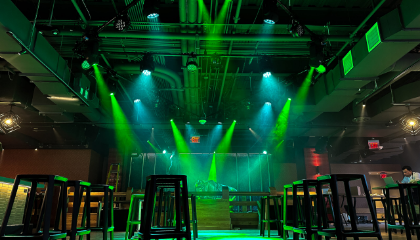
Stage lighting design principles are primarily intended for theatrical performance environments where dynamic control, precise beam shaping, and high-intensity illumination for performers are critical. Direct application of conventional stage lighting fixtures and techniques is generally inappropriate and often unsafe for standard hotel, mall, or office installations due to heat output, lack of necessary safety certifications, incompatible control protocols, and excessive intensity for ambient human occupancy. However, the aesthetic concepts derived from stage lighting—such as dramatic accenting, selective highlighting, and mood creation—can be thoughtfully adapted using purpose-built architectural LED fixtures in specific high-impact areas within these commercial spaces. This adaptation requires significant modification to meet commercial building codes, energy standards, and occupant comfort requirements.
Within hotels, the most relevant application for adapted stage lighting principles is in premium event spaces. Ballrooms hosting performances, conferences with theatrical presentations, or high-end weddings benefit from installing permanent architectural grade track lighting or recessed adjustable fixtures with narrow beam angles to spotlight stages, speaker platforms, or featured decor like floral arrangements. High-end hotel lobbies with dramatic architectural features such as sculptural art installations, water features, or textured feature walls can utilize carefully positioned wall washers or precision spotlights to create focal points reminiscent of stage highlighting, though using fixtures rated for continuous occupancy and integrated into the ambient lighting scheme. Fine dining restaurants within hotels may employ low-voltage adjustable accent lights above key tables or display areas to draw attention, mimicking stage spotlighting but at significantly lower, comfortable intensities suitable for dining.
Malls present limited opportunities, primarily within dedicated event spaces or flagship retail environments. Central atriums occasionally hosting live performances require permanently installed theatrical rigging points and properly rated stage fixtures with emergency power backups, but this is a specialized installation distinct from general mall lighting. High-end flagship stores within malls might adapt stage-inspired techniques using narrow-beam retail track lighting to intensely illuminate featured merchandise displays or mannequins, creating a dramatic focal point that guides customer attention much like a stage spotlight, though again using commercial retail fixtures designed for retail environments. Standard mall corridors, food courts, and general retail areas should never employ actual stage lighting due to excessive glare, poor uniformity for navigation, and safety hazards.
Offices are the least suitable environment for any stage lighting adaptation. Standard office work requires uniform, glare-controlled ambient illumination for visual tasks and occupant comfort. Attempting to use stage lighting principles here would create severe visual discomfort, eye strain, and safety issues. The only conceivable exception is within a dedicated executive presentation room or a very high-end corporate reception area featuring significant art, where subtle, low-intensity accent lighting on specific elements might borrow the concept of selective highlighting. Even here, standard architectural accent fixtures with appropriate shielding and dimming must be used—not theatrical fixtures. General office areas, workstations, meeting rooms, and corridors must strictly adhere to standard commercial office lighting design standards focused on functionality and well-being.
Critical installation tips for adapting these concepts safely and effectively include always specifying fixtures with relevant safety certifications such as UL 1598 or CE marking for the target region, never using entertainment-grade stage fixtures in commercial occupancies. Prioritize LED fixtures with excellent thermal management designed for continuous 24/7 operation in enclosed or semi-enclosed spaces, as theatrical fixtures often lack this and pose fire risks. Integrate all accent lighting into the building management system or a standard 0-10V/DALI dimming system compatible with facility operations, avoiding proprietary theatrical DMX systems which lack the scheduling and occupancy sensing required in commercial buildings. Ensure all fixtures have adequate ingress protection ratings like IP20 for indoor use and consider maintenance access—stage fixtures often require frequent lamp changes and adjustments unsuitable for occupied commercial spaces. Most importantly, work with a qualified lighting designer to balance dramatic effect with required illuminance levels, uniformity ratios, and glare control metrics like UGR to ensure the space remains functional and comfortable for its primary purpose, avoiding the harsh contrasts typical of actual stage lighting. The goal is subtle enhancement, not replication of a theatrical environment.
Why Choose Beauty STC Lighting
Transform your next event with professional stage lighting design that captivates and inspires. Partner with Beauty (STC) Manufacturing Co., Ltd., a trusted leader in high-performance lighting solutions. Our expert team delivers customized designs tailored to your stage, venue, and vision—ensuring flawless execution every time. From concept to installation, we provide end-to-end support backed by innovation and reliability.
Ready to elevate your production? Contact our team today at [email protected] to discuss your project and discover how Beauty STC can bring your stage to life.
⚡ LED Power Supply Calculator
Estimate the power supply needed for your LED strip project.