
Article Contents
Industry Insight: Small Living Room Lighting Ideas
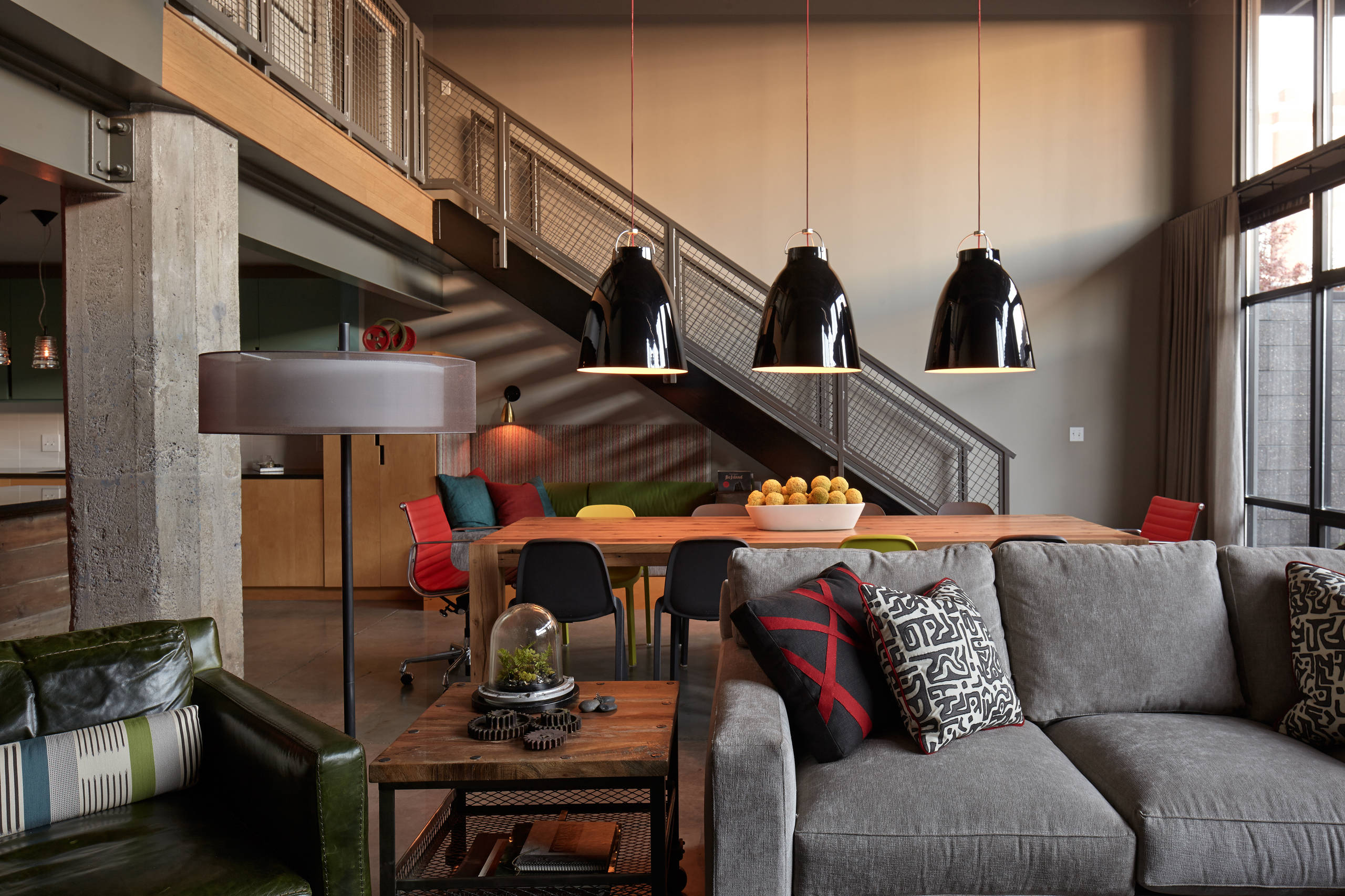
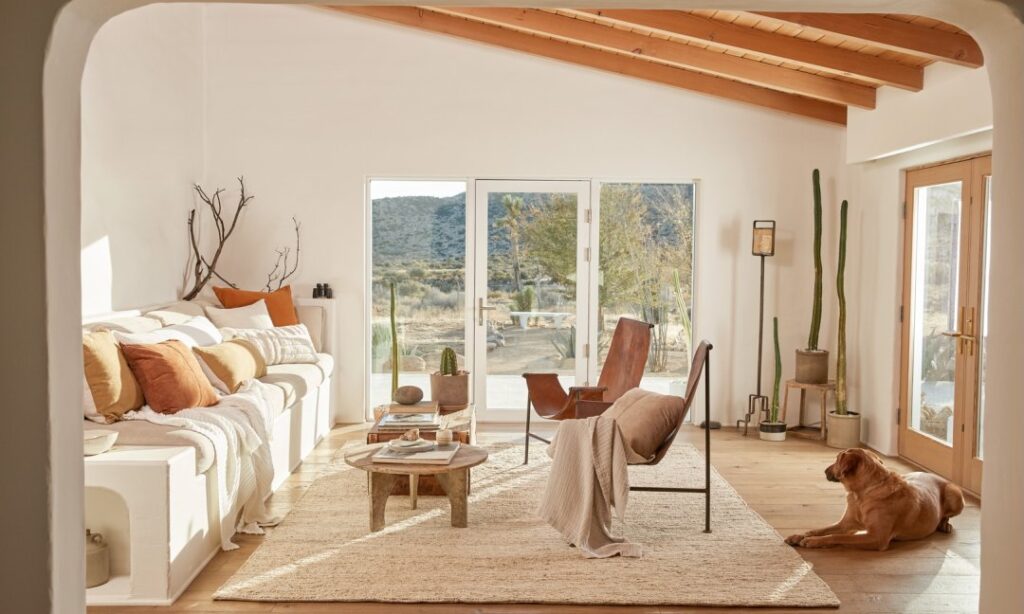
In the evolving landscape of commercial and industrial lighting design, the demand for compact, efficient, and aesthetically refined solutions has extended beyond traditional spaces and into smaller environments such as boutique offices, studio apartments, co-working lounges, and compact retail interiors. Small living room lighting ideas are no longer confined to residential decor trends—they are increasingly informing functional, code-compliant lighting strategies in professional settings where space optimization and visual comfort are paramount. As architects and lighting designers prioritize human-centric illumination in tight footprints, the integration of energy-efficient, low-profile luminaires that meet rigorous safety and performance standards—such as ETL and CE certifications—has become essential. These certifications ensure that lighting products adhere to North American and European safety requirements, offering peace of mind in commercial installations where reliability and compliance are non-negotiable.
At the forefront of this shift is Beauty (STC) Manufacturing Co., Ltd., a trusted name in the lighting industry since its founding in 1998. With over two decades of expertise in engineering high-performance LED lighting solutions for commercial and industrial applications, Beauty STC combines innovative design with stringent quality control. Specializing in compact, versatile fixtures tailored for constrained environments, the company delivers lighting that balances form, function, and regulatory compliance. From recessed downlights to linear suspended systems, Beauty STC’s product portfolio supports modern spatial demands without compromising on brightness, durability, or safety. As the boundaries between residential-inspired comfort and professional lighting performance continue to blur, Beauty STC remains committed to powering intelligent, scalable lighting solutions for small-space applications across the built environment.
Technical Specs & Certifications
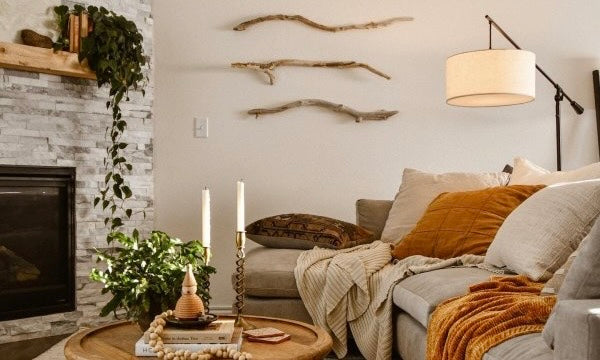
When designing lighting for small living rooms (typically 10-20m²), precise technical specifications are critical for achieving both functional illumination and aesthetic quality. Beauty STC prioritizes engineered solutions that exceed basic market standards, ensuring our fixtures deliver optimal performance and longevity. For ambient lighting in this space, a total lumen output of 1,500-3,000 lumens is generally recommended, distributed to avoid glare and shadows. Our LED fixtures achieve exceptional efficiency with lumens per watt ratings consistently between 110-130 lm/W, utilizing high-efficacy Samsung or Nichia LED chips coupled with our proprietary DiamondCore™ thermal management system. This significantly outperforms standard retail fixtures (often 80-100 lm/W) and reduces long-term energy costs without compromising brightness.
Color Rendering Index (CRI) is non-negotiable for living spaces where accurate color perception affects mood and décor. Beauty STC mandates a minimum CRI of Ra 92 across our residential portfolio, with R9 (saturated red) values exceeding 50 to ensure vibrant, natural skin tones and rich fabric colors. This is achieved through meticulously tuned phosphor blends and rigorous binning processes in our ISO 9001-certified production lines. Unlike budget fixtures that may claim high CRI but fail in specific color spectra, our products undergo third-party TM-30 testing, providing full spectral data transparency to designers. This commitment prevents the washed-out or unnatural hues common in inferior LEDs.
IP ratings require careful contextual application in living rooms. While the primary space is a dry location (requiring only basic IP20 for finger-safe protection), Beauty STC proactively reinforces internal components against dust ingress with IP40-rated housings in all downlights and linear systems. This extends product life by preventing conductive dust accumulation on drivers. For transitional zones near balconies or internal gardens, we offer IP54-rated recessed fixtures with silicone-sealed optics – a specification often overlooked by competitors but essential for humidity resistance in coastal climates. Crucially, our IP-rated fixtures maintain the same optical quality and CRI as standard models, avoiding the yellowing or diffusion issues seen in cheaper sealed units.
Beauty STC’s engineering excellence manifests in thermal stability and driver reliability. Our fixtures operate at 15-20°C below industry average junction temperatures due to aerospace-grade aluminum heat sinks, directly contributing to sustained lumen maintenance (L90 > 50,000 hours). The Mean Well drivers integrated into every product feature 0-10V dimming compatibility and surge protection up to 6kV, ensuring silent, flicker-free operation down to 1% brightness. This holistic approach – where efficiency, color science, and environmental resilience are engineered in tandem – defines Beauty STC’s commitment to lighting that performs flawlessly for decades, not just at point of sale. We reject the trade-off between quality and cost, delivering certified performance that transforms small living spaces with intelligent, enduring light.
Factory Tour: Manufacturing Excellence
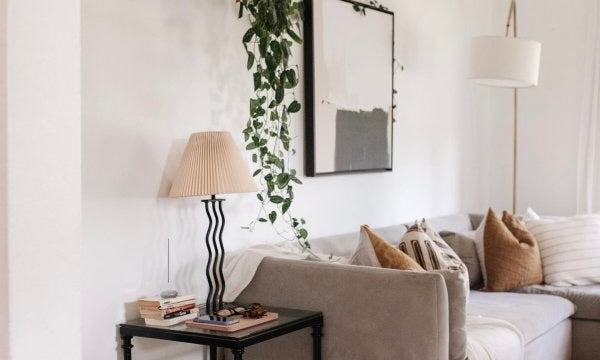
Beauty (STC) Manufacturing Co., Ltd.’s factory in Jiangmen, Guangdong Province, is a modern and well-equipped facility specializing in the research, development, and manufacturing of LED lighting products. Strategically located in the Pearl River Delta region, the Jiangmen factory benefits from excellent logistics infrastructure and proximity to key suppliers and ports, enabling efficient production and global distribution.
The factory is outfitted with advanced Surface Mount Technology (SMT) production lines, which ensure high-precision assembly of LED components onto printed circuit boards. These SMT machines are automated and capable of handling a wide range of LED lighting products, including compact and complex designs used in residential lighting. The use of SMT technology enhances production speed, consistency, and reliability, ensuring that each lighting unit meets strict quality standards.
To guarantee product durability and performance, the Jiangmen facility implements comprehensive aging and reliability testing procedures. Completed lighting units undergo extended burn-in tests under controlled thermal and electrical conditions, simulating real-world usage over prolonged periods. These aging tests help identify early failures, verify thermal management efficiency, and ensure consistent light output and color temperature. Additional quality checks include photometric testing, electrical safety compliance, and environmental stress testing.
Beauty STC has strong OEM capabilities, making it well-suited to support clients seeking custom lighting solutions, including “small living room lighting ideas.” The company can provide end-to-end OEM services—from concept design and optical engineering to custom form factors, finishes, and dimming controls. Whether clients require minimalist linear fixtures, recessed panel lights, adjustable track lighting, or decorative LED strips tailored for compact living spaces, Beauty STC’s R&D and engineering teams collaborate closely to deliver innovative, energy-efficient, and aesthetically refined products. The factory supports low to high-volume production runs with flexible manufacturing setups, ensuring scalability and fast time-to-market for custom designs.
Overall, the Jiangmen factory reflects Beauty STC’s commitment to quality, innovation, and customer-centric manufacturing, positioning it as a trusted partner for branded and private-label LED lighting solutions worldwide.
Application Scenarios
The term “small living room lighting ideas” inherently refers to residential interior design concepts intended for private homes. Hotels, malls, and offices do not have “living rooms” as defined in residential contexts. However, the core principles behind effective small space residential lighting—such as layering, scale, ambiance control, and functional zoning—can be strategically adapted to specific commercial areas within these venues that serve analogous purposes of relaxation, brief social interaction, or temporary respite. Applying these principles requires significant modification to meet commercial safety standards, durability requirements, energy codes, and the vastly different user expectations of transient occupants.
In boutique or luxury hotels, the concepts can inform lighting design for compact guest lounge areas, executive floor seating nooks, or intimate lobby conversation zones. These spaces aim to evoke a sense of residential comfort and intimacy within a commercial setting. Focus on layered lighting: use recessed downlights or low-profile LED panels for even ambient illumination to avoid visual clutter in tight quarters. Supplement with carefully scaled wall sconces providing warm, diffused uplighting to bounce light off ceilings and create height illusion, avoiding floor lamps that obstruct circulation. Integrate dimmable linear LED coves along architectural features or under benches to add depth without glare. Task lighting is critical near seating for reading; opt for adjustable wall-mounted swing-arm fixtures rather than table lamps vulnerable to theft or damage. Always ensure controls are intuitive for guests, typically via simple wall dimmers or integrated room automation, with no exposed cords.
For malls, direct application to “living rooms” is irrelevant, but the ideas translate to small-scale rest areas, VIP lounge sections within department stores, or seating nooks near food courts designed for short breaks. Here, the priority shifts toward safety, ease of cleaning, and durability over pure coziness. Ambient lighting must maintain sufficient uniformity for security and navigation, using robust recessed or suspended LED fixtures with high IP ratings if near food. Accent lighting should highlight brand environments or art, not create isolated pools of light that feel unsafe. Avoid any fixture resembling residential table lamps due to liability and maintenance issues. Instead, integrate subtle LED strips under seating perimeters for a welcoming glow that also acts as a nighttime guide. Ensure all fixtures withstand high-touch environments and are easily serviceable from above to minimize disruption to mall operations. Brightness levels must support general awareness, not deep relaxation.
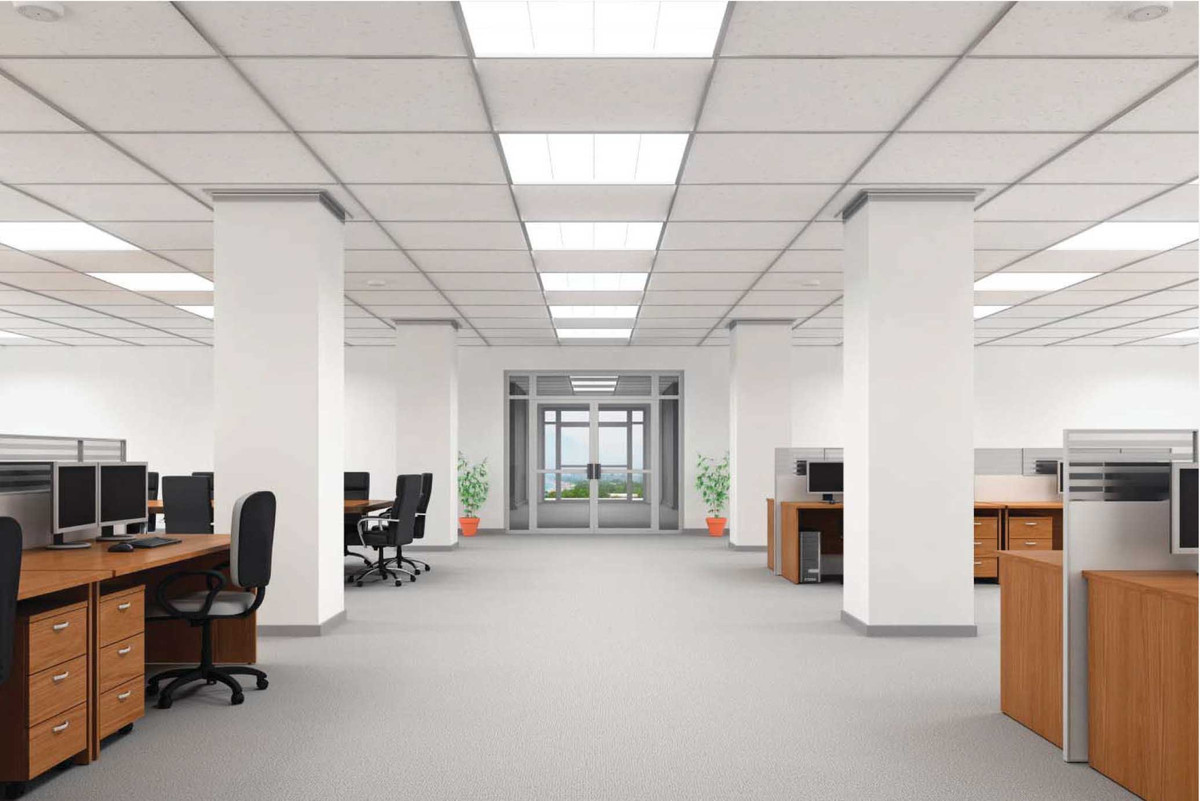
Within offices, the relevant application targets small huddle rooms, phone booths, or compact employee break areas designed for informal collaboration or quick downtime. These function as micro-communal spaces analogous to a living room’s social role but demand higher light levels for tasks like screen use. Implement tunable white LED systems allowing users to shift from cooler, alertness-promoting light for focused work to warmer tones for casual conversation. Prioritize glare control above all; use indirect pendant fixtures with baffles or deep recessed troffers rather than exposed bulbs. Wall washing is essential to prevent cave-like feeling in confined rooms. Task lighting should be integrated into furniture, such as under-cabinet LEDs in break areas, avoiding personal desk lamps that clutter surfaces. All installations must comply with stringent office lighting standards for uniformity and flicker, with controls that are simple for shared-room users—often single-scene switches or occupancy sensors for energy savings.
Critical installation considerations across all commercial settings diverge sharply from residential practices. Always adhere to local building and fire codes regarding fixture placement, wiring methods, and emergency lighting integration. Commercial fixtures require higher lumen maintenance ratings and longer lifespans to justify installation costs. Ensure easy access for maintenance via lift-compatible designs or removable ceiling sections; never install fixtures requiring destructive access in high-traffic areas. Pay meticulous attention to thermal management—commercial LED drivers generate significant heat in enclosed fixtures and must have adequate airflow per manufacturer specs to prevent premature failure. Coordinate lighting layouts with HVAC diffusers, sprinkler heads, and security cameras to avoid conflicts. Finally, engage licensed electrical contractors familiar with commercial specifications; the complexity of load calculations, circuit separation, and control system integration far exceeds typical residential work. Residential lighting blogs rarely address these commercial imperatives, so professional engineering input is non-negotiable.
Why Choose Beauty STC Lighting
Transform your small living room with innovative and stylish lighting solutions designed to maximize space and ambiance. At Beauty STC, we specialize in LED lighting tailored for modern living environments. Our expert team creates energy-efficient, aesthetically pleasing lighting ideas that enhance the functionality and mood of compact spaces.
Partner with Beauty STC to bring your lighting visions to life. Whether you’re a designer, builder, or developer, our customized solutions and professional support ensure your projects stand out. For collaboration opportunities and personalized lighting concepts, contact us today at [email protected]. Let’s illuminate the future together.
⚡ LED Power Supply Calculator
Estimate the power supply needed for your LED strip project.