
Article Contents
Industry Insight: Living Area Lighting Design
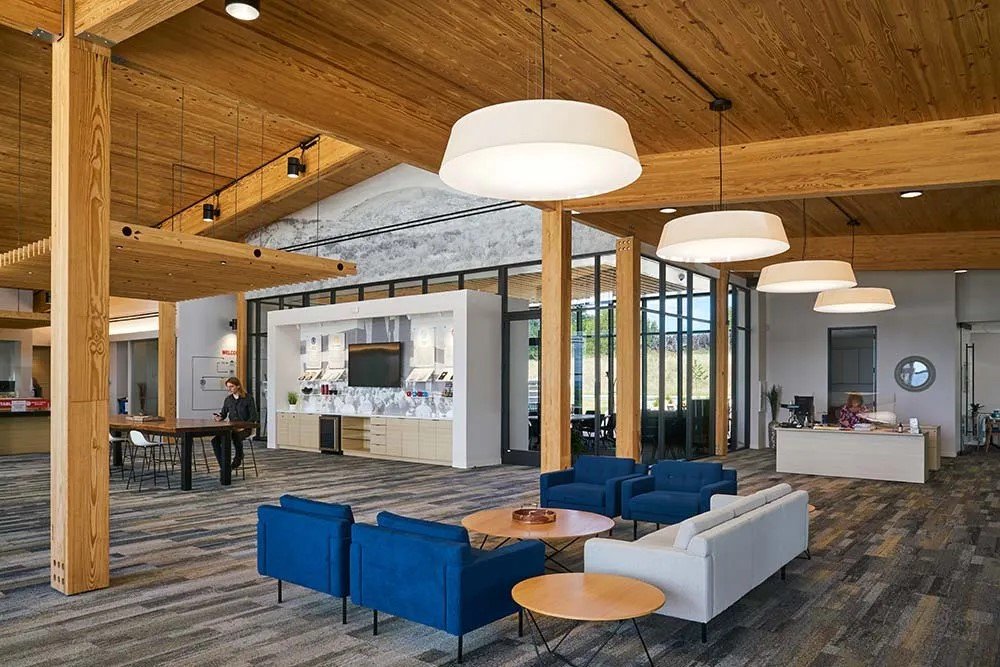
The evolving landscape of commercial and industrial lighting design increasingly recognizes that human experience is paramount, even within traditionally functional spaces. While “living area” might evoke residential imagery, the core principle—crafting environments that support well-being, productivity, and engagement—has profound implications for workplaces, hospitality venues, retail settings, and healthcare facilities. Today’s forward-thinking commercial projects demand lighting solutions that transcend basic illumination, integrating seamlessly with architectural intent to shape user behavior, enhance comfort during extended occupancy, and contribute to overall operational success. This human-centric approach is no longer a luxury but a strategic imperative driven by evidence linking quality lighting to improved employee performance, customer satisfaction, and brand perception.
Meeting these sophisticated demands requires robust, reliable, and compliant lighting infrastructure. For commercial and industrial applications, adherence to stringent safety and performance standards is non-negotiable. Certifications such as ETL (indicating compliance with North American safety standards) and CE (demonstrating conformity with European health, safety, and environmental requirements) are fundamental prerequisites. These certifications assure specifiers, facility managers, and end-users that luminaires can withstand demanding operational environments, deliver consistent performance over extended lifespans, and integrate safely within complex building systems. The absence of these validations presents significant procurement and liability risks, making certified products essential for any credible commercial lighting specification.
Beauty STC Manufacturing Co., Ltd., established in 1998, brings over 25 years of dedicated engineering expertise to this critical commercial and industrial lighting sector. We understand that successful living area lighting design in professional contexts hinges on marrying technical precision with human factors. Our core strength lies in developing high-performance LED lighting solutions engineered from the ground up for the rigors of commercial use. We prioritize rigorous testing to ensure all our products not only meet but consistently exceed ETL, CE, and other relevant global standards, providing the foundation of safety and reliability that projects demand. Beauty STC partners with architects, designers, and contractors to translate the vision of human-centric, functional, and aesthetically integrated lighting into reality, delivering products that enhance the occupant experience while meeting the exacting technical and regulatory requirements of the built environment.
Technical Specs & Certifications
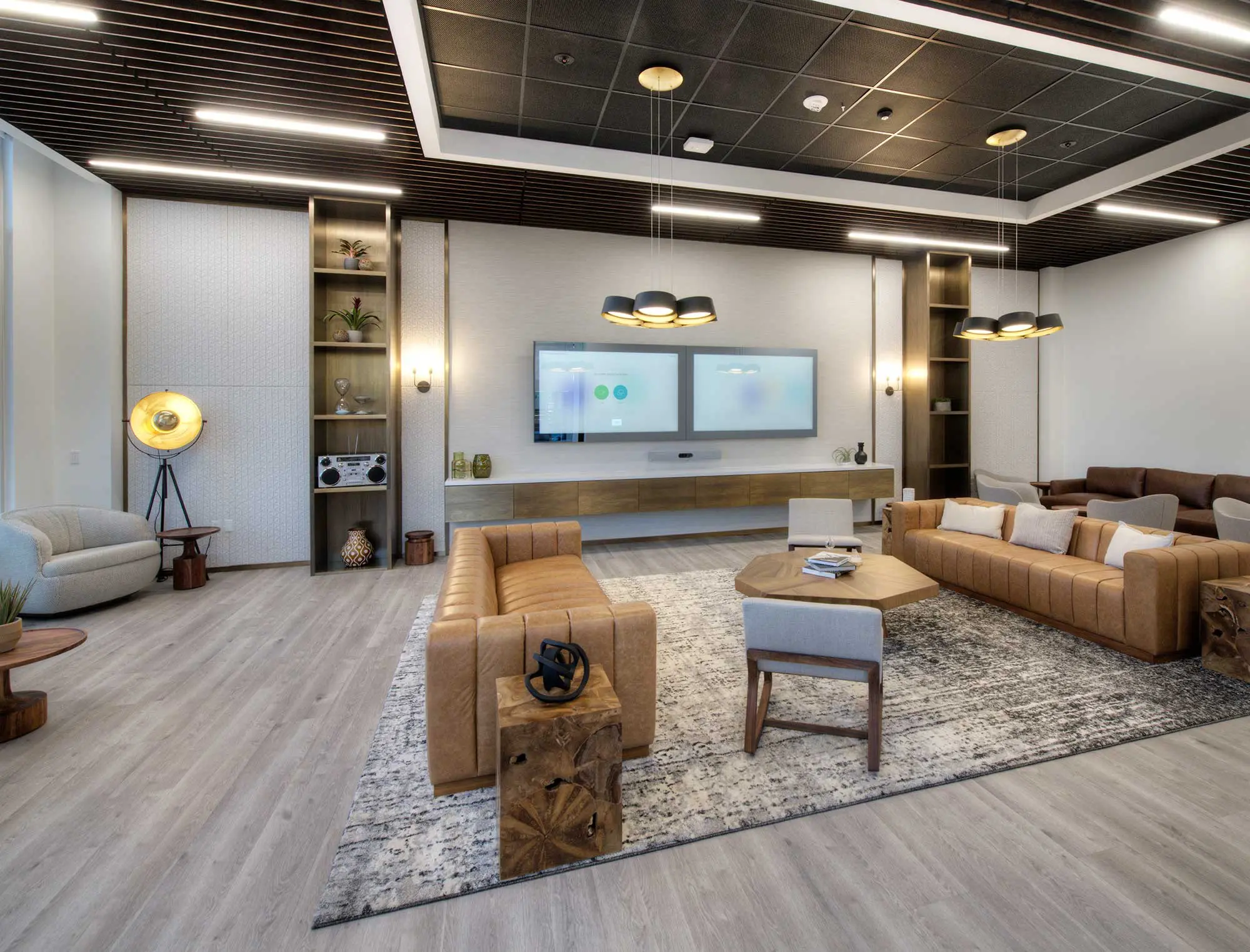
For a well-executed living area lighting design, selecting fixtures with optimal technical performance is essential to ensure both visual comfort and energy efficiency. Key specifications include high lumens per watt (lm/W), excellent color rendering, and appropriate ingress protection (IP) ratings tailored to the application within the living space.
Lumens per watt is a critical metric for evaluating the energy efficiency of LED lighting. In living areas, where lights may be in use for extended periods, fixtures delivering 100–130 lm/W or higher are recommended. This range ensures bright, inviting illumination while minimizing power consumption. Beauty STC’s LED solutions consistently achieve 110–125 lm/W across their indoor product lines, combining high efficiency with long-term reliability and thermal stability.
Color Rendering Index (CRI) is particularly important in living environments where accurate color perception enhances aesthetics and comfort. A CRI greater than 90 ensures that skin tones, furniture, artwork, and interior finishes appear natural and vibrant. Beauty STC prioritizes high CRI performance in its residential lighting series, with many products offering CRI values of 92–95, achieved through carefully tuned phosphor coatings and premium LED chips. This attention to spectral quality reflects Beauty STC’s commitment to delivering lighting that supports well-being and visual clarity.
Regarding IP ratings, living areas typically require less stringent protection compared to kitchens or bathrooms. For general ceiling, wall, or floor lighting in dry indoor zones, an IP20 rating is sufficient—providing basic protection against finger contact and no exposure to moisture. However, in areas near windows or with potential for dust accumulation, fixtures with IP42 or higher may be considered for added durability. Beauty STC designs its living area luminaires to meet IP20 standards as standard, with options available for higher ingress protection where needed. All products undergo rigorous environmental testing to ensure performance consistency and longevity.
Beauty STC’s reputation for quality is built on precision engineering, adherence to international standards (including IEC, EN, and UL), and in-house manufacturing control. Their living area lighting solutions feature robust thermal management, flicker-free drivers, and consistent photometric output over time—hallmarks of superior build quality. By integrating high lm/W efficiency, exceptional CRI, and appropriately rated protection, Beauty STC delivers lighting systems that elevate the residential experience with reliability, comfort, and aesthetic integrity.
Factory Tour: Manufacturing Excellence
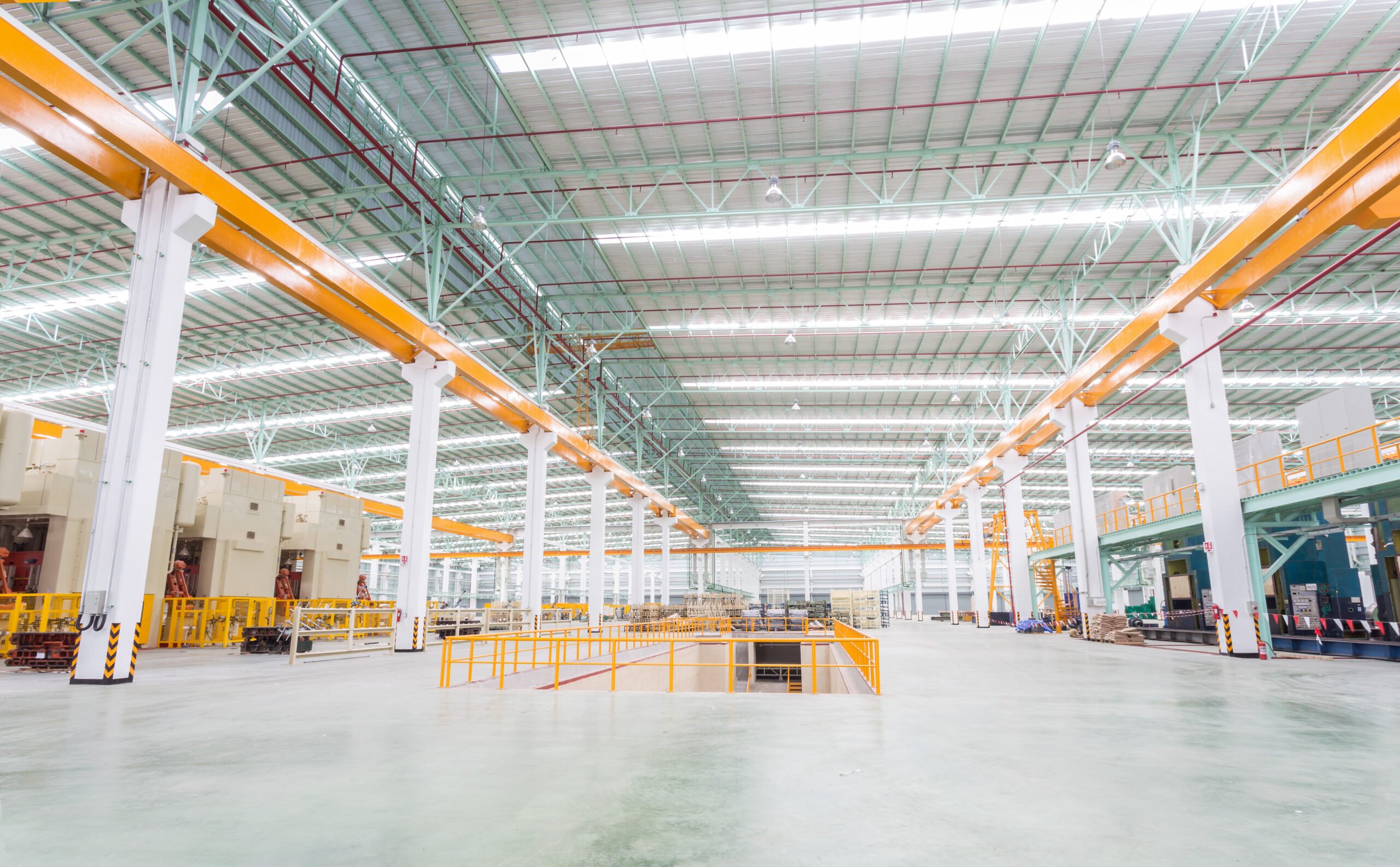
Beauty STC’s Jiangmen manufacturing facility is strategically situated within the Jiangmen National High-Tech Industrial Development Zone in Guangdong Province. This location provides excellent infrastructure, skilled labor access, and efficient logistics connectivity to major ports and supply chains, supporting our position as a leading LED lighting manufacturer. The factory spans over 50,000 square meters and operates under strict ISO 9001 and ISO 14001 certified quality and environmental management systems, ensuring consistent production excellence and sustainable practices.
Our Surface Mount Technology (SMT) production capability forms the core of our manufacturing precision. The facility houses twelve state-of-the-art Fuji NXT III modular SMT lines, each configured for high-mix, high-volume LED lighting production. These lines handle components down to 0201 metric size with exceptional placement accuracy of ±25μm, critical for densely packed LED driver and control circuitry found in modern luminaires. The lines feature advanced vision systems for real-time component alignment verification and automated optical inspection (AOI) stations integrated post-reflow to detect solder defects, component misalignment, or tombstoning. This investment enables us to achieve first-pass yields exceeding 99.2% for complex PCB assemblies used in our residential and commercial fixtures, directly supporting the reliability demands of living area applications where thermal management and electrical stability are paramount.
Rigorous aging and reliability testing is a non-negotiable pillar of our quality assurance process, specifically tailored to validate performance for living space environments. We operate a dedicated aging hall with over 200 programmable thermal chambers capable of simulating 24 to 72 hours of continuous operation under elevated temperatures ranging from 50°C to 70°C, significantly accelerating potential failure modes. Every production batch undergoes this stress testing, with luminaires monitored for critical parameters including lumen maintenance, chromaticity shift (Δu’v’), driver functionality, and thermal runaway prevention. Crucially, our aging protocols are designed to correlate with long-term LM-80 and TM-21 data, ensuring the color consistency and flicker-free operation essential for comfortable home environments like bedrooms, living rooms, and kitchens where visual comfort directly impacts user well-being. This systematic approach allows us to confidently guarantee product lifespans exceeding 50,000 hours under typical residential conditions.
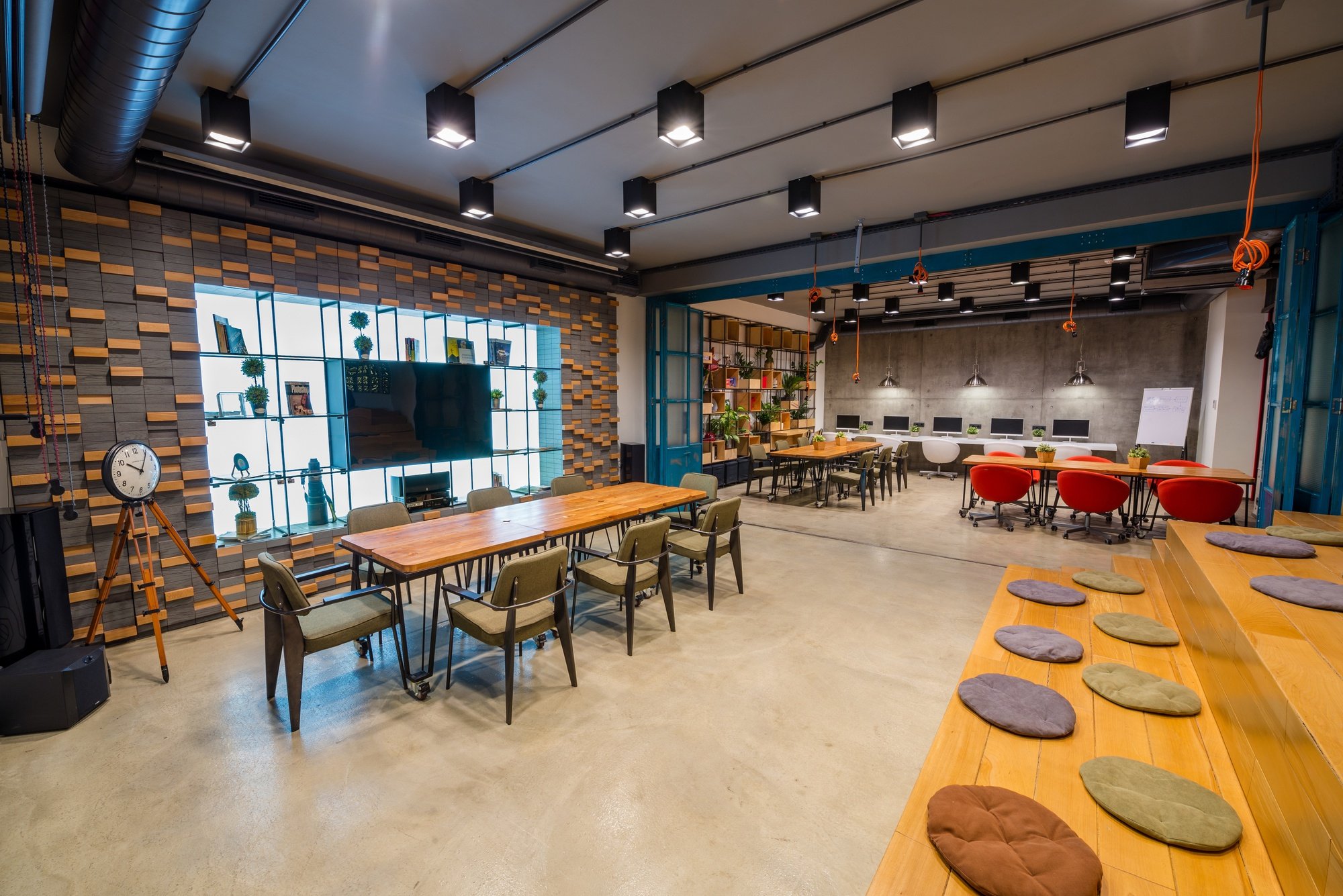
Beauty STC possesses extensive OEM capability specifically engineered for sophisticated living area lighting design projects. We offer full turnkey solutions from initial concept through mass production, leveraging our in-house industrial design, optical engineering, thermal simulation, and photometric testing teams. Our engineers collaborate closely with clients to translate aesthetic visions and functional requirements—such as circadian lighting tuning, seamless dimming performance (0-10V, DALI, TRIAC), and material integration—into manufacturable designs. We support rapid prototyping using 3D printing and CNC machining for form, fit, and function validation within 15 working days, followed by comprehensive photometric testing in our integrated integrating sphere and goniophotometer lab to verify lumen output, beam control, and glare metrics (UGR). Our flexible manufacturing model accommodates volume-agnostic production, from low-volume custom architectural pieces to high-volume residential collections, while ensuring compliance with global safety and performance standards including UL, CE, FCC, and Energy Star. This deep integration of design expertise, engineering validation, and scalable manufacturing makes us a trusted partner for brands seeking to deliver innovative, human-centric lighting solutions for the modern living environment.
Application Scenarios
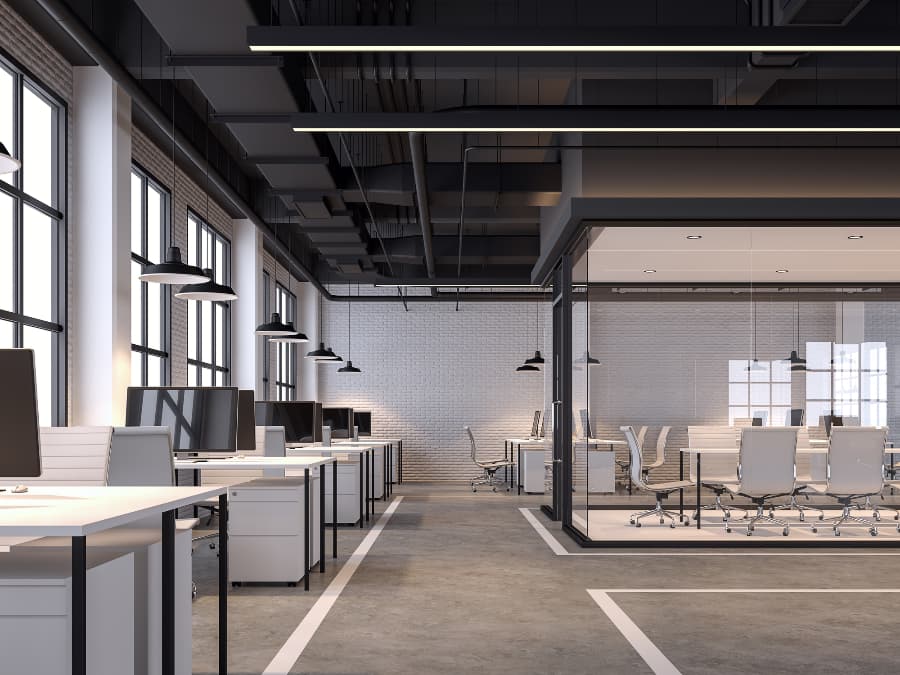
Living area lighting design principles are primarily intended for spaces that emulate residential comfort and ambiance, promoting relaxation, warmth, and a sense of personal space. While traditionally associated with homes, these design concepts can be effectively adapted to certain areas within hotels, malls, and offices—specifically in zones meant to foster comfort, social interaction, or extended dwell time.
In hotels, living area lighting design is best applied in guest rooms, lounges, and hospitality areas such as lobby seating zones or executive lounges. These spaces benefit from layered lighting—combining ambient, task, and accent lighting—to create a welcoming and homelike atmosphere. For instance, using warm color temperature LEDs (2700K–3000K), dimmable fixtures, and indirect lighting can enhance guest comfort and support circadian rhythms. Installation tips include placing wall sconces or floor lamps near seating areas to reduce glare and provide soft illumination, integrating bedside reading lights with adjustable arms, and using recessed downlights with diffusers to eliminate harsh shadows.
In malls, living area lighting can be incorporated into rest zones, family lounges, or upscale retail environments aiming to create a boutique or home-like shopping experience. These areas should avoid the bright, uniform lighting typical of main corridors and instead use decorative pendants, table lamps, or track lighting to highlight displays and create intimate pockets. Installation should focus on flexibility—using dimmers and smart controls to adjust lighting based on time of day or event. Ensure fixtures are positioned to avoid direct glare while maintaining visual interest and warmth.
In offices, living area lighting is increasingly used in break rooms, collaborative lounges, and informal meeting areas to encourage relaxation and creative thinking. Moving away from standard overhead fluorescent lighting, these zones can feature adjustable floor lamps, LED strips under shelves, or warm-toned ceiling fixtures. Installation should prioritize user control—providing switches or apps to modify light levels—and ensure balanced light distribution to prevent eye strain. Avoid placing bright light sources directly in the line of sight and consider integrating natural light with automated shading systems to maintain comfort.
In all applications, use high CRI (90+) LED lighting to render colors accurately and enhance visual comfort. Ensure compatibility with building management or smart lighting systems for energy efficiency and operational flexibility. Always follow local electrical codes and conduct a lighting simulation or mock-up before full-scale installation to evaluate ambiance and functionality.
Why Choose Beauty STC Lighting
Transform your living space with lighting that elevates both comfort and style through expert living area design. At Beauty STC, our engineering team specializes in human-centric LED solutions tailored to your unique residential environment, ensuring seamless integration of ambiance, functionality, and energy efficiency. We move beyond basic illumination to craft layered lighting schemes that adapt to daily routines and enhance well-being.
Partner with Beauty STC to receive a complimentary technical consultation where our senior engineers analyze your spatial requirements, natural light conditions, and aesthetic vision. We deliver precise photometric planning, fixture recommendations, and implementation support to create living areas that feel intuitively welcoming. Contact our dedicated design manager today at [email protected] to initiate a lighting strategy engineered for lasting impact. Let us translate your spatial aspirations into luminous reality with scientifically validated design principles.
⚡ LED Power Supply Calculator
Estimate the power supply needed for your LED strip project.