
Article Contents
Industry Insight: Lighting For Hallway
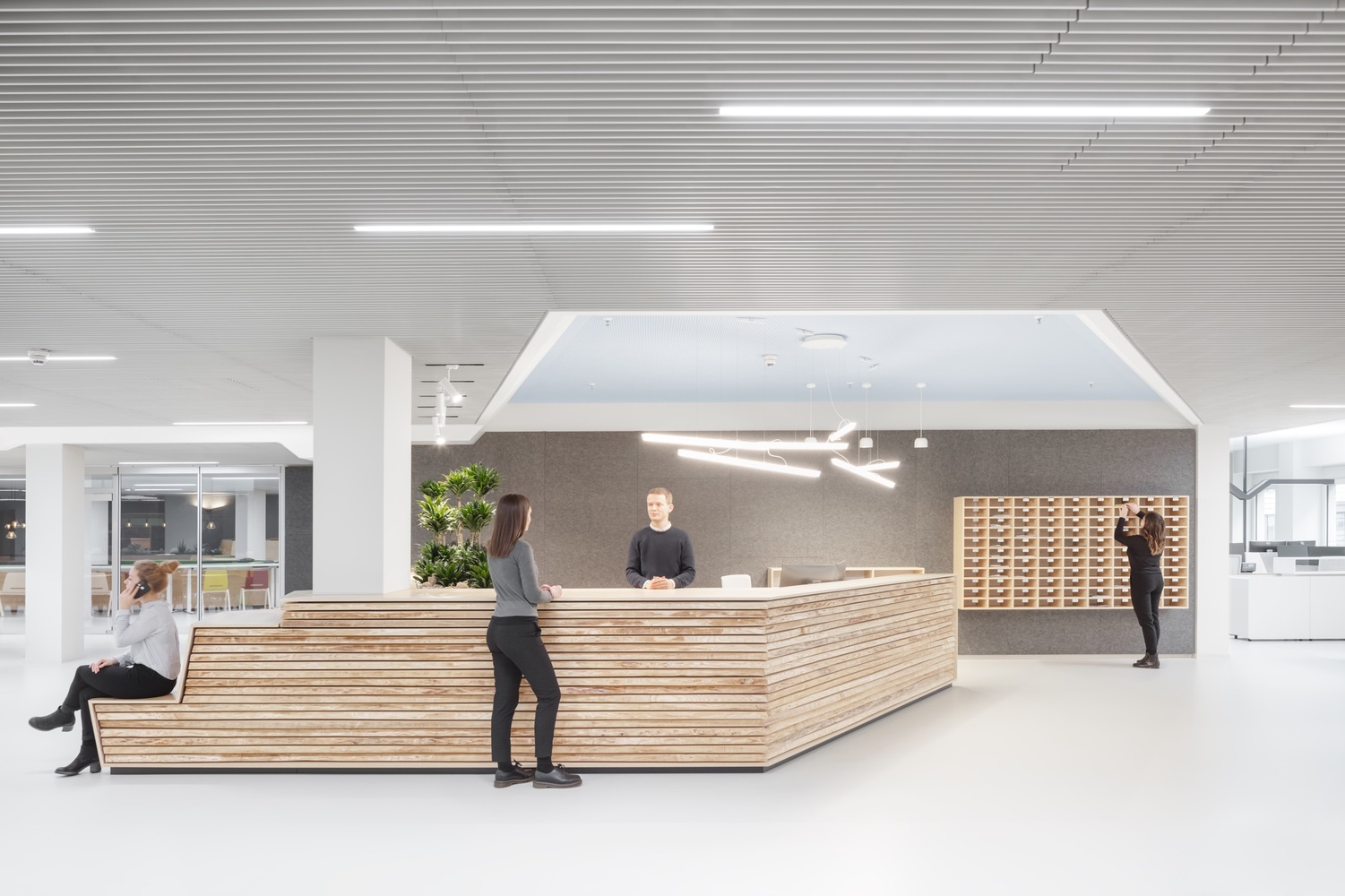
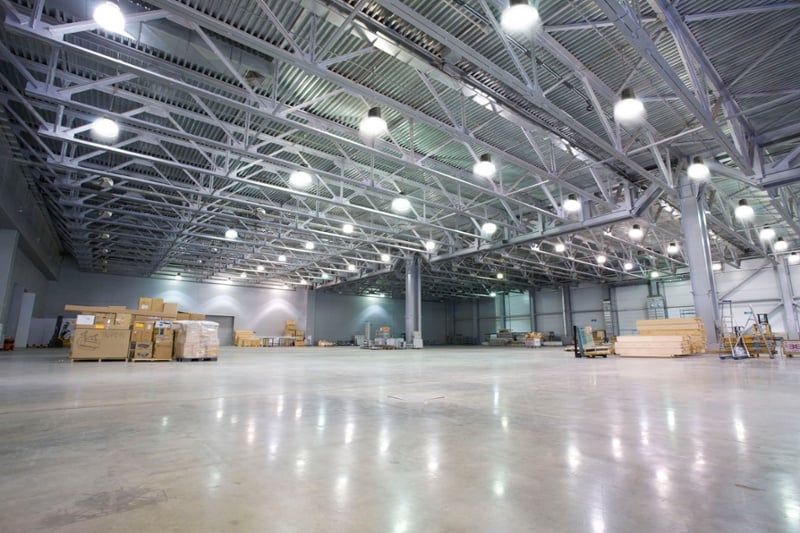
Hallway lighting in commercial and industrial environments plays a critical role in ensuring safety, functionality, and energy efficiency across facilities such as office buildings, warehouses, hospitals, and manufacturing plants. Unlike residential applications, commercial and industrial hallways demand durable, high-performance lighting solutions designed for continuous operation, low maintenance, and compliance with stringent safety standards. Lighting fixtures must provide uniform illumination to support visibility and wayfinding while enduring challenging conditions such as temperature fluctuations, dust, and vibration. To meet these demands, certified products bearing ETL and CE marks are essential, ensuring adherence to North American and international safety and electromagnetic compatibility regulations. These certifications are not just compliance benchmarks but also indicators of reliability and quality for facility managers and electrical contractors.
Beauty (STC) Manufacturing Co., Ltd., established in 1998, has emerged as a trusted leader in the commercial and industrial LED lighting industry. With over two decades of engineering expertise, Beauty STC specializes in designing and manufacturing high-efficiency, code-compliant lighting solutions tailored for demanding environments. Our hallway lighting systems are rigorously tested and certified to meet ETL and CE standards, delivering long service life, optimal lumen output, and seamless integration into modern building infrastructures. As sustainability and operational efficiency become central to facility design, Beauty STC continues to innovate, offering intelligent, durable, and code-ready lighting solutions that support the evolving needs of the commercial and industrial sectors.
Technical Specs & Certifications
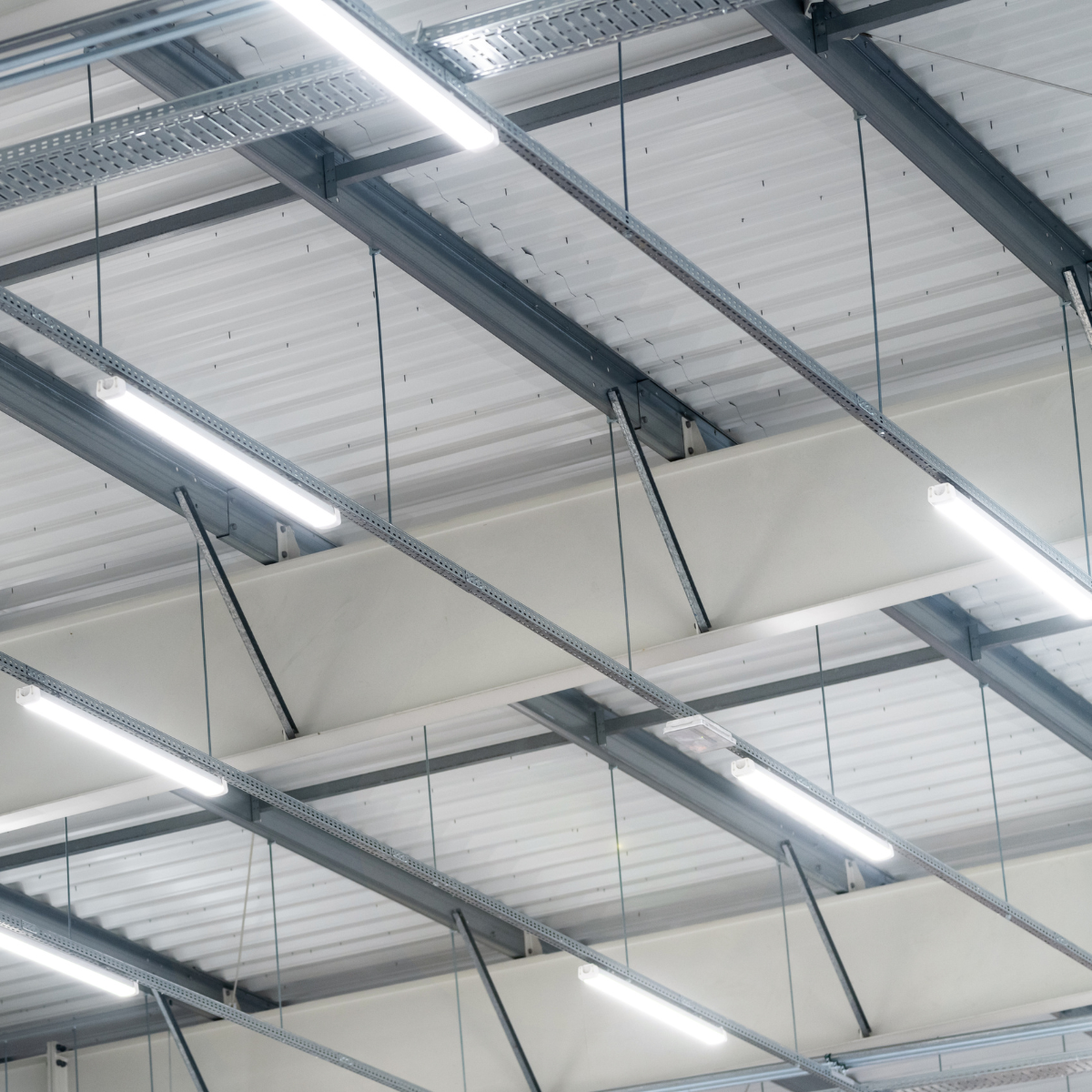
Hallway lighting requires precise technical specifications to balance energy efficiency, visual comfort, and durability. At Beauty STC Manufacturing Co., Ltd., our engineered solutions prioritize these critical parameters while ensuring long-term reliability through rigorous quality control. For standard interior hallways, we specify LED luminaires delivering a minimum of 120 lumens per watt at full operational output. This efficiency benchmark is consistently achieved through our proprietary driver topology and optimized thermal management systems, which prevent lumen depreciation under continuous operation. Our fixtures undergo independent laboratory verification to confirm real-world lm/W performance, not just theoretical chip-level metrics, ensuring clients realize actual energy savings throughout the product lifecycle.
Color Rendering Index (CRI) is non-negotiable for safety and ambiance in transitional spaces. All Beauty STC hallway luminaires maintain a minimum CRI of Ra 92, with R9 (saturated red) values exceeding 50. This exceeds the requested CRI >90 threshold to accurately render skin tones, signage, and environmental details—critical for wayfinding and security. We achieve this through multi-phosphor LED arrays with tight spectral distribution control, implemented via our binning process that groups LEDs by chromaticity coordinates within a 3-step MacAdam ellipse. This eliminates the greenish or pinkish casts common in lower-quality fixtures, ensuring consistent, natural illumination that reduces eye fatigue during prolonged exposure.
IP ratings are determined by hallway environment classification. For standard dry interior corridors (e.g., office buildings, residential apartments), IP20 is sufficient to protect against finger access and large particulates. However, Beauty STC proactively designs all hallway fixtures with sealed optical compartments even at this rating, preventing dust ingress into critical thermal pathways—a key differentiator from competitors. For damp locations such as hotel corridors near pools, exterior-access hallways, or healthcare facility transition zones, we deploy IP44-rated luminaires. These feature gasketed polycarbonate diffusers and corrosion-resistant housings tested to IEC 60529 standards, with ingress protection verified through 10-hour water spray simulations at 10L/min flow rates. Critical for longevity, our IP44 fixtures maintain thermal performance through vented heat sinks with hydrophobic membranes that equalize pressure without permitting moisture entry.
Beauty STC’s quality commitment manifests in every specification. Our hallway luminaires undergo 1,000-hour accelerated life testing at 75°C ambient temperature, with thermal paste application monitored via inline cameras to ensure 100% heatsink contact. We enforce a maximum 5% lumen maintenance deviation at 25°C over 50,000 hours (L90/B10), validated by TM-21 calculations using LM-80 data from certified third parties. All components—from Mean Well drivers to Samsung LEDs—adhere to our zero-defect procurement protocol, with final assembly in ISO 9001-certified cleanrooms. This systematic approach delivers not just compliant specifications, but predictable performance where it matters most: in the daily experience of building occupants and the total cost of ownership for facility managers. Our 5-year warranty reflects confidence in these engineering standards, backed by UL/ETL safety certifications and DLC Premium qualification for maximum utility rebates.
Factory Tour: Manufacturing Excellence
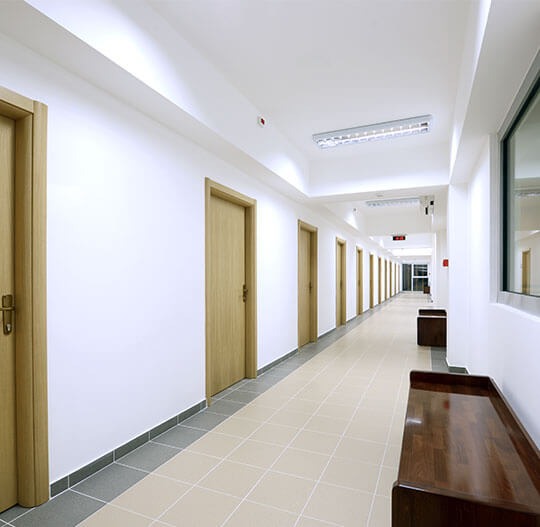
Beauty (STC) Manufacturing Co., Ltd. operates a modern and well-equipped manufacturing facility in Jiangmen, Guangdong Province, strategically located to support efficient production and logistics for both domestic and international markets. The Jiangmen factory is designed to meet high standards of quality control and manufacturing efficiency, particularly in the production of LED lighting products for various applications, including specialized solutions such as lighting for hallways.
The facility is equipped with advanced Surface Mount Technology (SMT) production lines, which are critical for the precise and reliable assembly of LED lighting components. These SMT machines ensure high-speed placement of surface-mount devices onto printed circuit boards (PCBs), delivering consistent soldering quality and minimizing defects. The use of automated optical inspection (AOI) systems integrated with the SMT lines allows for real-time monitoring and quality assurance during the manufacturing process.
To ensure product longevity and reliability, Beauty STC implements rigorous aging tests as part of its quality assurance protocol. After assembly, lighting products undergo extended operational testing under controlled conditions that simulate real-world usage. This includes thermal stress testing, continuous operation at full load, and performance monitoring over periods ranging from 48 to 72 hours or more. These tests help identify early failures and verify stability, ensuring that only durable and high-performing products reach customers.
Beauty STC has strong OEM (Original Equipment Manufacturing) capabilities, making it well-suited to deliver customized lighting solutions for hallways and similar environments. The company works closely with clients to develop tailored products based on specific requirements such as light output (lumens), color temperature (typically 3000K–4000K for hallways), energy efficiency, dimming functionality, and design aesthetics. Whether it’s linear LED panels, ceiling-mounted fixtures, or recessed downlights, the OEM process includes custom labeling, packaging, and compliance with regional safety and certification standards (such as CE, RoHS, or CCC).
The combination of advanced SMT technology, comprehensive aging tests, and flexible OEM services enables Beauty STC to deliver high-quality, reliable, and customized LED hallway lighting solutions that meet the demands of commercial, residential, and institutional projects.
Application Scenarios
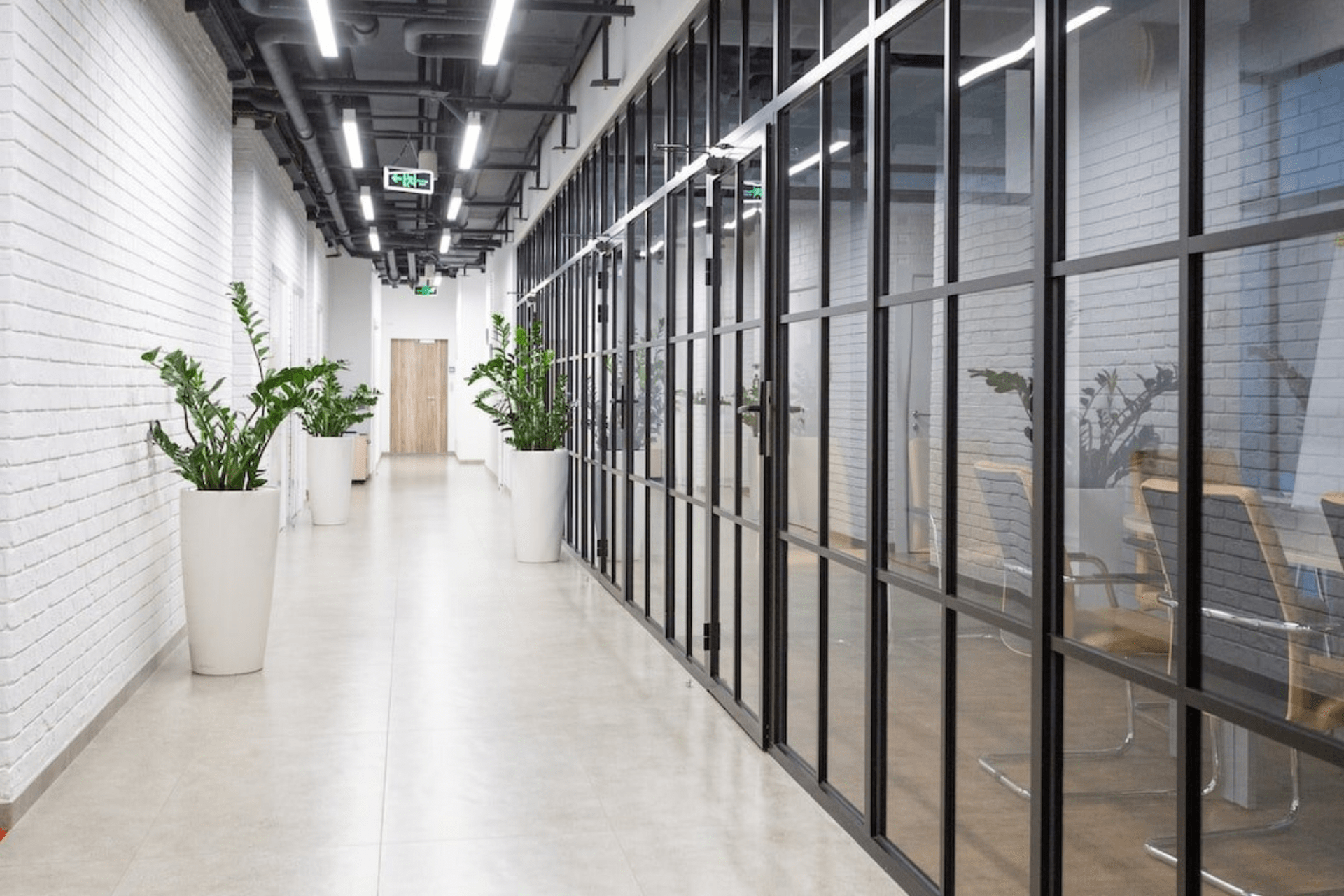
Hallway lighting serves distinct functional and aesthetic purposes across hotels, malls, and offices, requiring tailored approaches for each environment. In hotels, hallway lighting must balance guest comfort, safety, and brand ambiance. Corridors leading to guest rooms demand warm, dimmable illumination (typically 2700K–3000K) to create a welcoming atmosphere while ensuring clear visibility of room numbers and emergency signage. Critical areas include elevator lobbies, stairwells, and intersections where higher light levels (150–200 lux) prevent disorientation. Luxury properties often integrate cove lighting or discreet downlights to minimize glare and enhance spatial perception, while budget-conscious establishments prioritize uniform, shadow-free illumination with robust fixtures resistant to frequent cleaning.
Mall hallways, or pedestrian corridors, face high foot traffic and diverse activities, necessitating durable, high-output lighting. These spaces require bright, neutral-white light (3500K–4000K) at 200–300 lux to highlight retail entrances, directories, and security features while maintaining visual continuity across expansive areas. Fixtures must withstand vibrations from crowds and potential impacts, favoring IK08-rated or vandal-resistant designs. Critical considerations include seamless integration with skylights in atriums to avoid stark contrasts and strategic placement near escalators or restrooms where safety risks increase. Energy efficiency is paramount here due to extended operating hours, making motion sensors in low-traffic service corridors essential.
Office building hallways prioritize productivity and professional aesthetics, with cooler color temperatures (3500K–4000K) promoting alertness. Light levels should be consistent at 200–300 lux to support tasks like reading notices or navigating to meeting rooms, avoiding harsh shadows that cause eye strain. Open-plan offices benefit from linear LED strips that echo architectural lines, while executive floors may use adjustable accent lighting to convey prestige. Emergency egress compliance is non-negotiable; exit signs and pathway markers must remain visible during power failures, requiring battery-backed fixtures spaced per local fire codes.
Installation demands meticulous planning regardless of setting. Always begin with a photometric study to determine optimal fixture spacing—typically 1.2 to 1.5 times the ceiling height for uniformity—and avoid placing lights directly above doorways to prevent dark zones. In hotels, conceal wiring within suspended ceilings to maintain clean aesthetics, and use dimmable drivers compatible with building management systems for nighttime curfew modes. For malls, prioritize easy-access housings since maintenance crews often work overnight; seal outdoor-adjacent fixtures to IP54 standards against dust and moisture ingress. Offices require strict adherence to emergency lighting regulations, with self-testing units installed every 15 meters along escape routes. Crucially, verify all fixtures meet regional safety certifications (e.g., UL, CE) and conduct glare assessments using UGR tables—especially where reflective flooring exists. Finally, coordinate with architects early to integrate lighting into ceiling grids, ensuring HVAC vents or sprinklers don’t obstruct beam angles.
Why Choose Beauty STC Lighting
Transform your hallway lighting with innovative, energy-efficient solutions from Beauty STC. As a trusted leader in LED lighting manufacturing, we specialize in high-quality, durable lighting products designed to enhance both functionality and aesthetics in residential and commercial hallways. Partner with Beauty STC to access custom lighting solutions, competitive pricing, and expert technical support. For inquiries and personalized service, contact our team at [email protected] and discover how we can illuminate your next project with excellence.
⚡ LED Power Supply Calculator
Estimate the power supply needed for your LED strip project.