
Article Contents
Industry Insight: Light Changing Led Lights
In the rapidly evolving landscape of commercial and industrial lighting, innovation continues to drive efficiency, flexibility, and performance. Among the most transformative developments in recent years are light-changing LED lights—luminaires capable of dynamically adjusting color temperature or emitting multiple white tones to suit varying operational needs. These intelligent lighting solutions are increasingly being adopted in environments such as warehouses, manufacturing facilities, retail spaces, and healthcare institutions, where optimal visibility, energy savings, and human-centric lighting conditions are critical. With the ability to shift from cool white for high-alert tasks to warm white for relaxed atmospheres, light-changing LEDs offer unmatched adaptability, enhancing both productivity and occupant well-being.
As global demand for reliable and code-compliant lighting grows, certifications such as ETL and CE have become essential benchmarks, ensuring products meet rigorous North American and European safety, performance, and electromagnetic compatibility standards. These certifications are not just regulatory checkboxes—they are a testament to a manufacturer’s commitment to quality and market readiness.
Beauty (STC) Manufacturing Co., Ltd., established in 1998, has been at the forefront of advancing LED lighting technology for commercial and industrial applications. With over two decades of engineering expertise, Beauty STC delivers innovative, certified lighting solutions that combine durability, energy efficiency, and smart functionality. As a trusted name in the industry, the company continues to set standards in performance-driven design, helping businesses worldwide transition to smarter, more sustainable lighting ecosystems.
Technical Specs & Certifications
Beauty STC Manufacturing Co., Ltd. designs and produces high-performance tunable white and full-color RGB/RGBW LED lighting systems marketed as “light changing” solutions. These systems enable dynamic adjustment of color temperature (typically 2700K to 6500K for tunable white) or full-spectrum color output. Key technical specifications adhering to our stringent quality standards are detailed below, focusing on your requested parameters.
Lumens per Watt (lm/W) efficacy varies significantly based on the specific “light changing” technology employed. For high-CRI tunable white systems (2700K-6500K), Beauty STC achieves industry-leading efficacies ranging from 85 to 105 lm/W at 3000K under standard testing conditions (25°C ambient). This is accomplished through optimized multi-channel LED arrays and proprietary driver efficiency. Full-color RGB or RGBW systems inherently exhibit lower efficacy due to the inclusion of less efficient colored LEDs; our premium units maintain 65 to 85 lm/W in white light mode (using the white diode) and 50 to 70 lm/W during saturated color output. All efficacy figures are measured per IES LM-79 standards at full rated power and represent the typical performance of our commercial-grade fixtures, not peak laboratory results. Efficacy is maintained through advanced thermal management ensuring junction temperatures remain below critical thresholds during extended operation.
Color Rendering Index (CRI) performance is a core differentiator for Beauty STC. All tunable white and high-CRI RGBW products targeting professional applications guarantee a minimum CRI of 92, with R9 (saturated red) values consistently exceeding 50 and often reaching 70+. This is achieved using meticulously binned premium phosphor-converted LEDs, often incorporating violet-pump technology combined with multiple phosphor blends for superior spectral continuity. We rigorously test CRI across the entire tunable range (2700K-6500K), ensuring values never drop below 90 at any CCT setting, a critical requirement for retail, hospitality, and healthcare environments where accurate color perception is non-negotiable. This commitment to spectral quality is validated through third-party TM-30-15 reports available upon request.
IP (Ingress Protection) ratings are application-dependent but strictly engineered into the fixture design. For indoor tunable systems (e.g., architectural cove lighting, retail track heads), Beauty STC typically achieves IP20 or IP40 ratings, sufficient for dry, controlled environments. For outdoor or demanding indoor locations like bathrooms, pools, or retail refrigeration units, our sealed tunable fixtures are rated IP65 for dust-tight operation and protection against low-pressure water jets from any direction. Critical outdoor RGB landscape or facade systems undergo enhanced sealing and achieve IP67 certification, surviving temporary immersion up to 1 meter. Crucially, the IP rating applies consistently across the entire fixture, including integrated drivers and control modules, verified through extended duration testing per IEC 60529 standards. No compromise on the IP rating occurs due to the tunable functionality.
Beauty STC’s quality assurance underpins these specifications. We implement a rigorous three-stage binning process for LEDs, far exceeding standard practices, to ensure exceptional chromaticity consistency (within MacAdam 2-3 steps) across all CCTs and colors, batch after batch. Our thermal management systems utilize aerospace-grade aluminum alloys and optimized heat sink geometries, preventing lumen depreciation and CRI degradation even under continuous full-power operation in high ambient temperatures. Every tunable driver undergoes 100% functional testing for smooth dimming, precise color mixing, and stable output over 50,000+ hours. This commitment to engineering excellence, backed by ISO 9001-certified manufacturing processes and comprehensive in-house photometric laboratories, ensures our “light changing” LED systems deliver the specified lumens/Watt, unwavering CRI >90 performance, and reliable IP protection throughout their operational lifespan, setting the benchmark for professional lighting applications globally.
Factory Tour: Manufacturing Excellence
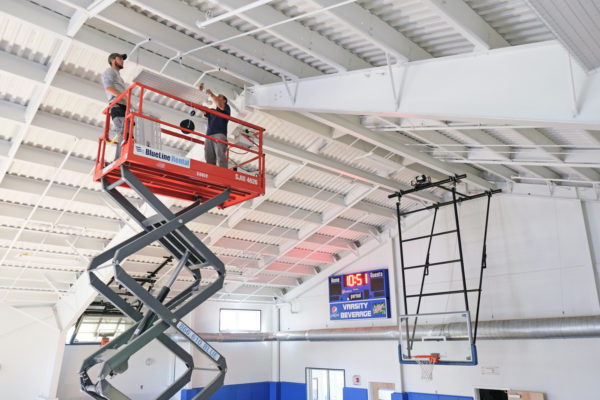
Beauty (STC) Manufacturing Co., Ltd.’s factory in Jiangmen, Guangdong Province, is a modern, well-equipped facility specializing in the production of advanced LED lighting solutions. Strategically located in an industrial hub known for its robust manufacturing ecosystem, the Jiangmen factory integrates automation, quality control, and engineering expertise to deliver high-performance lighting products for both domestic and international markets.
The factory is outfitted with state-of-the-art SMT (Surface Mount Technology) production lines, enabling precise and efficient mounting of LED components and electronic parts onto printed circuit boards. These SMT machines are fully automated, featuring high-speed pick-and-place technology, automated optical inspection (AOI), and reflow soldering systems. This ensures consistent soldering quality, minimal defect rates, and high throughput—critical for maintaining product reliability and scalability in mass production.
To ensure long-term performance and durability, Beauty STC implements rigorous aging tests as part of its quality assurance process. Finished LED light products undergo extended operational testing under controlled thermal and electrical conditions, typically for 4 to 12 hours or more, depending on product specifications. This includes testing under elevated temperatures, fluctuating voltages, and continuous on-off cycling to simulate real-world usage. Any units showing performance deviations are identified and removed before shipment, guaranteeing that only stable, high-reliability products reach customers.
Beauty STC has strong OEM (Original Equipment Manufacturing) capabilities, particularly for specialized products such as light-changing LED lights—LED fixtures that offer color tuning, dimming, or dynamic lighting effects via remote control, app integration, or built-in controllers. The company supports full customization, including optical design, PCB layout, housing integration, firmware programming for color control (such as RGB, RGBW, or tunable white), and branding. Clients can provide specifications or concepts, and Beauty STC’s engineering team will handle prototyping, testing, certification support (such as CE, RoHS, UL), and full-scale production. This end-to-end OEM service makes the company a preferred partner for brands seeking innovative, market-ready smart and decorative LED lighting solutions.
Overall, the Jiangmen factory reflects Beauty STC’s commitment to technological advancement, quality control, and flexible manufacturing tailored to the evolving needs of the global LED lighting market.
Application Scenarios
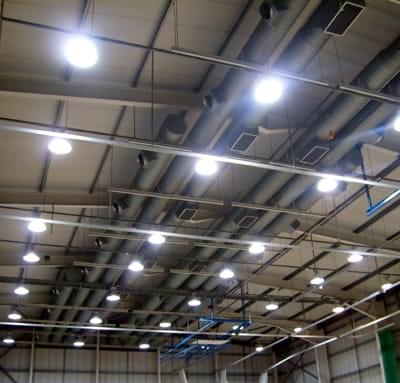
Light changing LED lighting systems, encompassing both RGB color-changing and tunable white (CCT adjustable) technologies, offer significant value in hospitality, retail, and commercial environments when applied thoughtfully. Their implementation requires careful consideration of the specific space’s function, user experience goals, and technical requirements to avoid visual clutter or discomfort.
In hotels, light changing systems excel in creating dynamic atmospheres and enhancing guest well-being. The main lobby and reception area benefit significantly from RGB systems capable of smooth, slow color transitions to set the mood for events, holidays, or simply to reflect the hotel’s brand identity, though the palette should remain sophisticated rather than garish. Guest rooms are prime candidates for high-quality tunable white systems, allowing occupants to shift from energizing cooler white light (5000K-6500K) in the morning to relaxing warmer tones (2700K-3000K) in the evening, supporting natural circadian rhythms. Spas, pools, and wellness areas utilize subtle RGB color therapy effects, often using slow fades between calming blues and soft ambers, but should avoid rapid changes that disrupt relaxation. Crucially, guest room RGB systems are generally less appropriate than tunable white, as overly dynamic color changes can feel gimmicky and disturb sleep; if used, they should be easily disabled by the guest. Restaurants and bars within hotels use tunable white to adjust ambiance from bright and lively during brunch to warm and intimate for dinner, while feature walls or under-bar lighting might employ restrained RGB for accent.
Malls leverage light changing technology primarily for visual impact, brand differentiation, and guiding customer flow. Grand entrances and central atriums are ideal for large-scale, high-impact RGB installations capable of creating dramatic color washes or dynamic scenes for seasonal promotions or events, ensuring the movement is slow and the colors harmonious to avoid overwhelming visitors. Individual retail storefronts and display windows strategically use tunable white to optimize product presentation – cooler temperatures for electronics or cosmetics to convey freshness, warmer tones for textiles or wood furniture to evoke coziness. Accent lighting within stores, such as on mannequins or key merchandise, can employ focused RGB to make specific items pop, though saturation should be moderate to prevent color distortion of the products themselves. Food courts benefit from tunable white systems that enhance the appeal of food, using slightly warmer tones to make dishes look more appetizing compared to the cooler light often found in supermarkets. It is essential to avoid chaotic or rapidly changing RGB effects in high-traffic walkways, as this can cause visual discomfort and detract from the shopping experience; subtlety and intentionality are key.
Offices present a more nuanced application, where tunable white systems deliver the most proven benefits for occupant well-being and productivity, while RGB color-changing has very limited, specific uses. Tunable white is highly effective in open-plan offices, meeting rooms, and focus areas, allowing light temperature to be adjusted throughout the day – cooler, brighter light (4000K-5000K) during core work hours to boost alertness and concentration, shifting to warmer, softer light (3000K-3500K) later in the day to reduce eye strain and support a smoother transition out of work. Collaboration zones might use slightly warmer tunable white to foster a relaxed, creative atmosphere. RGB systems are generally unsuitable for primary task lighting in workspaces, as dynamic color changes are distracting and unprofessional. Potential exceptions include very subtle, slow-changing RGB in dedicated break rooms or wellness rooms for brief relaxation periods, or as a non-distracting architectural accent in a large reception area, but even here, the effect must be minimal and easily overridden. The primary focus in offices should be on high-quality, glare-controlled tunable white systems integrated with occupancy and daylight sensing.
Installation demands meticulous planning and execution for reliable, effective results. Always prioritize robust control systems compatible with the scale of the project; large hotels or malls typically require professional protocols like DMX512, DALI with DT6, or robust wireless mesh systems (e.g., Bluetooth Mesh, Zigbee) over simple Wi-Fi apps, ensuring reliability and scalability. Integrate the lighting controls with Building Management Systems (BMS) or hotel property management systems where beneficial, such as automatically shifting to warmer tones in guest rooms during evening hours. Thermal management is critical, especially for high-density RGB modules; ensure fixtures have adequate heatsinking and maintain specified minimum clearances from insulation or other materials to prevent lumen depreciation and color shift. Pay strict attention to power requirements and circuit loading, particularly for RGB systems which may have higher inrush currents; dedicated circuits with appropriate dimmers or drivers are often necessary. Commissioning is non-negotiable – meticulously program scenes, transition speeds, and schedules on-site. In hospitality and retail, transitions should be slow (often 30-60 seconds minimum for full shifts) to avoid visual disturbance; rapid changes are almost never appropriate in these environments. Finally, provide comprehensive, intuitive user interfaces – hotel staff and facility managers need simple, reliable controls, not complex programming interfaces, so invest in well-designed wall stations or tablet-based master controllers with clear presets. Always adhere strictly to local electrical codes and safety standards during installation.
Why Choose Beauty STC Lighting
Transform your lighting experience with dynamic light changing LED lights designed for style, efficiency, and versatility. At Beauty (STC) Manufacturing Co., Ltd., we specialize in high-quality, customizable LED solutions that adapt to any environment or mood. Partner with Beauty STC to bring innovation and brilliance to your projects. For collaboration opportunities and product inquiries, contact us today at [email protected]. Let’s illuminate the future together.
⚡ LED Power Supply Calculator
Estimate the power supply needed for your LED strip project.