
Article Contents
Industry Insight: Led Lights Room Ideas
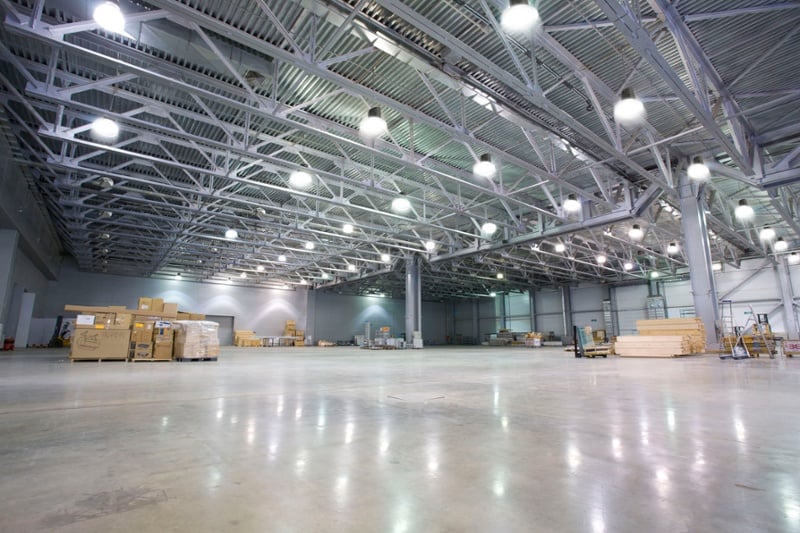
The commercial and industrial lighting landscape has undergone a transformative evolution with the widespread adoption of LED technology, driven by the demand for energy efficiency, durability, and smart integration. As businesses seek to optimize operational costs and reduce environmental impact, LED lighting has emerged as the cornerstone of modern facility design. In environments ranging from warehouses and manufacturing plants to retail spaces and office buildings, thoughtful LED lighting solutions not only enhance visibility and safety but also contribute to improved productivity and aesthetic appeal. Critical to this shift are compliance standards such as ETL and CE certifications, which ensure that lighting products meet rigorous safety, performance, and electromagnetic compatibility requirements—essential considerations for any commercial or industrial application.
At the forefront of this lighting revolution is Beauty (STC) Manufacturing Co., Ltd., a trusted name in the industry since its founding in 1998. With over two decades of experience, Beauty STC has established itself as a leading innovator and manufacturer of high-quality, code-compliant LED lighting solutions tailored for commercial and industrial use. Combining cutting-edge optical design with robust engineering, the company delivers products that meet both ETL and CE standards, ensuring reliability and peace of mind for clients worldwide. As facilities continue to demand smarter, more sustainable lighting strategies, Beauty STC remains committed to advancing the possibilities of LED technology through innovation, quality, and industry expertise.
Technical Specs & Certifications
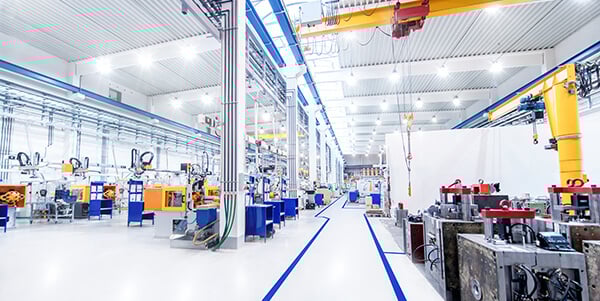
When specifying LED lighting for residential or commercial room applications, achieving optimal performance requires careful attention to three critical technical parameters: system efficacy measured in lumens per watt, color rendering accuracy quantified by CRI, and environmental protection indicated by IP ratings. These elements directly impact energy efficiency, visual comfort, and product longevity across diverse room settings.
System efficacy, expressed as lumens per watt (lm/W), represents the total light output delivered per unit of electrical power consumed. For modern interior spaces, target a minimum of 110 lm/W for general ambient lighting in living rooms and bedrooms, while task-oriented areas like kitchens or home offices should achieve 120 lm/W or higher. These values reflect real-world system performance inclusive of driver losses and thermal management, not just bare LED chip metrics. Higher efficacy reduces operational costs significantly over the fixture’s lifespan without compromising light quality. Beauty STC rigorously tests all luminaires under IES LM-79 conditions to guarantee published efficacy values, ensuring our LED panels and downlights consistently exceed 115 lm/W in standard configurations through advanced thermal design and high-efficiency constant-current drivers.
Color Rendering Index (CRI) must exceed 90 for any application where accurate color perception is essential, such as in retail dressing rooms, art studios, or residential kitchens where food preparation occurs. A CRI >90 indicates faithful reproduction of saturated colors, particularly critical reds (R9 value >50) for skin tones and natural materials. Merely meeting Ra>90 is insufficient; Beauty STC specifies minimum R9>55 and R12>80 in all high-CRI products using multi-phosphor LED arrays. Our proprietary binning process ensures chromaticity consistency within a 3-step MacAdam ellipse (SDCM ≤3), preventing visible color shifts between fixtures. This commitment to spectral quality means our LED strips and recessed modules render fabrics, wood finishes, and skin tones naturally in living spaces while maintaining energy efficiency.
IP (Ingress Protection) ratings dictate suitability for specific room environments based on exposure to dust and moisture. For dry interior zones like bedrooms or hallways, IP20 suffices. In kitchens near cooking surfaces or utility rooms, IP44 provides adequate splash resistance. Bathrooms require strict zoning: IP44 for zones 2 and 3 (outside immediate shower area), and IP65 for zone 1 (directly above showers/baths) to withstand steam and direct water jets. Beauty STC’s bathroom-rated luminaires undergo 1,000-hour continuous humidity testing at 85°C/85% RH, exceeding IEC 60598 standards. Our sealed optical chambers and marine-grade silicone gaskets ensure no lumen depreciation or component corrosion occurs even in high-moisture environments, validated through third-party IP65 certification.
Integrating these specifications defines Beauty STC’s engineering philosophy. Our LED solutions deliver 118-125 lm/W system efficacy with CRI>92 (R9>60) across the 2700K-4000K CCT range while maintaining robust IP ratings. Every product undergoes 10,000-hour accelerated life testing with strict L90/B10 maintenance criteria, ensuring 50,000-hour useful life under real-world conditions. This trifecta of efficiency, color fidelity, and environmental resilience—backed by ISO 9001-certified manufacturing and full photometric reports—makes Beauty STC luminaires ideal for discerning applications where performance and longevity are non-negotiable.
Factory Tour: Manufacturing Excellence
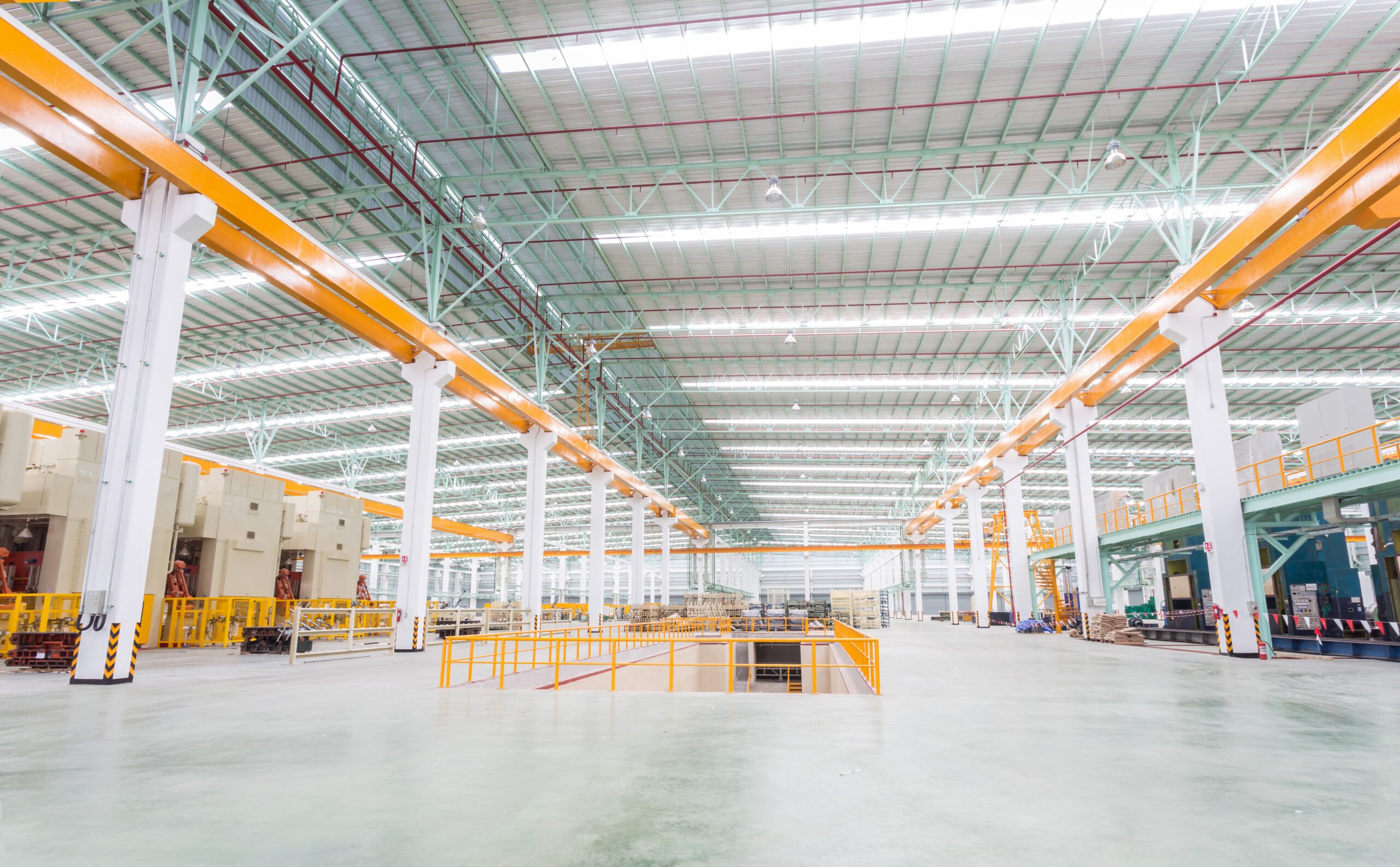
Beauty (STC) Manufacturing Co., Ltd. operates a modern and well-equipped manufacturing facility in Jiangmen, Guangdong Province, a region known for its strong industrial base and supply chain advantages in electronics and lighting. The Jiangmen factory is purpose-built for the production of high-quality LED lighting products and is designed to support both large-scale manufacturing and customized OEM solutions.
The facility is outfitted with advanced Surface Mount Technology (SMT) production lines, which ensure precision and efficiency in assembling LED components onto printed circuit boards. These SMT machines are fully automated and include high-speed pick-and-place units, reflow soldering systems, and automatic optical inspection (AOI) equipment. This level of automation not only enhances production speed and consistency but also significantly reduces defects, ensuring that each lighting unit meets strict quality standards.
Quality assurance is a core focus at the Jiangmen plant, and this is reflected in its comprehensive aging test procedures. After assembly, every LED light product undergoes a rigorous aging process that typically lasts between 4 to 12 hours under controlled conditions. During this time, lights are powered continuously at rated voltage to identify early failures, verify thermal performance, and ensure long-term reliability. Additional testing includes photometric analysis, electrical safety checks, and environmental simulations such as high-temperature and humidity exposure.
Beauty STC has strong OEM and ODM capabilities, making it a preferred partner for clients seeking customized LED lighting solutions. For projects related to ‘LED lights room ideas’—such as ambient lighting, decorative fixtures, smart RGB systems, or functional task lighting—the company offers end-to-end development support. This includes custom design, prototyping, circuit engineering, firmware programming for smart features, and tailored packaging. Whether for residential, commercial, or hospitality applications, Beauty STC works closely with clients to transform conceptual lighting ideas into manufacturable, code-compliant, and market-ready products.
The Jiangmen factory combines technical expertise, scalable production capacity, and a commitment to quality, enabling Beauty STC to serve global markets with reliable, innovative, and customized LED lighting solutions.
Application Scenarios
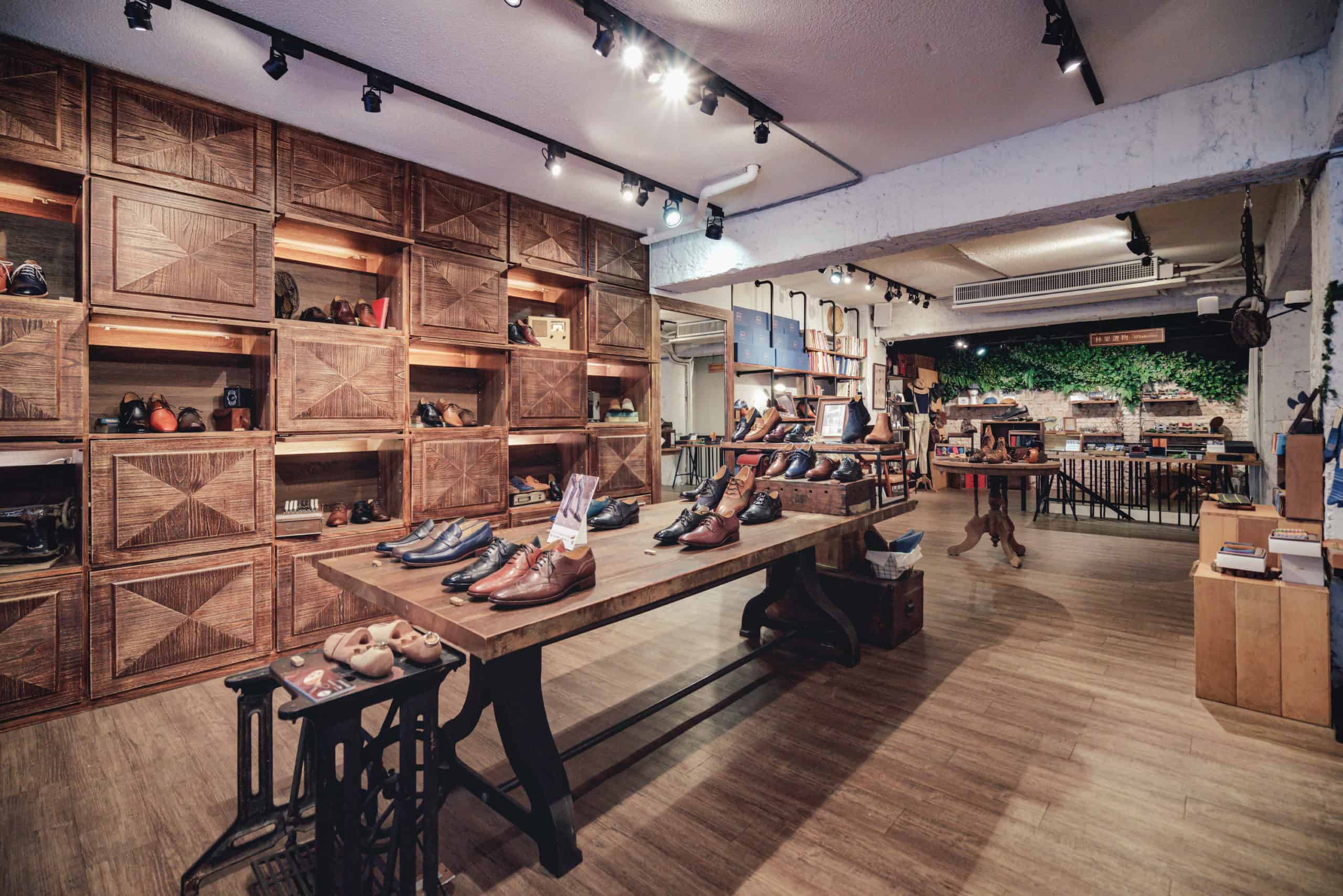
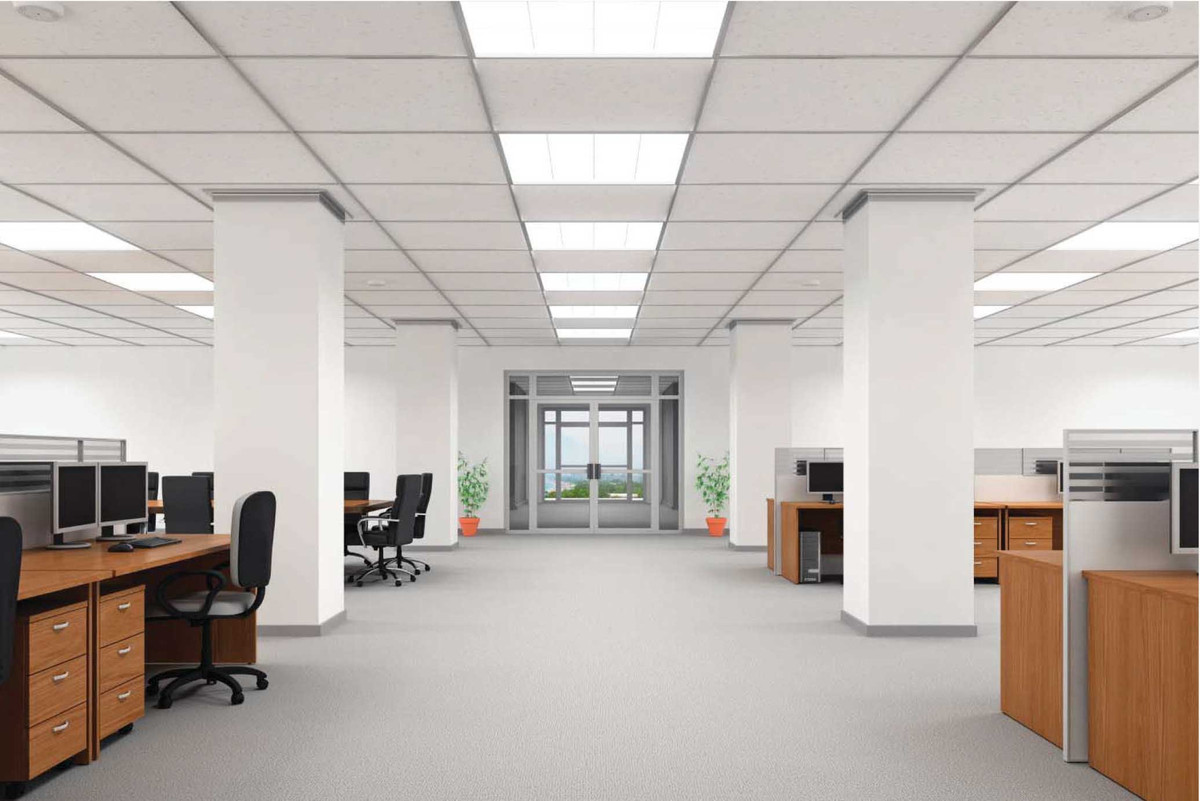
LED lighting solutions for commercial environments like hotels, malls, and offices require strategic application to enhance functionality, aesthetics, and energy efficiency. Each space presents unique demands that influence fixture selection and placement. In hotels, focus on creating ambiance and versatility. Lobby areas benefit from layered LED lighting including statement chandeliers or linear coves for grandeur combined with adjustable wall washers to highlight art. Guest rooms require flexible systems such as dimmable ceiling panels paired with integrated bedhead task lighting and under-cabinet illumination in minibars. Corridors should utilize low-glare, uniform LED troffers or recessed downlights with motion sensors for safety and energy savings during off-peak hours. Malls demand lighting that drives retail engagement and navigational clarity. Entrances and atriums need high-lumen LED floodlights or custom luminaires to create visual impact. Retail storefronts require high-CRI track lighting or adjustable spotlights to accurately render merchandise colors while accentuating displays. Common walkways function best with consistent, glare-controlled LED high bays or linear suspended fixtures ensuring safe pedestrian flow. Feature zones like food courts benefit from warm, inviting pendant clusters that define spaces without overwhelming diners. Office environments prioritize productivity and well-being through human-centric design. Open-plan workspaces should implement tunable white LED panels that adjust color temperature throughout the day to support circadian rhythms. Conference rooms need fully dimmable, high-CRI fixtures with precise beam control for video conferencing clarity. Individual workstations require integrated LED task lights with minimized blue light emission. Breakout areas can incorporate dynamic color-changing LEDs to stimulate creativity during collaborative sessions.
Critical installation considerations begin with thermal management as inadequate heat dissipation drastically shortens LED lifespan. Always ensure fixtures have sufficient airflow space especially in enclosed ceiling cavities and use thermal paste on high-power COB modules. Verify dimming compatibility early by cross-referencing driver specifications with control systems to prevent flicker or limited range—0-10V systems offer reliable commercial dimming. Maintain consistent color temperature across all fixtures within a visual field by insisting on binning reports from manufacturers with MacAdam ellipse steps ≤3 for critical applications like retail. Address voltage drop in long cable runs by calculating wire gauge requirements upfront and using 24V DC systems with localized power supplies for low-voltage strips. Prioritize IP ratings appropriate for the environment such as IP65 for mall food court zones or hotel pool areas. Finally, implement precise aiming for accent lighting using adjustable trunnions and conduct post-installation lux measurements to confirm uniformity meets IES standards for each space type. Rigorous adherence to these practices ensures optimal performance, longevity, and alignment with Beauty (STC)’s engineering standards for commercial LED deployments.
Why Choose Beauty STC Lighting
Transform your space with innovative LED lights room ideas designed to elevate ambiance and energy efficiency. Partner with Beauty (STC) Manufacturing Co., Ltd., a trusted leader in premium LED lighting solutions. Our expert team crafts customizable, high-performance lighting to suit residential, commercial, and hospitality environments. For personalized support and product inquiries, contact us today at [email protected] and discover how Beauty STC can illuminate your next project with precision and style.
⚡ LED Power Supply Calculator
Estimate the power supply needed for your LED strip project.