
Article Contents
Industry Insight: Led Lighting That Changes Colors
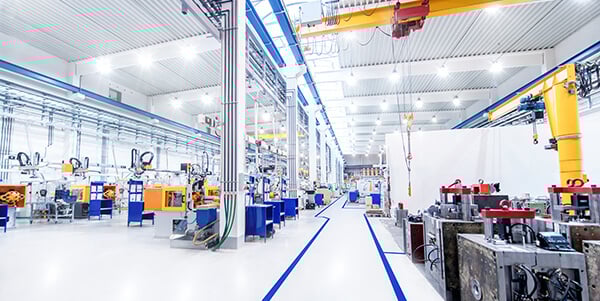
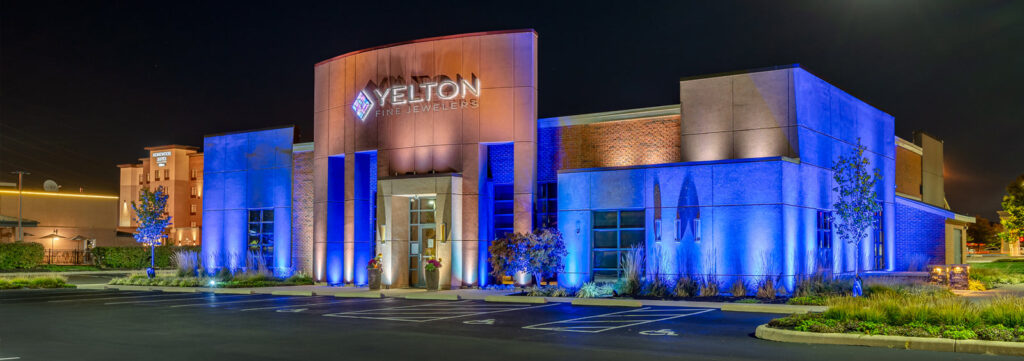
The evolution of LED lighting technology has propelled color-changing capabilities far beyond decorative novelty, establishing itself as a strategic asset in commercial and industrial environments. Today’s sophisticated tunable white and full-color spectrum systems are integral to enhancing productivity, safety, and operational efficiency across diverse settings—from dynamic retail atmospheres and human-centric office lighting to critical task illumination in manufacturing facilities and precise environmental signaling in warehouses. This shift demands not only advanced optical and control engineering but also unwavering adherence to rigorous safety and performance standards. Products deployed in professional settings must carry essential certifications like ETL (indicating compliance with North American safety standards under OSHA recognition) and CE (demonstrating conformity with European health, safety, and environmental requirements), as non-compliant solutions pose significant liability risks and operational vulnerabilities in regulated industrial and commercial infrastructures.
At Beauty (STC) Manufacturing Co., Ltd., established in 1998, we have dedicated over 25 years to mastering this convergence of innovation and compliance. As engineers deeply embedded in the commercial and industrial lighting sector, we understand that reliable color-changing technology must deliver precise spectral control, robust thermal management, and seamless integration with building management systems—all while meeting the strictest global certification benchmarks. Our foundation, built long before the smart lighting boom, ensures that every fixture we engineer prioritizes real-world durability, energy efficiency, and certified safety for demanding professional applications. This legacy of technical rigor positions us to transform how businesses leverage light, moving beyond illumination to create measurable operational value through intelligent, certified color-changing solutions.
Technical Specs & Certifications
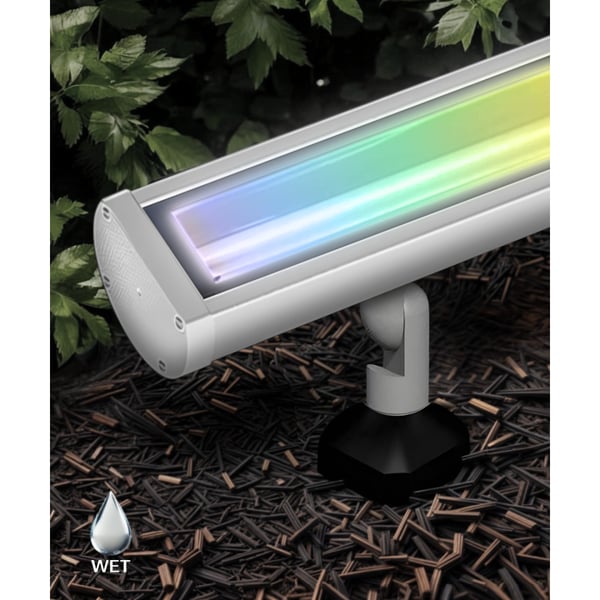
LED lighting that changes colors, commonly referred to as RGB or RGBW LED systems, delivers dynamic illumination through the combination of red, green, and blue diodes—with an optional white channel for improved color rendering and brightness. At Beauty (STC) Manufacturing Co., Ltd., our color-changing LED products are engineered to meet and exceed industry standards for performance, durability, and visual quality.
In terms of efficiency, our color-changing LED fixtures achieve a luminous efficacy ranging from 80 to 110 lumens per watt, depending on the configuration and color output. While full-spectrum white light typically delivers peak efficiency, even in dynamic color modes, our drivers and thermal management systems are optimized to maintain consistent lumen output across all hues. This ensures reliable performance without significant energy loss during color transitions.
Color quality is a key differentiator in our product line. While RGB systems traditionally struggle with accurate color rendering due to the absence of a broad spectral output, Beauty STC integrates high-CRI white LEDs (CRI >90) in our RGBW and tunable white fixtures. This hybrid approach allows users to switch between vibrant color effects and high-fidelity white lighting suitable for retail, hospitality, and architectural applications where accurate color representation is critical. Our phosphor-converted white LEDs are carefully selected to ensure R9 (saturated red) values exceed 50, contributing to a more natural and balanced light appearance.
Regarding environmental protection, Beauty STC offers color-changing LED solutions with IP ratings ranging from IP44 for indoor damp locations to IP65, IP66, and even IP67 for outdoor and harsh environments. Fixtures rated IP65 are dust-tight and protected against low-pressure water jets, making them ideal for exterior facades, landscape lighting, and poolside installations. Higher IP67-rated products are submersible up to 1 meter for 30 minutes, ensuring resilience in demanding conditions.
All Beauty STC LED lighting systems are built with high-quality drivers, precision optics, and robust aluminum or polycarbonate housings to ensure long service life—typically rated at L70 > 50,000 hours. Our manufacturing processes adhere to ISO 9001 standards, and every product undergoes rigorous photometric, thermal, and electrical testing. This commitment to quality ensures that our color-changing LED lights deliver not only vibrant visual effects but also reliable, efficient, and durable performance across diverse applications.
Factory Tour: Manufacturing Excellence
Beauty STC’s Jiangmen facility serves as our primary integrated manufacturing hub for advanced LED lighting solutions, strategically located within the Pearl River Delta’s robust electronics supply chain. This modern factory spans over 30,000 square meters and operates under strict ISO 9001 and IECQ QMS frameworks, with dedicated production lines optimized for both high-volume output and precision engineering of complex products like color-changing LED systems.
Our SMT assembly capabilities form the backbone of production, featuring dual high-speed Yamaha YSM20 modular placement lines capable of handling components from 01005 passives up to large LED modules. Each line includes dedicated pre-production stations for color-mixing verification, where we implement strict binning protocols for RGB and tunable white LEDs using Konica Minolta CM-3700d spectrophotometers. The placement accuracy of ±25μm ensures precise alignment for multi-die COB packages used in our color-tunable engines, while nitrogen-reflow ovens maintain consistent solder joint integrity critical for thermal management in high-power color-changing applications. We maintain dedicated SMT cells for driver assembly with automated optical inspection at every critical stage to prevent color control circuit defects.
Aging and reliability testing receives specialized attention for color-changing products due to their heightened sensitivity to thermal and electrical stress. Every batch undergoes a 72-hour accelerated aging process where units operate through programmed color sequences at 110% rated voltage while thermal cameras monitor hotspot development. We employ spectral flux tracking via Labsphere integrating spheres to quantify lumen maintenance and chromaticity shift (Δu’v’) specifically at critical color points like 2700K, 6500K, and saturated RGB primaries. Our environmental chambers simulate 5-year operational stress through 10-cycle thermal shock testing (-20°C to +85°C) with real-time color calibration, ensuring color consistency remains within MacAdam Step 3 tolerances throughout the product lifecycle. This rigorous protocol exceeds IEC 60598-1 Annex H requirements for thermal testing.
For OEM partnerships focused on color-changing LED lighting, we offer comprehensive turnkey solutions from concept to certified production. Our engineering team collaborates with clients on optical design using LightTools simulation to achieve specific beam distributions and color mixing uniformity, particularly for architectural linear systems and decorative fixtures. We provide flexible driver programming through proprietary firmware that supports DALI-2, DMX512, and Bluetooth Mesh protocols with customizable fade rates and scene presets. The factory maintains a dedicated NPI lab where we develop client-specific color calibration algorithms and conduct spectral power distribution validation against target CCT and TM-30 metrics. With UL-certified in-house photometric testing and full EMC compliance capabilities, we routinely handle complex OEM projects requiring custom color engines, unique form factors, and region-specific certifications including Energy Star and DesignLights Consortium validation. This integrated approach ensures seamless transition from prototype to mass production while maintaining the stringent color fidelity demanded by hospitality, retail, and entertainment applications.
Application Scenarios
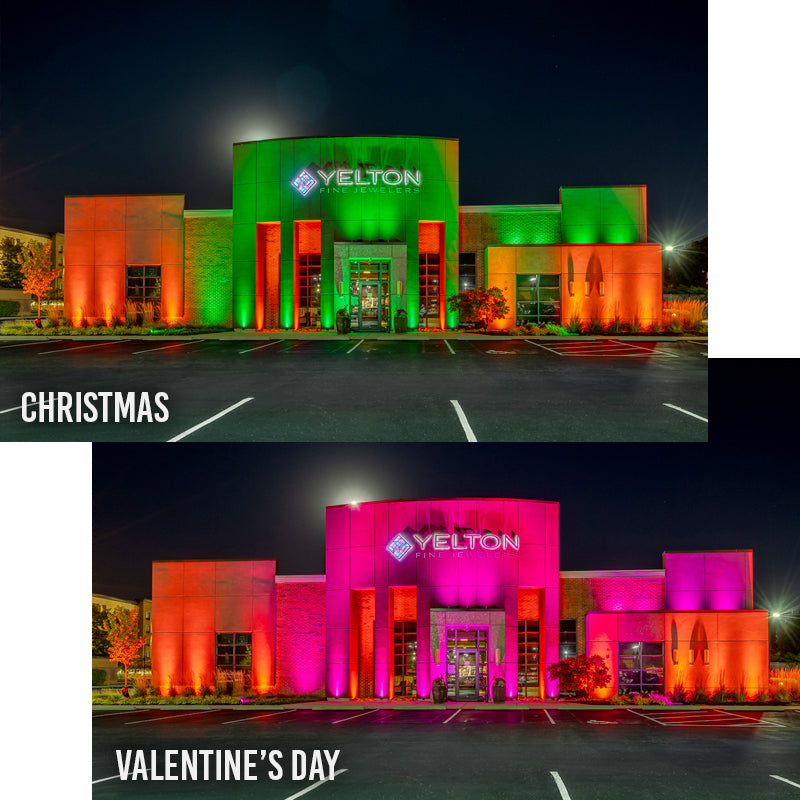
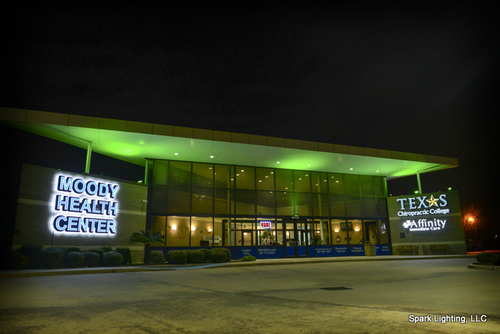
LED lighting that changes colors is ideal for environments where ambiance, mood enhancement, and visual appeal are key. Among the locations mentioned—hotels, malls, and offices—each has distinct applications and benefits for color-changing LED lighting.
In hotels, color-changing LED lighting is particularly effective in lobbies, ballrooms, bars, restaurants, and guest corridors. These areas benefit from dynamic lighting that can shift based on the time of day or special events. For example, warm tones can create a welcoming atmosphere in the evening, while cooler or vibrant colors can energize a space during events or in entertainment areas. Installation should focus on indirect lighting solutions such as cove lighting, under-bar lighting, or accent lighting behind architectural features to avoid glare and ensure a smooth color transition. Use of high-quality RGB or RGBW LEDs with a controller that allows for scene programming ensures seamless operation and integration with hotel management systems.
Malls utilize color-changing LED lighting to attract attention, guide foot traffic, and enhance the shopping experience. Common applications include feature walls, escalator surrounds, ceiling coves in food courts, and signage backlighting. The lighting can be synchronized with seasonal themes or promotional campaigns. For installation, ensure fixtures are placed where they can maximize visual impact without causing discomfort—typically above eye level or integrated into architectural elements. Use weather-resistant and durable fixtures in high-traffic areas, and pair the system with a central lighting management platform for easy control and scheduling across large spaces.
Offices generally use color-changing LED lighting more selectively, primarily in reception areas, conference rooms, or wellness zones. While productivity-focused spaces benefit from stable, neutral white light, color-changing LEDs can support biodynamic lighting strategies—simulating natural daylight cycles to improve alertness and well-being. In multipurpose rooms, the ability to shift colors can help define the room’s function, such as blue tones for focus or warm tones for relaxation. Installation should emphasize flexibility: use dimmable, tunable fixtures with individual or zone-based controls. Avoid overly saturated colors in workspaces to prevent distraction. Integration with occupancy sensors and daylight harvesting systems can enhance both functionality and energy efficiency.
Regardless of location, proper installation practices are critical. Always ensure compatibility between drivers, controllers, and LED strips or fixtures. Use certified electricians for wiring and follow local electrical codes. Test color uniformity across fixtures to prevent mismatches, and consider using diffusers to soften the light output and blend colors smoothly. Finally, provide clear user instructions or automate scenes to simplify operation for facility staff and end users.
Why Choose Beauty STC Lighting
Transform your lighting vision into reality with Beauty STC’s advanced color-changing LED solutions. As a leader in innovative illumination technology, we engineer precision RGB and tunable white systems designed for dynamic environments, architectural accents, and immersive experiences. Our expertise ensures seamless color transitions, exceptional color rendering, and robust performance for commercial, hospitality, and specialty applications. Partner with Beauty STC to access tailored engineering support, rigorous quality control, and scalable production capabilities that meet global standards. Elevate your next project with lighting that adapts, inspires, and performs. Contact our dedicated team directly at [email protected] to discuss your specifications, request technical documentation, or initiate a collaboration. Let Beauty STC power your creative illumination journey with engineering excellence.
⚡ LED Power Supply Calculator
Estimate the power supply needed for your LED strip project.