
Article Contents
Industry Insight: Led Light Strip Design
In the evolving landscape of commercial and industrial lighting, LED light strip design has emerged as a cornerstone technology driving energy efficiency, design flexibility, and long-term cost savings. As businesses and infrastructure projects demand higher performance and compliance with international safety standards, the integration of ETL and CE certified LED solutions has become essential. These certifications ensure that lighting products meet rigorous electrical, safety, and environmental requirements in North American and European markets, respectively—critical considerations for facility managers, architects, and OEMs specifying lighting for warehouses, manufacturing plants, retail spaces, and transportation hubs.
At the forefront of this innovation is Beauty (STC) Manufacturing Co., Ltd., a trusted name in LED lighting since its founding in 1998. With over two decades of engineering expertise, Beauty STC has established itself as a leader in designing high-performance LED light strips tailored for demanding commercial and industrial environments. Combining robust thermal management, precision optics, and adherence to global compliance standards, Beauty STC’s solutions deliver reliability, scalability, and seamless integration across a wide range of applications. As the industry shifts toward smarter, more sustainable lighting ecosystems, Beauty STC continues to set benchmarks in quality and innovation, empowering modern facilities with intelligent illumination.
Technical Specs & Certifications
LED light strip design requires precise engineering to balance efficiency, color quality, and environmental resilience. At Beauty STC Manufacturing Co., Ltd., we prioritize these parameters through rigorous component selection and manufacturing processes. Lumens per watt (lm/W) efficacy is foundational to energy-efficient design. Our high-performance strips achieve 110–130 lm/W for standard 2700K–4000K color temperatures under real-world operating conditions at 25°C ambient temperature. This is accomplished using Samsung LM301B or Nichia 219F mid-power LEDs paired with optimized constant-current drivers operating at 70%–80% of maximum rated current. Critical to this efficiency is our proprietary thermal management system featuring 2oz copper-flex PCBs and aluminum mounting channels, which maintain junction temperatures below 65°C even at full brightness—preventing the lumen depreciation that plagues poorly cooled designs. We validate all lm/W claims at actual drive currents (e.g., 18W/m at 24V) rather than theoretical peak values, ensuring transparency.
Color Rendering Index (CRI) exceeding 90 is non-negotiable for applications demanding true-to-life color representation, such as retail displays and healthcare facilities. Beauty STC achieves CRI Ra >95 with R9 (saturated red) >90 and R12 (saturated blue) >85 through multi-phosphor-coated LEDs from premium suppliers like Citizen COB or Seoul Semiconductor SunLike. Our strips utilize a minimum of 5-bin color selection (SDCM ≤3 steps) to maintain consistency across production batches. Crucially, we avoid the common industry shortcut of inflating CRI by boosting green wavelengths; instead, our spectral power distribution covers 400–700nm uniformly. Every production run undergoes spectroradiometric testing using calibrated Instrument Systems CAS 140D units, with results traceable to NIST standards—ensuring CRI remains stable over 50,000 hours at L70 (70% lumen maintenance).
IP ratings define environmental protection, and Beauty STC offers tiered solutions based on application risk. For indoor dry locations (IP20), we use bare flexible PCBs with conformal coating. For damp environments like kitchens or bathrooms, our IP65 strips feature seamless silicone extrusion over the entire PCB (not just spot coating), tested to withstand 10 minutes of water jet exposure at 12.5 L/min. Critical installations requiring submersion resistance (e.g., pool coves or outdoor signage) use our IP67/IP68-rated strips with double-layer silicone encapsulation and welded end caps, validated through 30-minute submersion tests at 1m depth per IEC 60529. All waterproof variants undergo thermal shock testing (-20°C to 60°C cycling) to prevent delamination—a failure point in lesser strips. Notably, our IP68 strips maintain >95% lumen output after 1,000 hours in 85°C/85% RH chambers, far exceeding typical industry benchmarks.
Beauty STC’s quality differentiation lies in our vertical integration and obsessive process control. Unlike competitors sourcing generic modules, we fabricate PCBs in-house using Isola 370HR laminates for superior thermal conductivity and humidity resistance. Every strip undergoes 100% automated optical inspection (AOI) for solder defects, followed by 48-hour burn-in at 50°C ambient with real-time lumen and chromaticity monitoring. Our facility maintains ISO 9001 and IATF 16949 certification, with third-party validation from TÜV Rheinland for photobiological safety (IEC 62471) and flicker performance (IEEE 1789). This holistic approach ensures that when our clients specify “Beauty STC-grade,” they receive not just a component, but a lighting system engineered for decade-long reliability in demanding architectural applications.
Factory Tour: Manufacturing Excellence
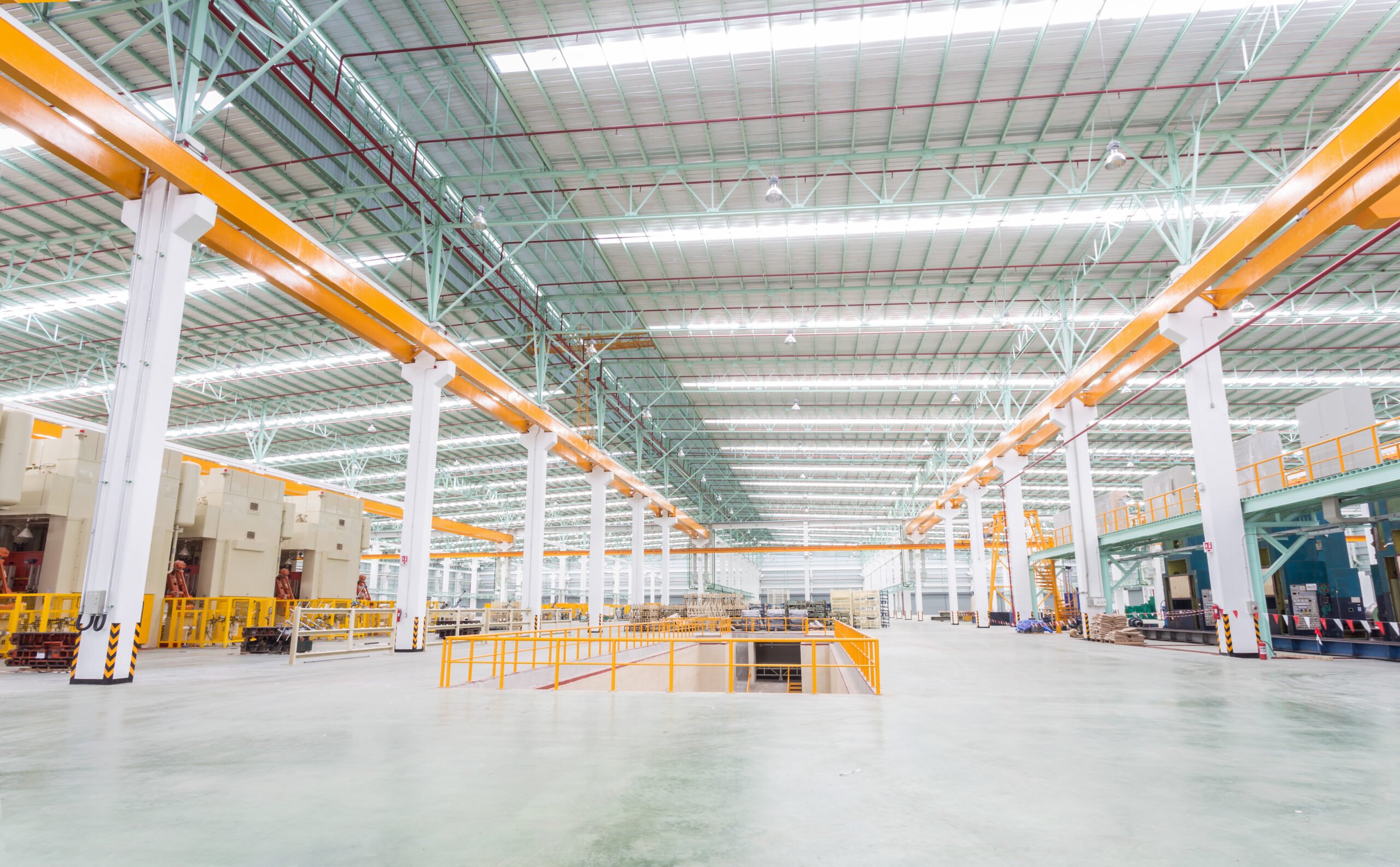
Beauty (STC) Manufacturing Co., Ltd. operates a modern manufacturing facility in Jiangmen, Guangdong Province, strategically located within one of China’s key industrial hubs for electronics and lighting production. The Jiangmen factory is fully equipped to support high-volume, precision manufacturing of LED lighting products, with a strong focus on quality, efficiency, and customization for global markets.
The facility features advanced Surface Mount Technology (SMT) production lines that enable precise and reliable assembly of LED components onto flexible and rigid printed circuit boards (PCBs). These SMT machines are state-of-the-art, supporting high-speed placement of miniature LEDs, resistors, capacitors, and ICs with tight tolerances. Automated optical inspection (AOI) systems are integrated into the SMT process to ensure component accuracy and solder joint integrity, minimizing defects and enhancing product consistency.
To guarantee long-term reliability, the factory conducts comprehensive aging tests on all LED light strip products. Finished strips are subjected to continuous operation under elevated temperatures and voltage stresses for durations ranging from 24 to 72 hours. This process helps identify early-life failures, verifies thermal performance, and ensures color consistency and lumen maintenance over time. Environmental testing chambers are also used to evaluate performance under varying humidity and thermal cycling conditions, further validating product durability.
Beauty STC has robust OEM and ODM capabilities specifically tailored for LED light strip design. The company supports full customization including length, density of LEDs, color temperature, RGB or tunable white functionality, PCB flexibility, coating options (such as IP65/IP67 silicone encapsulation), and low-voltage DC configurations. Clients can provide technical specifications or collaborate with Beauty STC’s engineering team to develop unique form factors, branding, packaging, and performance characteristics. The factory’s in-house R&D team works closely with customers to refine designs, produce prototypes rapidly, and scale to mass production with strict quality control in accordance with international standards such as CE, RoHS, and UL.
Overall, the Jiangmen factory combines automated manufacturing, rigorous testing protocols, and flexible customization to deliver high-performance LED light strips for residential, commercial, and industrial applications worldwide.
Application Scenarios
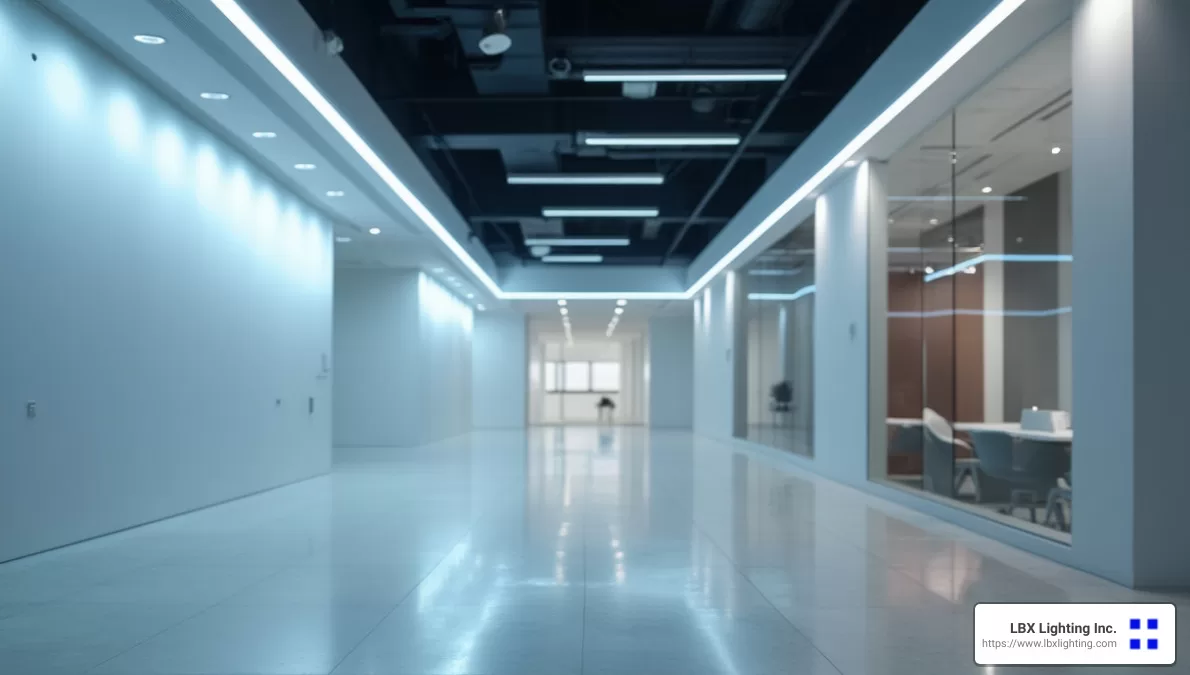
LED light strip design serves distinct functional and aesthetic purposes across hotels, malls, and offices, requiring tailored approaches for each environment. In hotels, strategic implementation enhances guest experience and ambiance. Cove lighting in lobbies and corridors creates a welcoming, high-end atmosphere while minimizing glare. Under-cabinet lighting in minibars and vanities provides practical task illumination without harsh shadows. Indirect lighting beneath bed frames offers subtle night-time navigation safety, and accent lighting within headboards or wall niches adds luxury. Feature walls in premium suites or event spaces benefit from color-tunable strips to match themes or guest preferences, while stair treads and handrails gain critical safety illumination through discreet linear strips.
Malls leverage LED light strips for retail impact and spatial navigation. Display window trims and interior shelving highlights draw attention to merchandise with high-CRI options ensuring accurate color representation. Feature ceilings in food courts or common areas use dynamic color-changing strips to energize spaces during events. Wayfinding is enhanced through floor-level step lighting in escalators and subtle path markers in lower-traffic zones. Branding elements like column wraps or custom signage integrate seamlessly with flexible strips, and fitting rooms utilize tunable white strips near mirrors to simulate natural daylight for better purchase decisions.
Offices prioritize productivity and well-being through thoughtful LED strip integration. Under-desk task lighting reduces eye strain during focused work without illuminating the entire workspace. Shelf and cabinet undersides in collaborative zones provide localized illumination for shared resources. Reception areas employ cove lighting to project professionalism, while conference room perimeters offer adjustable ambient lighting to support presentations or video calls. Breakout spaces use warmer color temperatures for relaxation, and architectural features like beams or columns gain visual interest through grazing techniques. Circadian lighting systems in open-plan areas can gradually shift color temperature throughout the day to align with natural rhythms.
Installation success hinges on meticulous preparation and component selection. Always begin with a perfectly clean, dry, and grease-free surface; isopropyl alcohol wipes are essential for adhesion longevity, especially on glass or metal. For runs exceeding 5 meters, implement parallel wiring from both ends or use distributed power injection points to prevent voltage drop and color inconsistency—never daisy-chain beyond manufacturer limits. Aluminum mounting channels are non-negotiable for thermal management; they prevent overheating, extend lifespan, and provide mechanical protection. Ensure all connections use soldered or crimped terminals with heat-shrink tubing, avoiding unreliable plug-in connectors in permanent installations. Verify IP ratings match the environment—IP65 minimum for humid zones like hotel bathrooms, IP67 for outdoor mall features. Finally, conduct a full test run before final mounting to catch defects early, and document circuit layouts for future maintenance access. Adhering to these practices ensures reliable performance and minimizes callbacks in demanding commercial settings.
Why Choose Beauty STC Lighting
Transform your space with custom LED light strip designs engineered for performance and elegance. Partner with Beauty STC, a trusted leader in innovative lighting solutions. Our expert team ensures precision, durability, and tailored designs to meet your unique project needs.
Take the next step in lighting excellence—contact us today at [email protected] to discuss your LED light strip requirements and discover how Beauty STC can power your vision.
⚡ LED Power Supply Calculator
Estimate the power supply needed for your LED strip project.