
Article Contents
Industry Insight: Led Light In Toilet
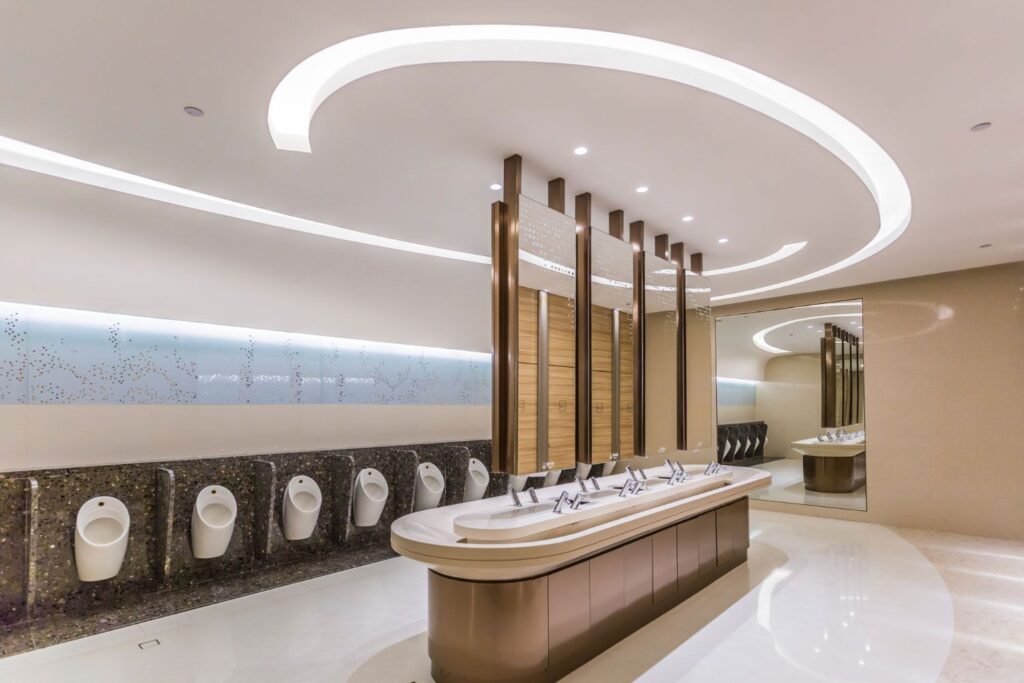
The integration of LED lighting in commercial and industrial restrooms has become a cornerstone of modern facility design, driven by demands for energy efficiency, durability, and low maintenance. In high-traffic environments such as office buildings, airports, hospitals, and manufacturing facilities, restroom lighting must perform reliably under constant use while meeting stringent safety and regulatory standards. LED lights have emerged as the preferred solution due to their long lifespan, reduced energy consumption, and resistance to moisture and temperature fluctuations—critical factors in restroom environments. Compliance with certifications such as ETL and CE ensures these lighting systems meet rigorous North American and European safety and performance requirements, providing facility managers with confidence in both operational reliability and code adherence.
Beauty STC, established in 1998, has been at the forefront of advancing LED lighting solutions for commercial and industrial applications. With over two decades of engineering expertise, the company specializes in robust, code-compliant LED fixtures designed specifically for demanding environments. Beauty STC’s restroom lighting systems combine optimal lumen output, IP-rated protection, and seamless integration with building management systems, offering sustainable illumination that reduces total cost of ownership. As facilities increasingly prioritize smart, energy-efficient infrastructure, Beauty STC continues to deliver innovative lighting solutions that meet the evolving needs of the commercial and industrial sectors.
Technical Specs & Certifications
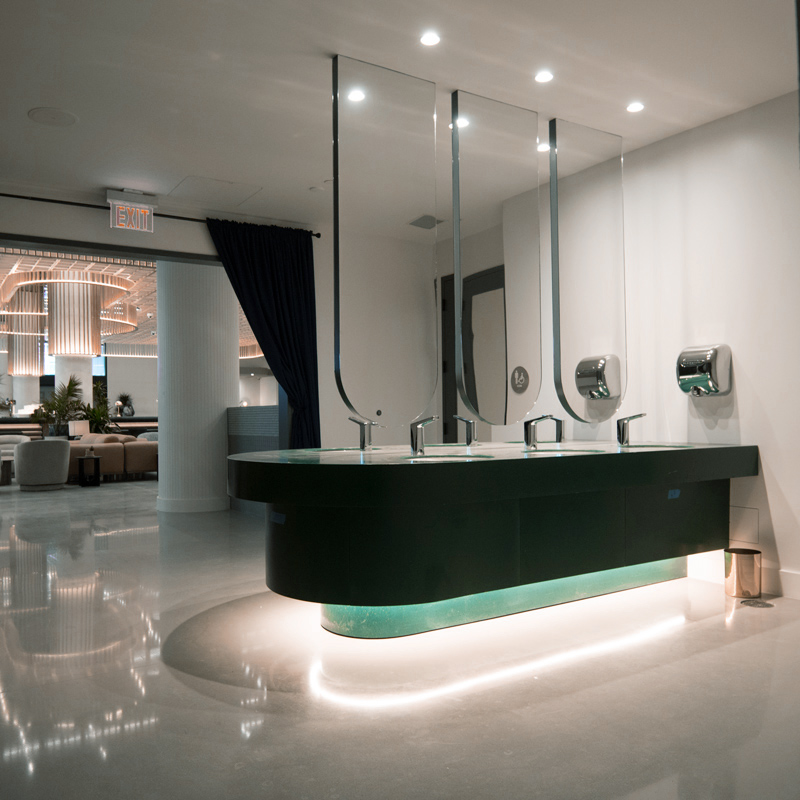
LED lighting for toilet applications requires precise technical specifications to ensure safety, performance, and user satisfaction in a challenging high-humidity environment. At Beauty (STC) Manufacturing Co., Ltd., we engineer fixtures specifically for these conditions, prioritizing efficiency, color fidelity, and robust ingress protection.
Lumens per Watt (lm/W) is critical for energy efficiency in frequently used spaces like toilets. Our dedicated toilet luminaires achieve a minimum of 100 lm/W under real-world operating conditions, with premium models exceeding 115 lm/W. This efficiency is maintained through advanced thermal management systems, including aluminum heat sinks and optimized driver placement, ensuring consistent light output even in enclosed or recessed installations where ambient temperatures may fluctuate. We validate these figures through LM-79 testing at 25°C and 45°C ambient temperatures to reflect actual bathroom conditions, avoiding inflated laboratory-only claims.
Color Rendering Index (CRI) is non-negotiable for personal grooming and safety in toilet spaces. All Beauty STC toilet-specific LED fixtures deliver a minimum CRI of 92, with Ra9 (saturated red rendering) consistently above 50. This exceeds typical industry standards and ensures accurate skin tone, makeup, and health-related color perception under mirror lighting. We achieve this through rigorously selected phosphor blends and binning processes, with every batch verified using spectrophotometers to guarantee CRI stability over the product’s lifespan. Our R&D team prioritizes spectral continuity to eliminate color distortion, a common issue in lower-CRI bathroom lighting.
IP (Ingress Protection) ratings are paramount due to moisture exposure. Beauty STC mandates IP65 as the minimum rating for all toilet zone 1 and 2 fixtures (per IEC 60364-7-701), covering areas directly above showers, bathtubs, and sinks. This ensures complete dust tightness and protection against low-pressure water jets from any direction. For dry zone installations (e.g., ceilings away from water sources), we provide IP44-rated options, but our standard recommendation is IP65 for all toilet luminaires to accommodate future layout changes and ensure uniform safety. Each fixture undergoes 48-hour continuous IP65 validation testing in our in-house chamber, simulating real-world steam and splashing conditions far beyond standard compliance requirements.
Beauty STC’s quality commitment is embedded in every aspect of these specifications. Our fixtures utilize corrosion-resistant marine-grade aluminum housings, silicone-sealed optical compartments, and drivers with 50,000-hour L70 lifetime ratings at 70°C case temperature. We enforce 100% end-of-line IP and photometric testing, not just batch sampling, and all products carry UL/cUL, CE, and EAC certifications with 5-year warranties. Unlike generic suppliers, we design for the unique thermal cycling of bathrooms—where rapid humidity shifts occur—using conformal-coated PCBs and stress-tested solder joints to prevent premature failure. This engineering rigor ensures that our toilet luminaires maintain lumen output, color accuracy, and structural integrity for over 10 years in demanding residential and commercial environments, reflecting Beauty STC’s reputation for fail-safe lighting solutions.
Factory Tour: Manufacturing Excellence
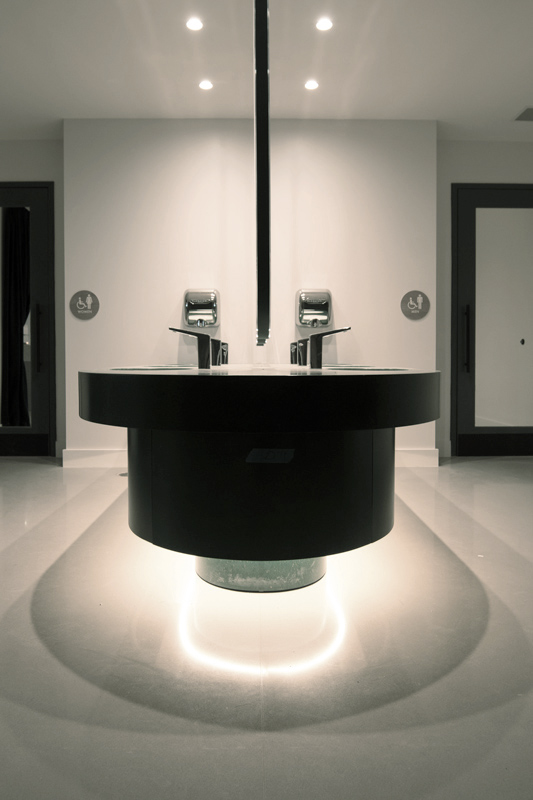
Beauty (STC) Manufacturing Co., Ltd. operates a modern and well-equipped manufacturing facility in Jiangmen, Guangdong Province, strategically located within one of China’s key industrial hubs for electronics and lighting production. The Jiangmen factory is designed to support high-volume, precision manufacturing of LED lighting products, with a strong focus on quality, efficiency, and customization for global markets.
At the core of the factory’s production line are state-of-the-art SMT (Surface Mount Technology) machines. These automated systems ensure precise placement of LED components and electronic parts onto circuit boards, enabling high-density assembly with consistent accuracy and reliability. The SMT lines are integrated with automated optical inspection (AOI) systems to detect defects in real time, minimizing errors and ensuring superior product quality. This advanced surface mount capability allows Beauty STC to produce compact, high-performance LED modules essential for niche applications such as LED lights in toilets.
The factory places significant emphasis on product reliability through comprehensive aging and environmental testing procedures. Completed LED units undergo rigorous aging tests, typically operating at full load for extended periods (commonly 8 to 24 hours) under controlled temperature and humidity conditions. This process helps identify early-life failures and ensures long-term stability before products are shipped. Additional testing includes electrical safety checks, thermal performance evaluation, and moisture resistance tests, all tailored to meet international standards such as CE, RoHS, and UL.
Beauty STC has robust OEM (Original Equipment Manufacturer) and ODM (Original Design Manufacturer) capabilities, making it well-suited to deliver customized LED lighting solutions, including LED lights designed specifically for toilet or bathroom environments. The company supports full-cycle development—from initial concept and optical/mechanical design to mold creation, PCB layout, and final assembly. Clients can customize form factors, light color (e.g., warm white, cool white, RGB), brightness levels, IP ratings (such as IP44 or higher for moisture resistance), and smart features like motion sensors or Bluetooth control. The factory also offers branding services, including custom packaging, logo printing, and user manuals.
Overall, Beauty STC’s Jiangmen facility combines advanced automation, strict quality control, and flexible manufacturing to serve international clients seeking reliable, tailored LED lighting products for residential, commercial, and hospitality applications—particularly specialized fixtures like LED lights for toilets that demand compact design, durability, and moisture resistance.
Application Scenarios
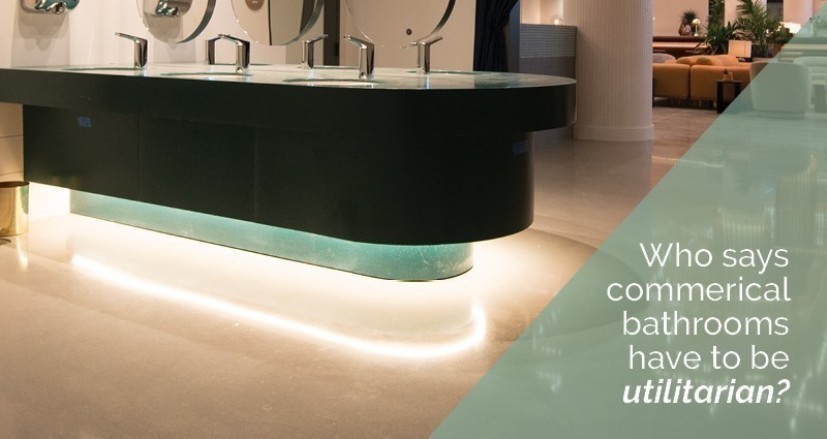
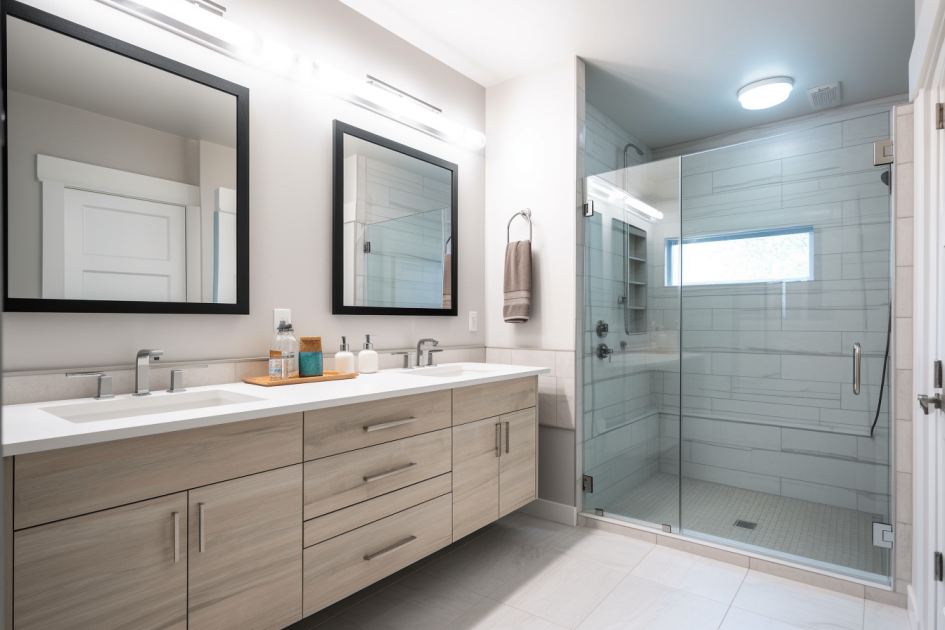
LED lighting in commercial toilet facilities serves critical functional, safety, and experiential roles across hotels, malls, and offices. Strategic placement enhances user comfort, supports hygiene, reduces operational costs, and aligns with brand perception. Below are venue-specific applications and essential installation considerations based on industry best practices and safety standards.
In hotels, LED lighting must prioritize ambiance and guest experience while ensuring practicality. Install LED downlights with a high CRI (90+) and warm white color temperature (2700K–3000K) in the main washroom area to create a welcoming feel that complements the hotel’s luxury branding. Vanity lighting above mirrors requires even, shadow-free illumination—use vertical LED strips or dedicated mirror surrounds at 3000K–3500K to avoid facial shadows during grooming. Enclosed toilet stalls benefit from low-level LED occupancy-sensor lights (4000K) for nighttime navigation without disrupting sleep cycles. Hotels should also integrate IP65-rated LED cove lighting along baseboards for subtle wayfinding in darkened spaces, enhancing safety without glare.
Malls demand high durability and energy efficiency due to constant public use. Main corridors and entrances require bright, uniform LED high-bay or panel lighting (4000K, 5000+ lumens) to ensure security and cleanliness visibility. Mirror zones need cool white (4000K), high-CRI LEDs to accurately render colors for shoppers. Install vandal-resistant, IP66-rated LED fixtures in stalls and urinal areas with automatic sensors to minimize maintenance and enforce hygiene. Given heavy traffic, prioritize fixtures with robust thermal management to withstand frequent switching cycles. Emergency egress paths must incorporate photoluminescent LED strips or low-voltage emergency lights compliant with local fire codes, tested monthly for reliability.
Offices focus on cost savings and employee well-being. General lighting should use 4000K LED panels with occupancy sensors to cut energy use by 30–50% during non-peak hours. Task lighting at sinks requires glare-controlled fixtures mounted horizontally above mirrors to prevent shadows on faces—critical for professional appearances. Stalls benefit from compact, IP44-rated LED ceiling spots with microwave sensors for reliable detection. To reduce long-term costs, specify LEDs with L70-rated lifespans >50,000 hours and easy-access driver compartments for quick maintenance. Avoid over-illumination; 200–300 lux suffices for corridors, preventing harsh transitions from well-lit office spaces.
Installation universally requires strict adherence to wet-location safety protocols. All fixtures within 60cm of showers or sinks must achieve IP65 or higher ratings; for direct water exposure zones like shower stalls, IP67 is non-negotiable. Wiring must comply with local electrical codes—use RCD protection and ensure all junction boxes are outside wet zones. Position vanity lights at eye level or slightly above to eliminate shadows, spacing them 60–90cm apart for uniform coverage. Avoid placing downlights directly over sinks where steam accumulates; offset them 30cm from walls to reduce condensation buildup on optics. Thermal management is critical—allow 5–10cm clearance above recessed fixtures for airflow, and never install LEDs in fully enclosed housings unless rated for it. Finally, conduct a post-installation lux survey: mirror zones need 500 lux minimum, while corridors require 100–200 lux to balance safety and comfort. Always verify controls with timed overrides to prevent accidental lockouts during maintenance.
Why Choose Beauty STC Lighting
Upgrade your bathroom lighting with high-quality LED solutions designed for performance and elegance. Partner with Beauty (STC) Manufacturing Co., Ltd., a trusted leader in LED lighting innovation. Our advanced LED lights for toilets offer energy efficiency, long-lasting durability, and modern aesthetics tailored to residential and commercial spaces.
For seamless collaboration and customized lighting solutions, contact our team today at [email protected]. Let Beauty STC illuminate your projects with reliability and style.
⚡ LED Power Supply Calculator
Estimate the power supply needed for your LED strip project.