

Article Contents
Industry Insight: Led Lamp Disposal
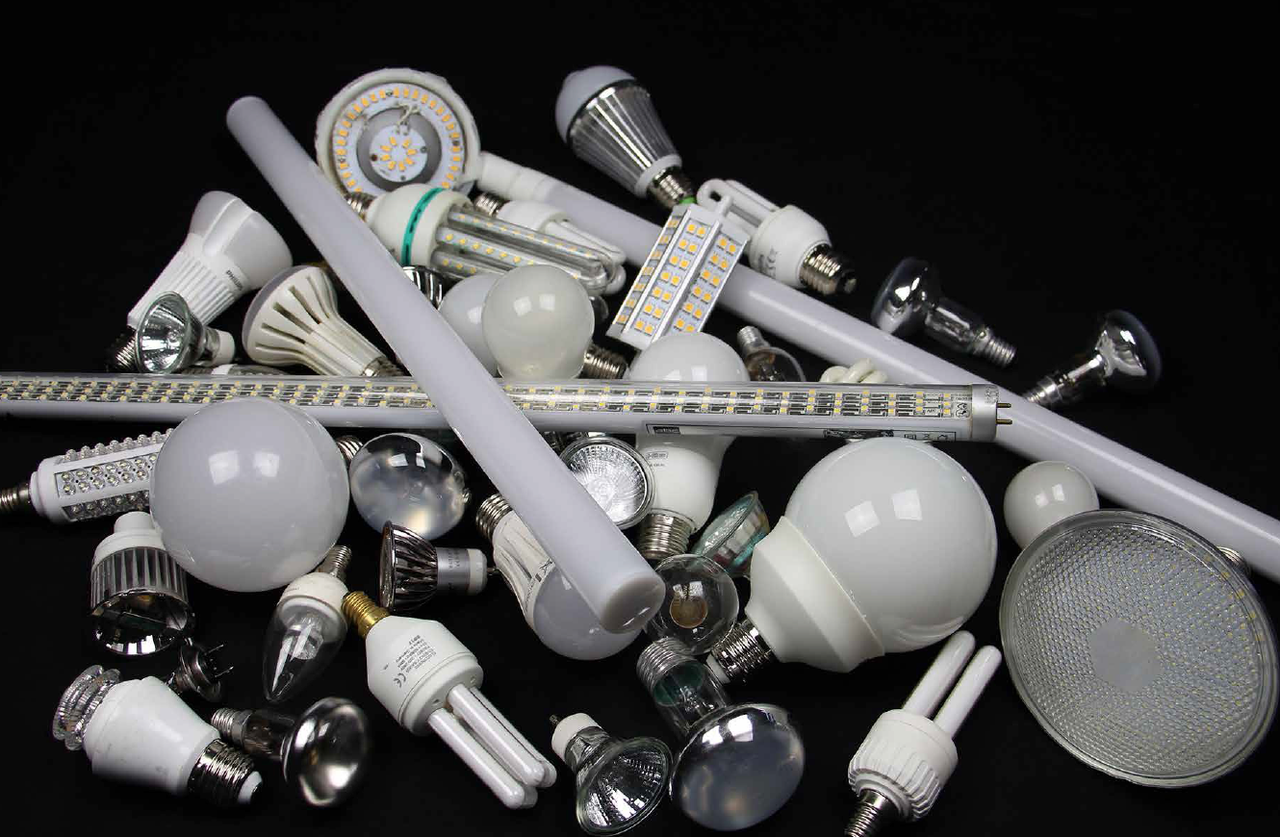
The transition to LED lighting across commercial and industrial facilities represents a monumental shift towards energy efficiency, yet it introduces a complex and often overlooked challenge: responsible end-of-life management. While celebrated for their extended lifespan and reduced operational costs, the sheer volume of LED lamps now reaching disposal in warehouses, office complexes, manufacturing plants, and retail environments creates significant environmental and regulatory hurdles. Unlike legacy fluorescent lamps containing mercury, LEDs present different disposal complexities, primarily related to electronic components, potential trace heavy metals, and the fragmented global regulatory landscape governing waste electrical and electronic equipment. Crucially, initial safety certifications like ETL (North America) and CE (Europe), while essential for market access and verifying electrical safety during operation, are only the starting point. They do not inherently address the full lifecycle responsibility, particularly the evolving requirements for safe de-manufacturing, material recovery, and compliance with regional waste directives such as WEEE in Europe or state-specific regulations in the US, which increasingly hold facility managers and lighting specifiers accountable.
This growing disposal imperative demands proactive strategies from the industry, moving beyond simple landfill diversion to sophisticated take-back programs, certified recycling partnerships, and design-for-recycling principles embedded from the outset. Understanding the interplay between initial product certification, operational longevity, and final disposition is no longer optional for facility operators and lighting professionals managing large-scale installations. Beauty STC, established in 1998 as a dedicated LED lighting manufacturer, has navigated the entire evolution of solid-state lighting. Our deep-rooted expertise, forged over 25 years of designing and producing commercial and industrial LED solutions, provides a unique vantage point on this critical end-of-life phase. We recognize that true sustainability in professional lighting extends far beyond the point of sale and installation, encompassing the entire product lifecycle, including the responsible and compliant management of lamps once their service life concludes. This insight shapes our commitment to not only high-performance lighting but also to supporting the industry’s transition towards holistic environmental stewardship.
Technical Specs & Certifications
When addressing the technical specifications for LED lamp disposal, it is essential to understand that the term “disposal” typically refers to end-of-life handling. However, based on the context of your request—focusing on lumens per watt, CRI, and IP ratings—it appears you are seeking detailed technical specifications for high-performance LED lamps that meet stringent quality standards, possibly at the point of decommissioning or replacement. Beauty (STC) Manufacturing Co., Ltd. ensures that all LED lamps are designed and manufactured to exceed industry benchmarks, facilitating efficient performance throughout their lifecycle and responsible environmental management at disposal.
Beauty STC LED lamps are engineered to achieve high luminous efficacy, commonly delivering 120 to 150 lumens per watt depending on the model and application. This high efficiency ensures minimal energy consumption while maintaining superior light output, contributing to long-term energy savings and reduced environmental impact over the product’s lifespan. As these lamps reach end-of-life, their energy-efficient design translates into lower overall carbon footprint compared to conventional lighting technologies.
Color Rendering Index (CRI) is a critical performance metric for applications requiring accurate color representation, such as retail, healthcare, and design studios. Beauty STC LED lamps consistently achieve a CRI greater than 90, with select models reaching up to CRI 95. This high color fidelity ensures that colors appear natural and vibrant under illumination, meeting the demands of even the most color-sensitive environments. The use of premium phosphor coatings and high-quality LED chips enables this exceptional performance, which remains stable over the rated lifetime of the lamp.
Ingress Protection (IP) ratings are vital for determining a luminaire’s resistance to dust and moisture, particularly in industrial, outdoor, or high-humidity settings. Beauty STC offers LED lamps with IP ratings ranging from IP40 for indoor dry locations to IP65 and IP66 for outdoor or harsh environments. Fixtures rated IP65 provide complete dust protection and resistance to low-pressure water jets, making them suitable for covered outdoor areas, while IP66-rated products withstand powerful water jets, ideal for washdown or exposed installations. These robust enclosures not only extend service life but also ensure safe and reliable operation, minimizing premature disposal due to environmental damage.
Beauty STC is committed to quality assurance through rigorous testing, adherence to international standards (including IEC, RoHS, and REACH), and in-house manufacturing control. Each LED lamp undergoes thermal, electrical, and optical validation to ensure consistent performance. At end-of-life, these lamps are designed for easier disassembly and material recovery, aligning with environmentally responsible disposal practices. The company’s focus on durability, efficiency, and compliance ensures that Beauty STC LED lamps deliver exceptional value and sustainability from installation to disposal.
Factory Tour: Manufacturing Excellence
Beauty STC Lighting operates a significant manufacturing facility in Jiangmen, Guangdong Province, China. This factory serves as a core production hub for the company’s LED lighting products, designed to meet both domestic and international market demands with a strong emphasis on quality and efficiency. The facility is equipped with modern manufacturing infrastructure to support high-volume production while adhering to stringent quality control protocols.
The surface mount technology (SMT) production lines within the Jiangmen factory represent a critical component of the manufacturing process. The facility utilizes multiple high-speed Fuji NXT III series SMT placement machines. These advanced systems are capable of handling a wide range of component sizes, including ultra-small 0201 metric packages, ensuring precise placement for complex LED driver and control circuitry. Each SMT line integrates 3D automated optical inspection (AOI) systems immediately post-reflow soldering. This real-time inspection capability allows for immediate defect detection and correction, significantly enhancing first-pass yield rates and overall product reliability before components move to subsequent assembly stages.
Comprehensive aging and reliability testing is a mandatory step for all LED products manufactured at the Jiangmen site. The factory maintains dedicated, climate-controlled aging rooms housing large-scale burn-in test systems. Finished LED lamps and luminaires undergo a standard 72-hour continuous operational aging test under controlled thermal and electrical conditions. During this period, products are monitored for early failures, lumen maintenance, chromatic stability, and thermal performance. This rigorous testing protocol is fundamental to Beauty STC’s quality assurance process, ensuring only units meeting strict reliability benchmarks are released for shipment, thereby minimizing field failures and supporting long product lifespans.
Regarding OEM capability, it is essential to clarify a potential misunderstanding in the query. Beauty STC Jiangmen factory possesses extensive OEM (Original Equipment Manufacturer) and ODM (Original Design Manufacturer) capabilities for the production and manufacturing of LED lamps and lighting fixtures, not for ‘led lamp disposal’. ‘Disposal’ refers to end-of-life waste handling, which is not a manufacturing service offered by lighting producers like Beauty STC. Their core OEM strength lies in providing end-to-end manufacturing solutions for partners. This includes full product customization based on client specifications, from initial design support and engineering through PCB assembly, mechanical assembly, rigorous quality control including the aforementioned aging tests, to final packaging. The factory supports clients needing custom form factors, specific optical distributions, unique thermal management solutions, tailored driver configurations, and branded packaging. They handle everything from low-volume specialized orders to high-volume production runs, leveraging their SMT capacity, in-house tooling capabilities for plastic and metal components, and established supply chain for electronic and optical materials. This OEM service is underpinned by certifications including ISO 9001 and relevant safety standards like UL, CE, and CCC, ensuring products meet global regulatory requirements for the lighting market.
Application Scenarios
LED lamp disposal refers to the proper handling and recycling of used or non-functional LED lamps, and it is essential in commercial and public spaces such as hotels, malls, and offices where large numbers of lighting fixtures are installed and maintained. These environments frequently upgrade or replace lighting for efficiency, aesthetics, or maintenance, making proper disposal practices crucial.
In hotels, LED lamp disposal procedures should be implemented during routine maintenance or renovation cycles. Guest rooms, lobbies, hallways, and outdoor areas often use a high volume of LED lighting. Hotel facility managers must ensure that spent LED lamps are collected systematically and sent to certified e-waste recycling centers. Since hotels emphasize sustainability and guest experience, proper disposal supports corporate social responsibility goals and reduces environmental impact.
Malls, with their expansive interiors and extensive lighting requirements for common areas, retail spaces, and signage, generate significant quantities of used LED lamps. Mall operators should establish centralized collection points for defective lamps and coordinate with licensed waste handlers. Given the constant need for bright, energy-efficient lighting, regular lamp replacement is common, making structured disposal protocols necessary to comply with environmental regulations.
In office buildings, LED lamps are used in workspaces, conference rooms, corridors, and parking areas. Offices undergoing lighting retrofits or shifting to newer LED technologies produce used lamps that must be disposed of responsibly. Facility teams should train maintenance staff on safe handling and storage of spent lamps to prevent breakage and contamination. Offices aiming for green building certifications like LEED or BREEAM benefit from documented LED disposal practices.
For installation tips, always begin by ensuring the power supply is turned off to prevent electrical hazards. Verify that the LED lamp is compatible with the existing fixture in terms of base type, voltage, and dimming capability. Avoid touching the LED chip or heat sink with bare hands during installation, as oils can reduce thermal performance and lifespan. Use a clean cloth or gloves when handling the lamp. Ensure proper alignment when inserting the lamp into the socket and avoid forcing it. After installation, test the lamp to confirm proper operation and check for flickering or buzzing, which may indicate compatibility issues with drivers or dimmers. Finally, keep records of lamp types and installation dates to help plan future maintenance and disposal schedules efficiently.
Why Choose Beauty STC Lighting
Proper disposal of LED lamps is a critical environmental responsibility that demands expertise and reliable infrastructure. As a leading manufacturer committed to sustainable practices throughout the product lifecycle, Beauty STC provides comprehensive, compliant solutions for the safe and efficient end-of-life management of LED lighting products. Our dedicated disposal and recycling programs ensure hazardous materials are handled correctly, valuable resources are recovered, and your organization meets stringent regulatory requirements without disruption to your operations.
Partnering with Beauty STC for your LED lamp disposal needs offers significant advantages. We leverage our deep engineering knowledge of LED components and manufacturing processes to design disposal pathways that maximize material recovery while guaranteeing adherence to international environmental standards. Our established network and specialized facilities provide a seamless, cost-effective service that transforms a potential liability into a demonstration of your commitment to corporate sustainability. Trust the manufacturer who engineered the product to manage its responsible conclusion.
Initiate a sustainable disposal partnership with Beauty STC today. Contact our dedicated disposal program manager directly at [email protected] to discuss tailored solutions, obtain disposal guidelines, or arrange for the secure collection and processing of your spent LED lamps. Let us handle the complexities of compliant disposal so you can focus on your core business with confidence.
⚡ LED Power Supply Calculator
Estimate the power supply needed for your LED strip project.