
Article Contents
Industry Insight: Led Color
In the evolving landscape of commercial and industrial lighting, LED color technology has emerged as a pivotal factor in enhancing efficiency, safety, and visual performance across facilities. From cold white illumination in warehouses to tunable color temperatures in manufacturing environments, precise LED color control supports improved visibility, reduced eye strain, and optimized operational workflows. As energy codes tighten and sustainability becomes a core priority, the demand for reliable, code-compliant LED lighting solutions continues to grow. Certifications such as ETL and CE have become essential benchmarks, ensuring products meet rigorous North American and international safety and performance standards. Since 1998, Beauty (STC) Manufacturing Co., Ltd. has been at the forefront of this transformation, delivering high-performance LED lighting solutions engineered for industrial durability and commercial precision. With a steadfast commitment to innovation, quality, and regulatory compliance, Beauty STC has established itself as a trusted partner for businesses seeking intelligent, long-lasting LED color lighting systems tailored to the demanding needs of modern industrial and commercial spaces.
Technical Specs & Certifications
As Senior LED Lighting Engineer at Beauty (STC) Manufacturing Co., Ltd., I provide the following detailed technical specifications for high-quality LED color performance, focusing on your specified parameters. Our engineering standards prioritize optical precision and long-term reliability, directly reflecting Beauty STC’s commitment to excellence in professional lighting solutions.
Luminous Efficacy (Lumens per Watt) represents the core efficiency metric for LED systems. At Beauty STC, our standard high-CRI LED modules achieve 110-130 lm/W under controlled laboratory conditions at 25°C ambient temperature, utilizing Samsung LM301B or Epistar 3030 high-efficiency chips with optimized driver circuits. It is critical to note that efficacy decreases as CRI increases due to phosphor conversion losses; achieving CRI >90 typically results in a 10-15% efficacy reduction compared to standard 80 CRI LEDs. Our thermal management systems, featuring extruded aluminum heat sinks and thermal interface materials with ≤0.5°C/W resistance, maintain junction temperatures below 65°C during operation, preventing significant lumen depreciation and sustaining rated efficacy throughout the 50,000-hour L70 lifespan. Real-world installed efficacy must account for optical losses from lenses/diffusers and driver efficiency, which our system-level design mitigates through proprietary optical engineering.
Color Rendering Index (CRI >90) is non-negotiable for applications requiring true color representation. Beauty STC exclusively utilizes LEDs with R9 (saturated red) values exceeding 50 and R12 (saturated blue) above 40 to ensure accurate rendering of critical hues, far exceeding basic CRI >90 requirements. Our manufacturing process implements strict binning protocols using Konica Minolta CA-410 spectroradiometers, maintaining chromaticity tolerances within MacAdam Step 3 (SDCM ≤3) across production batches. This is achieved through triple-layer phosphor coating technology on InGaN blue chips, coupled with secondary optical elements that minimize color shift at varying viewing angles. Crucially, we validate CRI performance under multiple correlated color temperatures (2700K-4000K) and at operational temperatures up to 60°C, as CRI degradation at elevated temperatures remains an industry challenge we address through rigorous thermal design.
Ingress Protection (IP) Ratings define environmental resilience for outdoor or demanding indoor applications. Beauty STC fixtures achieve IP65 as standard for commercial grade products, with IP67 available for specialized installations. IP65 certification (dust-tight and protected against low-pressure water jets from any direction) requires seamless silicone gasket integration at all housing joints and conformal coating on all internal PCBs. For IP67 (temporary immersion protection), we implement potting compounds with thermal conductivity >1.2 W/mK that simultaneously enhance thermal management while providing hermetic sealing. It is essential to understand that IP ratings apply only to complete luminaires – not individual LEDs – and depend entirely on proper installation maintaining gasket compression. Our quality assurance includes 100% batch testing in environmental chambers with 15-minute water spray cycles at 100L/min and 50kPa pressure for IP65 validation.
Beauty STC’s quality differentiation manifests in our vertically integrated manufacturing control. Unlike competitors relying solely on component datasheets, we conduct full-system validation: every high-CRI batch undergoes 72-hour burn-in testing while spectrally monitoring CRI stability, and all IP-rated assemblies pass hydrostatic pressure testing beyond IEC 60529 requirements. Our ISO 9001-certified facility utilizes automated optical inspection for solder joint integrity and employs accelerated lifetime testing correlating thermal performance to lumen maintenance. This engineering rigor ensures that the specified lumens/watt, CRI >90, and IP ratings are not just theoretical values but guaranteed operational characteristics throughout the product lifecycle, minimizing field failures and maintaining color consistency critical for architectural and retail applications. We prioritize measurable performance over marketing claims, providing photometric reports traceable to NIST standards with every project shipment.
Factory Tour: Manufacturing Excellence
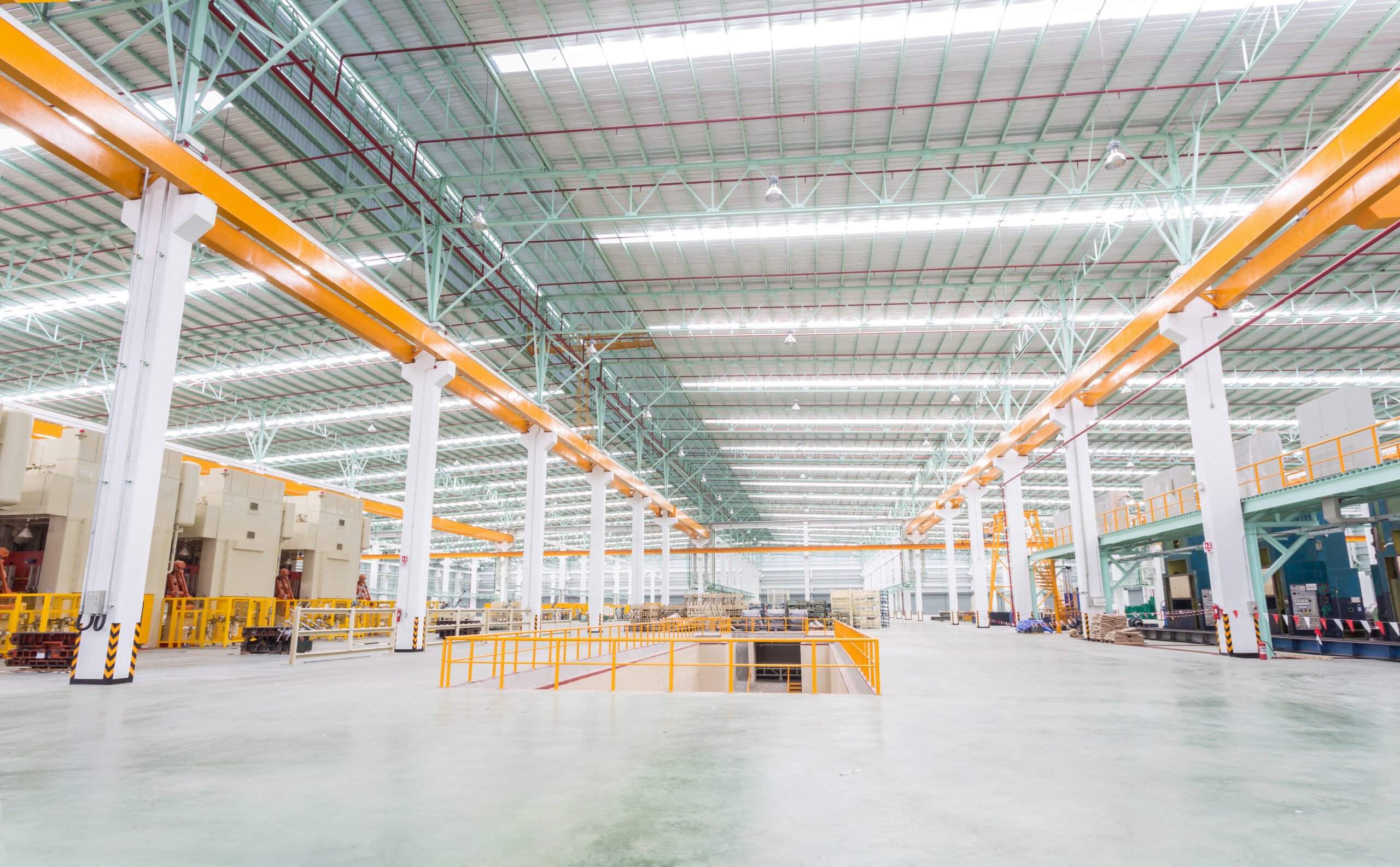
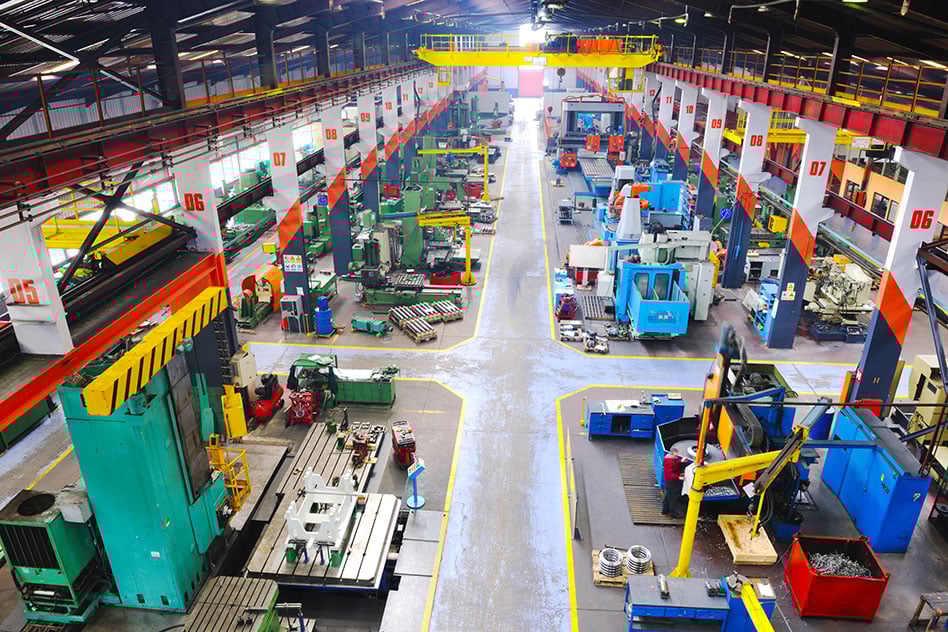
Beauty (STC) Manufacturing Co., Ltd. operates a modern and well-equipped manufacturing facility in Jiangmen, Guangdong Province, strategically located within one of China’s key industrial hubs for electronics and lighting production. The Jiangmen factory is designed to support high-volume, precision manufacturing of LED lighting products, with a strong emphasis on quality control, efficiency, and scalability to meet both domestic and international market demands.
The factory is equipped with advanced Surface Mount Technology (SMT) production lines featuring high-speed, high-precision SMT machines from leading global brands. These machines ensure accurate placement of LED components and other surface-mounted devices on printed circuit boards (PCBs), enabling consistent product performance and reliability. The SMT lines are integrated with automated optical inspection (AOI) systems to detect soldering and component placement defects in real time, significantly enhancing production yield and product quality.
To ensure long-term reliability, all LED lighting products undergo rigorous aging tests within the Jiangmen facility. These tests simulate extended operation under controlled thermal and electrical conditions, typically running products at full power for durations ranging from 8 to 24 hours or more. This process helps identify early failures, verifies thermal management effectiveness, and confirms the stability of light output and color consistency before products are shipped to customers.
Beauty STC has robust OEM (Original Equipment Manufacturing) capabilities, particularly in customizing LED color specifications to meet client requirements. The company can produce LEDs in a wide range of color temperatures (from warm white to cool white) and offers solutions for full-color RGB and tunable white systems. With in-house optical and electronic engineering support, Beauty STC can tailor color rendering index (CRI), lumen output, and spectral distribution based on project needs. This flexibility allows the company to serve diverse markets including residential, commercial, industrial, and specialty lighting applications.
Overall, the Jiangmen factory reflects Beauty STC’s commitment to technological advancement, product quality, and customer-centric manufacturing, making it a reliable partner for global brands seeking high-performance, customized LED lighting solutions.
Application Scenarios
LED color tuning and dynamic color systems serve distinct purposes across hospitality, retail, and corporate environments. In hotels, tunable white LED systems (2700K-6500K) are essential in guest rooms to support circadian rhythms, allowing guests to select warmer tones for relaxation in the evening and cooler tones for morning alertness. Lobbies and event spaces benefit from RGBW systems to create mood-specific atmospheres – warm ambers for intimate gatherings, cool whites for conferences, or accent colors during themed events. Restaurants within hotels use saturated colors subtly to enhance food presentation, such as warm reds for steakhouses, while avoiding direct RGB illumination on dining tables to maintain natural food appearance.
Malls deploy RGBW systems strategically to drive engagement and sales. Accent lighting on feature walls or mannequins uses saturated colors to make merchandise pop, particularly in youth-oriented stores. Common areas like food courts employ tunable white lighting that shifts from energizing cool tones in mornings to welcoming warm tones by evening. Holiday seasons leverage full RGB capabilities for thematic displays, but installations must ensure colors align with brand identities – pastels for luxury boutiques versus vibrant primaries for toy stores. Critical zones like escalator landings use directional color washes to subtly guide foot traffic without causing visual fatigue.
Offices require restrained implementation. Tunable white systems (typically 3000K-5000K) in open workspaces support productivity by mimicking natural daylight cycles, with cooler temperatures during core work hours. RGB is restricted to non-work zones: reception areas for brand color accents, collaboration rooms for creative brainstorming modes, and wellness rooms for calming blues or greens. Never install dynamic color in focused work areas as saturated hues cause distraction and eye strain. Executive lounges may use subtle color washes during evening events but default to high-CRI tunable white for daily use.
Installation demands precision. Always verify thermal management – recessed RGB modules in hotel ceilings require minimum 10mm clearance above fixtures to prevent color shift from overheating. Use constant-current drivers with 0-10V or DALI controls in offices to avoid flicker during dimming; phase-cut dimmers cause erratic behavior in color systems. For mall feature walls, maintain 30-degree vertical aiming angles on accent lights to prevent hotspots on merchandise. Calibrate all tunable white systems to a consistent blackbody curve – cheap implementations jump between CCTs rather than transitioning smoothly. Crucially, batch-test every fixture for chromaticity consistency (within 3 SDCM) before installation; mismatched modules ruin the effect in continuous runs like hotel corridors. Finally, integrate with building management systems using open protocols – proprietary hotel control systems become obsolete within 5 years, stranding expensive color installations. Always include physical override switches in staff areas since maintenance teams frequently disable complex systems they cannot troubleshoot.
Why Choose Beauty STC Lighting
Discover the perfect LED color solutions for your next project by partnering with Beauty STC, a trusted leader in innovative lighting technology. Our expertise ensures precise color rendering, consistency, and performance tailored to your application. Whether you’re looking for tunable white, full-color RGB, or custom spectral outputs, we deliver quality you can rely on.
Take the next step in elevating your lighting designs. Partner with Beauty STC today and experience unmatched engineering support and product reliability. For inquiries or to discuss your requirements, contact us at [email protected]. Let’s bring your vision to life with intelligent LED color solutions.
⚡ LED Power Supply Calculator
Estimate the power supply needed for your LED strip project.