
Article Contents
Industry Insight: Landscape Lighting Design Examples
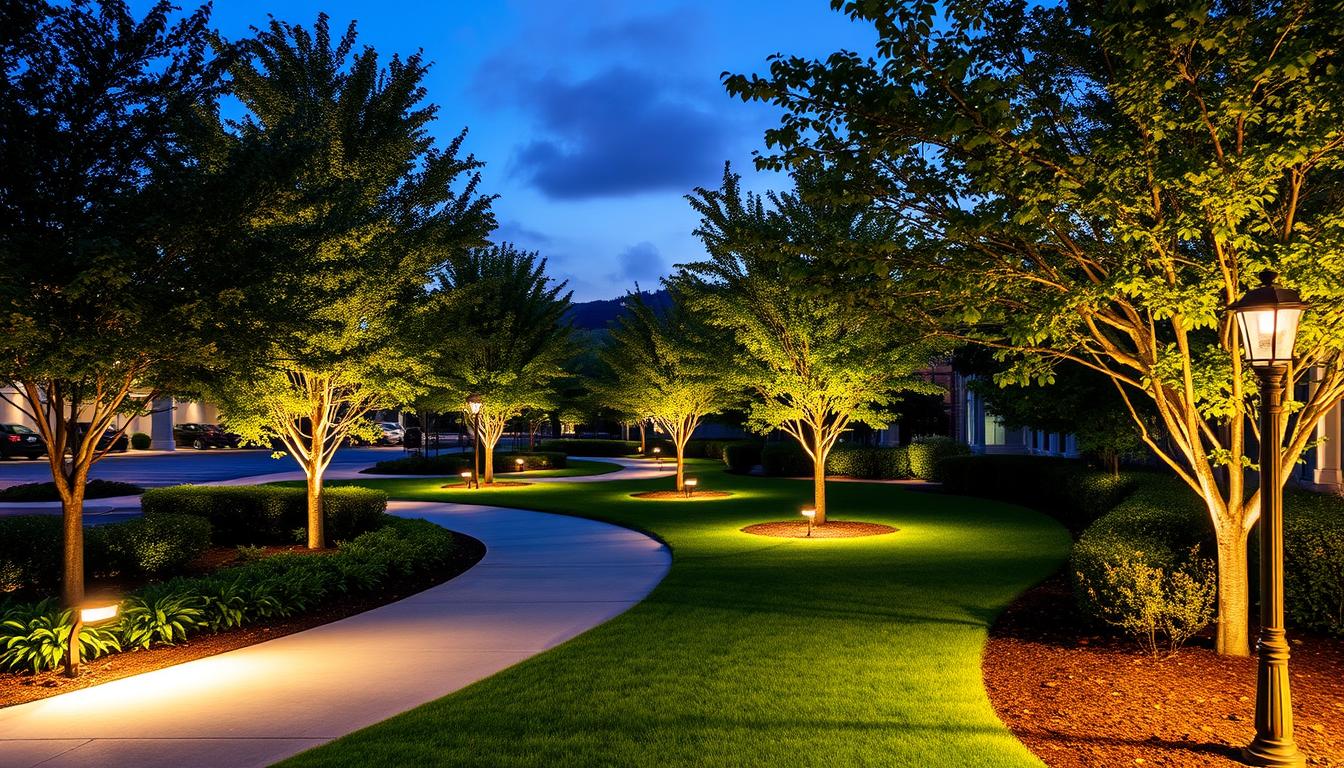
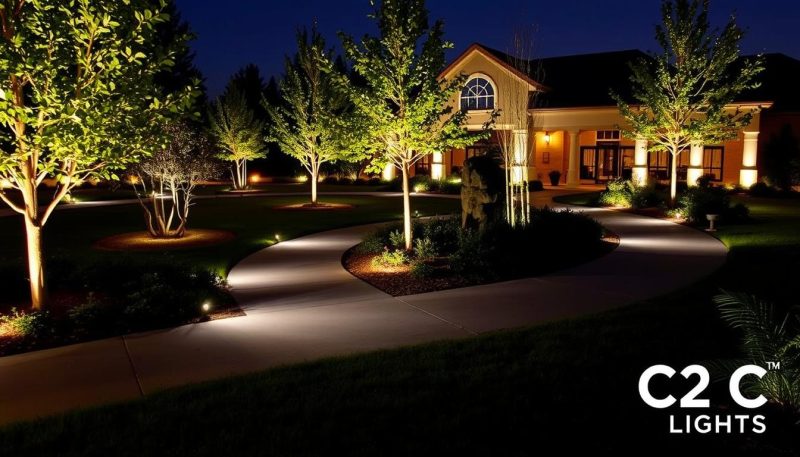
Landscape lighting in commercial and industrial environments goes far beyond aesthetics—it plays a critical role in safety, security, energy efficiency, and brand perception. As urban developments and industrial complexes continue to expand, the demand for durable, code-compliant, and intelligently designed outdoor lighting solutions has never been greater. Today’s projects require fixtures that not only withstand harsh environmental conditions but also meet rigorous international standards such as ETL and CE certification, ensuring electrical safety, performance reliability, and suitability for global deployment.
Since 1998, Beauty (STC) Manufacturing Co., Ltd. has been at the forefront of innovation in LED landscape lighting for commercial and industrial applications. With over two decades of engineering expertise, Beauty STC delivers high-performance lighting systems designed to harmonize functionality with architectural intent. Our products are engineered to exceed industry benchmarks, featuring robust construction, advanced thermal management, and compliance with ETL and CE standards—making them ideal for installations ranging from corporate campuses and manufacturing facilities to logistics centers and municipal infrastructure. As cities and industries embrace smarter, more sustainable lighting strategies, Beauty STC remains committed to empowering projects with solutions that are as reliable as they are elegant.
Technical Specs & Certifications
Landscape lighting design requires careful technical specification to ensure performance, longevity, and aesthetic quality in demanding outdoor environments. At Beauty STC Manufacturing Co., Ltd., we engineer our LED landscape fixtures to exceed industry standards, focusing on three critical parameters: lumens per watt efficacy, high color rendering index, and robust ingress protection. For path and step lighting applications, effective designs typically target 15-25 lumens per watt at the fixture level, balancing sufficient illumination for safety with energy conservation. Beauty STC achieves consistent real-world system efficacies of 120-140 lumens per watt across our low-voltage landscape range by utilizing high-efficiency multi-die LED arrays coupled with precision optical systems and thermally optimized drivers, significantly reducing operational costs while minimizing heat buildup within the fixture housing.
Color fidelity is paramount for accurately rendering natural textures like foliage, stone, and wood. All Beauty STC landscape fixtures specify a minimum CRI of 92, with R9 (saturated red) values exceeding 50, ensuring vibrant yet natural color representation critical for premium landscape architecture. This is achieved through our proprietary multi-phosphor LED formulations and strict binning processes during manufacturing, avoiding the greenish or washed-out tones common in lower-CRI alternatives. Unlike competitors who may cite CRI 90+ at the LED chip level, Beauty STC guarantees these values at the complete fixture output under real operating conditions, including thermal management effects.
Ingress protection is non-negotiable for outdoor resilience. Beauty STC mandates IP67 as the baseline rating for all above-ground landscape fixtures such as bollards, spotlights, and path lights, ensuring complete dust ingress protection and survival of temporary immersion up to 1 meter for 30 minutes. For submersible applications like pond or fountain lighting, we deploy IP68-rated fixtures rigorously tested for continuous submersion beyond 3 meters. Our quality differentiation lies in the execution: dual O-ring sealing with medical-grade silicone, marine-grade 316 stainless steel hardware, and epoxy-potted driver compartments prevent moisture migration even under thermal cycling and UV exposure. This engineering rigor, validated through 1,000+ hour salt spray testing per ASTM B117, directly supports our industry-leading 5-year warranty against corrosion and failure.
Beauty STC’s commitment to quality transcends basic specifications. We implement in-house thermal imaging during prototyping to validate heat dissipation below critical thresholds, ensuring lumen maintenance of L90/B10 > 50,000 hours even in ambient temperatures up to 50°C. Our fixtures undergo accelerated lifetime testing simulating 7 years of monsoon, freeze-thaw, and UV exposure cycles before release. This systematic approach to material science, optical engineering, and environmental hardening delivers landscape lighting solutions where technical excellence directly enables design integrity and long-term client satisfaction.
Factory Tour: Manufacturing Excellence
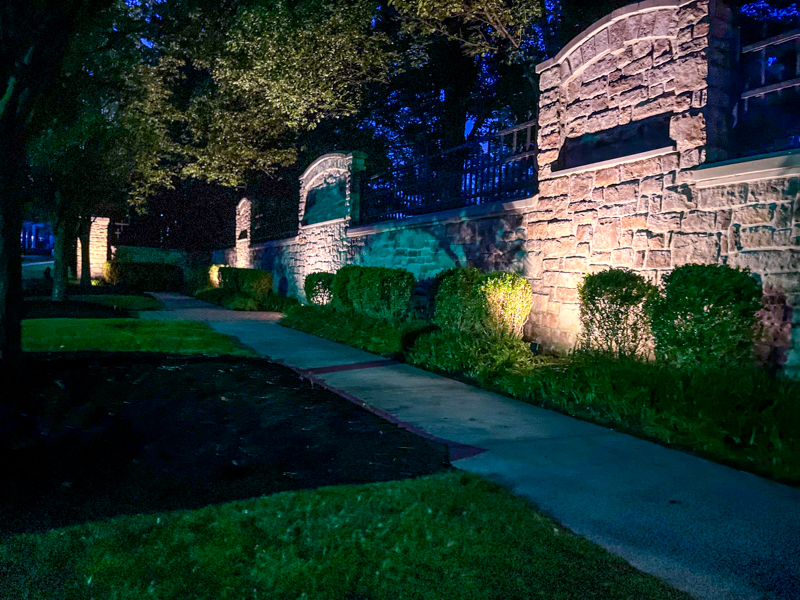
Beauty (STC) Manufacturing Co., Ltd.’s factory in Jiangmen, Guangdong Province, is a modern, vertically integrated production facility specializing in high-quality LED lighting solutions. Strategically located in the Pearl River Delta region, the Jiangmen factory benefits from strong supply chain logistics and access to skilled technical labor, enabling efficient and scalable manufacturing operations.
The facility is equipped with advanced Surface Mount Technology (SMT) production lines, which are essential for the precise and reliable assembly of LED lighting components. These SMT machines ensure high-speed placement of surface-mounted devices such as LED chips, resistors, and ICs onto printed circuit boards (PCBs), with tight tolerance and consistent quality. Automated optical inspection (AOI) systems are integrated into the SMT process to detect soldering defects and component misalignment, ensuring high yield rates and product reliability.
To guarantee long-term performance and durability, the factory conducts comprehensive aging tests on finished products. Completed lighting units undergo extended burn-in periods—typically 48 to 72 hours—under controlled temperature and humidity conditions. During this process, electrical parameters are monitored to identify early failures and verify thermal management efficiency. This rigorous testing protocol ensures that only products meeting strict quality standards are shipped to customers.
Beauty STC has robust OEM (Original Equipment Manufacturer) and ODM (Original Design Manufacturer) capabilities, particularly in the area of landscape lighting design. The company supports custom development based on client specifications, including unique form factors, color temperatures, IP ratings, and optical distributions. For landscape lighting design examples, the team can provide tailored solutions such as LED ground lights, step lights, path lights, bollard lights, and underwater pond lights, all engineered for outdoor durability and aesthetic integration. Clients receive full technical support—from 3D modeling and photometric reports to prototyping and compliance testing—ensuring that each product meets both functional and regulatory requirements for global markets.
Overall, the Jiangmen factory combines advanced automation, quality assurance, and flexible manufacturing to deliver reliable, high-performance LED lighting products for a wide range of landscape applications under private label or custom brand specifications.
Application Scenarios
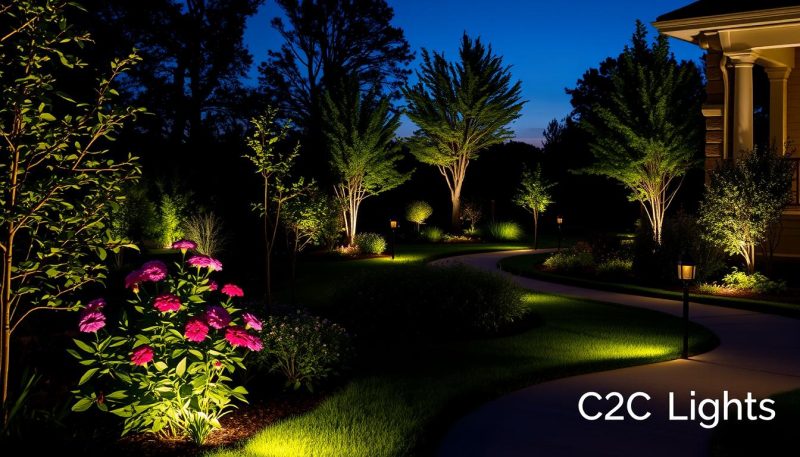
Landscape lighting design examples serve as critical visual references and technical guides when planning exterior illumination for commercial properties. For hotels, these examples demonstrate how layered lighting creates immersive guest experiences from arrival through outdoor amenities. Key applications include illuminating porte-cocheres with warm pathway lighting to establish immediate luxury cues, using subtle grade-level fixtures to highlight landscaping around lobbies without glare, and implementing underwater LED systems in resort pools with color-changing capabilities for evening ambiance. Hotel examples also showcase security-focused solutions like shielded wall packs along service corridors that maintain safety while preserving the property’s aesthetic.
In mall environments, landscape lighting examples prove invaluable for balancing high-traffic safety with brand identity. They illustrate strategic fixture placement in multi-level parking structures where uniform 2-5 footcandle illumination prevents trip hazards while minimizing light trespass into adjacent properties. Entrance plazas benefit from examples showing architectural grazing on signature facades using adjustable LED wall washers, creating visual anchors that draw shoppers after dark. Pedestrian walkways between retail wings require careful demonstration of cross-illuminated pathways with bollard spacing calibrated to prevent shadow zones, while examples for dining terraces emphasize glare-controlled downlighting that maintains comfortable dining experiences without spilling onto neighboring tenants.
Office complexes utilize landscape lighting examples primarily to extend professional branding into after-hours scenarios and ensure secure access. Examples effectively communicate how low-voltage path lighting along employee walking routes maintains safety without creating institutional feel, with specific demonstrations of fixture setback distances from building foundations to avoid insect attraction near entrances. Executive building examples showcase precision uplighting on corporate signage using narrow beam fixtures with strict cutoff angles to prevent skyglow, while campus-style offices reference examples featuring integrated lighting in seating areas that automatically dims during non-business hours to conserve energy while maintaining minimal security presence.
Installation requires meticulous attention to detail regardless of application. Always conduct a site survey during both daylight and nighttime conditions to identify existing light pollution sources and natural sightlines that will affect fixture placement. For all commercial projects, implement a 12-gauge stranded copper direct burial cable system with watertight splice kits rather than standard residential 16-gauge wire to prevent voltage drop across large properties – calculate voltage drop at the farthest fixture using the actual cable run length, not straight-line distance. Transformer placement must occur within 50 feet of the first fixture zone with adequate airflow clearance, never buried directly under mulch which traps heat. When installing near irrigation systems, elevate all low-voltage splice vaults at least 6 inches above grade and seal conduit entries with silicone-based waterproofing compound to prevent hydrostatic pressure damage during winter freezes. Crucially, verify all photocell sensors are mounted facing true north to avoid false triggering from adjacent building reflections, and program timeclock backups to activate 30 minutes before employee arrival times for office properties to ensure fully illuminated pathways at critical usage periods. Always document exact fixture aiming angles and photometric reports during commissioning for future maintenance reference, as commercial landscapes often require seasonal readjustments due to plant growth.
Why Choose Beauty STC Lighting
Explore our landscape lighting design examples to inspire your next outdoor project. From elegant pathway illumination to dramatic architectural highlighting, Beauty STC delivers innovative and durable lighting solutions tailored to enhance any exterior space. Partner with us to bring your vision to life with expert guidance and premium-quality products. For inquiries and personalized support, contact us at [email protected].
⚡ LED Power Supply Calculator
Estimate the power supply needed for your LED strip project.