
Article Contents
Industry Insight: Kitchen Cabinets Led Lights
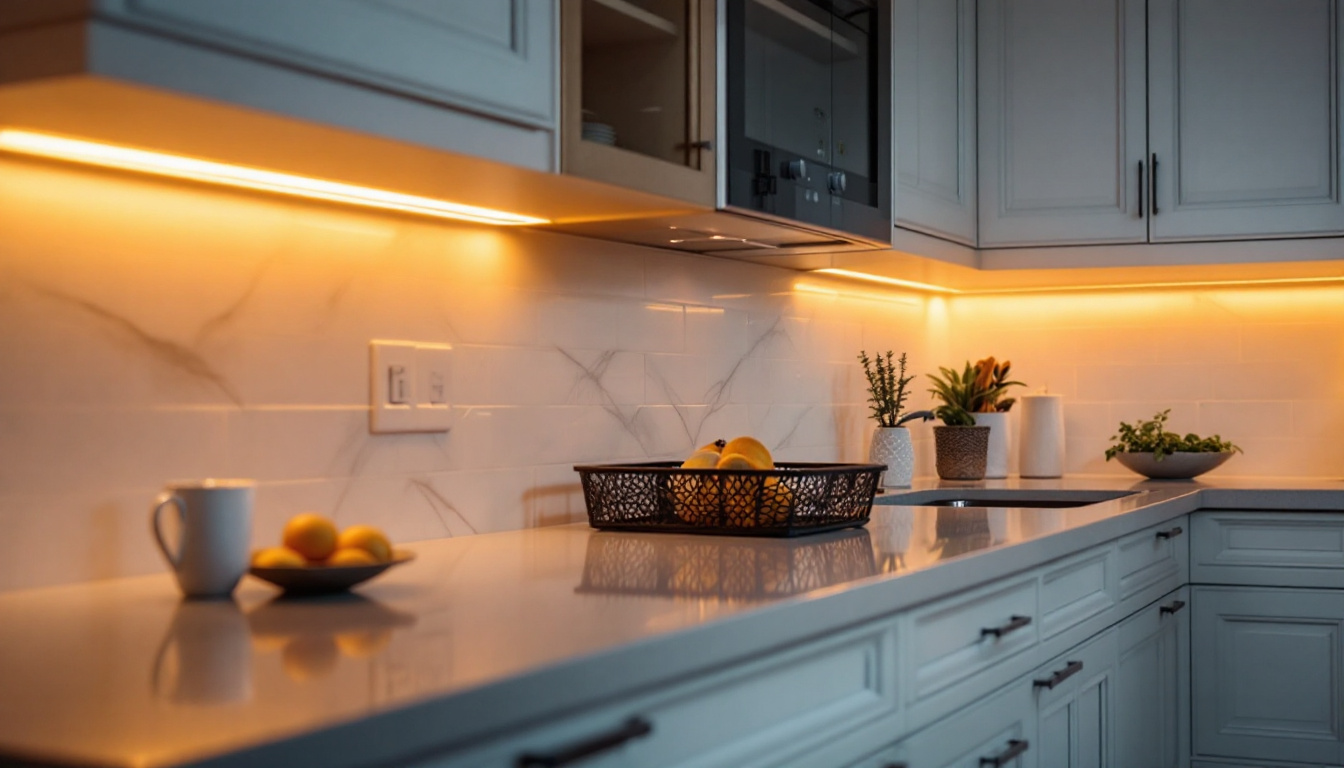
The integration of LED lighting into commercial and industrial kitchen cabinetry has evolved from a design enhancement to a functional necessity, driven by the demand for energy efficiency, durability, and compliance with stringent safety standards. In environments where precision, hygiene, and operational uptime are critical—such as commercial kitchens, food processing facilities, and institutional catering operations—proper illumination within cabinetry ensures visibility, safety, and adherence to operational protocols. LED lighting solutions designed for these applications must meet rigorous performance benchmarks, with certifications such as ETL and CE underscoring compliance with North American and international electrical and safety regulations. These certifications are not merely marks of quality but essential requirements for integration into commercial building projects and industrial facilities where code compliance is mandatory.
Beauty (STC) Manufacturing Co., Ltd., established in 1998, has emerged as a trusted innovator in the industrial LED lighting sector, specializing in high-performance solutions tailored for demanding environments. With over two decades of engineering expertise, Beauty STC delivers robust, code-compliant LED lighting systems designed specifically for integration into commercial kitchen cabinetry. Our products combine long service life, low maintenance requirements, and consistent lumen output—critical attributes for industrial clients seeking reliable illumination without compromising on safety or regulatory standards. As the commercial foodservice and industrial kitchen sectors continue to prioritize efficiency and code adherence, Beauty STC remains at the forefront, providing certified, purpose-built LED lighting solutions that meet the evolving needs of modern commercial spaces.
Technical Specs & Certifications
Kitchen cabinet LED lighting requires precise technical specifications to ensure optimal performance in demanding residential environments. At Beauty STC Manufacturing Co., Ltd., our engineered solutions prioritize efficiency, color fidelity, and durability, directly addressing the core requirements for premium kitchen applications.
Lumens per watt (lm/W) is critical for energy efficiency and thermal management in confined cabinet spaces. Beauty STC’s dedicated kitchen LED modules and strips consistently achieve 110-130 lm/W under real-world operating conditions at 25°C ambient temperature. This high efficacy is maintained through proprietary driver topologies and optimized thermal pathways in our aluminum-backed PCB designs, ensuring sustained light output without premature lumen depreciation. We exceed standard industry benchmarks by utilizing high-binning Samsung or Epistar LEDs coupled with low-loss constant-current drivers, avoiding the efficiency drops common in lower-cost alternatives that prioritize initial cost over lifetime performance.
Color Rendering Index (CRI) is non-negotiable for kitchen tasks where accurate food and surface color perception is essential. All Beauty STC kitchen cabinet lighting products guarantee a minimum CRI of Ra95, with typical production units measuring Ra97-Ra98. Crucially, we emphasize high R9 (saturated red) values above 90, which is vital for rendering meats, fruits, and vibrant dishware naturally. This is achieved through meticulously tuned phosphor blends in our 2700K-4000K CCT options, rigorously validated using Konica Minolta spectroradiometers during in-line production testing. We reject any binning that falls below Ra95, ensuring consistent color quality across all production batches—a commitment often overlooked by competitors who cite only average CRI values.
IP ratings must align with specific installation zones within the kitchen. For internal cabinet mounting where fixtures are protected from direct moisture, Beauty STC specifies IP20-rated rigid modules with conformal-coated electronics to resist humidity and outgassing from cabinetry materials. For under-cabinet task lighting exposed to steam and occasional splashes, we engineer fixtures to IP54 standards. This includes seamless silicone encapsulation of flexible strips, gasket-sealed aluminum profiles, and marine-grade anodized housings that prevent dust ingress and withstand directed water spray from sink areas. Our IP54 certification is validated per IEC 60529 with third-party testing reports available, avoiding the common industry practice of overstating protection levels based solely on component ratings.
Beauty STC’s quality differentiation manifests in rigorous engineering controls. We implement 100% automated optical testing (AOT) for lumen output and chromaticity, coupled with 48-hour burn-in cycles at elevated temperatures to identify infant mortality failures. Our thermal management uses extruded 6063-T5 aluminum channels with thermal interface materials ensuring junction temperatures remain below 65°C at 40°C ambient, directly contributing to L70 lifetimes exceeding 50,000 hours. Unlike generic suppliers, we provide full LM-80 and TM-21 reports traceable to individual production lots and adhere to strict UL 935 and DLC Premium standards. This systematic approach prevents the color shift, flicker, and premature failure prevalent in uncertified imports, delivering the reliability demanded by high-end kitchen designers and discerning homeowners.
Factory Tour: Manufacturing Excellence
Beauty (STC) Manufacturing Co., Ltd.’s factory in Jiangmen, China, is a modern and well-equipped facility specializing in the production of LED lighting solutions. Strategically located in the Jiangmen industrial zone, the factory benefits from efficient logistics and a skilled labor force, supporting both domestic and international market demands. The facility is designed to ensure high manufacturing standards, with dedicated areas for surface mount technology (SMT), assembly, quality control, and packaging.
The factory is equipped with advanced SMT machines that enable precise and efficient placement of electronic components on printed circuit boards (PCBs). These automated SMT lines ensure consistent soldering quality, high throughput, and minimal defect rates, which are critical for producing reliable LED lighting products. The use of automated optical inspection (AOI) systems further enhances quality assurance by detecting any placement or soldering anomalies in real time.
A key part of the production process at the Jiangmen facility is the aging test procedure. After assembly, all LED lighting products undergo rigorous aging tests under controlled conditions that simulate extended operation. This typically involves running the lights continuously at elevated temperatures and voltages for a period of 4 to 12 hours, depending on the product specifications. These tests help identify early failures, ensure product stability, and guarantee long-term performance, which is especially important for applications such as kitchen cabinet lighting where reliability and consistent illumination are essential.
Beauty STC has strong OEM capabilities and specializes in customized LED lighting solutions for kitchen cabinets. The company works closely with clients to develop tailored products that meet specific design, performance, and dimensional requirements. This includes custom PCB layouts, light output (lumens), color temperature (ranging from warm white to cool white), CRI (Color Rendering Index), power supply options (AC or DC), and various form factors such as tape lights, rigid bars, or under-cabinet profiles. The factory also supports branding services, including custom labeling, packaging, and private labeling, making it a preferred partner for distributors, kitchen furniture manufacturers, and lighting brands seeking high-quality, OEM-branded LED solutions.
Overall, the Jiangmen factory combines automation, strict quality control, and flexible manufacturing to deliver durable, energy-efficient LED lighting products tailored to the needs of modern kitchen environments.
Application Scenarios
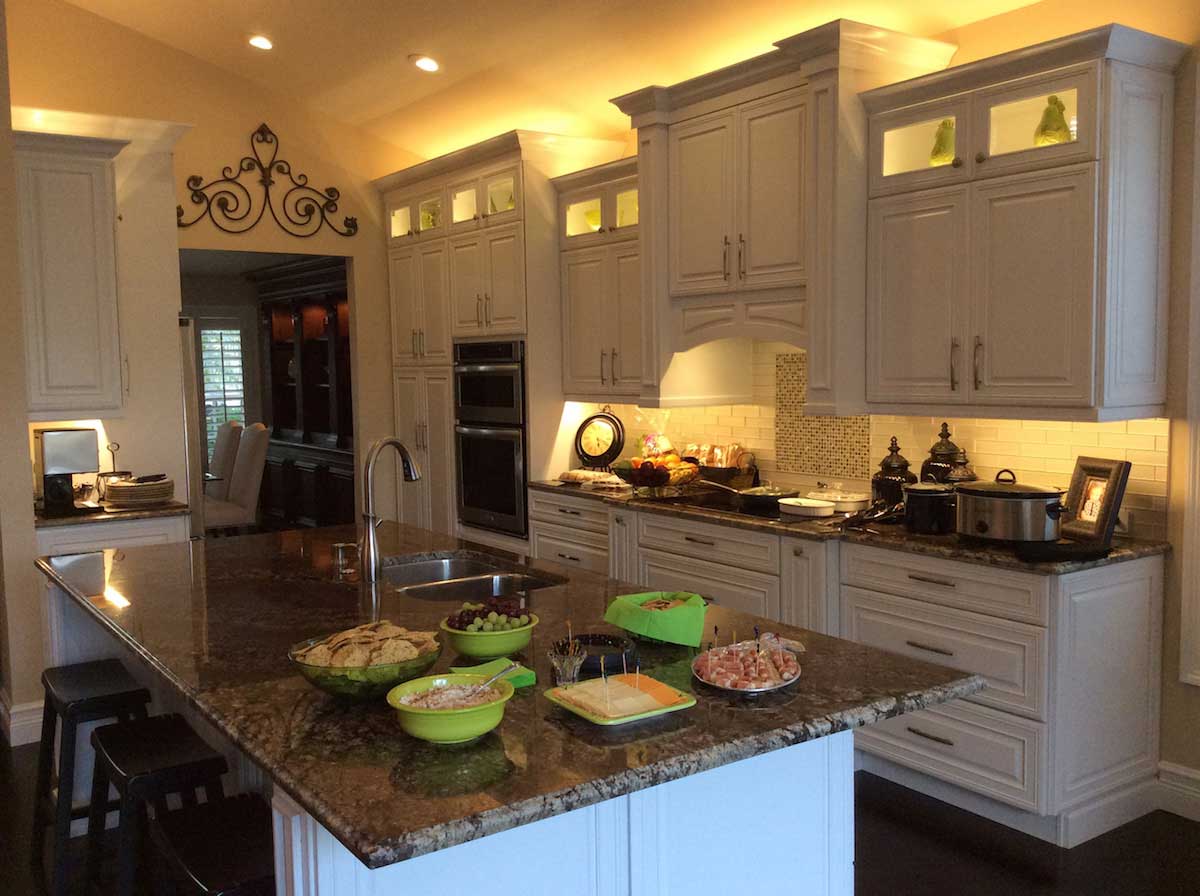
Kitchen cabinet LED lighting serves specific functional purposes primarily within food preparation and service areas. Its application in hotels, malls, and offices is limited to actual kitchen environments and not general public or office spaces. Malls rarely contain operational kitchens beyond minor kiosk food stations, which typically do not utilize under-cabinet lighting. Offices generally lack full kitchens, though staff break rooms with limited food prep may occasionally incorporate such lighting.
In hotels, kitchen cabinet LED lighting is essential within back-of-house commercial kitchens including main production kitchens, banquet preparation areas, pastry stations, and staff cafeteria kitchens. These lights illuminate work surfaces for safe food handling, knife work, and ingredient measurement. High-end hotel suites or executive lounges with integrated wet bars or butler pantries may also feature discreet under-cabinet lighting for guest use. Installation must prioritize durability against heat, steam, and frequent cleaning; recessed aluminum channels with IP65-rated LED strips are standard to prevent grease ingress and ensure longevity. Electrical connections require hardwiring by licensed professionals per local commercial codes, avoiding plug-in adapters which are fire hazards in commercial settings.
For offices and malls, application is restricted to staff break rooms containing sinks and countertops used for food preparation. This is uncommon in standard offices and rare in malls outside dedicated employee areas. If installed, lighting should be limited to the underside of upper cabinets above the sink or prep zone. Use low-voltage, hardwired systems with a dedicated circuit to avoid overloading shared break room outlets. Ensure all components carry commercial electrical certifications (UL 1598/2108 in North America, CE in Europe) as consumer-grade strips fail prematurely under daily use.
Critical installation practices apply universally: Always mount LEDs within extruded aluminum channels to manage heat dissipation—direct adhesive mounting to cabinets causes premature lumen depreciation. Position strips 1-2 inches back from the cabinet front edge to eliminate harsh shadows on the countertop. For commercial kitchens, select 24V DC systems with constant-current drivers to maintain consistent output as voltage fluctuates during heavy equipment cycling. Never run wiring through cabinet hinge cutouts or drill into cabinet bottoms without verifying internal wiring or plumbing routes. Finally, implement a maintenance access strategy; commercial cabinets often house heavy equipment, so design the system with removable lens covers or modular strip sections for easy replacement without dismantling entire cabinet runs. Proper installation ensures 50,000+ hours of service life even in demanding environments.
Why Choose Beauty STC Lighting
Transform your kitchen cabinets with premium LED lighting solutions designed for style and functionality. Partner with Beauty STC, a trusted leader in innovative LED lighting manufacturing. Our high-quality, energy-efficient cabinet lighting enhances visibility and elevates the aesthetic of any kitchen space.
For seamless integration and exceptional performance, collaborate with our expert team to customize the perfect lighting solution for your needs. Contact us today at [email protected] to start your partnership with Beauty STC.
⚡ LED Power Supply Calculator
Estimate the power supply needed for your LED strip project.