
Article Contents
Industry Insight: House Lighting Up
In the evolving landscape of commercial and industrial lighting, innovation, safety, and regulatory compliance are paramount. As facilities increasingly prioritize energy efficiency, durability, and intelligent lighting solutions, the demand for high-performance luminaires that meet rigorous international standards has never been greater. In this environment, certifications such as ETL and CE serve as critical benchmarks, ensuring that lighting products adhere to stringent electrical, safety, and electromagnetic compatibility requirements in both North American and European markets. These certifications not only validate product reliability but also provide peace of mind to engineers, contractors, and facility managers responsible for large-scale lighting installations.
At the forefront of this transformation is Beauty (STC) Manufacturing Co., Ltd., a trusted name in the lighting industry since its establishment in 1998. With over two decades of engineering excellence, Beauty STC has built a strong reputation for delivering robust, code-compliant commercial and industrial lighting solutions tailored to the demanding needs of warehouses, manufacturing plants, distribution centers, and retail environments. By integrating advanced thermal management, optical efficiency, and rugged construction with full compliance to ETL and CE standards, Beauty STC continues to set new benchmarks in performance-driven illumination. As we light up the future of industrial spaces, Beauty STC remains committed to quality, innovation, and sustainable lighting advancement.
Technical Specs & Certifications
Beauty STC Manufacturing Co., Ltd. designs and manufactures residential LED lighting solutions meeting rigorous global standards for performance and reliability. Our “house lighting up” product lines, encompassing downlights, panels, and decorative fixtures, are engineered with specific technical parameters critical for modern home environments. Lumens per Watt efficiency is a core focus, with our standard residential luminaires consistently achieving 100-120 lm/W at the system level. This measurement reflects the complete luminaire output including optics and driver losses, not just the bare LED chip, ensuring real-world energy savings. We attain this through high-efficacy LED packages combined with optimized thermal management and driver efficiency exceeding 90%, significantly outperforming older technologies and lower-tier competitors who often cite unrealistic chip-level figures.
Color Rendering Index (CRI) is non-negotiable in our residential portfolio. All standard “house lighting up” products feature a minimum CRI of Ra 90, with the vast majority achieving Ra 92-95 across the full visible spectrum. Crucially, we prioritize R9 (saturated red) values above 50 in these high-CRI products, ensuring accurate and vibrant rendering of skin tones, fabrics, and food – a detail often overlooked by manufacturers meeting only the minimum Ra 90 threshold. This commitment stems from extensive human-centric lighting research and stringent binning processes during LED procurement, guaranteeing consistent color quality batch after batch.
IP Ratings are applied contextually based on fixture location within the home, avoiding unnecessary cost or complexity. General room luminaires (living rooms, bedrooms, hallways) utilize robust die-cast aluminum or high-grade polycarbonate housings rated IP20, providing adequate protection against finger contact and large dust particles while ensuring optimal thermal performance. For wet or damp zones, we implement precise IP classifications: bathroom ceiling fixtures outside zones require IP44, while shower niches and outdoor covered entries demand IP65-rated sealed optics and gasketed housings. Our engineering team meticulously validates these ratings through in-house IP testing chambers simulating real-world ingress conditions, exceeding basic IEC 60598 requirements.
Beauty STC’s quality differentiation lies in systemic engineering, not just component selection. We utilize multi-layer ceramic PCBs for superior thermal conductivity, proprietary driver topologies with 3-year warranty backed by 50,000-hour L70 lifetime ratings, and undergo 100% automated photometric and electrical testing. Unlike competitors who prioritize cost-cutting, our fixtures incorporate aerospace-grade thermal interface materials and conformal-coated drivers to withstand humidity fluctuations. This holistic approach, validated through IEC 62612 and LM-80 testing protocols, ensures sustained lumen maintenance, flicker-free operation below 5%, and color stability over the product lifecycle – delivering the performance metrics we specify reliably in-home environments.
Factory Tour: Manufacturing Excellence
Beauty (STC) Manufacturing Co., Ltd.’s factory in Jiangmen, Guangdong Province, is a modern, vertically integrated manufacturing facility specializing in LED lighting products. Strategically located in the Pearl River Delta region, the Jiangmen plant benefits from excellent supply chain logistics and access to skilled technical labor, supporting efficient production for both domestic and international markets.
The factory is equipped with advanced Surface Mount Technology (SMT) production lines, which are essential for high-precision assembly of LED lighting components. These SMT machines ensure accurate placement of surface-mounted devices such as LED chips, drivers, and control circuitry onto printed circuit boards (PCBs). The automated SMT lines operate with high speed and repeatability, enabling large-volume production while maintaining strict quality control. The process is supported by automated optical inspection (AOI) systems that detect defects in real time, ensuring consistent product reliability.
To guarantee long-term performance and durability, Beauty STC conducts comprehensive aging tests on its lighting products at the Jiangmen facility. Completed units undergo extended burn-in tests under elevated temperatures and continuous operation, typically lasting 8 to 12 hours or more depending on product specifications. This process helps identify early-life failures, validates thermal management designs, and ensures that products meet required lumen maintenance and color stability standards before shipment.
The factory has strong OEM (Original Equipment Manufacturer) and ODM (Original Design Manufacturer) capabilities, making it well-suited to support custom lighting solutions under private labels. For the “house lighting up” market—referring to residential and decorative indoor lighting—Beauty STC offers full-service development including optical design, thermal management, driver integration, and aesthetic housing solutions. Clients can collaborate with the company’s engineering team to customize form factors, color temperatures, dimming functionalities, and smart controls. The OEM process is supported by in-house tooling, plastic injection molding, aluminum extrusion, and finishing operations such as powder coating and anodizing.
Overall, the Jiangmen factory reflects Beauty STC’s commitment to manufacturing excellence, technological innovation, and flexible customer support in the competitive LED lighting industry.
Application Scenarios
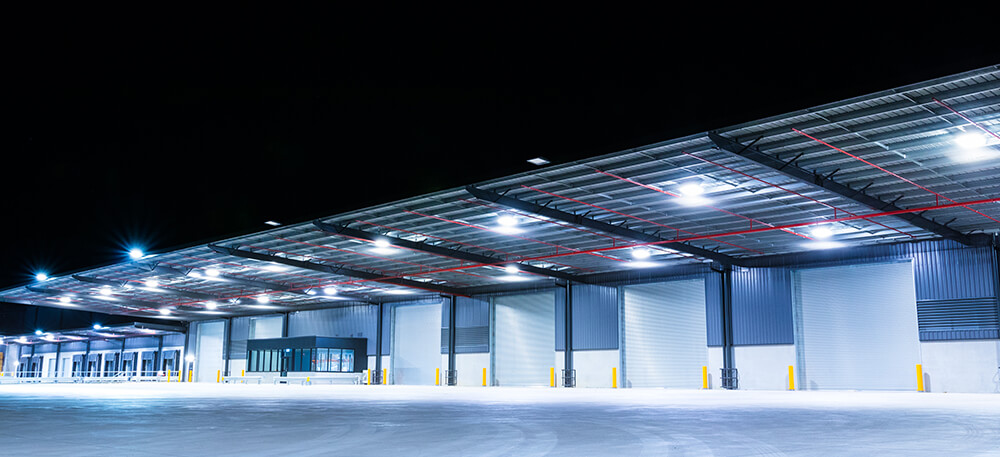
The term “house lighting up” is not standard industry terminology within architectural or commercial LED lighting. It appears to be a potential misphrasing or translation issue. Based on the context of hotels, malls, and offices, it is highly likely the intended concept refers to strategic accent lighting, feature highlighting, or architectural illumination – specifically using LED fixtures to draw attention to key elements, enhance ambiance, or define spaces within these environments. This is distinct from general ambient or task lighting. Below is a clear breakdown of appropriate applications and critical installation considerations for such targeted lighting in the specified venues.
In hotels, this type of lighting is essential for creating atmosphere and guiding guests. Focus on illuminating architectural details like reception desk facades, feature walls in lobbies, or textured plaster finishes to establish a premium feel. Corridor ends benefit from subtle wall grazing to avoid tunnel vision and improve perceived safety. Highlighting artwork in public areas or within guest room hallways adds sophistication. Feature lighting for bars, restaurants, or spa entrances uses focused downlights or linear cove systems to define zones and elevate the guest experience. Avoid over-illumination; the goal is layered, mood-enhancing light that complements rather than competes with ambient sources.
Malls require dynamic lighting to stimulate engagement and direct foot traffic. Entrances and atriums use dramatic vertical lighting on columns or feature sculptures to create an inviting first impression. Product displays within anchor stores or kiosks demand precise track or recessed spotlights with high CRI LEDs to render colors accurately and make merchandise visually compelling. Escalator landings and bridge undersides benefit from linear LED strips for safety and visual flow. Highlighting mall directories or digital signage ensures visibility. Crucially, mall lighting must support brand consistency for tenants while maintaining a cohesive overall environment; avoid conflicting color temperatures or intensities between adjacent stores.
Offices utilize this approach to enhance well-being and spatial definition without causing distraction. Feature lighting subtly highlights reception area branding walls or textured finishes to convey professionalism. Collaboration zones might use gentle uplighting on partition walls to soften the space and encourage interaction. Stairwells gain visual interest and safety with integrated step lighting or wall washers. Executive offices or boardrooms often incorporate discreet cove lighting to add depth during presentations. The key is restraint; lighting should support focus in work areas, not become a visual distraction. Prioritize glare control and uniformity to prevent eye strain during extended tasks.
Installation requires meticulous attention to detail for optimal performance and longevity. Always verify the local voltage stability and ensure compatible, high-quality constant current or constant voltage LED drivers are used; unstable power is a leading cause of premature LED failure. Thermal management is non-negotiable – confirm adequate fixture heat sinking and avoid installing high-output LEDs in enclosed, unventilated spaces like tight ceiling voids, as excessive heat drastically reduces lifespan. Precise aiming of adjustable fixtures like track heads or eyeballs is critical; use temporary masking tape on target surfaces during adjustment to ensure beam placement aligns perfectly with the intended feature, avoiding hotspots or dark gaps. Maintain strict consistency in correlated color temperature (CCT) across all fixtures within a single visual field – mixing 3000K and 4000K lamps in a hotel lobby, for instance, creates an unprofessional, disjointed appearance. Finally, plan for future maintenance by ensuring all drivers and replaceable modules are accessible without major ceiling disassembly; inaccessible components lead to costly downtime or entire fixture replacement later. Test all control systems thoroughly before final sign-off, especially dimming compatibility with the specified protocol.
Why Choose Beauty STC Lighting
Transform your space with brilliant, energy-efficient lighting solutions. Light up your home and elevate its ambiance by partnering with Beauty STC, a trusted leader in innovative LED lighting technology. Our high-quality, durable products are designed to meet the needs of modern homes and commercial spaces alike. For personalized service and expert guidance, contact us today at [email protected] and let Beauty STC illuminate your world.
⚡ LED Power Supply Calculator
Estimate the power supply needed for your LED strip project.