
Article Contents
Industry Insight: Home Cinema Lighting
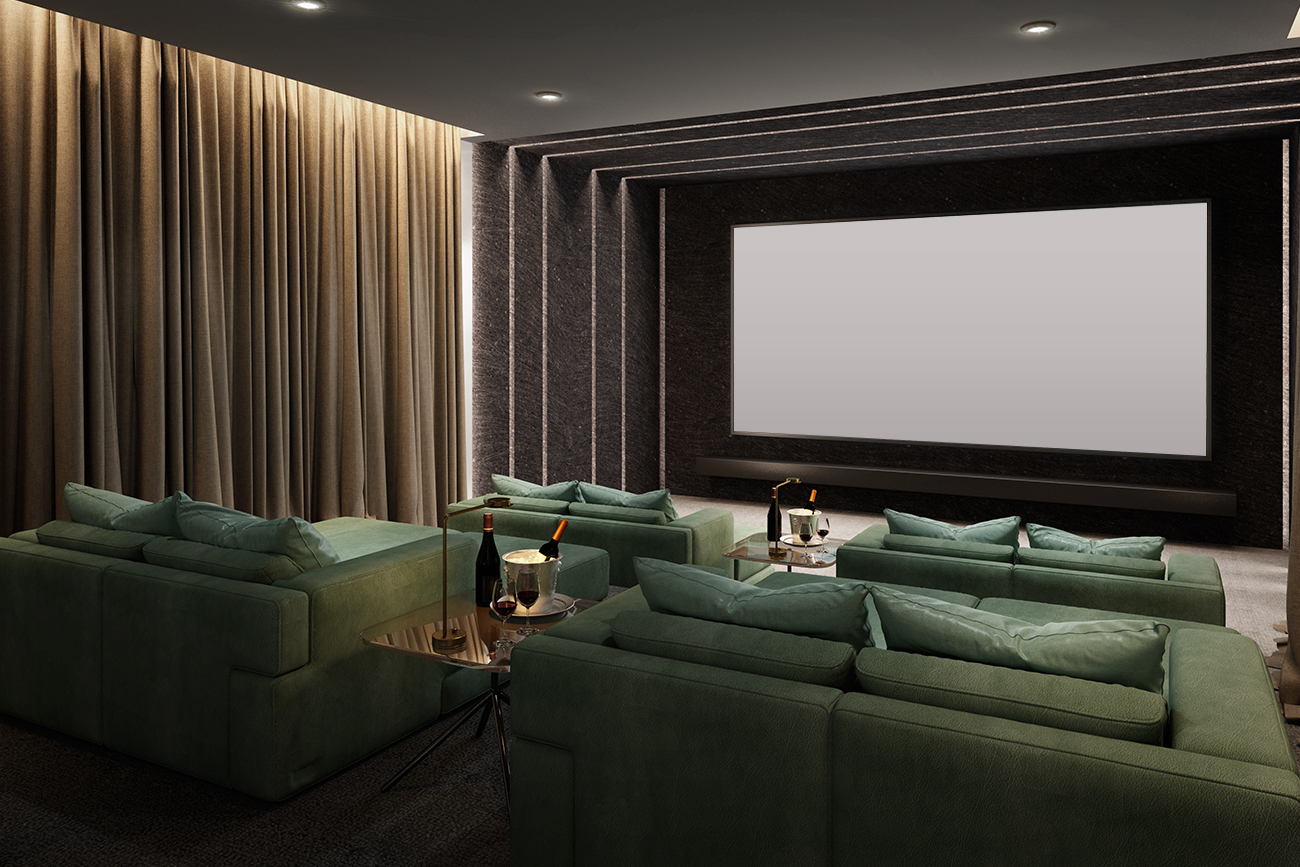
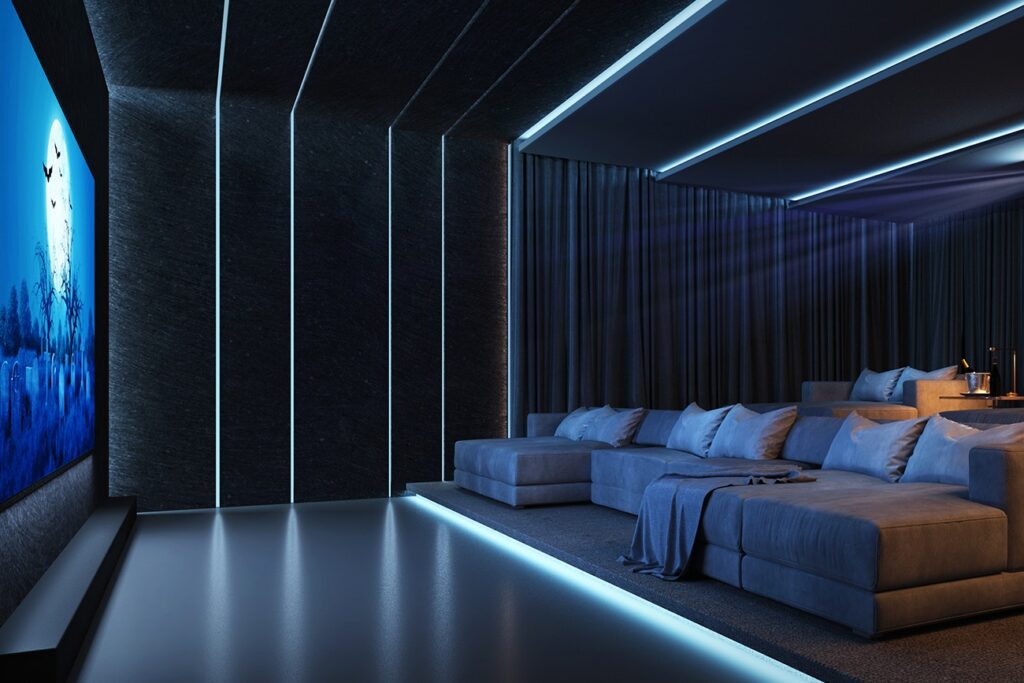
Home cinema lighting has evolved beyond ambient appeal to become an integral component of the premium audiovisual experience, particularly within the commercial and industrial lighting sector. As integrators and designers seek to deliver immersive environments for high-end residential theaters, hospitality venues, and boutique entertainment spaces, the demand for precision-engineered, reliable, and code-compliant lighting solutions has surged. In this specialized market, adherence to rigorous safety and performance standards such as ETL and CE certifications is not just a regulatory requirement but a mark of product integrity and compatibility with global installation practices. These certifications ensure that lighting systems operate safely under continuous use, meet electromagnetic compatibility norms, and align with energy efficiency benchmarks—critical factors for commercial deployments where performance and uptime are non-negotiable.
At the forefront of this innovation is Beauty (STC) Manufacturing Co., Ltd., a trusted name in LED lighting solutions since its founding in 1998. With over two decades of expertise in designing and manufacturing high-performance lighting systems, Beauty STC has established a strong presence in the commercial and industrial sectors, delivering tailored solutions that combine advanced optics, robust thermal management, and strict compliance with international standards. Leveraging deep engineering know-how and a commitment to quality, the company continues to support integrators and OEMs in creating dynamic, cinematic lighting environments that enhance visual comfort and elevate the storytelling power of modern home theaters.
Technical Specs & Certifications
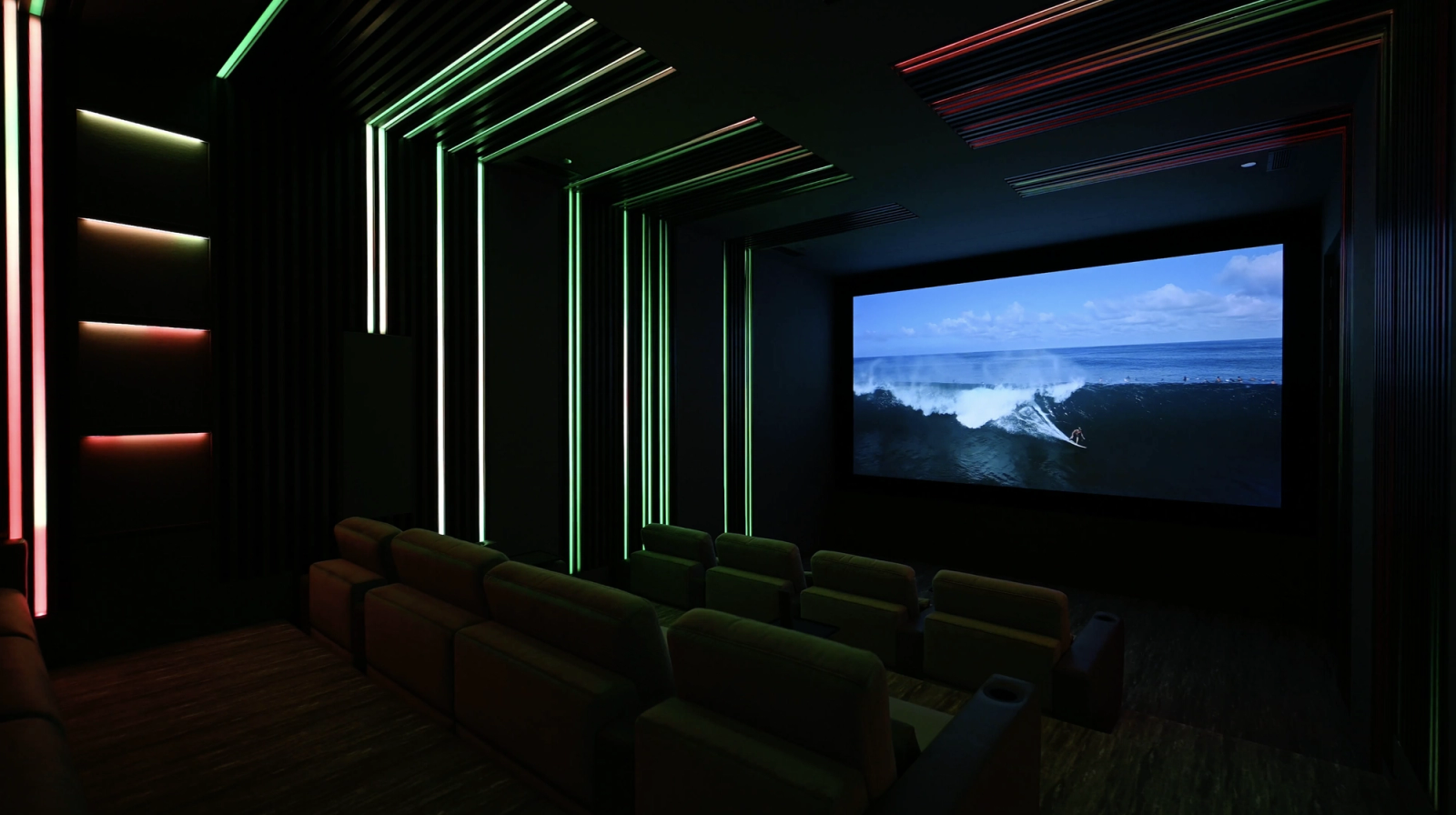
Home cinema lighting requires precise technical specifications to ensure optimal viewing conditions without compromising image quality on screen. For lumens per watt efficacy, our Beauty STC engineered solutions deliver 80-100 lumens per watt in low-output ambient lighting profiles. This range represents exceptional efficiency for the required dimming performance, as cinema lighting must operate effectively at 1-5% of maximum output without flicker while maintaining color stability. Higher raw lumen outputs are intentionally avoided to prevent screen glare and light pollution in the viewing environment.
Critical to cinematic color fidelity is a CRI consistently exceeding 90, with Beauty STC products achieving CRI 95+ and R9 values above 90 through proprietary multi-phosphor LED formulations. Our systems utilize R12 (blue) and R15 (Asian skin tone) optimized spectra to accurately reproduce film color grading. This exceeds standard CRI testing parameters and ensures skin tones, ocean blues, and critical reds in content appear natural. All units undergo spectrophotometer verification at three brightness levels before shipment to guarantee CRI stability across the dimming curve.
Regarding IP ratings, standard home cinema installations require IP20 protection as these are dry, interior environments. Beauty STC fixtures incorporate conformal-coated PCBs and sealed driver compartments even at this basic rating to prevent dust ingress that could cause thermal throttling over time. For installations near windows or in climate-controlled rooms where condensation may occur, we offer IP44-rated cove lighting with gasketed lens systems. This maintains optical clarity while protecting against moisture ingress without compromising the ultra-low glare design essential for cinema use.
Beauty STC’s quality differentiation lies in our thermal management architecture. Our aluminum-core PCBs with phase-change thermal interface materials maintain junction temperatures below 65°C even during 24/7 operation, preventing lumen depreciation and color shift. Each fixture undergoes 72-hour accelerated life testing at 55°C ambient temperature with real-time spectral analysis. We enforce strict MacAdam 1-step color binning across production batches and implement 0-10V/DMX drivers with <3% total harmonic distortion to eliminate visible flicker at any dimming level. This engineering rigor ensures our cinema lighting maintains specification compliance throughout its L70 lifetime of 50,000 hours, providing consistent, reference-grade ambient illumination that never distracts from the viewing experience.
Factory Tour: Manufacturing Excellence
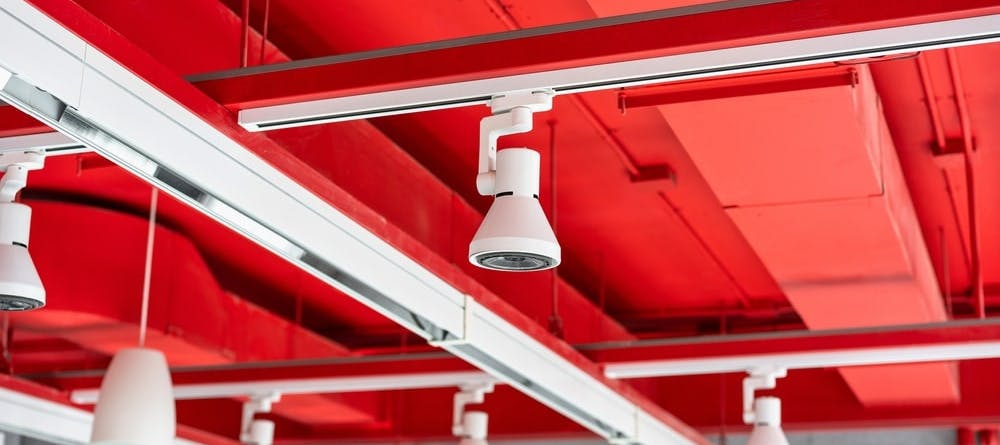
Beauty (STC) Manufacturing Co., Ltd.’s factory in Jiangmen, Guangdong Province, is a modern LED lighting production facility strategically located within one of China’s key manufacturing hubs. The Jiangmen site is fully equipped to support end-to-end manufacturing, from component assembly to final product testing, ensuring high efficiency, consistency, and quality control across all production runs.
The factory features advanced Surface Mount Technology (SMT) production lines that utilize high-precision automated machines for accurate placement of LED components and electronic parts onto printed circuit boards. These SMT lines operate with high speed and repeatability, enabling dense component layouts and supporting both small and large batch productions. The use of automated optical inspection (AOI) systems integrated into the SMT process ensures early detection of soldering or placement defects, contributing to superior product reliability.
To guarantee long-term performance and durability, all lighting products undergo rigorous aging tests. The factory maintains dedicated aging chambers where finished LED units are subjected to extended operation under elevated temperatures and voltage stress. This process typically lasts between 12 to 72 hours, depending on product specifications, allowing the team to identify early failures and verify thermal management, driver stability, and overall system robustness before shipment.
Beauty STC has strong OEM capabilities, particularly in the niche area of home cinema lighting. The company supports custom design, engineering, and manufacturing services tailored to clients’ exact requirements—such as color temperature tuning, dimming compatibility (including 0-10V, DALI, and PWM), RGB or tunable white systems, and low-glare optical designs suitable for dark viewing environments. Their engineering team works closely with partners to develop lighting solutions that integrate seamlessly into home theater setups, including cove lighting, step lights, under-shelf strips, and accent fixtures—all compliant with international safety and EMC standards.
With in-house mold making, plastic extrusion, aluminum profile fabrication, and full electrical assembly, the Jiangmen factory provides a vertically integrated supply chain that allows for fast prototyping, cost optimization, and scalable production—making Beauty STC a reliable partner for branded and private-label home cinema lighting solutions.
Application Scenarios
Home cinema lighting principles focus on creating immersive, adjustable atmospheres that minimize glare and support visual comfort during screen-based activities. While this concept originates in residential settings, its application in commercial environments like hotels, malls, and offices requires strategic adaptation to align with functional, safety, and user-experience requirements. Below is a breakdown of suitable applications and critical installation considerations for each setting.
Hotels represent the most appropriate venue for cinematic lighting concepts, particularly within premium suites, executive lounges, or dedicated screening rooms. In these spaces, layered lighting—such as dimmable perimeter cove lighting, tunable-white LED strips behind TVs, and focused accent lighting for pathways—enhances guest immersion during movie viewing while maintaining navigational safety. Avoid direct downlights in viewing zones to prevent screen glare, and prioritize wireless or wall-mounted controls for intuitive guest operation. Ensure all fixtures comply with hospitality fire safety codes, using low-voltage LED systems with adequate thermal management to prevent overheating in enclosed coves. Wiring must be concealed within walls or raceways to meet aesthetic standards and prevent tampering, with emergency egress lighting integrated separately to override dimming during power failures.
Malls present limited but viable opportunities for cinematic lighting in specific zones, such as high-end retail screening areas (e.g., luxury brand showrooms demonstrating products on large displays), VR gaming arcades, or premium cinema lobbies. Here, the goal shifts from immersion to directing attention—using subtle backlighting around digital signage or pathway markers with motion sensors to guide foot traffic without overwhelming shoppers. Crucially, lighting must never interfere with general mall illumination levels required for safety; maintain a minimum of 50 lux in walkways per IESNA standards. Install fixtures with high IP ratings (IP54 or above) to withstand dust and incidental moisture in high-traffic areas, and avoid complex dimming systems that could confuse users. All installations must include robust surge protection due to mall-wide power fluctuations and adhere to strict ADA compliance for fixture heights and glare control near entrances.
Offices generally do not benefit from traditional home cinema lighting, as prolonged screen use demands uniform, glare-free illumination to reduce eye strain. However, adaptable lighting principles can apply in specialized scenarios: creative team brainstorming rooms with projection walls might use tunable-white LED panels to shift from cool daylight (5000K) for active work to warm tones (2700K) during relaxed review sessions. Installation here requires precise calibration—avoiding any fixtures that cast shadows on screens or reflective surfaces. Prioritize Flicker-Free certified drivers to prevent headaches during extended use, and integrate with building management systems to auto-dim near windows based on daylight harvesting. Never implement deep dimming below 10% in workspaces, as this violates OSHA ergonomics guidelines; instead, use localized task lighting with 300–500 lux on desks while keeping ambient levels at 150–200 lux.
Universal installation best practices across all settings include thermal validation—commercial LED systems must undergo thermal imaging tests during peak load to prevent lumen depreciation—and strict adherence to local electrical codes for circuit loading. Always conduct a photometric simulation pre-installation to verify uniformity and avoid dark spots. For hospitality and retail, implement a 10–20% dimming buffer below the intended minimum level to accommodate future fixture aging. Finally, document all control protocols clearly for facility staff, as commercial environments often lack technical expertise for recalibration. Remember that cinematic lighting in commercial spaces serves secondary ambiance—it must never compromise primary safety, functionality, or regulatory compliance.
Why Choose Beauty STC Lighting
Transform your home cinema experience with premium lighting solutions designed to elevate ambiance and performance. Partner with Beauty (STC) Manufacturing Co., Ltd., a trusted leader in innovative LED lighting technology. Our customized home cinema lighting systems combine precision, style, and functionality to meet the highest industry standards.
For collaboration opportunities and expert guidance, contact our sales manager at [email protected]. Let Beauty STC illuminate your vision—reach out today and bring cinematic brilliance to every project.
⚡ LED Power Supply Calculator
Estimate the power supply needed for your LED strip project.