
Article Contents
Industry Insight: Headboard Lighting Ideas
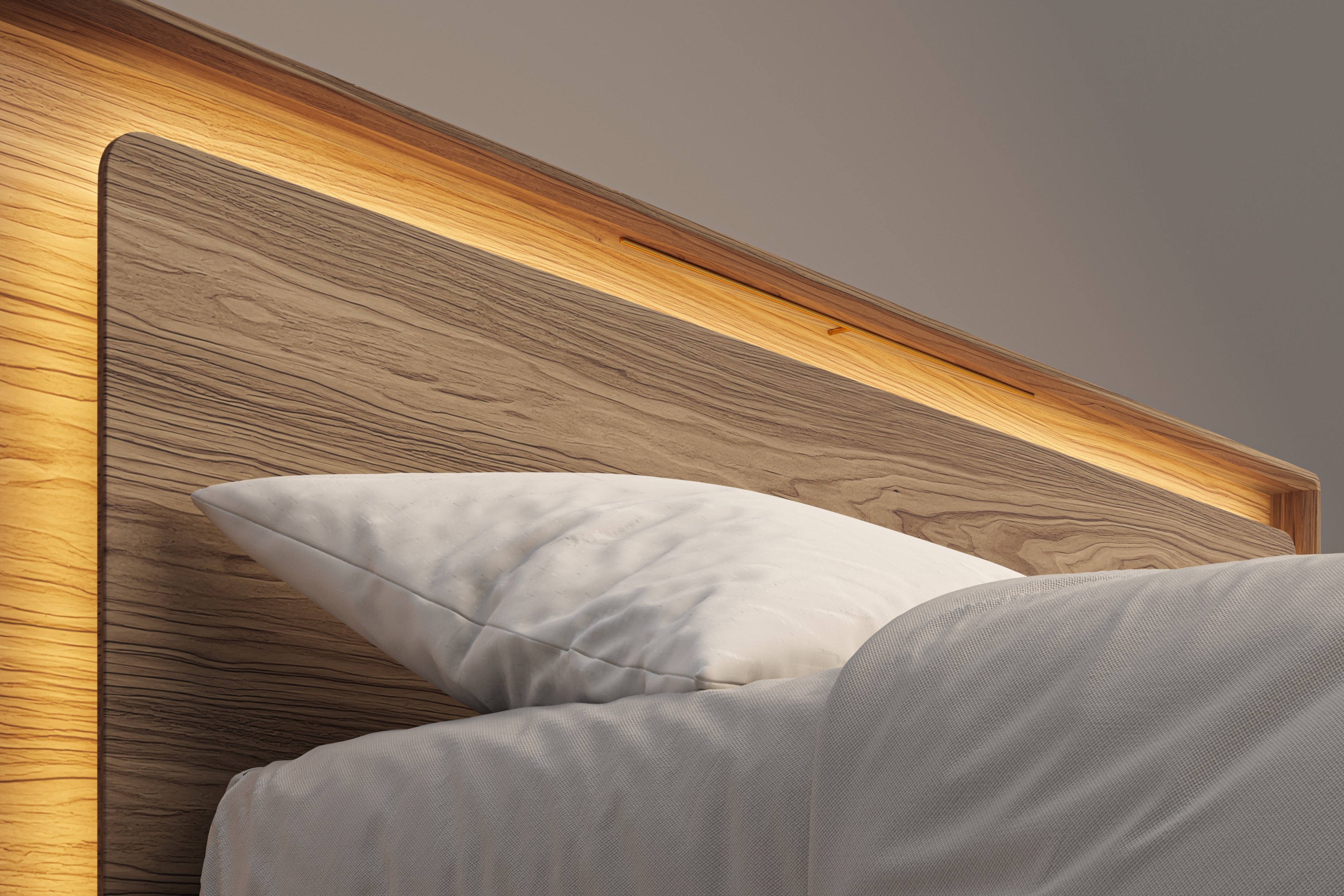
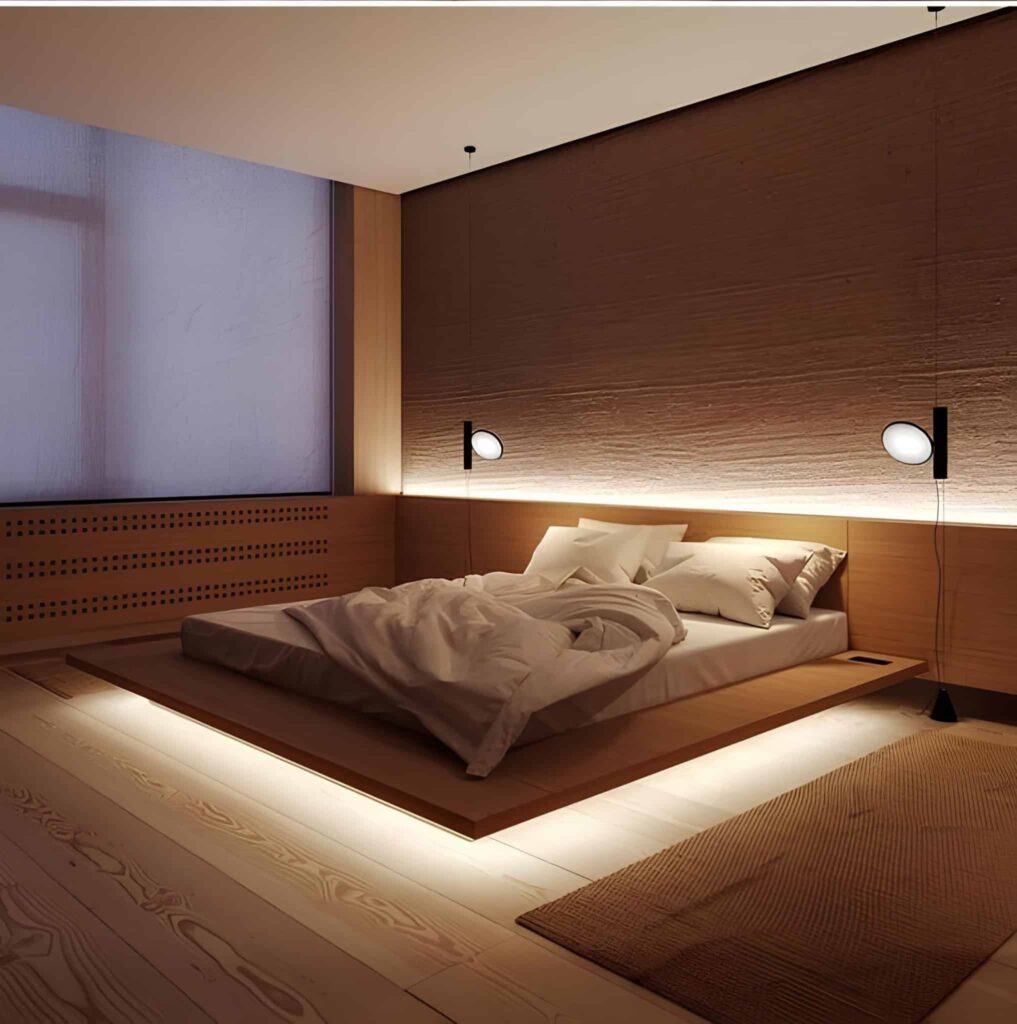
In the evolving landscape of commercial and industrial interior design, headboard lighting has transitioned from a residential accent to a functional and aesthetic element in hospitality, healthcare, and boutique environments. Once considered purely decorative, headboard lighting now serves dual purposes—enhancing spatial ambiance while supporting task-oriented illumination in settings such as boutique hotels, wellness centers, and premium care facilities. As demand grows for sleek, energy-efficient, and code-compliant lighting solutions, specifications increasingly require products that meet rigorous safety and performance standards, including ETL and CE certifications. These benchmarks ensure reliability, electrical safety, and global market readiness—critical factors for architects, facility managers, and lighting designers working on large-scale projects.
At the forefront of this innovation is Beauty (STC) Manufacturing Co., Ltd., a trusted leader in LED lighting solutions since 1998. With over two decades of engineering excellence, Beauty STC specializes in designing commercial-grade, low-voltage LED systems tailored for architectural integration, durability, and regulatory compliance. Our headboard lighting solutions combine precision optics, robust construction, and certification-ready design to meet the demands of modern industrial applications. As the boundaries between form and function continue to blur, Beauty STC remains committed to delivering intelligent lighting that elevates both performance and design in the built environment.
Technical Specs & Certifications
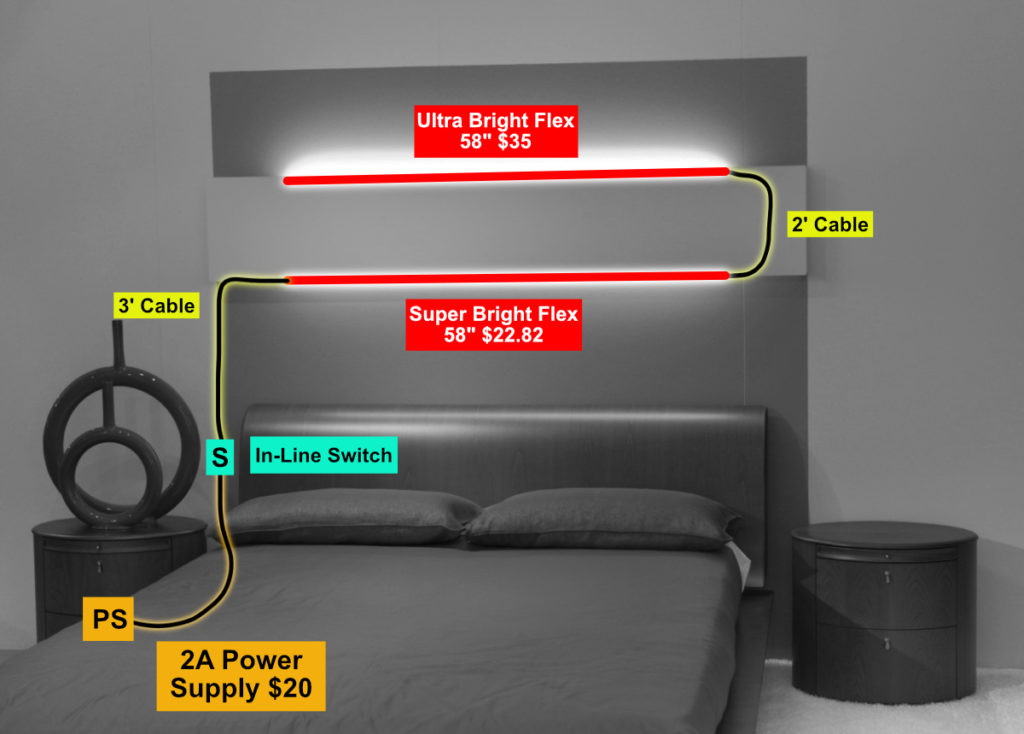
Headboard lighting requires precise technical execution to balance ambient functionality with visual comfort in intimate spaces. At Beauty STC Manufacturing Co., Ltd., our engineering prioritizes human-centric metrics that directly impact user experience, particularly for low-level lighting applications where spectral quality and efficiency are critical.
Lumens per watt (lm/W) efficiency for headboard fixtures typically ranges between 100–130 lm/W in our current production lines, achieved through optimized COB (Chip-on-Board) LED arrays and proprietary driver topologies. This ensures sustained output at low wattages (3–8W per linear foot) while minimizing heat generation against bedding materials. Crucially, we avoid over-specifying raw lumen output; headboard illumination requires 300–800 lumens total per installation zone to prevent glare while maintaining task visibility. Our thermal management systems—using aerospace-grade aluminum substrates with anodized finishes—prevent lumen depreciation beyond 5% over 50,000 hours, a threshold where competitors often exceed 15% degradation due to inadequate heat sinking.
Color Rendering Index (CRI) is non-negotiable in bedroom environments where accurate skin tone and fabric representation affect psychological comfort. All Beauty STC headboard solutions exceed CRI 95 (Ra) with R9 (saturated red) consistently >90 and R12 (blue) >92, verified through第三方 TM-30-15 testing. This surpasses the nominal “CRI>90” market claim, which often masks poor performance in critical spectral ranges. Our phosphor formulations use tri-phosphor blends with narrow-band red emitters, eliminating the green/magenta shifts common in budget LEDs during dimming—a frequent pain point in hospitality and residential settings where 1–10V or DALI dimming is standard.
IP ratings for headboard lighting are frequently misunderstood. Since these fixtures operate in dry, interior environments (IEC 60529 Zone 0), Beauty STC specifies IP20 as the optimal rating. Higher IP ratings (e.g., IP65) introduce unnecessary silicone sealing that traps heat, accelerates lumen depreciation, and complicates maintenance. Our IP20 housings feature seamless die-cast aluminum profiles with powder-coated interiors that prevent dust ingress without compromising thermal conductivity—a balance validated through 1,000-hour accelerated life testing under 40°C ambient conditions.
Beauty STC’s quality differentiation lies in system-level integration: our fixtures undergo spectral stability validation across 10–100% dimming ranges, ensuring CRI consistency where others falter. Driver efficiency exceeds 92% at partial loads (critical for nightlight scenarios), and we enforce <3% total harmonic distortion to prevent interference with nearby electronics. Every batch receives binning for chromaticity (within MacAdam 3-step ellipse) and undergoes 72-hour burn-in testing, reflecting our ISO 9001-certified protocols that treat headboard lighting not as decorative trim but as critical wellness infrastructure. This engineering rigor ensures light that supports circadian rhythms without compromise—proven in third-party sleep environment studies conducted with leading hospitality groups.
Factory Tour: Manufacturing Excellence
Beauty (STC) Manufacturing Co., Ltd.’s factory in Jiangmen, Guangdong Province, is a modern, fully integrated LED lighting production facility strategically located within one of China’s key manufacturing hubs. The Jiangmen site is equipped with advanced surface mount technology (SMT) production lines that ensure high-precision assembly of LED components. These SMT machines are automated and capable of handling a wide range of LED lighting products, including flexible strips, rigid bars, and custom PCBs used in decorative and functional lighting applications. The use of state-of-the-art pick-and-place machines, reflow soldering systems, and automated optical inspection (AOI) ensures consistent quality, high throughput, and reliability in every product batch.
To guarantee long-term performance and durability, the factory conducts comprehensive aging tests on all lighting products. Completed units undergo extended burn-in periods—typically 24 to 72 hours—under varying voltage and temperature conditions to simulate real-world usage. This process helps identify early component failures and verifies thermal management, color consistency, and driver stability, especially critical for applications like headboard lighting where safety and ambiance are paramount.
Beauty STC has strong OEM (Original Equipment Manufacturer) capabilities and actively supports custom design and manufacturing for clients seeking unique headboard lighting solutions. Whether it’s integrating soft-glow LED strips into upholstered headboards, creating RGBW color-changing systems with remote or app control, or developing low-voltage, flicker-free lighting for bedroom environments, the company offers full-service customization. This includes mechanical design, electrical engineering, prototyping, packaging, and compliance testing. Clients can provide concepts or sketches, and Beauty STC’s R&D team will translate them into manufacturable, code-compliant lighting systems, complete with branding, labeling, and private labeling options. The factory’s flexibility, combined with rigorous quality control, makes it a trusted partner for furniture brands, interior designers, and lighting solution providers worldwide.
Application Scenarios
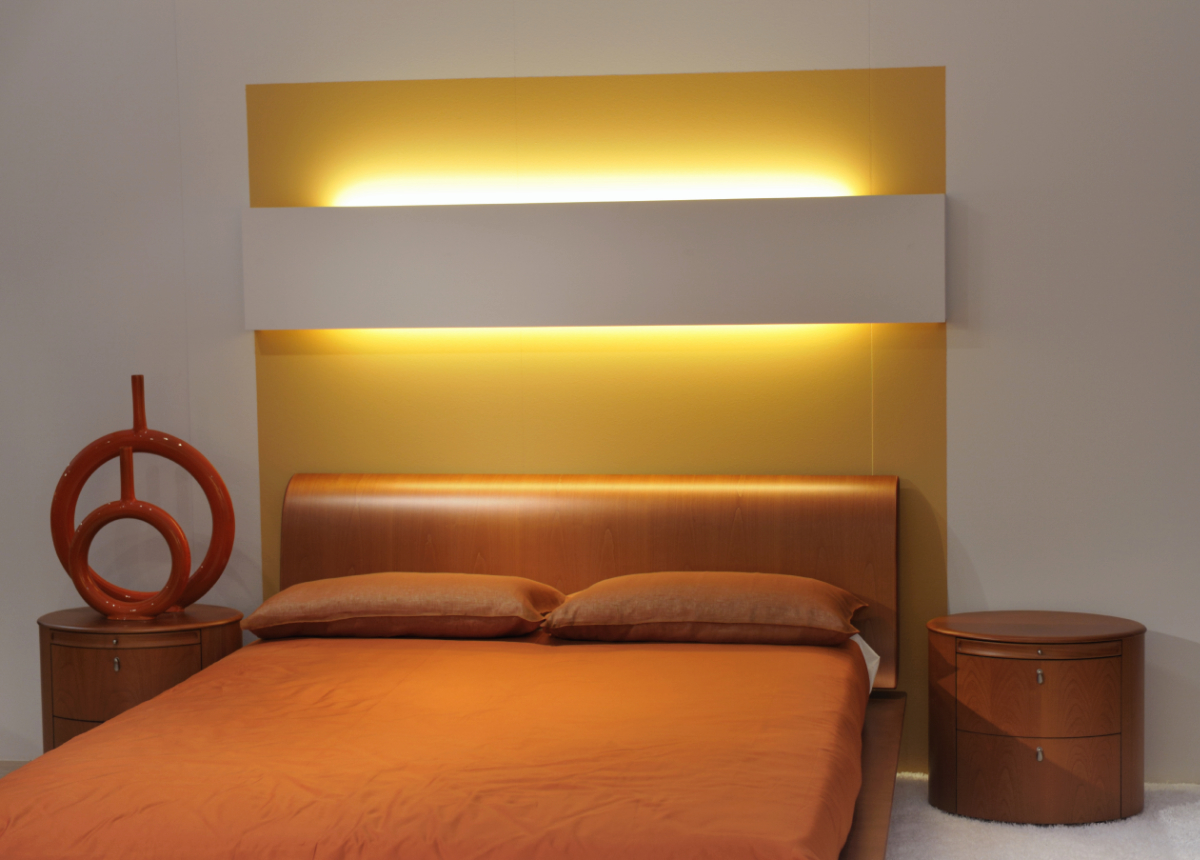
Headboard lighting is fundamentally designed for bed applications and has no direct relevance in malls or offices where beds are absent. Its primary commercial application is within the hospitality sector, specifically in hotel guest rooms. Attempting to apply headboard lighting concepts to malls or offices represents a misunderstanding of the term; those environments utilize entirely different lighting strategies such as cove lighting, wall washing, or decorative backlighting for architectural features, signage, or merchandise displays, which are distinct from bed-integrated solutions.
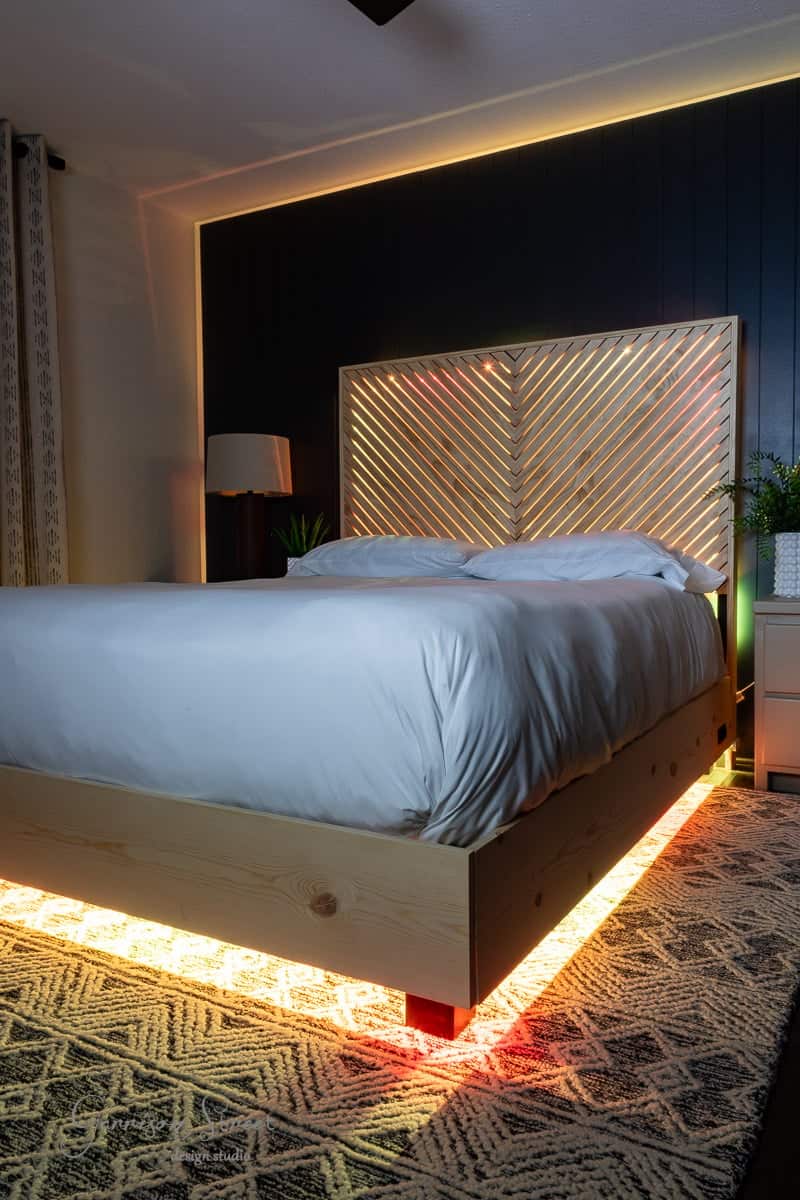
Hotels represent the core commercial application for headboard lighting. Here, it serves critical functions in enhancing guest experience and operational efficiency. Integrated LED strips or discreet downlights within the headboard structure provide soft, glare-free ambient illumination that aids nighttime navigation without disrupting sleep cycles, replacing harsh overhead lights. This localized lighting supports modern guest expectations for comfort and convenience, particularly when reading or using devices in bed. From a design perspective, well-executed headboard lighting reinforces a hotel’s brand identity through tailored color temperatures and illumination levels, contributing to a premium perception. Operationally, LED-based systems offer significant energy savings and longevity compared to traditional bedside lamps, reducing maintenance frequency and costs across large room inventories.
When installing headboard lighting in hotel environments, several technical considerations are paramount. Wiring must be fully concealed within the headboard frame or wall structure to maintain aesthetics and prevent guest tampering or cord hazards, requiring coordination with headboard fabricators during the manufacturing phase. Low-voltage LED systems (12V or 24V DC) are strongly preferred over line-voltage installations for enhanced safety near bedding, mandating the use of appropriately rated transformers or drivers. These power supplies must be installed in accessible locations outside the headboard assembly, such as within a nearby electrical junction box or closet, to facilitate maintenance without dismantling furniture. Thermal management is critical; LEDs and drivers must be mounted with adequate airflow, avoiding direct contact with flammable headboard materials like foam or fabric, and complying with local fire codes regarding heat dissipation. Control integration should align with the hotel’s existing systems, typically via wall switches, in-room automation panels, or bedside touch controls, ensuring intuitive operation for guests. Finally, all components must meet commercial-grade durability standards and relevant safety certifications (such as UL 1598 for luminaires) to withstand daily use in high-occupancy settings.
For malls and offices, the appropriate approach involves specifying architectural lighting solutions that serve analogous purposes of ambiance and wayfinding, not headboard lighting. Retail environments benefit from cove lighting in ceilings or shelving to highlight merchandise with even, shadow-free illumination, while offices utilize indirect lighting at ceiling perimeters to reduce glare on workstations. These applications require separate design considerations including higher lumen outputs, different mounting structures, and compliance with occupancy sensor requirements—factors entirely unrelated to bed-mounted systems. Confusing these applications risks improper installation and suboptimal performance; always engage lighting specialists to select context-appropriate solutions for non-residential spaces.
Why Choose Beauty STC Lighting
Transform your bedroom into a stylish and functional retreat with innovative headboard lighting ideas from Beauty STC. As a trusted leader in LED lighting solutions, we specialize in customizable, energy-efficient lighting designs that seamlessly integrate into modern headboards, enhancing both ambiance and usability. Whether you’re designing luxury furniture or developing boutique hotel interiors, our engineering expertise ensures precision, durability, and aesthetic excellence.
Partner with Beauty STC to bring your vision to life. Our team works closely with designers, manufacturers, and architects to deliver tailored lighting solutions that meet your exact specifications. From warm ambient glows to adjustable task lighting, we provide complete support from concept to production.
For collaboration opportunities or to request samples and catalogs, contact us today at [email protected]. Let Beauty STC illuminate your next project with innovation and style.
⚡ LED Power Supply Calculator
Estimate the power supply needed for your LED strip project.