
Article Contents
Industry Insight: Great Kitchen Lighting
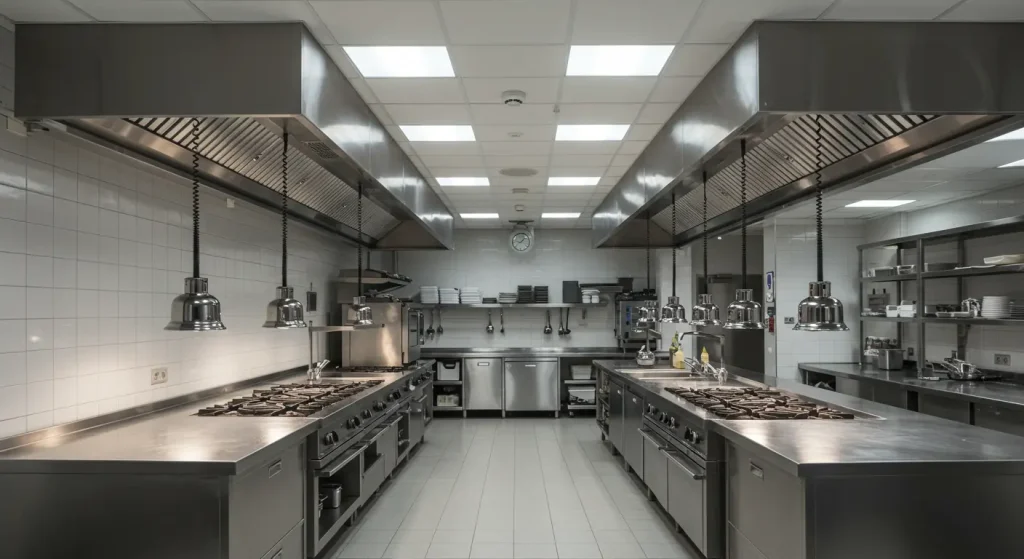
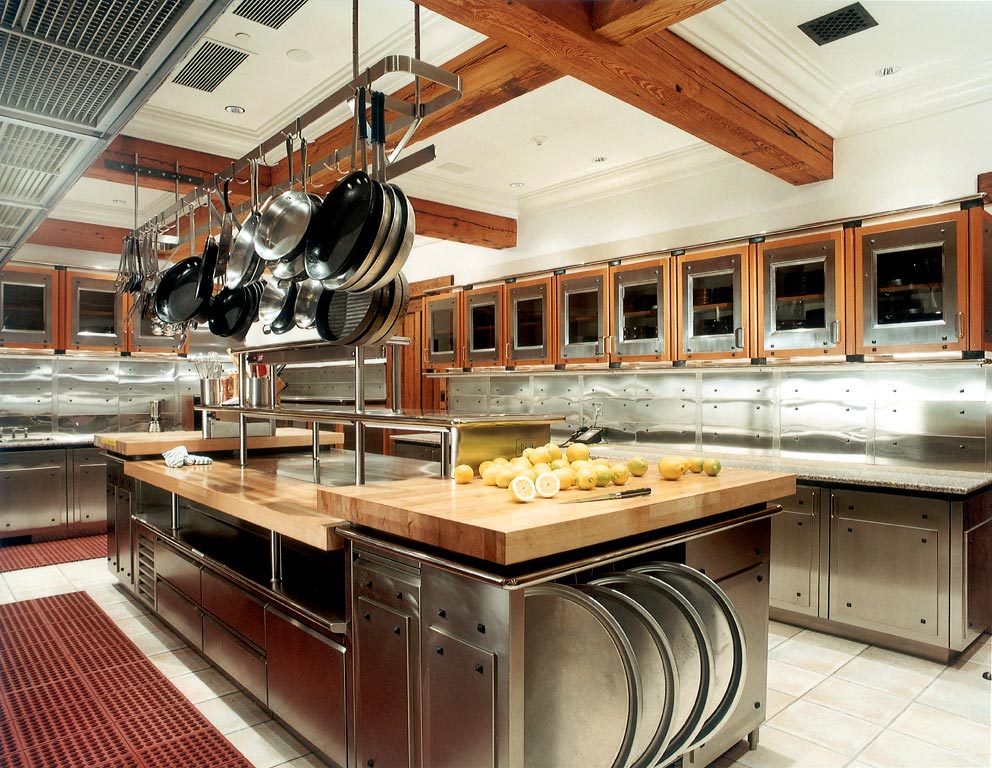
Great kitchen lighting transcends mere visibility; it is a critical operational component in commercial and industrial foodservice environments where safety, efficiency, and hygiene are paramount. Unlike residential settings, commercial kitchens present extreme challenges including high ambient heat, pervasive grease and oil vapors, constant moisture exposure, demanding cleaning protocols, and the need for unwavering reliability during extended service hours. Lighting failures or substandard illumination directly impact food preparation accuracy, staff safety, sanitation compliance, and overall kitchen throughput, making the selection of purpose-built luminaires a strategic decision, not just an aesthetic one. This demanding context elevates safety certifications like ETL (verifying compliance with North American safety standards) and CE (demonstrating adherence to European health, safety, and environmental requirements) from optional features to non-negotiable baselines. Fixtures must not only deliver optimal color rendering and glare control for precise tasks but also withstand the harsh environment without becoming a fire hazard or maintenance burden, ensuring continuous operation in spaces where downtime is costly and unacceptable.
For over 25 years, Beauty (STC) Manufacturing Co., Ltd., established in 1998, has been at the forefront of engineering robust, high-performance LED lighting solutions specifically designed for these rigorous commercial and industrial applications. We understand that true kitchen lighting excellence in a professional setting demands more than brightness; it requires integrated thermal management to combat heat, advanced optical systems resistant to grease accumulation, rigorous ingress protection (IP) ratings for washdown areas, and unwavering commitment to the safety certifications that inspectors require. Beauty STC leverages our deep expertise in LED technology and industrial design to deliver luminaires that meet and exceed the ETL and CE standards essential for global market access, providing facility managers, contractors, and kitchen operators with lighting systems that enhance productivity, ensure compliance, and support the demanding workflow of modern commercial foodservice operations. Our focus remains on engineering reliability and performance that directly contributes to the operational excellence of the kitchens we serve.
Technical Specs & Certifications
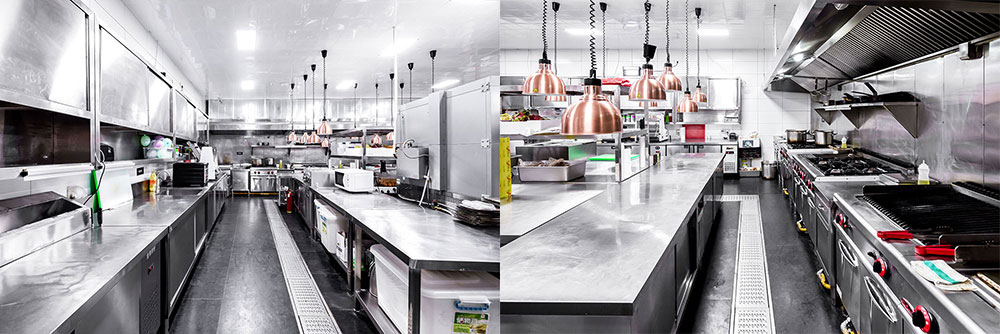
Great kitchen lighting requires a balance of brightness, color accuracy, durability, and energy efficiency to ensure both functionality and ambiance in a high-traffic, task-intensive environment. From a technical standpoint, several key specifications define superior performance in LED lighting for kitchens.
Lumens per watt (lm/W) is a critical measure of energy efficiency, indicating how much visible light is produced per unit of electrical power consumed. For optimal kitchen lighting, fixtures should deliver a minimum of 100 lumens per watt, with high-end products reaching 130–150 lm/W. This ensures ample illumination—typically 300–500 lux on countertops and work areas—while minimizing energy usage and heat output. Efficient fixtures reduce long-term operating costs and support sustainability goals without sacrificing brightness.
Color Rendering Index (CRI) is equally important in kitchen environments where accurate color perception affects food preparation and overall visual comfort. A CRI greater than 90 is essential for high-quality lighting, as it means the light source renders colors very close to how they appear under natural daylight. This level of color fidelity helps distinguish subtle differences in ingredients, improves safety during cutting tasks, and enhances the overall aesthetic of the space. LED products with CRI >90 are especially beneficial under cabinetry, above islands, and in ceiling-mounted task lighting.
Ingress Protection (IP) ratings define a fixture’s resistance to dust and moisture, which is vital in kitchens where steam, grease, and splashes are common. For general ceiling and under-cabinet lighting, an IP44 rating (protection against solid objects larger than 1 mm and splashing water from any direction) is recommended. For areas near sinks or cooktops, or in outdoor kitchen applications, IP65 (dust-tight with protection against low-pressure water jets) or higher is ideal. Proper IP ratings ensure longevity and safe operation in demanding environments.
At Beauty (STC) Manufacturing Co., Ltd., our LED lighting solutions are engineered to exceed these benchmarks. We prioritize high lm/W efficiency, deliver consistent CRI values above 90 using premium phosphor coatings and bin-controlled LEDs, and offer a range of IP-rated fixtures designed specifically for kitchen applications. Our products undergo rigorous thermal, electrical, and environmental testing to ensure reliability, color consistency, and long service life—hallmarks of Beauty STC’s commitment to quality and performance in commercial and residential lighting.
Factory Tour: Manufacturing Excellence
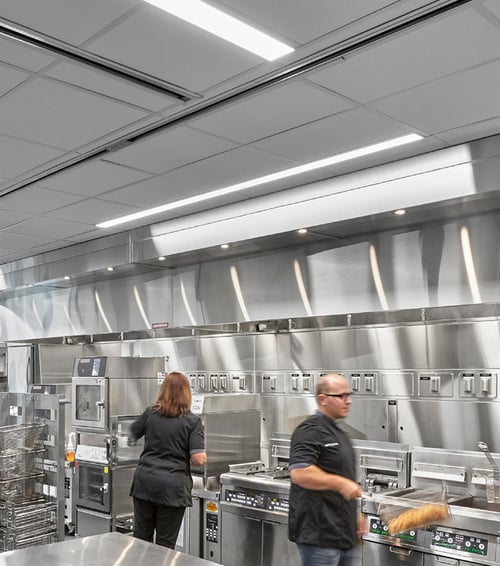
Beauty STC operates a modern, vertically integrated manufacturing facility in Jiangmen, Guangdong Province, strategically located within the Pearl River Delta manufacturing hub. This facility is purpose-built for high-volume, precision LED lighting production, featuring a comprehensive surface mount technology (SMT) line as its core assembly backbone. We utilize multiple high-speed, multi-functional Panasonic NPM series SMT machines, capable of placing components with micron-level accuracy down to 0201 package sizes. These machines handle the precise placement of LEDs, drivers, resistors, capacitors, and other critical components onto printed circuit boards (PCBs) at high throughput rates, supported by automated solder paste printing and reflow soldering systems. The line incorporates sophisticated Automated Optical Inspection (AOI) stations immediately post-reflow to meticulously verify component placement, solder joint integrity, and potential defects, ensuring only flawless PCB assemblies proceed downstream.
Rigorous reliability testing is paramount at our Jiangmen factory, particularly through our extensive aging test procedures. Following assembly, all finished kitchen lighting products undergo mandatory aging cycles within our controlled environmental chambers. These chambers simulate accelerated operational life under elevated temperatures, typically ranging from 40°C to 85°C, for durations of 48 to 168 hours depending on the specific product line and customer requirements. During this period, units are continuously powered on and monitored for critical parameters such as lumen output stability, color consistency (CCT and CRI), thermal performance, and electrical functionality. This systematic stress testing effectively identifies early-life failures (infant mortality) and verifies long-term component and thermal design robustness before any product leaves our facility, directly contributing to the exceptional longevity and consistent performance expected in demanding kitchen environments.
Our Jiangmen factory possesses significant and flexible OEM capabilities specifically tailored to deliver “great kitchen lighting.” We work closely with partners to develop and manufacture custom solutions meeting exact performance, aesthetic, and regulatory demands. This encompasses full design-for-manufacturing support, including optical engineering for optimal light distribution (minimizing shadows, reducing glare), advanced thermal management solutions critical for enclosed kitchen fixtures, and integration of high-quality, flicker-free drivers compatible with various dimming systems. We offer extensive customization options for form factor, materials, finishes, color temperature, dimming protocols, and smart functionalities. Our vertically integrated processes, from SMT assembly through stringent aging tests and final quality control, ensure that every OEM kitchen lighting product meets the highest standards of reliability, efficiency, and light quality required for professional and residential culinary spaces, backed by comprehensive compliance with international safety and performance standards.
Application Scenarios
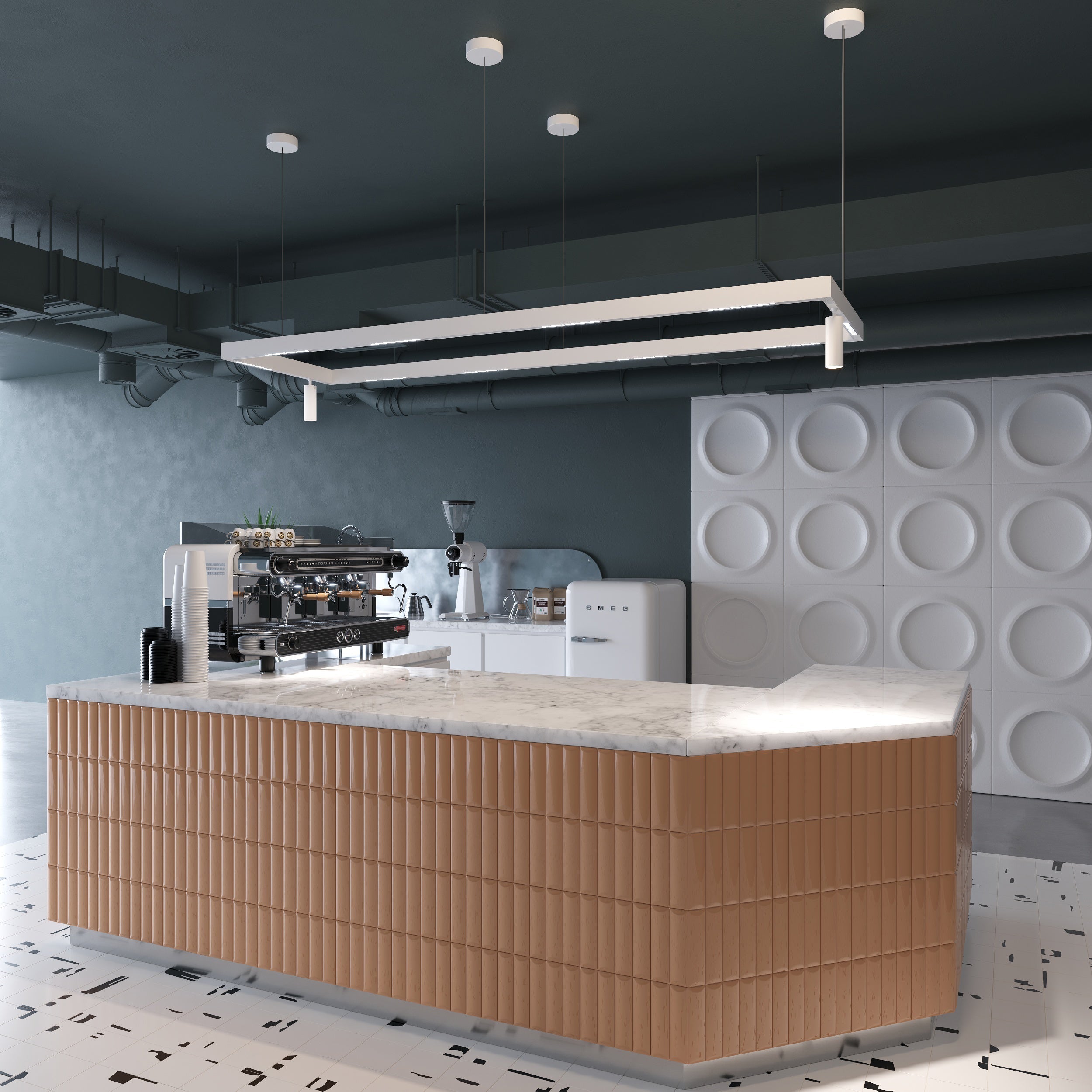
Great kitchen lighting is essential in any environment where food preparation, cleanliness, and efficiency are priorities. While the term often brings residential kitchens to mind, it is equally critical in commercial and public spaces. Here’s where it applies among the locations you mentioned:
Hotels
In hotels, great kitchen lighting is crucial in multiple areas including main commercial kitchens, banquet prep stations, pastry kitchens, and staff break rooms with cooking facilities. Proper illumination ensures food safety, supports precision in culinary tasks, and enhances the overall efficiency of kitchen staff. High CRI (Color Rendering Index) LED lighting is recommended to accurately display food colors, which is especially important during plating and presentation. Task lighting should be installed over workbenches, cooking lines, and sinks, while ambient lighting maintains overall visibility without glare.
Malls
Malls typically house food courts, kiosks, and tenant-operated restaurants, all of which require well-lit kitchens. Even small prep areas need adequate lighting for hygiene and operational standards. Lighting in mall kitchens must comply with health and safety regulations. Recessed LED troffers or waterproof LED panels are commonly used due to their durability and ease of maintenance in high-traffic environments. Since mall kitchens may have limited space, layered lighting—combining ambient, task, and under-cabinet lighting—helps maximize functionality.
Offices
While traditional offices may not have full kitchens, most include pantries or kitchenettes for employee use. Even in these smaller spaces, great lighting improves usability and cleanliness. LED strip lights under cabinets, ceiling-mounted downlights, or integrated panel lights provide bright, even illumination. Offices aiming to promote wellness and comfort often invest in tunable white lighting that adjusts color temperature throughout the day, supporting circadian rhythms during lunch and break times.
Installation Tips
Ensure even light distribution by spacing fixtures appropriately—avoid shadows on countertops and work areas. Use shatterproof or lens-protected LED fixtures in high-heat or high-moisture zones to meet safety codes. Position task lighting directly over sinks, stoves, and prep areas, ideally with diffused covers to reduce glare. All fixtures should be IP-rated for damp or wet locations if near sinks or dishwashers. Consider dimming controls to allow flexibility based on time of day or activity. Finally, always follow local electrical and building codes, and consult lighting layouts during the design phase to optimize placement and energy efficiency.
Why Choose Beauty STC Lighting
Achieving exceptional kitchen lighting requires more than just installing fixtures; it demands precision engineering that balances functionality, aesthetics, and energy efficiency. As a Senior LED Lighting Engineer at Beauty STC Manufacturing Co., Ltd., I emphasize that superior kitchen illumination must address critical factors like optimal color rendering for food presentation, glare control during meal preparation, and robust thermal management in high-heat environments. Our engineered solutions ensure uniform light distribution across countertops and workspaces while meeting stringent safety and durability standards essential for both residential and commercial kitchens.
Beauty STC partners with architects, designers, and builders to transform kitchen spaces through tailored LED lighting systems that enhance usability and ambiance without compromising on sustainability. Our proprietary optical designs and thermally optimized fixtures deliver consistent performance over extended lifespans, reducing maintenance costs and energy consumption significantly compared to conventional lighting. We prioritize human-centric lighting principles, ensuring every installation supports natural circadian rhythms and elevates the user experience in the heart of the home or hospitality setting.
Partner with Beauty STC to integrate scientifically validated lighting solutions that redefine kitchen excellence. Contact our engineering team directly at [email protected] to discuss your project requirements and receive personalized technical guidance. Let us collaborate to create kitchens where illumination is not merely functional but an integral element of thoughtful, enduring design.
Sincerely
Senior LED Lighting Engineer
Beauty STC Manufacturing Co., Ltd.
⚡ LED Power Supply Calculator
Estimate the power supply needed for your LED strip project.