

Article Contents
Industry Insight: Flashing Led
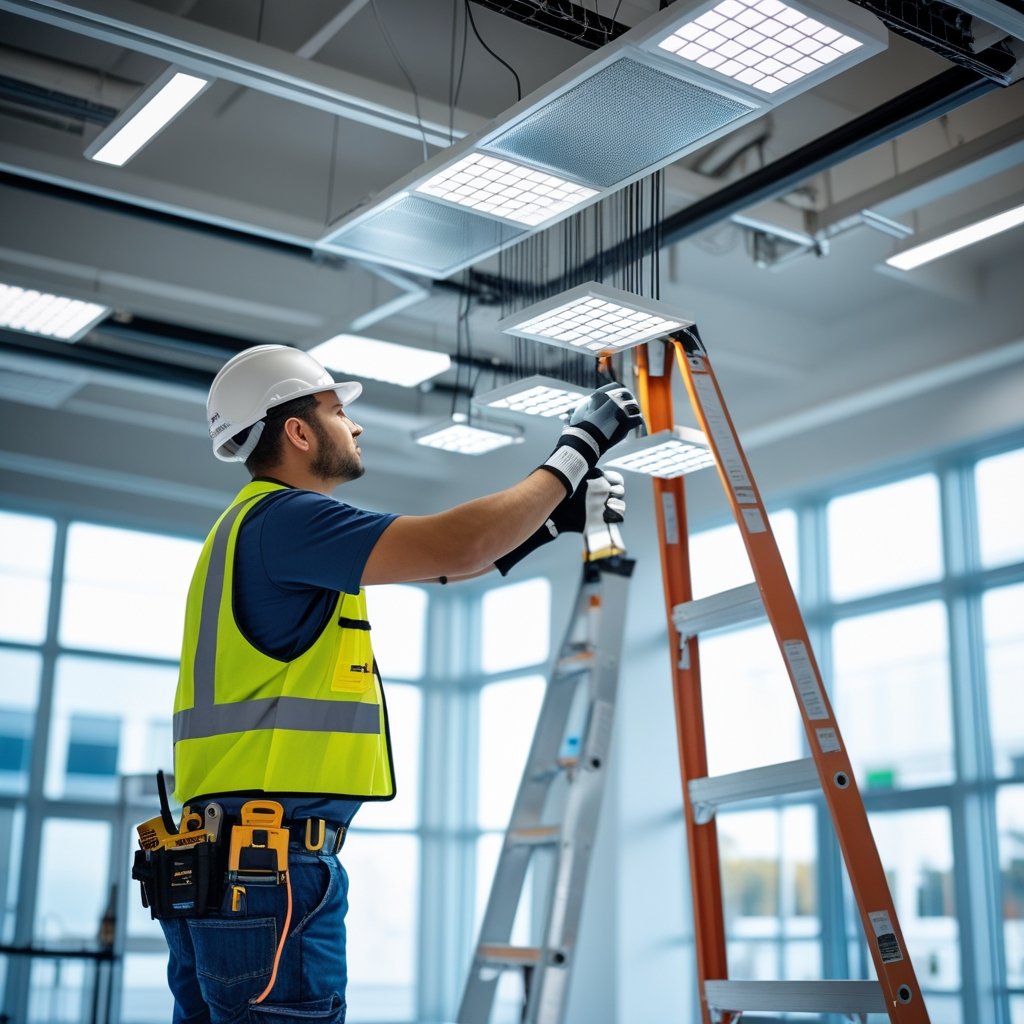
In the evolving landscape of commercial and industrial lighting, flashing LED technology has emerged as a critical solution for enhancing safety, visibility, and operational efficiency across a wide range of applications. From warehouse signaling and emergency egress systems to industrial machinery alerts and outdoor hazard warnings, flashing LEDs offer superior durability, energy efficiency, and responsiveness compared to traditional lighting sources. As facility managers and engineers prioritize reliability and compliance, certification standards such as ETL and CE have become essential benchmarks, ensuring that LED products meet rigorous North American and international safety, performance, and electromagnetic compatibility requirements.
At the forefront of this innovation is Beauty (STC) Manufacturing Co., Ltd., a trusted name in LED lighting since its establishment in 1998. With over two decades of engineering expertise, Beauty STC has consistently delivered high-performance, code-compliant lighting solutions tailored to the demanding needs of commercial and industrial environments. Specializing in advanced flashing LED systems, the company combines cutting-edge technology with strict adherence to ETL and CE standards, providing customers with products that are not only reliable and long-lasting but also globally market-ready. As industries continue to modernize their infrastructure, Beauty STC remains committed to driving progress through intelligent, safety-focused lighting innovation.
Technical Specs & Certifications
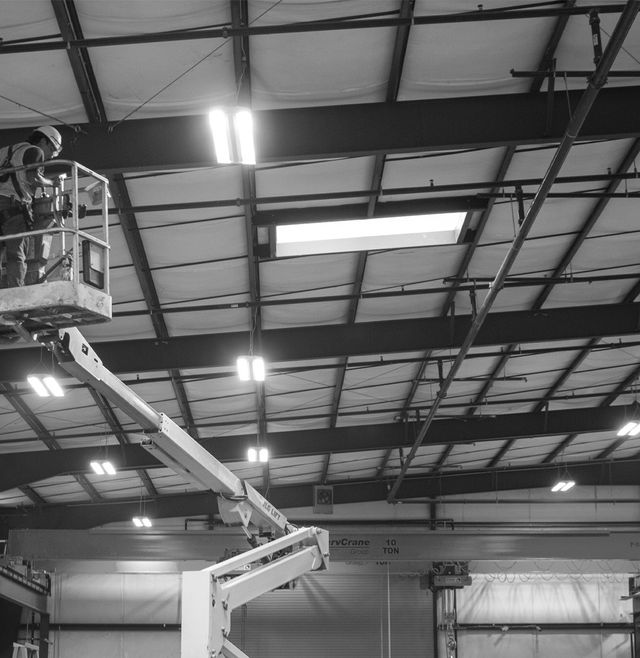
Flashing LED products at Beauty STC Manufacturing Co., Ltd. are engineered for reliability in signaling and indication applications, though it is critical to clarify that the industry term “flashing LED” typically refers to discrete LEDs with integrated driver ICs for self-flashing functionality, not high-output luminaires. These components prioritize signal visibility over high lumen output or premium color rendering. For such discrete flashing LEDs, achieving CRI >90 is exceptionally uncommon and generally not feasible due to the spectral limitations of single-color emitters (typically red, amber, green, or blue) and the efficiency compromises inherent in integrated flashing circuits. Standard single-color flashing LEDs lack the broad spectrum required for high CRI, which is a metric relevant primarily to white light sources used in general illumination.
Regarding lumens per watt, discrete flashing LEDs operate at very low power levels (typically 20-100mW) with modest efficacy. Standard non-flashing indicator LEDs may achieve 100-200 lm/W for white variants, but flashing versions with integrated oscillators incur driver losses, reducing effective system efficacy to approximately 50-100 lm/W for white-light types. However, most flashing LEDs are monochromatic, where lumens are not a standard metric; radiant flux in milliwatts is more relevant. Beauty STC optimizes these components for consistent flash rate stability and longevity rather than raw lm/W, with typical forward currents of 2-20mA.
For IP ratings, Beauty STC’s flashing LED components designed for outdoor or harsh environments undergo rigorous protection validation. Standard offerings include IP65 (dust-tight and protected against low-pressure water jets) for surface-mounted variants, while fully encapsulated through-hole types achieve IP67 (dust-tight and withstand immersion up to 1m for 30 minutes). This is accomplished through precision silicone molding and hermetic sealing during manufacturing, ensuring resilience against moisture ingress and particulate contamination in applications like automotive indicators or industrial signage.
Beauty STC’s commitment to quality is demonstrated through stringent in-house protocols. All flashing LED components undergo 100% automated optical inspection for chromaticity and intensity binning, coupled with 100% burn-in testing at elevated temperatures (85°C for 48 hours) to eliminate infant mortality. Our production adheres to IATF 16949 automotive standards, with traceable lot control and third-party validation per AEC-Q102 for critical automotive applications. Unlike commodity suppliers, Beauty STC implements multi-stage thermal cycling (-40°C to +125°C) and humidity testing to guarantee flash rate consistency and structural integrity over 50,000+ operational hours. This focus on robust construction and failure-mode analysis ensures our flashing LEDs meet the demanding reliability requirements of industrial and transportation sectors, where signal integrity is non-negotiable.
Factory Tour: Manufacturing Excellence
Beauty (STC) Manufacturing Co., Ltd.’s factory in Jiangmen, China is a modern LED lighting production facility designed to support high-volume manufacturing with a strong emphasis on quality control and technical precision. The factory is equipped with advanced Surface Mount Technology (SMT) production lines that enable the accurate and efficient assembly of LED components onto printed circuit boards. These SMT machines are fully automated, featuring high-speed pick-and-place units, precision stencil printers, and reflow soldering systems, ensuring consistent product reliability and performance across large production runs.
To ensure long-term product durability, the Jiangmen factory implements comprehensive aging tests on all LED products, including flashing LEDs. Finished units undergo extended operational testing under controlled thermal and electrical conditions, typically running for 4 to 8 hours or more at elevated temperatures. This process helps identify early-life failures, verifies thermal management performance, and confirms the stability of the flashing function, timing circuits, and overall electrical integrity.
The factory has robust OEM (Original Equipment Manufacturing) capabilities, particularly for specialized products such as flashing LEDs. Beauty STC can customize flashing LED modules in various forms—including through-hole and SMD types—with tailored flash rates, colors, brightness levels, and voltage requirements. The company supports client-specific designs, from PCB layout adjustments to custom encapsulation and branding. With in-house engineering support, tooling fabrication, and full supply chain integration, Beauty STC efficiently delivers OEM solutions that meet international standards such as CE, RoHS, and REACH. This makes the Jiangmen facility well-suited for both private-label production and co-development projects in the decorative, indicator, and signal lighting markets.
Application Scenarios
Flashing LED applications in commercial environments like hotels, malls, and offices require strict adherence to safety regulations and functional purpose. True flashing LEDs—defined as rapid, repetitive on/off cycling—are almost exclusively reserved for life-safety systems due to their potential to cause distraction, discomfort, or misinterpretation. Their use outside emergency contexts is strongly discouraged and often prohibited by electrical codes such as the NEC (National Electrical Code) or IEC standards. Below is a breakdown of appropriate applications and critical installation considerations for each setting.
In hotels, flashing LEDs should only be integrated into emergency exit signage, fire alarm notification appliances, or emergency lighting systems as mandated by building codes. These systems must activate during power failures or fire events to guide evacuation. Never install flashing LEDs for decorative purposes in lobbies, hallways, or guest rooms, as this can confuse occupants during actual emergencies, trigger photosensitive conditions like seizures, or violate accessibility standards such as the ADA. For aesthetic dynamic effects, use non-flashing alternatives like color-tunable or dimmable LED strips with smooth transitions, which provide visual interest without safety risks.
For malls and retail spaces, flashing LEDs are strictly limited to emergency egress pathways, fire alarm strobes, and security alert systems. Installation must comply with NFPA 72 (National Fire Alarm and Signaling Code), ensuring strobe intensity and flash rate meet visibility requirements for the space’s size and ambient light. Avoid any decorative flashing in storefronts, ceilings, or promotional displays, as this can distract shoppers, create hazardous visual clutter near entrances affecting driver attention, or be mistaken for critical alerts. If dynamic lighting is requested for branding, implement programmable static-color LED arrays or slow-fading sequences instead, always verifying local signage ordinances that often ban flashing commercial advertisements.
Offices present the least tolerance for flashing LEDs outside emergency infrastructure. Use them solely for fire alarm notification devices in corridors, stairwells, or assembly areas, with strobes coordinated to building-wide alarm systems. Never deploy flashing LEDs in workspaces, conference rooms, or reception areas, as they severely disrupt concentration, cause eye strain, and may violate occupational health regulations like OSHA guidelines on workplace distractions. Installation must ensure strobes are visible from all orientations per NFPA 72 spacing rules—typically every 100 feet in hallways—and avoid placement near computer monitors to prevent interference. For ambient workspace lighting, specify high-frequency dimmable LEDs with flicker-free drivers to support productivity.
Critical installation tips apply universally across all settings. First, confirm flashing functionality is tied exclusively to certified emergency systems with backup power; standalone decorative flashing installations are non-compliant. Second, maintain physical and visual separation between emergency flashing devices and standard lighting to prevent desensitization—emergency strobes should never be grouped with decorative fixtures. Third, adhere to precise photometric requirements: strobe intensity must be calculated for room size and ceiling height, with flash rates between 1–2 Hz to maximize recognition without inducing discomfort. Fourth, document all installations with certified compliance labels (e.g., UL 924 for emergency lighting) and provide clear operational manuals to facility managers. Finally, conduct regular maintenance per manufacturer schedules, as degraded strobes may fail during emergencies. Always prioritize human factors—flashing lights carry inherent risks, and their misuse erodes trust in genuine safety signals. When clients request non-emergency flashing effects, proactively propose compliant alternatives that achieve their aesthetic goals through advanced control systems rather than unsafe practices.
Why Choose Beauty STC Lighting
Looking for high-quality flashing LED solutions? Partner with Beauty (STC) Manufacturing Co., Ltd., a trusted leader in innovative LED lighting technology. Our advanced flashing LEDs are designed for superior performance, durability, and visual impact across a wide range of applications. Whether you’re in signage, automotive, or architectural lighting, we offer customized solutions to meet your specific needs.
Take the next step in lighting excellence. Contact our sales manager today at [email protected] to discuss your project and discover how Beauty STC can power your vision with reliable, cutting-edge LED technology.
⚡ LED Power Supply Calculator
Estimate the power supply needed for your LED strip project.