
Article Contents
Industry Insight: Driver Lampu Led
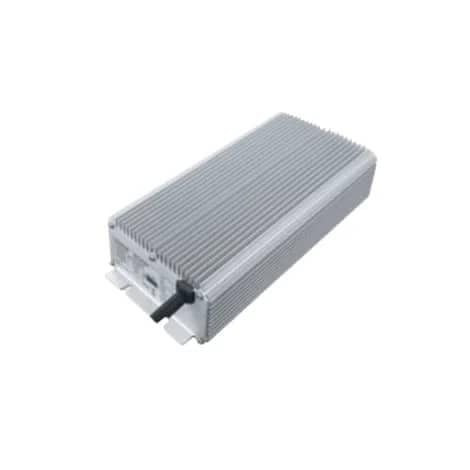
The commercial and industrial lighting sector continues to evolve with a growing emphasis on energy efficiency, durability, and regulatory compliance. As businesses seek sustainable and cost-effective illumination solutions, LED driver technology has emerged as a critical component in ensuring optimal performance of LED lighting systems. In environments ranging from warehouses and manufacturing facilities to office complexes and retail spaces, reliable LED drivers are essential for maintaining consistent light output, extending fixture lifespan, and reducing maintenance costs.
Compliance with international safety and performance standards such as ETL and CE has become a cornerstone of product credibility in this space. These certifications not only validate a product’s adherence to rigorous electrical and safety requirements but also enable seamless market access across North America and Europe. As demand rises for certified, high-performance LED drivers, manufacturers must balance innovation with reliability and regulatory alignment.
Beauty (STC) Manufacturing Co., Ltd., established in 1998, has been at the forefront of this transformation, delivering advanced LED driver solutions tailored for commercial and industrial applications. With over two decades of engineering expertise, Beauty STC combines robust design, strict quality control, and global compliance to support lighting professionals in building smarter, more efficient environments.
Technical Specs & Certifications
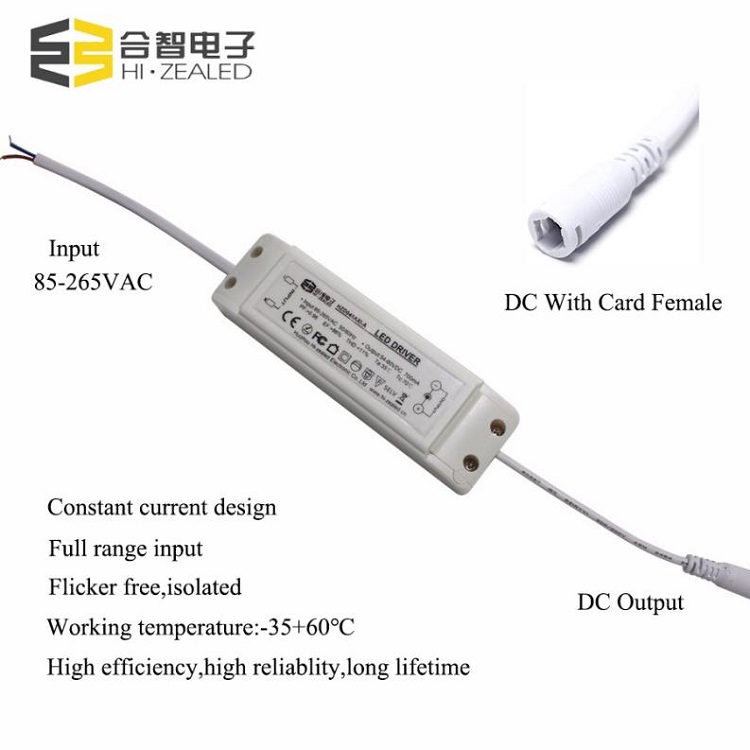
LED drivers, often referred to as ‘driver lampu led’ in regional terminology, are critical power conversion components for LED luminaires, not the light source itself. It is essential to clarify that metrics like Lumens per Watt (lm/W) and Color Rendering Index (CRI) are characteristics of the complete LED luminaire (the fixture including LEDs, optics, and thermal management), not the driver alone. The driver’s role is to convert AC line voltage to the precise DC current required by the LED module. However, driver efficiency directly impacts the overall system lm/W, and its stability influences long-term CRI performance. Beauty STC designs drivers to maximize luminaire efficiency and maintain color quality.
Driver efficiency, measured as the ratio of DC output power to AC input power (typically 85-94% for quality units), is the key electrical specification impacting system lm/W. A high-efficiency driver minimizes energy lost as heat, allowing more input power to reach the LEDs, thereby contributing to higher achievable lm/W for the complete fixture. Beauty STC drivers consistently achieve efficiencies exceeding 90% across a wide load range, utilizing advanced topologies like active PFC and resonant LLC converters with premium semiconductor components. This reduces thermal stress on the entire system and directly supports luminaire manufacturers in meeting stringent energy regulations like DOE Level VI and ERP Lot 9.
While the driver does not determine the inherent CRI of the LED chip (which depends on phosphor formulation and binning), it critically affects CRI stability over time. Poor driver current regulation or excessive ripple current can cause color shift and reduced CRI in high-CRI LEDs (>90). Beauty STC drivers feature ultra-low current ripple (<5%) and exceptional constant current accuracy (±1-2%) across line voltage, load, and temperature variations. This precision prevents LED junction temperature fluctuations and current-induced color drift, ensuring the luminaire maintains its specified CRI >90 throughout its operational life. Our drivers incorporate high-quality electrolytic and ceramic capacitors rated for 105°C with extended lifespans to sustain this performance.
IP (Ingress Protection) ratings apply to the driver’s housing, indicating resistance to dust and moisture. Beauty STC offers drivers in various IP classifications tailored to application needs. Standard indoor drivers typically carry IP20 (basic protection against finger contact). For demanding environments like outdoor signage, street lighting, or industrial washdown areas, we provide fully potted, aluminum-housed drivers rated IP65, IP66, or IP67. These utilize robust silicone potting compounds and precision-machined housings to ensure reliability under exposure to rain, dust, humidity, and temperature extremes from -40°C to +85°C ambient. Rigorous testing per IEC 60529 standards validates these ratings.
Beauty STC’s commitment to quality is embedded in every driver. We adhere strictly to international safety standards (UL 8750, EN 61347-2-13, CE) and performance norms (IEC 62384). Our manufacturing utilizes automated SMT lines with 100% in-circuit testing and burn-in procedures. Critical components like ICs, MOSFETs, and capacitors are sourced from Tier-1 suppliers with strict AEC-Q200 automotive-grade screening where applicable. This results in drivers with industry-leading reliability, evidenced by L70 lifetimes exceeding 50,000 hours at full load and 70°C ambient, backed by a standard 5-year warranty. The precision engineering ensures compatibility with leading high-CRI LED modules, enabling our customers to deliver luminaires that meet the highest benchmarks for efficiency, color fidelity, and environmental resilience.
Factory Tour: Manufacturing Excellence
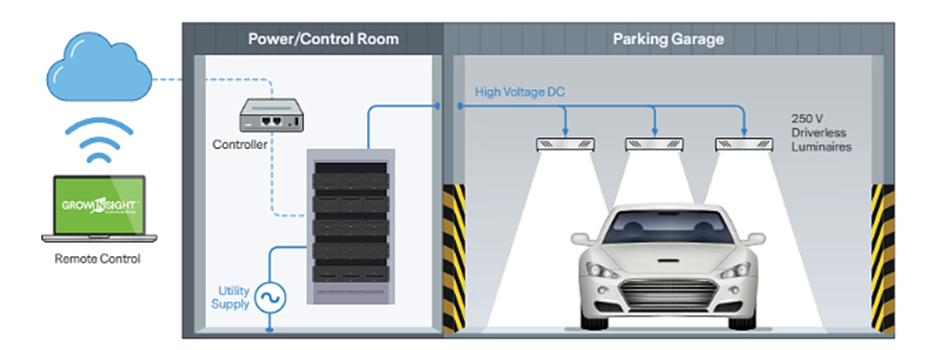
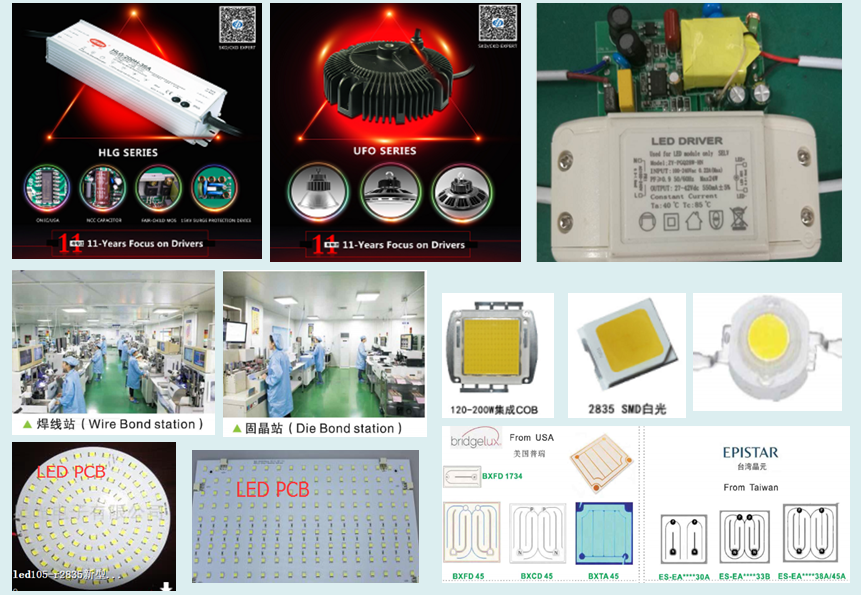
Beauty (STC) Manufacturing Co., Ltd. operates a modern and well-equipped manufacturing facility in Jiangmen, Guangdong Province, strategically located within one of China’s key industrial hubs. The Jiangmen factory is purpose-built for the production of LED lighting products, with a strong emphasis on quality control, efficiency, and scalability to serve both domestic and international markets.
The facility is equipped with advanced Surface Mount Technology (SMT) production lines, which are essential for the precise and high-speed assembly of LED components onto printed circuit boards. These SMT machines ensure consistent soldering quality, accurate component placement, and high throughput, enabling the production of reliable and high-performance LED lamps. The SMT process is supported by automated optical inspection (AOI) systems to detect defects early and maintain strict quality standards throughout the manufacturing cycle.
To ensure product durability and performance, Beauty STC implements comprehensive aging tests at its Jiangmen plant. Finished LED lamps undergo extended operational testing under controlled conditions that simulate real-world usage, including thermal stress and continuous on/off cycling. This aging process helps identify early failures, validates thermal management design, and confirms the long-term reliability of both the LED modules and integrated drivers.
The factory has robust OEM (Original Equipment Manufacturing) capabilities, particularly in the area of LED driver and LED lamp production. Beauty STC can customize LED lighting solutions—including driver design, thermal management, optical performance, and mechanical housing—based on client specifications. The company supports clients from initial product design and prototyping through to mass production, offering full turnkey solutions for branded LED lighting products. This flexibility makes Beauty STC a preferred partner for businesses seeking private-label or application-specific LED lamps with integrated drivers.
Overall, the Jiangmen factory reflects Beauty STC’s commitment to advanced manufacturing, quality assurance, and customer-centric innovation in the LED lighting industry.
Application Scenarios
LED drivers are essential components that regulate power to LED lamps, ensuring stable operation and longevity. Their application across hotels, malls, and offices varies based on specific lighting requirements, environmental conditions, and control needs. Proper installation is equally critical to avoid premature failure and maintain performance.
In hotels, LED drivers are indispensable in guest rooms for dimmable bedside and ambient lighting, requiring constant current or TRIAC dimmable drivers compatible with wall dimmers. Lobby and corridor lighting demands robust constant current drivers to handle 24/7 operation, while exterior facade and pool area installations require IP67-rated drivers to withstand moisture and temperature fluctuations. Bathrooms and spas necessitate drivers with high ingress protection (IP65 minimum) to prevent corrosion from humidity. Always verify driver compatibility with the hotel’s centralized lighting management system to enable scene control and energy savings.
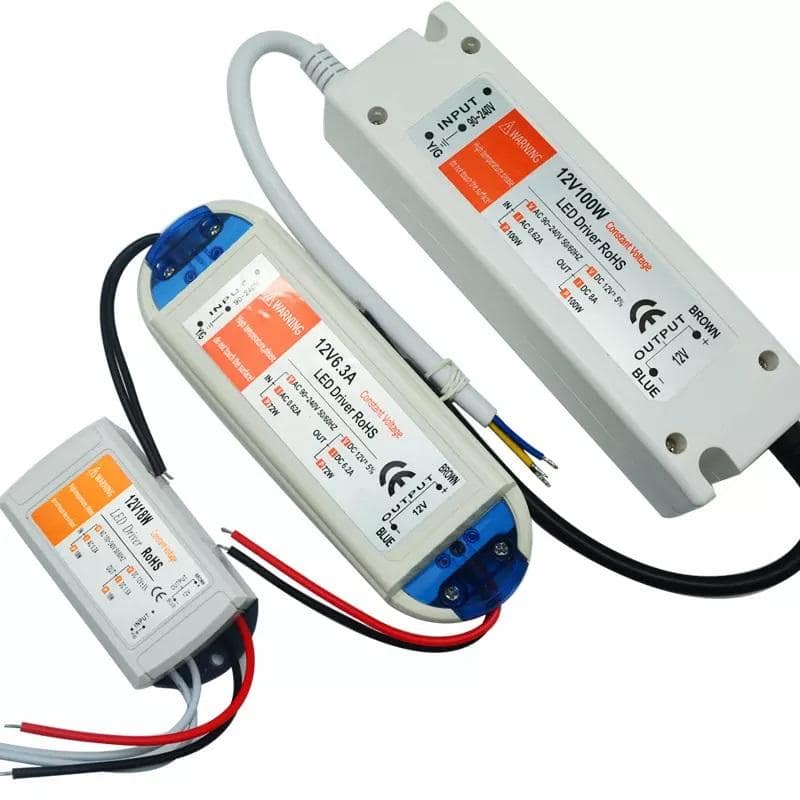
Malls deploy LED drivers extensively in high-bay fixtures for common areas, where constant current drivers with wide input voltage ranges (100-277V AC) accommodate grid instability. Display window lighting uses compact constant voltage drivers for flexible LED strip integration, but thermal management is critical due to enclosed cabinet spaces. Emergency exit signage requires dedicated emergency drivers with battery backup compliance (EN 62386-207). For escalator and handrail lighting, vibration-resistant drivers with silicone potting prevent solder joint fractures. Avoid installing drivers inside sealed ceiling voids; instead, use accessible junction boxes with 50mm clearance for heat dissipation.
Offices rely on LED drivers for task lighting at workstations, where flicker-free constant current drivers (with <5% ripple) reduce eye strain. Open-plan areas benefit from DALI-enabled drivers for individual fixture control and daylight harvesting. Conference rooms need phase-cut dimmable drivers synchronized with AV systems. Critical tip: never daisy-chain multiple LED modules to a single driver beyond its rated load—this causes overheating and color shift. Always match the driver’s output current precisely to the LED module’s specified forward current (e.g., 350mA, 700mA). In suspended ceiling grids, mount drivers remotely in plenum spaces with adequate airflow, never sandwiched between insulation and the ceiling tile.
Universal installation principles apply across all settings. Confirm the driver’s IP rating aligns with the environment—IP20 suffices for dry indoor ceilings, but outdoor or wet locations require IP65+. Ensure thermal derating: drivers operating above 50°C ambient temperature need reduced load capacity per manufacturer charts. Wire connections must use ferrules to prevent arcing, and input/output cables should be separated to avoid electromagnetic interference with data lines. Crucially, verify local certifications; in Indonesia, drivers must carry SNI certification for commercial use. Finally, always leave service loops of 15-20cm at connection points to facilitate future maintenance without rewiring. Neglecting these steps risks thermal runaway, which accounts for over 70% of field failures in commercial LED installations.
Why Choose Beauty STC Lighting
Tingkatkan kualitas proyek pencahayaan Anda dengan driver lampu LED terbaik dari Beauty STC. Sebagai mitra tepercaya dalam industri pencahayaan, kami menawarkan solusi inovatif, tahan lama, dan efisien untuk memenuhi kebutuhan komersial dan industri Anda. Dengan rekam jejak yang kuat dalam produksi driver LED berkualitas tinggi, Beauty STC siap mendukung kesuksesan bisnis Anda.
Jangan lewatkan kesempatan untuk berkolaborasi dengan salah satu pemimpin dalam manufaktur pencahayaan LED. Hubungi manajer kami hari ini melalui email di [email protected] untuk diskusi lebih lanjut, penawaran harga, atau sampel produk. Bersama Beauty STC, ciptakan masa depan pencahayaan yang lebih cerah dan berkelanjutan.
⚡ LED Power Supply Calculator
Estimate the power supply needed for your LED strip project.