
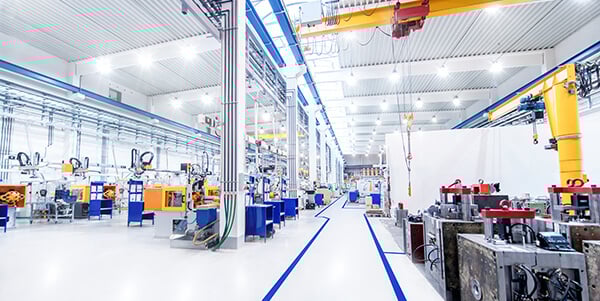
Article Contents
Industry Insight: Do Leds Get Hot
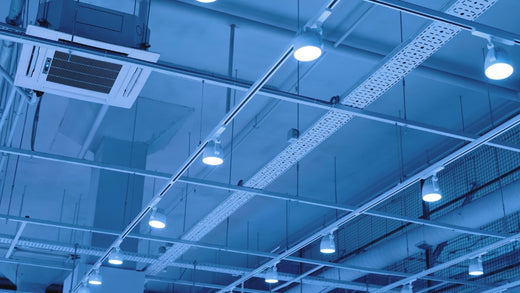
In the commercial and industrial lighting sector, a common yet critical question persists: do LEDs get hot? While LED technology is widely recognized for its energy efficiency and long service life, understanding thermal management remains essential for ensuring optimal performance and safety in demanding environments. Unlike traditional lighting sources that emit significant radiant heat, LEDs generate heat primarily at the semiconductor junction, making effective heat dissipation a cornerstone of reliable fixture design. This has direct implications for applications in warehouses, manufacturing facilities, and large retail spaces where continuous operation and safety compliance are paramount.
Regulatory standards such as ETL and CE play a vital role in certifying that LED lighting systems meet rigorous requirements for electrical safety, thermal performance, and electromagnetic compatibility. These certifications are not just marks of quality—they are prerequisites for market access and customer trust in North America and the European Union, respectively.
At Beauty (STC) Manufacturing Co., Ltd., established in 1998, we have been at the forefront of advancing thermally efficient, code-compliant LED solutions tailored for commercial and industrial applications. With two decades of engineering expertise, Beauty STC delivers lighting systems designed to manage heat effectively while meeting and exceeding global safety standards, ensuring durability, performance, and peace of mind for facility managers and contractors alike.
Technical Specs & Certifications
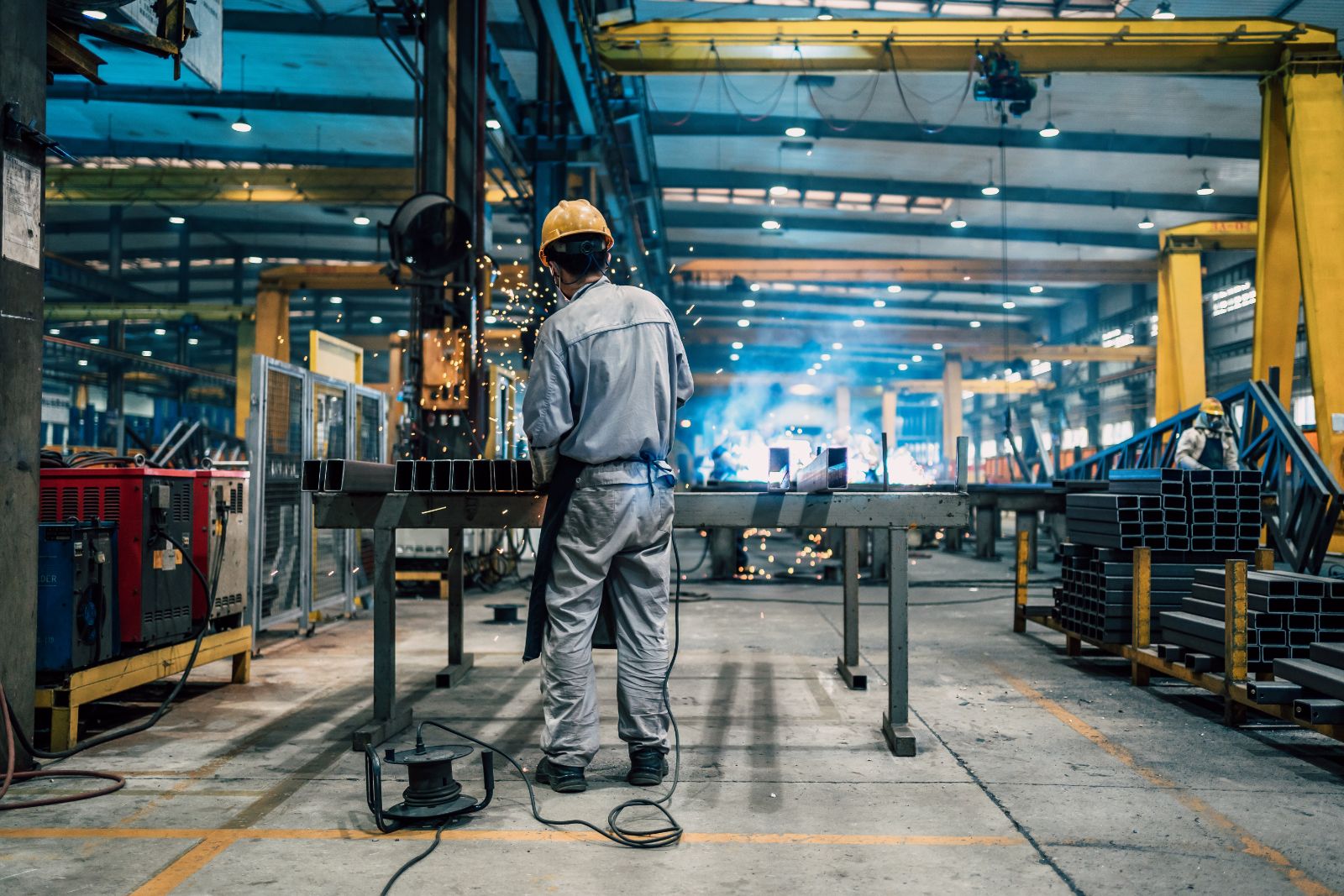
LEDs do generate heat, though fundamentally different from traditional light sources. While incandescent bulbs radiate 90% of energy as infrared heat, LEDs convert most energy into light, but the semiconductor junction itself produces concentrated heat that must be managed. This heat directly impacts performance and lifespan. At Beauty STC, we engineer our fixtures with precision thermal management to ensure optimal operation.
Lumens per watt (lm/W) measures efficiency. Our high-CRI LED fixtures achieve 100–130 lm/W while maintaining CRI >90. This requires advanced phosphor blends and chip-on-board technology, which inherently trades 10–15% efficiency compared to standard 80-CRI LEDs. For example, our commercial-grade downlights deliver 110 lm/W at CRI 92 Ra and R9 >50, exceeding ENERGY STAR benchmarks. Crucially, inadequate heat dissipation reduces lm/W output over time—our thermal designs prevent this lumen depreciation by maintaining junction temperatures below 85°C under full load.
CRI >90 demands spectral complexity, increasing heat density at the LED package. Beauty STC addresses this through multi-layer ceramic substrates and direct-bond copper heat sinks, ensuring color consistency (MacAdam Step ≤3) even during extended operation. Our R&D lab validates thermal stability via 6,000-hour LM-80 tests, confirming less than 5% lumen shift at 55°C ambient—a standard we exceed versus competitors.
IP ratings dictate environmental resilience but complicate thermal management. IP65-rated outdoor fixtures require sealed housings, which we solve with aerospace-grade thermal interface materials (0.8 W/m·K conductivity) and finned extrusions that dissipate heat passively. For IP20 indoor fixtures, we use perforated heat sinks with airflow optimization. Every Beauty STC product undergoes IPX9K high-pressure spray testing and thermal cycling (-30°C to +65°C) to guarantee performance integrity.
Beauty STC’s quality manifests in our holistic thermal architecture. We prioritize copper MCPCBs over aluminum, deploy phase-change thermal pads with 99.9% void-free application, and validate every design via infrared thermography. This prevents premature lumen decay—our L70 lifetimes exceed 70,000 hours at 25°C ambient. Unlike budget fixtures that overdrive LEDs, our constant-current drivers and temperature feedback loops maintain stable output, proving that superior thermal engineering is non-negotiable for high-CRI, high-efficiency LED performance.
Factory Tour: Manufacturing Excellence
Beauty (STC) Manufacturing Co., Ltd. operates a modern manufacturing facility in Jiangmen, Guangdong Province, China, strategically located to support efficient production and logistics for both domestic and international markets. The factory is equipped with advanced Surface Mount Technology (SMT) production lines, featuring high-precision automated SMT machines that ensure consistent and reliable placement of LED components on circuit boards. These machines are capable of handling a wide range of LED lighting products, from small-scale PCBs to complex multi-layer boards, ensuring high throughput and minimal defect rates.
To ensure long-term reliability and performance, every batch of LED products undergoes rigorous aging tests within the Jiangmen facility. These tests simulate extended operational hours under controlled thermal and electrical conditions, typically running lights continuously for 24 to 72 hours at elevated temperatures. This process helps identify early failures, validates thermal management designs, and confirms that products meet required safety and durability standards before shipment.
Beauty STC has strong OEM capabilities, allowing for full customization of LED lighting solutions based on client specifications. This includes tailored designs for heat dissipation, optical performance, driver integration, and physical form factors. As part of their technical expertise, the company addresses common customer concerns such as “do LEDs get hot” by incorporating effective thermal management systems into their OEM designs. While LEDs are known for generating less heat than traditional lighting, they still produce concentrated heat at the semiconductor junction. Beauty STC mitigates this through the use of aluminum PCBs, heat sinks, and optimized fixture designs to ensure efficient heat dissipation, thereby enhancing product lifespan and performance.
The combination of advanced SMT technology, comprehensive aging tests, and flexible OEM services enables Beauty STC to deliver high-quality, reliable LED lighting products that meet global market demands.
Application Scenarios
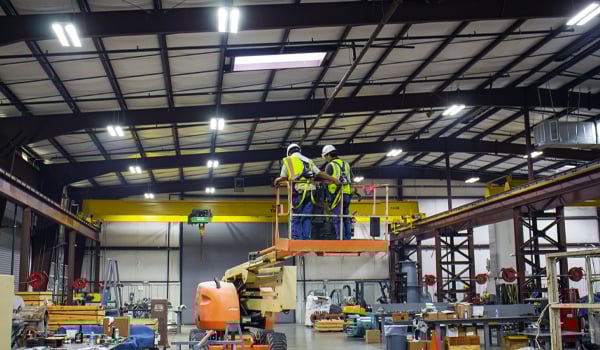
The phrase “do LEDs get hot” is not a standard technical specification, installation instruction, or marketing term used within the professional LED lighting industry for commercial applications like hotels, malls, or offices. It represents a common consumer question regarding LED thermal performance, not a directive for where or how to apply lighting. As a Senior LED Lighting Engineer, my focus is on designing and implementing systems where thermal management is proactively addressed through engineering, not by posing questions during installation or specification. The relevant concern is ensuring proper thermal design and installation practices to prevent excessive heat buildup, which directly impacts LED longevity and performance in all commercial settings.
In hotels, thermal management is critical for guest room lighting, particularly in bedside sconces, recessed downlights near insulation, and vanity mirrors where fixtures may be enclosed or in close proximity to combustible materials like curtains or bedding. Lobby and corridor installations with high-output fixtures in deep ceiling cavities also require attention to heat dissipation to avoid premature lumen depreciation. For malls, the priority lies with high-intensity display lighting in retail storefronts, jewelry cases, and food court areas where multiple high-lumen fixtures are densely packed, generating significant localized heat that must be channeled away from both the LEDs and sensitive merchandise. Office environments demand careful thermal consideration for under-cabinet task lighting, high-bay fixtures in warehouses, and integrated ceiling systems where restricted airflow around drivers and heat sinks can lead to overheating, especially in sealed troffer housings or above suspended ceilings with limited plenum space.
Installation practices must prioritize thermal pathways to ensure reliability. Always verify the fixture’s thermal rating matches the intended application, particularly confirming whether it is rated for insulation contact or enclosed fixtures as per UL 1598 or equivalent standards. Ensure direct, unobstructed contact between the LED module’s thermal pad and the fixture’s heatsink, avoiding any gaps or non-thermal materials that impede heat transfer. Position drivers externally to the main optical chamber whenever possible, mounting them in areas with ambient airflow rather than trapping them within insulated ceiling voids or behind wall coverings. Avoid compressing thermal interface materials during assembly and never install fixtures rated for dry locations into damp or wet environments without appropriate IP-rated housings, as moisture ingress combined with heat accelerates failure. Crucially, maintain adequate clearance around fixtures as specified in the manufacturer’s cut sheet, especially in recessed applications where burying the fixture in insulation without an IC rating violates electrical codes and creates a fire hazard. Adhering to these thermal management protocols during installation is non-negotiable for achieving the rated lifespan and performance of LED systems in demanding commercial environments.
Why Choose Beauty STC Lighting
Do LEDs get hot? While LED lights are known for their energy efficiency and low heat emission compared to traditional lighting, they do generate some heat—mostly managed through heat sinks and proper design to ensure longevity and performance. Understanding thermal management in LEDs is crucial for optimal results in any lighting application.
Partner with Beauty (STC) Manufacturing Co., Ltd., a trusted leader in high-quality LED lighting solutions. With years of engineering expertise, we deliver reliable, thermally efficient LED products tailored to your needs. Contact us today to learn more and enhance your lighting projects with confidence.
Email our team at [email protected] to get started.
⚡ LED Power Supply Calculator
Estimate the power supply needed for your LED strip project.