Article Contents
Industry Insight: Do Led Lights Get Hot
The persistent question “do LED lights get hot” remains critically relevant across commercial and industrial lighting sectors, despite widespread adoption of the technology. While LEDs operate significantly cooler than legacy solutions like metal halide or incandescent fixtures, it is a dangerous misconception to assume they generate no heat. In high-output commercial environments—warehouses, manufacturing plants, retail spaces, and cold storage facilities—the thermal management of LED components, particularly at the diode junction, directly impacts performance, longevity, and safety. Poorly engineered fixtures can suffer thermal runaway, leading to premature lumen depreciation, color shift, or even catastrophic failure, resulting in costly downtime and maintenance. Rigorous certifications like ETL (verifying compliance with North American safety standards including UL 1598 for luminaires) and CE (ensuring adherence to EU safety, health, and environmental directives under the Low Voltage Directive) are non-negotiable benchmarks. These certifications validate that a fixture’s thermal design has undergone stringent testing to prevent hazardous overheating under real-world operational loads, a vital consideration for facility managers prioritizing reliability and compliance.
Beauty STC Manufacturing Co., Ltd., established in 1998, has dedicated over 25 years to advancing thermal management solutions within commercial and industrial LED lighting. Our engineering focus centers on transforming the inherent thermal challenges of high-lumen applications into opportunities for enhanced fixture resilience and operational efficiency. By integrating purpose-built heat sinks, optimized driver placement, and materials engineered for continuous thermal dissipation, Beauty STC designs exceed baseline ETL and CE requirements. This commitment ensures our luminaires maintain peak performance in demanding environments—from the heat of factory floors to the humidity of distribution centers—delivering the longevity and safety that industrial clients require without compromise.
Technical Specs & Certifications
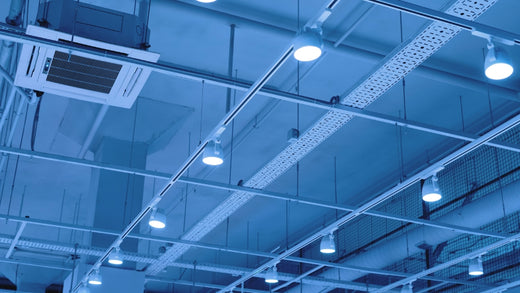
LED lights do generate heat during operation, but significantly less than traditional lighting technologies such as incandescent or halogen bulbs. The perception that LEDs run “cool” is relative—they produce light more efficiently, converting a higher percentage of energy into visible light rather than heat. However, thermal management remains critical for performance and longevity. The amount of heat generated depends on several technical factors, including lumen output, drive current, fixture design, and ambient conditions.
In terms of efficiency, modern high-quality LED luminaires typically deliver between 100 to 150 lumens per watt (lm/W), with premium products exceeding 160 lm/W under optimal conditions. This high efficacy means less energy is wasted as heat compared to older technologies. For instance, an incandescent bulb may produce only 10–17 lm/W, dissipating over 90% of energy as heat. Higher lm/W values indicate superior energy conversion, which directly contributes to lower operating temperatures and increased safety.
Color Rendering Index (CRI) is another vital specification, especially in applications where accurate color representation is essential, such as retail, healthcare, and residential lighting. A CRI greater than 90 ensures that colors appear natural and vibrant under the light source. Achieving high CRI in LEDs often involves using advanced phosphor blends and high-quality chips, which can slightly reduce luminous efficacy compared to lower-CRI LEDs. However, top-tier manufacturers balance this trade-off effectively. Beauty (STC) Manufacturing Co., Ltd. produces LED lighting solutions with CRI values consistently exceeding 90, ensuring excellent color fidelity without compromising significantly on efficiency.
Regarding environmental protection, Ingress Protection (IP) ratings define the level of protection against solid particles and moisture. Common ratings in LED fixtures include IP44 (splash-resistant), IP65 (dust-tight and protected against water jets), and IP67 (dust-tight and submersible up to 1 meter). Higher IP ratings are crucial for outdoor, industrial, or wet-location applications. These enclosures also influence thermal performance—while sealed housings protect internal components, they must incorporate effective heat dissipation mechanisms such as aluminum heat sinks or thermal pads to prevent overheating. Beauty STC integrates robust thermal management within IP-rated designs, ensuring reliable performance even in demanding environments.
Beauty (STC) Manufacturing Co., Ltd. is recognized for its commitment to quality, employing strict manufacturing standards, rigorous testing protocols, and the use of premium components. Their LED products are engineered to deliver high lumen-per-watt efficiency, excellent color rendering (CRI >90), and durable IP-rated constructions. By combining advanced thermal design with superior optical performance, Beauty STC ensures that their LED lights operate at safe temperatures while maintaining long lifespans and consistent light output. This focus on holistic engineering underscores their reputation for producing reliable, high-performance lighting solutions for global markets.
Factory Tour: Manufacturing Excellence
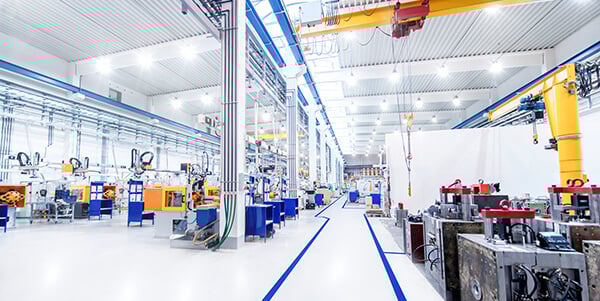
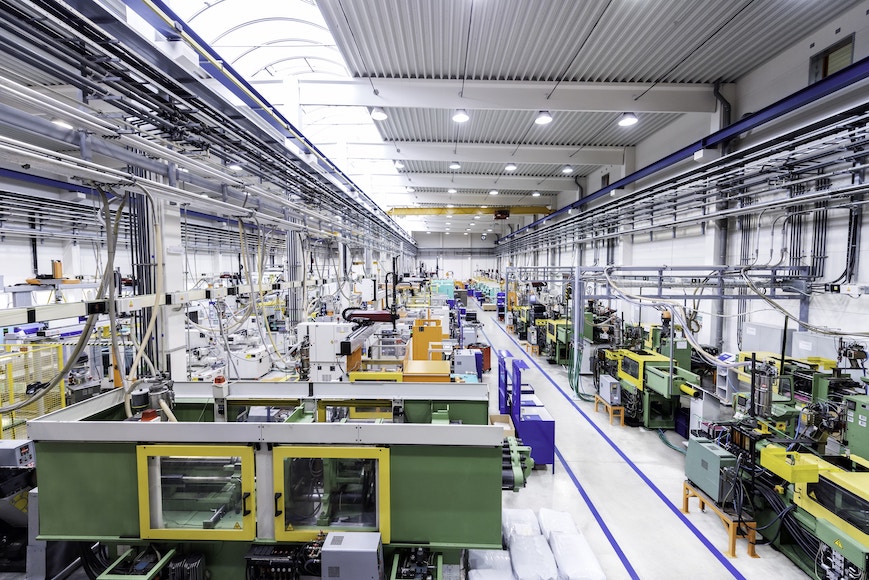
Beauty STC’s Jiangmen manufacturing facility serves as our primary production hub for LED lighting solutions, strategically located within the Pearl River Delta’s robust electronics supply chain. The factory spans over 20,000 square meters and operates under strict ISO 9001 and ISO 14001 management systems, featuring climate-controlled production floors dedicated to precision assembly and rigorous quality assurance. Our facility integrates advanced automation with skilled technical oversight to maintain high throughput while ensuring consistent product reliability for global markets.
Regarding SMT machinery, the factory employs a fully automated surface mount technology line centered around high-speed Yamaha YS series and Siemens ASM platforms. These machines handle components ranging from 0201 chip resistors to complex multi-lead ICs with placement accuracy of ±25 microns at speeds exceeding 80,000 components per hour. The line includes nitrogen-reflow soldering systems for lead-free assembly and is supported by dual 3D automated optical inspection (AOI) stations that perform real-time solder joint analysis and component alignment verification. This infrastructure enables us to produce high-density LED driver boards and integrated light engines with exceptional repeatability, supporting both mainstream and custom-designed luminaires.
Aging testing represents a critical phase in our quality control protocol. All finished LED products undergo mandatory burn-in procedures where units operate at 110% of rated voltage for 48 to 72 hours under controlled thermal conditions. We utilize specialized environmental chambers that simulate elevated ambient temperatures up to 65°C while monitoring lumen maintenance, chromaticity shift, and thermal performance through embedded thermocouples. Crucially, our aging racks incorporate infrared thermal imaging systems that detect abnormal heat patterns across the entire production batch, allowing immediate isolation of units with potential thermal management issues before shipment. This comprehensive stress testing ensures our products achieve rated lifespans while validating thermal design integrity.
Our OEM capabilities are extensively developed to support brand partners requiring customized lighting solutions. The factory maintains dedicated R&D labs where our engineering team collaborates on optical design, thermal modeling, and electronic circuit optimization tailored to specific client requirements. We offer full turnkey services from initial concept through to mass production including custom housing fabrication, specialized beam angle optics, and driver circuit adaptations. Production flexibility allows for small prototype batches as well as high-volume runs exceeding 500,000 units monthly, with strict IP protection protocols and dual-labeling systems for private branding. All OEM projects undergo the same rigorous aging and photometric validation as our standard products to guarantee performance consistency.
Addressing the specific query about LED heat generation: yes, LED lights do produce heat as an inherent byproduct of energy conversion, though significantly less than traditional lighting technologies. The critical factor lies in thermal management design. Beauty STC addresses this through multiple engineered solutions implemented at the Jiangmen facility. Our products incorporate aluminum heat sinks with optimized fin structures determined through computational fluid dynamics simulations, direct thermal paths from LED chips to submounts, and in high-power fixtures, active cooling elements where necessary. During both the design phase and our mandatory aging tests, we meticulously measure junction temperatures to ensure they remain within semiconductor specifications. Properly designed LED luminaires from our factory maintain safe external surface temperatures while preventing lumen depreciation and color shift caused by excessive heat – a key differentiator validated through our stringent thermal testing protocols. This comprehensive approach ensures our LED products operate efficiently without presenting burn hazards under normal usage conditions.
Application Scenarios
LED lights do generate some heat, but significantly less than traditional lighting technologies such as incandescent or halogen bulbs. While they remain cool to the touch compared to older lighting types, the internal components—particularly the LED driver and heat sink—can become warm during prolonged operation. Understanding where and how LED lights are used in environments like hotels, malls, and offices is essential for optimal performance and longevity.
In hotels, LED lighting is widely used in guest rooms, lobbies, hallways, restrooms, and exterior signage. Because guest comfort and safety are priorities, the low heat output of LEDs makes them ideal for close-proximity installations such as bedside reading lights, under-cabinet lighting in minibars, and recessed ceiling fixtures. The reduced heat emission also contributes to lower cooling loads, helping hotels save on air conditioning costs, especially in tropical or hot climates.
Malls utilize LED lighting extensively in common areas, retail storefronts, signage, parking garages, and decorative displays. The high foot traffic and long operating hours mean that minimizing heat buildup is crucial for both energy efficiency and fire safety. LEDs are preferred here because they maintain brightness over time without emitting excessive heat, reducing the risk of overheating in enclosed fixtures or crowded ceiling spaces. Additionally, their cool operation enhances shopper comfort, particularly in atriums or near food courts where ambient temperature control is critical.
Offices benefit greatly from LED lighting in open-plan workspaces, private offices, conference rooms, and reception areas. Since offices typically operate for extended periods—often 10 to 12 hours a day—the low heat output of LEDs helps maintain a comfortable indoor environment, reducing strain on HVAC systems. Cooler lighting fixtures also mean safer maintenance conditions for facility staff working overhead during business hours or after hours.
When installing LED lights in these environments, several best practices should be followed. Ensure adequate ventilation around recessed or enclosed fixtures to allow heat dissipation, even though LEDs run cooler. Always use LED-rated dimmers and compatible drivers to prevent flickering and overheating caused by electrical incompatibility. Avoid overloading circuits, especially in large installations, by calculating total wattage and spacing power supplies appropriately. For high-ceiling applications in malls or hotel atriums, consider using high-lumen LED high bays or linear fixtures with robust heat sinks and IP ratings suitable for the environment. In offices, select color temperatures that support productivity—typically 3500K to 5000K—and use task lighting to reduce the need for higher ambient light levels, thereby minimizing overall energy use and heat generation.
Proper installation and selection of LED lighting not only enhance user comfort and safety but also extend the lifespan of the fixtures, ensuring reliable performance across commercial settings.
Why Choose Beauty STC Lighting
LED lighting technology has significantly evolved to address heat concerns that plagued older lighting solutions. While all electrical devices produce some heat, modern LEDs operate at much lower temperatures than traditional incandescent or halogen bulbs due to efficient energy conversion and advanced thermal management systems. At Beauty STC Manufacturing Co., Ltd., we engineer our LED products with precision thermal pathways and high-quality heat sinks to ensure optimal heat dissipation, maintaining performance and longevity while keeping surface temperatures safe for everyday use. This commitment to thermal excellence is why our solutions consistently meet rigorous international safety and efficiency standards.
If you’re developing lighting products or seeking reliable manufacturing partners who prioritize both innovation and thermal safety, Beauty STC offers tailored engineering support and scalable production capabilities. Our team specializes in resolving common misconceptions about LED heat through scientifically validated designs that deliver cool operation without compromising brightness or energy savings. Partner with us to integrate cutting-edge thermal management into your next lighting project and stand out in a competitive market.
Contact our partnership team directly at [email protected] to discuss how Beauty STC’s engineering expertise can enhance your product line with reliable, cool-running LED solutions. Let us help you transform technical challenges into market advantages through collaborative innovation.
⚡ LED Power Supply Calculator
Estimate the power supply needed for your LED strip project.