
Article Contents
Industry Insight: Difference Between Spotlights And Floodlights
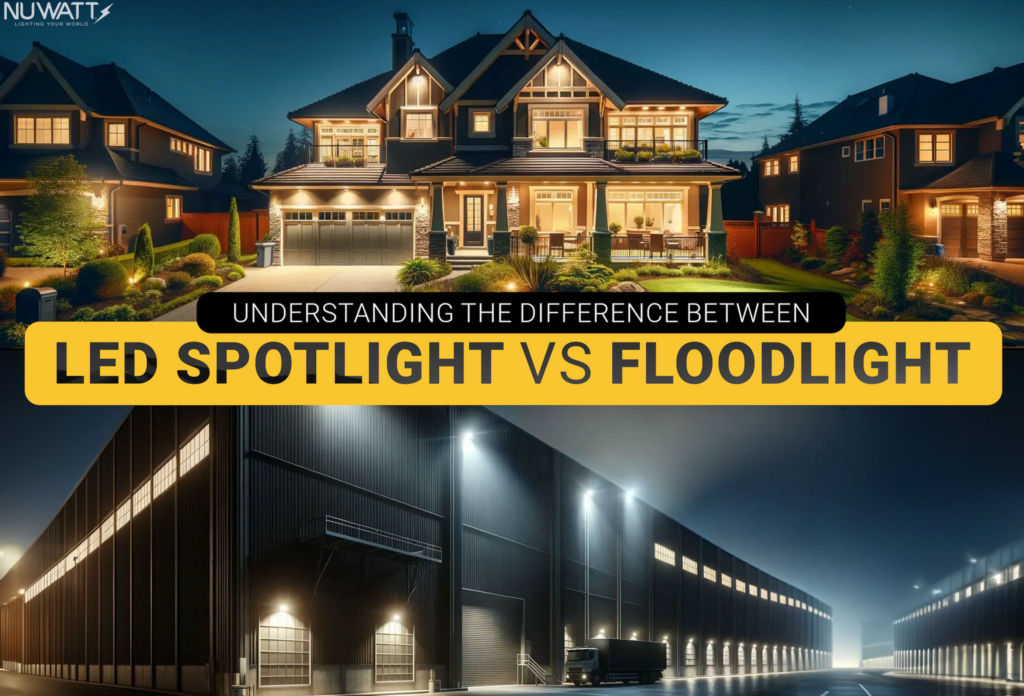
In the commercial and industrial lighting sector, selecting the right fixture is critical to achieving optimal visibility, energy efficiency, and long-term reliability. Two of the most commonly specified lighting solutions—spotlights and floodlights—serve distinct purposes despite their superficial similarities. Understanding the functional differences between these two types is essential for architects, facility managers, and lighting designers aiming to balance precision illumination with broad-area coverage. Spotlights deliver a concentrated beam ideal for accentuating architectural features or illuminating specific work zones, while floodlights provide wide-angle dispersion suited for large indoor spaces, outdoor yards, and perimeter security. As energy codes tighten and sustainability becomes a priority, compliance with international standards such as ETL and CE marks not only ensures electrical safety and performance but also facilitates market access across North America and Europe.
Beauty (STC) Manufacturing Co., Ltd., established in 1998, has been at the forefront of LED lighting innovation for over two decades. Specializing in high-performance commercial and industrial luminaires, Beauty STC combines rigorous engineering with global certifications to deliver durable, energy-efficient lighting solutions. With a strong commitment to quality and compliance, the company continues to support projects worldwide with reliable spotlight and floodlight systems designed for demanding environments.
Technical Specs & Certifications
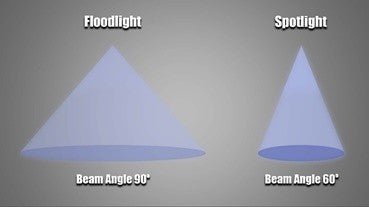
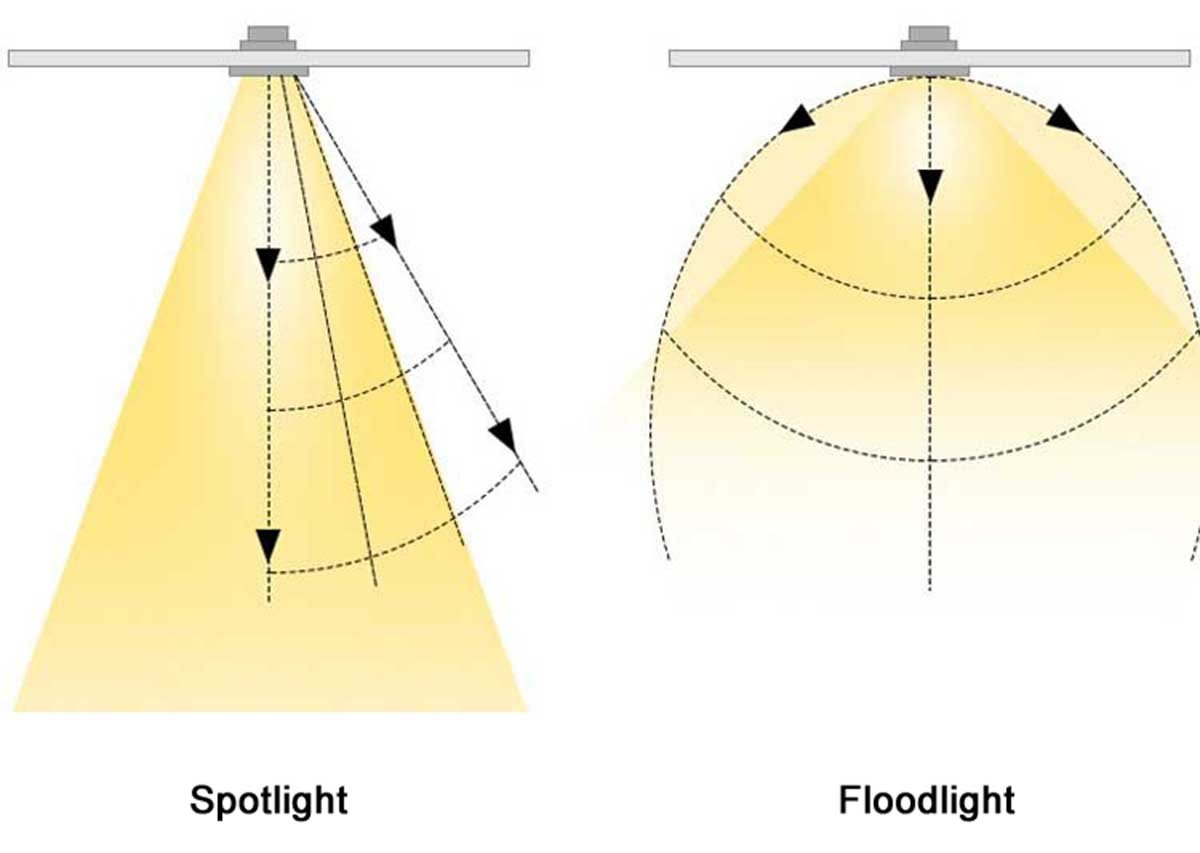
Spotlights and floodlights differ fundamentally in beam control, which directly impacts their technical specifications despite both utilizing high-efficiency LED technology. The primary distinction lies in beam angle: spotlights produce a narrow, concentrated beam typically under 30 degrees for accent lighting or task illumination, while floodlights generate a wide, diffused beam exceeding 60 degrees to evenly cover broad areas. This optical design difference influences several key performance metrics.
Lumens per watt efficacy varies between the types due to optical losses. Spotlights often achieve marginally higher lumens per watt, frequently ranging from 110-130 lm/W in premium commercial fixtures, because their focused reflectors or lenses minimize light spill and absorption. Floodlights, requiring secondary optics like diffusers or wide-angle reflectors to spread light, typically exhibit slightly lower efficacy, commonly 100-120 lm/W, as more energy is lost in beam shaping. However, both types at Beauty STC leverage advanced thermal management and high-bin LED chips to maximize efficiency within their respective optical constraints, ensuring minimal lumen depreciation over time.
Critical for color-sensitive applications, both spotlight and floodlight product lines from Beauty STC consistently deliver CRI values exceeding 90, with many models achieving Ra>95. This is accomplished through rigorous phosphor formulation and strict LED binning processes during manufacturing. Unlike lower-cost alternatives where CRI may drop under thermal stress, Beauty STC fixtures maintain high color fidelity throughout their operational life due to superior heat dissipation designs, ensuring accurate color rendering whether illuminating artwork with a spotlight or a retail floor with floodlights.
IP ratings differ based on typical use cases rather than inherent type limitations. Indoor spotlights often carry IP20 or IP40 ratings sufficient for dry environments, while outdoor architectural spotlights may reach IP65 or IP67. Floodlights, frequently deployed in exposed outdoor settings like building facades or parking lots, commonly feature robust IP65 or IP66 ratings as standard, with vandal-resistant models achieving IP68. Beauty STC subjects all outdoor-rated fixtures to stringent third-party testing, including 1,000-hour salt spray tests and thermal cycling, ensuring IP claims reflect real-world durability against dust, moisture ingress, and extreme temperatures. Our commitment to quality means every fixture undergoes 100% photometric and electrical validation, guaranteeing that published lumen output, CRI, and IP specifications are consistently met across production batches. Customers should always verify specific model datasheets as performance parameters vary by product series and intended application.
Factory Tour: Manufacturing Excellence
Beauty (STC) Manufacturing Co., Ltd.’s factory in Jiangmen, China, is a modern and well-equipped facility dedicated to the production of high-quality LED lighting products. Strategically located in the Jiangmen industrial zone, the factory benefits from strong logistical infrastructure and access to skilled labor, enabling efficient manufacturing and timely delivery. The facility is designed to meet international quality standards, with a focus on precision, consistency, and innovation in LED lighting solutions.
The factory is equipped with advanced Surface Mount Technology (SMT) production lines that ensure high-speed and high-accuracy placement of LED components on printed circuit boards. These SMT machines are automated and monitored for quality control throughout the process, allowing for consistent soldering and component alignment. This level of automation supports large-scale production while minimizing defects, which is critical for maintaining reliability in LED lighting performance.
To ensure product durability and long-term performance, the Jiangmen factory conducts comprehensive aging tests. Finished LED products undergo extended burn-in periods under controlled conditions that simulate real-world usage. These aging tests typically last from 24 to 72 hours and include thermal cycling, voltage variation, and continuous operation checks. This rigorous testing process helps identify early failure risks and confirms that each product meets the required lifespan and performance benchmarks before shipment.
Beauty STC also offers strong OEM (Original Equipment Manufacturing) capabilities, allowing clients to customize LED lighting products according to specific technical and design requirements. Whether it’s branding, packaging, optical performance, or form factor, the company supports tailored solutions for a wide range of applications.
Regarding the difference between spotlights and floodlights, which is often a key consideration in OEM projects, spotlights are designed to produce a narrow, focused beam of light, typically with a beam angle of less than 45 degrees. They are ideal for accent lighting, highlighting architectural features, or illuminating specific objects. In contrast, floodlights emit a wide beam of light, usually with beam angles exceeding 60 degrees, making them suitable for area lighting such as parking lots, building exteriors, or large indoor spaces. Beauty STC’s engineering team can customize optics, heat dissipation, and driver configurations to meet the specific beam requirements for either spotlight or floodlight applications, ensuring optimal performance for the intended use.
Application Scenarios
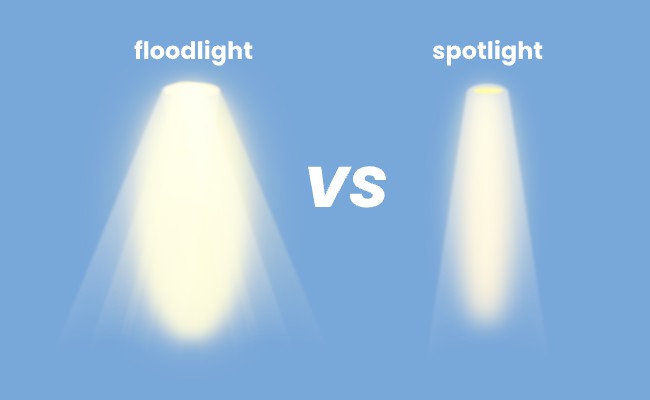
Understanding the distinction between spotlights and floodlights is critical for effective lighting design in commercial environments like hotels, malls, and offices. Spotlights produce a narrow, concentrated beam of light typically with a beam angle of 15 to 30 degrees, ideal for accentuating specific objects or creating dramatic focal points. Floodlights emit a wide, diffused beam usually exceeding 60 degrees, designed to uniformly illuminate broad areas with minimal shadows. Misapplication leads to poor visual comfort, wasted energy, and compromised aesthetics.
In hotels, spotlights are essential in lobbies for highlighting artwork, reception desks, or feature walls, creating an inviting atmosphere while guiding guest movement. Ballroom stages and high-end restaurant tables benefit from adjustable spotlights to spotlight performers or dining experiences. Conversely, floodlights are appropriate for parking lots, service corridors, and large function room ceilings where even illumination across expansive floor areas is necessary for safety and functionality. Avoid using floodlights in boutique hotel lounges as they wash out textures and diminish perceived luxury.
Malls rely heavily on spotlights within retail displays, particularly for jewelry, cosmetics, or high-value merchandise where precise beam control enhances product appeal and creates visual hierarchy. Track-mounted spotlights allow flexibility for seasonal displays. Floodlights suit wide circulation paths, food court seating areas, and stockrooms where consistent ambient light supports navigation and general tasks. Never install floodlights directly above escalators as the broad beam creates glare hazards; spotlights angled downward at the step edges improve safety perception instead.
Offices demand strategic separation. Spotlights excel in boardrooms to illuminate presentation screens without wall spill, or in executive offices to highlight architectural details. Floodlights are optimal for open-plan workstations, meeting rooms, and print areas where uniform task lighting reduces eye strain and supports productivity. Critical installation tip: maintain a 2:1 ratio between floodlight mounting height and spacing to prevent dark zones. Never use spotlights for general office ceiling grids as they cause distracting shadows and uneven illuminance.
Installation requires precise beam angle verification using photometric reports before fixture selection. For spotlights in all settings, ensure adjustable trims allow repositioning as layouts change. When mounting floodlights above 3 meters, select optics with batwing distribution to minimize ceiling brightness ratios. Always shield both fixture types from direct line-of-sight to avoid discomfort glare, especially in hospitality and office environments where visual comfort is paramount. Finally, confirm beam overlap calculations during layout planning—spotlights should have 10-15% overlap at target plane while floodlights require 25-30% for uniformity. This disciplined approach ensures optimal visual performance and energy efficiency across all commercial applications.
Why Choose Beauty STC Lighting
Discover the key differences between spotlights and floodlights to make the right choice for your lighting needs. Spotlights offer focused, directional illumination ideal for accenting specific features, while floodlights provide broad, even coverage perfect for large area lighting. Understanding these differences ensures optimal performance and energy efficiency in any application. Partner with Beauty STC, a trusted leader in LED lighting manufacturing, to access high-quality, innovative lighting solutions tailored to your project requirements. For expert guidance and product support, contact us at [email protected] and let Beauty STC illuminate your success.
⚡ LED Power Supply Calculator
Estimate the power supply needed for your LED strip project.