
Article Contents
Industry Insight: Breakfast Room Lighting Ideas
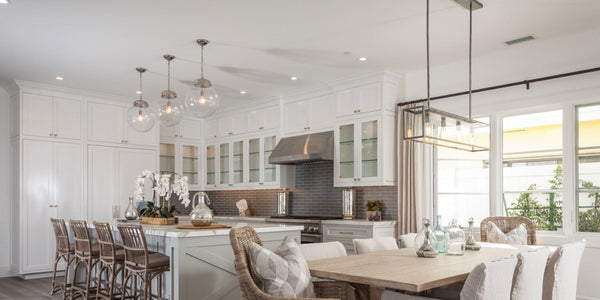
In the commercial and industrial lighting sector, the design and functionality of lighting solutions play a pivotal role in shaping the ambiance and operational efficiency of interior spaces—including specialized environments such as breakfast rooms in hotels, staff lounges, and hospitality venues. As facility managers and architects increasingly prioritize energy efficiency, durability, and aesthetic integration, the demand for compliant, high-performance lighting has never been greater. Lighting fixtures that carry ETL and CE certifications are now essential benchmarks, ensuring products meet rigorous North American and European safety and performance standards, respectively. These certifications not only reflect regulatory compliance but also instill confidence in long-term reliability and quality control.
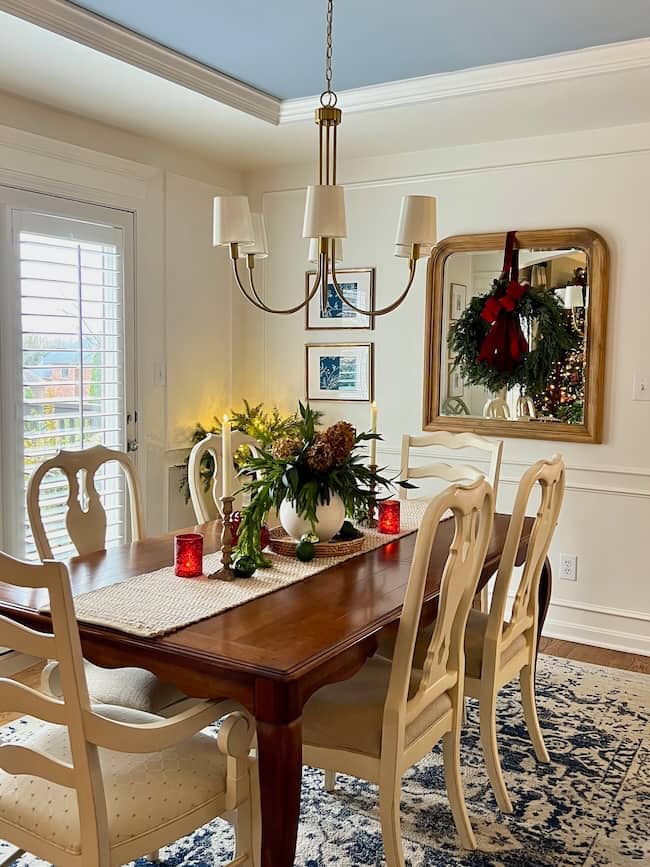
Since 1998, Beauty (STC) Manufacturing Co., Ltd. has been at the forefront of innovative LED lighting solutions for commercial and industrial applications. With a steadfast commitment to engineering excellence and sustainable design, Beauty STC delivers lighting systems that combine optimal lumen output, superior color rendering, and modern aesthetics tailored for high-traffic, function-driven environments. Our expertise in developing code-compliant, certified luminaires positions us as a trusted partner for specifiers and contractors seeking dependable breakfast room lighting that enhances both user experience and operational performance.
Technical Specs & Certifications
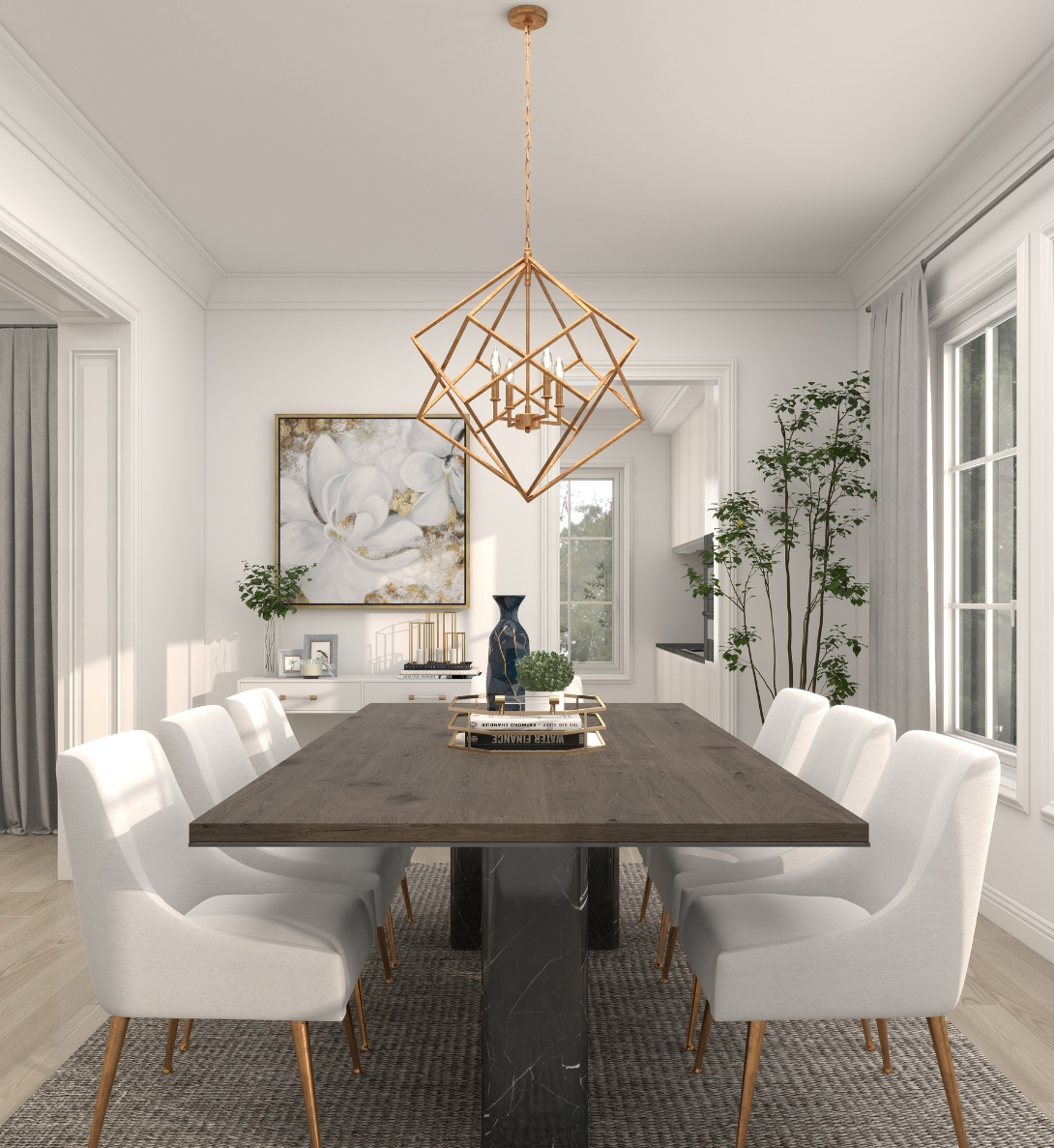
Breakfast rooms require lighting that balances functional illumination for meal preparation and dining with the creation of a warm, inviting atmosphere during morning hours. At Beauty STC Manufacturing Co., Ltd., we engineer LED solutions specifically for these demanding residential applications, prioritizing metrics critical to both performance and user experience. For optimal breakfast room lighting, we specify a minimum efficacy of 85 lumens per watt (lm/W) for general ambient fixtures such as recessed downlights or ceiling panels. This ensures significant energy savings over the fixture’s lifetime without compromising light output, a standard our proprietary driver and thermal management systems consistently exceed, often achieving 90-95 lm/W in production fixtures. Crucially, Color Rendering Index (CRI) must exceed 90, with strong emphasis on high R9 (saturated red) values above 50. This is non-negotiable in breakfast settings where accurate color rendition of food – from the vibrant red of strawberries to the golden brown of toast – directly impacts the dining experience and perceived freshness. Beauty STC utilizes rigorously tested phosphor blends in our LEDs, guaranteeing a minimum CRI of 92 and R9 >55 across our recommended breakfast room product lines, ensuring natural, appetizing light that cheaper alternatives with inflated or inconsistent CRI claims cannot match.
Regarding Ingress Protection (IP) ratings, the breakfast room environment necessitates careful consideration due to proximity to kitchen sinks, coffee stations, and potential steam. For general ambient ceiling fixtures not directly over sinks or cooktops, an IP20 rating is typically sufficient for dust protection within the interior space. However, for pendants or linear fixtures positioned over the dining table where incidental splashes might occur, or for any fixtures located near the sink area, we mandate a minimum IP44 rating. This provides protection against solid objects larger than 1mm and water splashes from any direction, essential for longevity in a space prone to humidity and minor spills. Beauty STC fixtures designated for these higher-risk breakfast room zones undergo stringent IP44 validation testing in our in-house environmental chambers, simulating years of real-world exposure to ensure the integrity of seals and housings against moisture and dust ingress. Our commitment to quality control means every fixture batch is verified for these critical specifications, not just sampled, guaranteeing the durability and consistent optical performance that defines Beauty STC products in discerning residential projects. This integrated approach to high efficacy, superior color quality, and appropriate environmental protection forms the foundation of our recommended breakfast room lighting solutions.
Factory Tour: Manufacturing Excellence
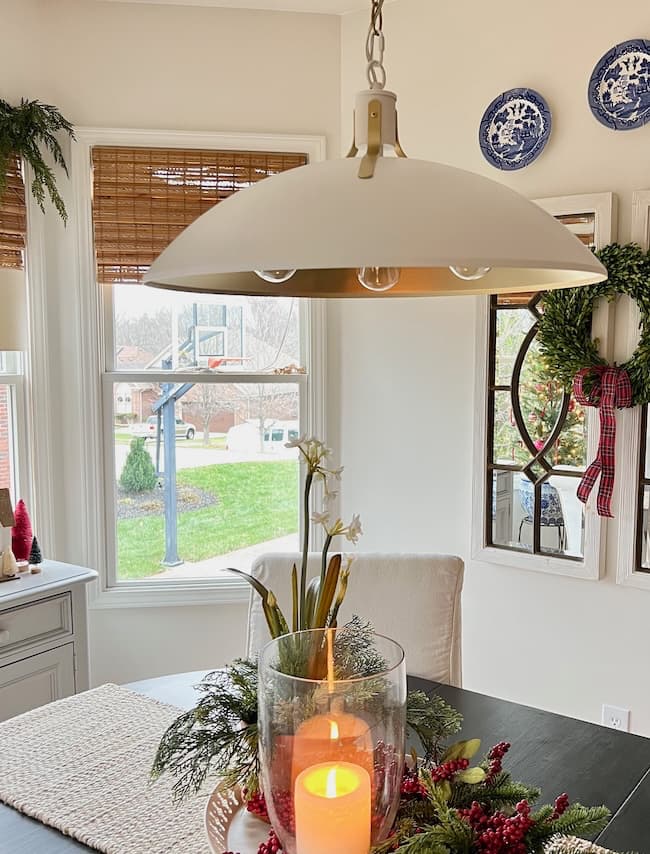
Beauty (STC) Manufacturing Co., Ltd.’s factory in Jiangmen, Guangdong Province, is a modern, vertically integrated facility specializing in the design and production of high-quality LED lighting solutions. Strategically located in the Pearl River Delta region, the Jiangmen factory benefits from excellent logistics infrastructure and proximity to key suppliers, enabling efficient manufacturing and timely delivery.
The factory is equipped with advanced surface mount technology (SMT) production lines featuring high-precision machines from leading global manufacturers. These SMT lines ensure consistent and reliable assembly of LED components, supporting high-density circuit board designs with tight tolerances. Automated optical inspection (AOI) systems are integrated into the process to verify solder joint quality and component placement accuracy, minimizing defects and ensuring product reliability.
Product durability and performance are rigorously validated through comprehensive aging and environmental testing. At the Jiangmen facility, completed lighting units undergo extended burn-in tests under elevated temperatures and fluctuating voltage conditions to simulate years of real-world use. Additional tests include thermal cycling, humidity exposure, and photometric measurements to ensure compliance with international standards such as CE, RoHS, and UL. This stringent quality control process guarantees that every product meets the highest benchmarks for safety, efficiency, and longevity.
Beauty STC has strong OEM and ODM capabilities, making it well-suited to support custom lighting projects such as “breakfast room lighting ideas.” The company works closely with clients to develop tailored lighting solutions—whether recessed downlights, under-cabinet LED strips, pendant fixtures, or smart tunable-white systems—designed to enhance ambiance, functionality, and aesthetics in dining and breakfast areas. From concept and optical design to prototyping, certification support, and mass production, the Jiangmen factory provides end-to-end service with flexible MOQs and rapid turnaround times.
With a focus on innovation, quality, and customer collaboration, the Jiangmen facility exemplifies Beauty STC’s commitment to delivering advanced, customized LED lighting solutions for residential, commercial, and hospitality applications worldwide.
Application Scenarios
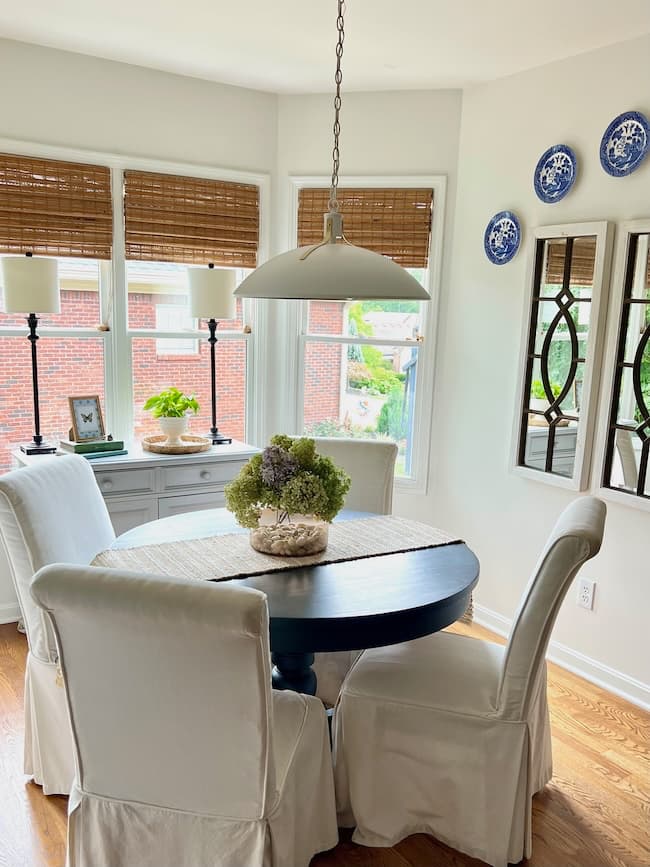
The term “breakfast room lighting ideas” specifically applies to dedicated guest dining areas in hotels, as this is the primary commercial context for a space explicitly designed for morning meals. Malls and offices do not feature “breakfast rooms” in the traditional sense; malls utilize food courts for all-day casual dining, while offices have staff cafeterias or break rooms. However, lighting principles for morning meal service in these spaces share overlapping considerations with hotel breakfast rooms, particularly regarding ambiance, functionality, and circadian support. Below is a breakdown by venue, followed by universal installation guidance.
Hotels require specialized lighting in breakfast rooms to enhance guest experience during critical morning hours. These spaces must transition seamlessly from pre-dawn to mid-morning, supporting both intimate seating and high-volume buffet service. Ambient lighting should use tunable white LED systems that shift from warm (2700K) at opening to neutral (3500K) by late morning, aligning with natural circadian rhythms to combat guest fatigue. Task lighting is non-negotiable over buffet counters—install under-cabinet linear LEDs with a minimum CRI of 90 to ensure food appears fresh and vibrant, while avoiding glare with precision-engineered baffles. Accent lighting highlights architectural features like columns or artwork to create visual interest without overwhelming the space. Crucially, hotels must incorporate zoned dimming controls for flexible scene setting during off-peak hours, such as converting the room for meetings.
Malls lack true breakfast rooms but demand thoughtful lighting in food courts where morning patrons seek quick service. Here, lighting must prioritize durability and energy efficiency across sprawling, high-traffic zones with diverse vendor aesthetics. Overhead LED troffers or high-bay fixtures should deliver uniform 300–400 lux illumination with a consistent 3500K color temperature to maintain food appeal from breakfast through evening. Avoid warm tones that can make eggs or pastries appear unappetizing. Install vandal-resistant, easy-to-clean fixtures given the risk of splatter and accidental impacts. Since food courts often have high ceilings, use indirect cove lighting to soften the environment and reduce perceived noise levels, but ensure direct task lighting at seating areas to prevent shadowed tables. Energy-saving occupancy sensors are essential in perimeter zones where traffic fluctuates significantly before noon.
Offices utilize staff cafeterias for breakfast, where lighting directly impacts employee alertness and morale. Unlike hotels, these spaces serve dual purposes as collaborative zones, requiring adaptable solutions. Implement circadian-effective lighting with higher blue-content LEDs (4000K–5000K) during breakfast hours to stimulate wakefulness, programmable to shift warmer by lunchtime. Task lighting should focus on beverage stations and fruit bars—recessed adjustable downlights with glare shields prevent reflections on stainless steel surfaces. Maximize daylight harvesting near windows using photocell-controlled dimming to reduce eye strain, but supplement with uniform ambient lighting in windowless sections to avoid stark contrasts. Avoid overly bright, clinical setups; instead, use pendant clusters over communal tables to create inviting micro-zones that encourage social interaction during morning breaks.
For all installations, begin with a lighting layout simulation using software like Dialux to verify uniformity and avoid dark spots, especially near buffet lines or seating clusters. Always specify LED drivers with a minimum 5-year warranty and ensure fixtures meet IP44 ratings for steam and splatter resistance in food zones. Voltage drop is a common oversight—run dedicated 277V circuits for large hotel or mall installations to maintain consistent output during peak demand. In retrofit scenarios, verify existing junction box capacity before adding modern controls; many older buildings require conduit upgrades for DALI or 0–10V systems. Finally, coordinate with HVAC teams to prevent fixture placement over diffusers, which accelerates lumen depreciation from heat exposure. Partner with controls specialists early to integrate schedules with operational hours, as manual overrides in high-traffic venues lead to unnecessary energy waste.
Why Choose Beauty STC Lighting
Transform your breakfast room with stunning, functional lighting designs that enhance both mood and aesthetics. At Beauty STC, we specialize in custom LED lighting solutions tailored to residential and commercial spaces. Our innovative designs blend elegance with efficiency, ensuring your breakfast area is not only well-lit but also visually captivating.
Partner with Beauty STC to bring your vision to life. Our experienced team is ready to guide you through every step—from concept to installation. For personalized lighting ideas and expert support, contact us today at [email protected] and let us illuminate your space with style and precision.
⚡ LED Power Supply Calculator
Estimate the power supply needed for your LED strip project.