
Article Contents
Industry Insight: Bluetooth Controlled Led Lights
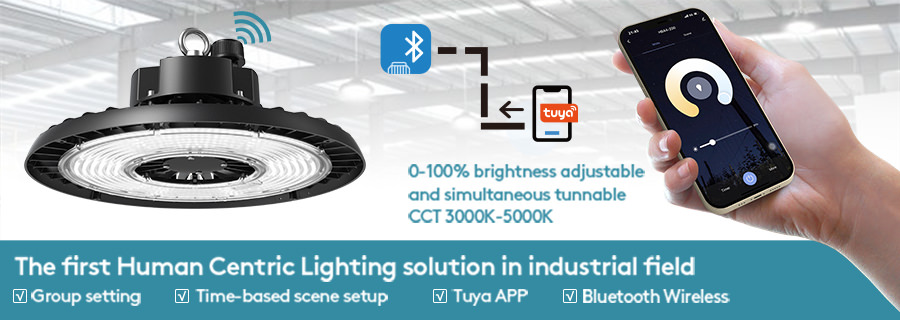
The commercial and industrial lighting landscape is undergoing a transformative shift with the integration of smart technologies, and Bluetooth-controlled LED lighting has emerged as a pivotal innovation driving efficiency, flexibility, and energy savings in modern facilities. As businesses seek scalable and intelligent lighting solutions, Bluetooth-enabled systems offer seamless wireless control, enabling precise dimming, scheduling, and zoning without the complexity of additional wiring or gateways. These systems are especially valuable in warehouses, manufacturing plants, retail spaces, and office environments where adaptability and operational cost reduction are critical.
Compliance with international safety and performance standards is paramount in industrial applications, and leading Bluetooth-controlled LED solutions are now routinely ETL and CE certified—ensuring they meet rigorous North American and European requirements for electrical safety, electromagnetic compatibility, and environmental resilience. These certifications not only validate product reliability but also provide assurance to facility managers and electrical contractors during procurement and installation.
At the forefront of this evolution is Beauty (STC) Manufacturing Co., Ltd., a trusted innovator in LED lighting since its founding in 1998. With over two decades of engineering expertise, Beauty STC has established a strong reputation for delivering high-performance, code-compliant lighting solutions tailored to the demanding needs of commercial and industrial environments. Combining advanced Bluetooth control integration with robust thermal management and optical efficiency, Beauty STC continues to set benchmarks in smart lighting innovation, helping businesses future-proof their infrastructure while achieving significant energy and maintenance savings.
Technical Specs & Certifications
Beauty STC’s Bluetooth-controlled LED lighting solutions are engineered for superior performance, energy efficiency, and reliability across residential and commercial applications. Our technical specifications reflect rigorous in-house testing and adherence to international standards, ensuring consistent quality from design through manufacturing.
Lumens per Watt efficacy is a core focus, with our Bluetooth-enabled products typically achieving 110–130 lm/W at 3000K–4000K CCT under standard operating conditions. This high efficiency is realized through optimized thermal management, high-performance SMD LEDs (primarily 2835 or 3030 packages), and integrated constant-current drivers with >90% efficiency. System-level efficacy accounts for all losses, including Bluetooth module power draw, which consumes minimal energy (<0.5W in standby) due to our use of Bluetooth 5.0+ low-energy protocols. Real-world performance is validated via LM-79 testing, with minimal lumen depreciation ensuring sustained output over the product’s lifespan.
Color Rendering Index (CRI) consistently exceeds 90 (Ra ≥ 90) across our Bluetooth portfolio, with R9 (saturated red) values >50 to ensure vibrant, accurate color representation critical for retail, hospitality, and residential settings. This is achieved through multi-phosphor LED formulations and spectral tuning, avoiding the common pitfall of high Ra with poor R9 performance. Every batch undergoes spectroradiometric verification per TM-30-15 guidelines, guaranteeing uniform color quality without batch-to-batch variation—a hallmark of Beauty STC’s manufacturing precision.
IP ratings are application-specific but rigorously defined. Indoor Bluetooth bulbs and downlights maintain IP20 for dry locations, prioritizing thermal performance and optical clarity. For damp or outdoor use, our Bluetooth strips and fixtures achieve IP65 (dust-tight and protected against low-pressure water jets), utilizing silicone encapsulation and sealed driver compartments. Critical to this reliability is our conformal coating process on Bluetooth modules and drivers, preventing moisture ingress without compromising wireless signal integrity. IP67 options are available for specialty outdoor fixtures, validated through 30-minute submersion testing per IEC 60529.
Beauty STC’s quality differentiation lies in systemic robustness. Unlike competitors, we integrate Bluetooth control without sacrificing photometric integrity—our drivers eliminate flicker (flicker index <0.1) even during dimming or color tuning, validated per IEEE 1789. All products undergo 100% aging tests (168 hours at 65°C), stringent EMI/EMC compliance (FCC Part 15, CE RED), and achieve L70 lifespans of 50,000 hours. This consistency stems from our vertical manufacturing control: from phosphor slurry formulation to final assembly in our Shenzhen facility, ensuring every Bluetooth LED product meets the exact specifications promised to global clients.
Factory Tour: Manufacturing Excellence
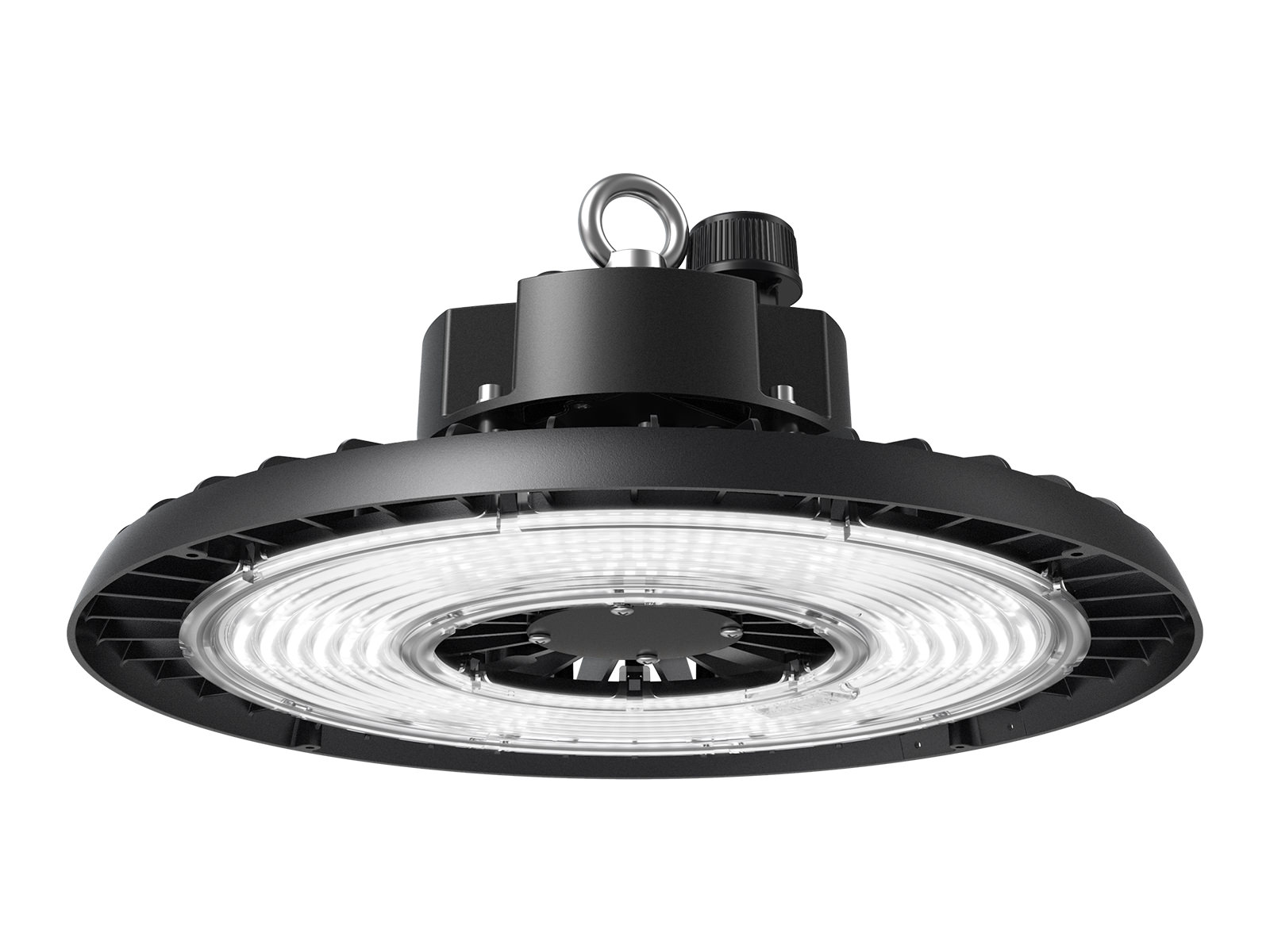
Beauty (STC) Manufacturing Co., Ltd. operates a modern manufacturing facility in Jiangmen, Guangdong Province, strategically located within one of China’s key industrial hubs for electronics and lighting production. The Jiangmen factory is equipped with advanced surface mount technology (SMT) production lines that ensure high-precision assembly of LED lighting components. These SMT machines are fully automated, featuring high-speed placement systems, automatic optical inspection (AOI), and reflow soldering technology, enabling consistent quality and efficient throughput for complex PCB assemblies used in smart LED lighting products.
The factory incorporates comprehensive aging and reliability testing procedures as part of its quality assurance protocol. After assembly, all LED lighting products undergo rigorous aging tests, typically conducted over 48 to 72 hours under elevated temperature and continuous operation conditions. This process helps identify early-life failures and ensures long-term performance and durability. Additional testing includes electrical safety checks, thermal performance evaluation, and environmental stress testing to meet international standards such as CE, RoHS, and UL.
Beauty STC has strong OEM and ODM capabilities, particularly for smart lighting solutions such as Bluetooth-controlled LED lights. The company supports full customization, including product design, PCB layout, firmware development for Bluetooth connectivity (supporting Bluetooth 5.0 and mesh protocols), housing design, branding, and packaging. With in-house R&D engineers and technical support teams, Beauty STC can deliver turnkey solutions tailored to the specific requirements of global clients, from prototype development to mass production. This end-to-end capability makes the Jiangmen facility well-suited for serving international brands seeking reliable, high-quality, and innovative smart lighting products.
Application Scenarios
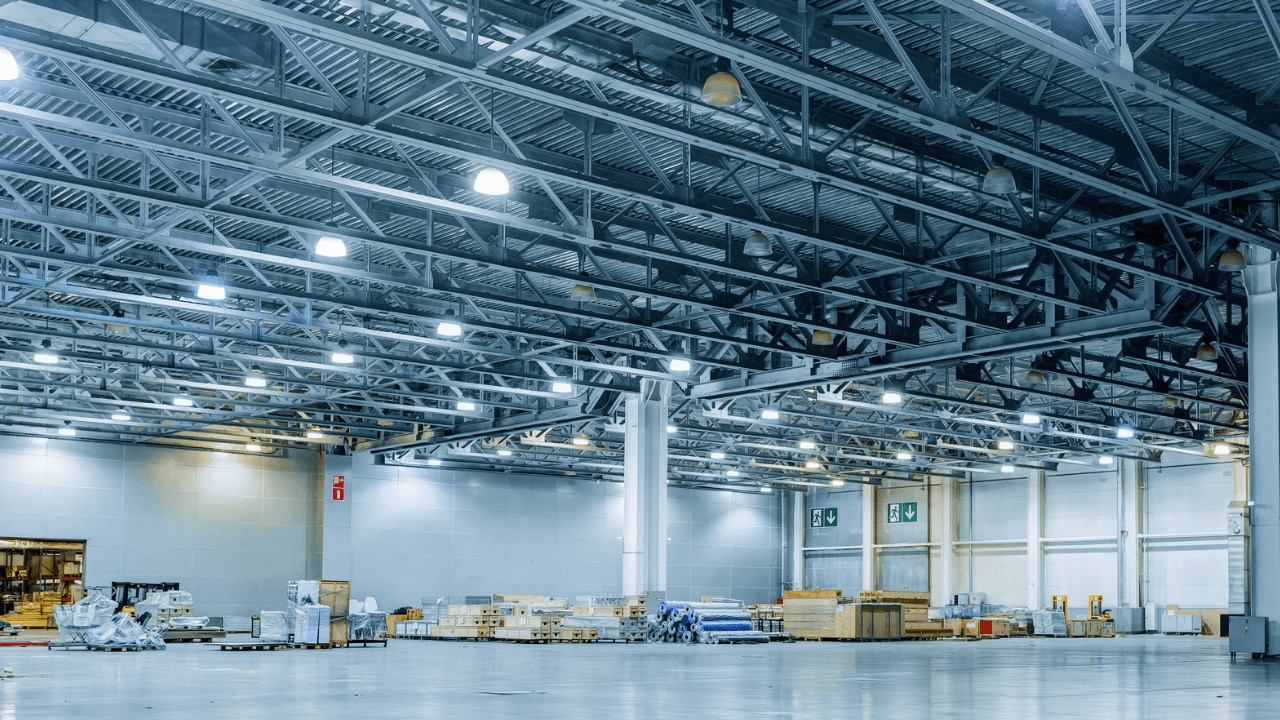
Bluetooth-controlled LED lighting offers significant advantages in commercial environments due to its flexibility, ease of installation, and user-friendly control. For hotels, malls, and offices, strategic implementation enhances both operational efficiency and user experience. In hotels, deploy these systems in guest rooms to allow personalized ambiance control via smartphones, eliminating physical switches near beds and reducing housekeeping touchpoints. Key areas include bedrooms, bathrooms for dimmable vanity lighting, and premium suites where mood lighting elevates the guest experience. Lobbies and restaurants benefit from scheduled or event-triggered scene changes without rewiring, while meeting rooms gain instant reconfiguration for presentations or receptions. Crucially, ensure guest privacy by designing systems where controls reset to default settings upon checkout, avoiding any residual personalization from previous occupants.
Malls present dynamic opportunities for Bluetooth LED systems, particularly in retail storefronts where tenants frequently change layouts. Install these lights in display windows and interior sales floors to enable rapid reprogramming for promotions or seasonal themes without electrician callouts. Common areas like food courts and restrooms achieve energy savings through motion-activated dimming profiles, while event spaces leverage synchronized color-changing effects for concerts or holiday events. However, dense RF environments require careful channel planning; stagger Bluetooth channels across adjacent stores to prevent signal interference from high foot traffic or neighboring vendor systems. Always integrate with the mall’s central management system via gateways for after-hours overrides and maintenance diagnostics, ensuring consistent illumination levels across walkways for safety compliance.
Office environments gain substantial productivity and wellness benefits from Bluetooth-controlled LEDs. Implement tunable white systems in open-plan workspaces to gradually shift color temperature from energizing cool tones in mornings to relaxing warm tones pre-evening, reducing eye strain. Focus on meeting rooms where one-touch scene presets (e.g., “Presentation,” “Video Call”) replace manual adjustments, and private offices allow employee-customized settings via apps. Reception areas use occupancy-based circadian lighting to create welcoming atmospheres during business hours while minimizing overnight energy use. When installing, prioritize ceiling grid compatibility—recess controllers within troffer housings to maintain clean aesthetics—and deploy mesh network topology to overcome signal blockage from cubicle walls. Crucially, configure group assignments by physical zones (e.g., “Finance Department North”) rather than arbitrary numbers, simplifying maintenance for facility teams.
Installation requires meticulous planning despite the wireless advantage. Begin with a site survey to identify signal obstructions like steel beams or glass partitions; in offices, concrete floors may necessitate additional mesh nodes every 30 meters. Always power lights and controllers through dedicated circuits with surge protection to prevent Bluetooth module damage during voltage spikes. For multi-story buildings like hotels, vertically align access points to minimize cross-floor interference—never stack identical channel numbers directly above/below. During commissioning, label every fixture with its logical zone name and physical location (e.g., “Lobby-East-Fixture-07”) in the management software, avoiding generic IDs. Test thoroughly with actual building materials: marble lobbies in malls may require 20% more nodes than open-plan offices due to signal absorption. Finally, future-proof by selecting fixtures with field-upgradable Bluetooth 5.0+ modules and ensure all staff receive training on both app-based control and manual override procedures for network outages. This approach minimizes callbacks while maximizing the system’s lifecycle value.
Why Choose Beauty STC Lighting
Transform your space with innovative Bluetooth controlled LED lights designed for seamless connectivity and superior lighting performance. Partner with Beauty (STC) Manufacturing Co., Ltd., a trusted leader in advanced LED solutions. For collaboration opportunities and product inquiries, contact our sales manager at [email protected] today.
⚡ LED Power Supply Calculator
Estimate the power supply needed for your LED strip project.