
Article Contents
Industry Insight: Art Gallery Track Lighting
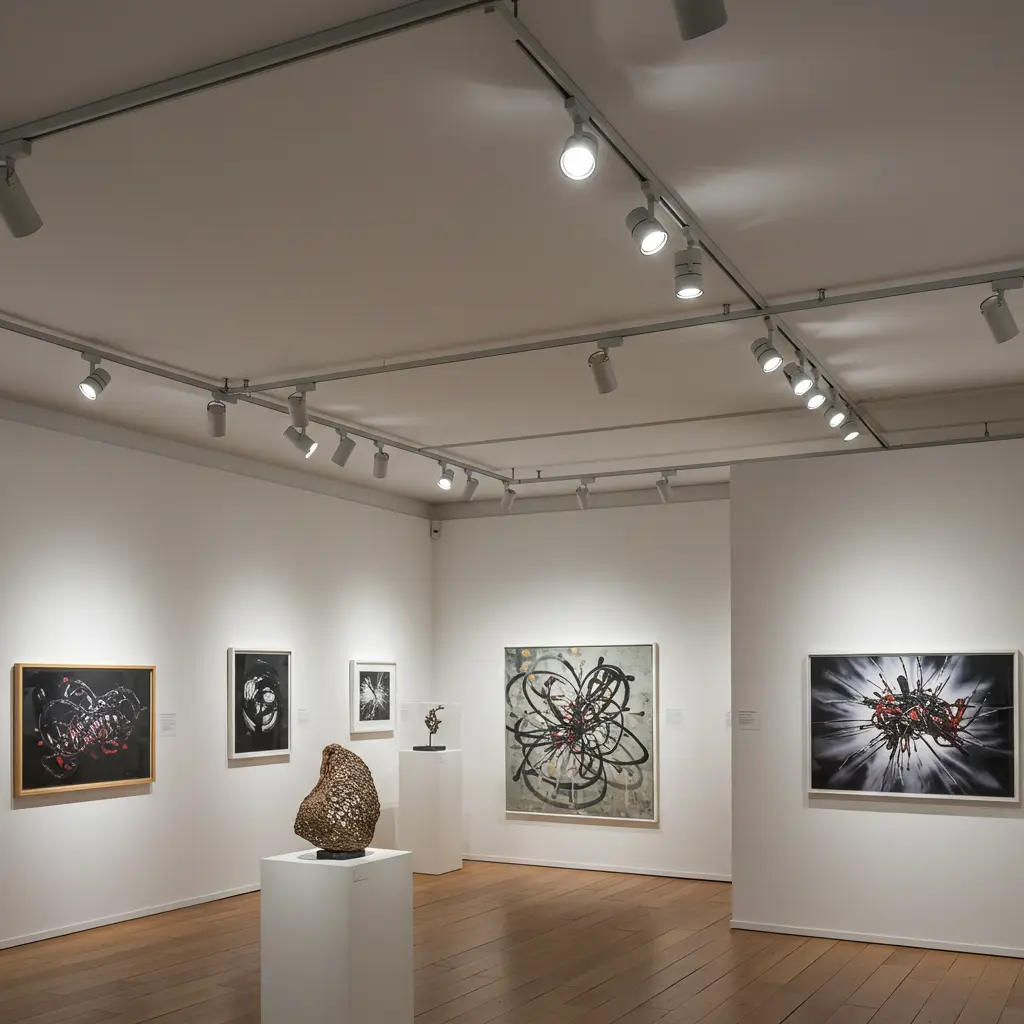
In the realm of commercial and industrial lighting, precision, reliability, and aesthetic integrity are paramount—especially in specialized environments such as art galleries where lighting directly influences perception, ambiance, and preservation. Track lighting systems designed for art galleries must balance high-performance illumination with architectural subtlety, delivering adjustable, high-CRI lighting that accentuates artwork while meeting rigorous safety and compliance standards. In this competitive landscape, certifications such as ETL and CE are not just regulatory benchmarks but critical assurances of electrical safety, electromagnetic compatibility, and adherence to international market requirements.
Since 1998, Beauty (STC) Manufacturing Co., Ltd. has been at the forefront of advanced LED lighting solutions for demanding commercial applications. Known for engineering excellence and a deep understanding of architectural and institutional needs, Beauty STC delivers track lighting systems that combine cutting-edge thermal management, optical precision, and durable construction. With a commitment to innovation and compliance, the company’s gallery-grade luminaires are designed to meet ETL and CE standards, ensuring reliability and global market readiness. As museums, galleries, and cultural institutions increasingly demand intelligent, energy-efficient, and visually seamless lighting, Beauty STC continues to set the standard for performance-driven design in the commercial lighting industry.
Technical Specs & Certifications
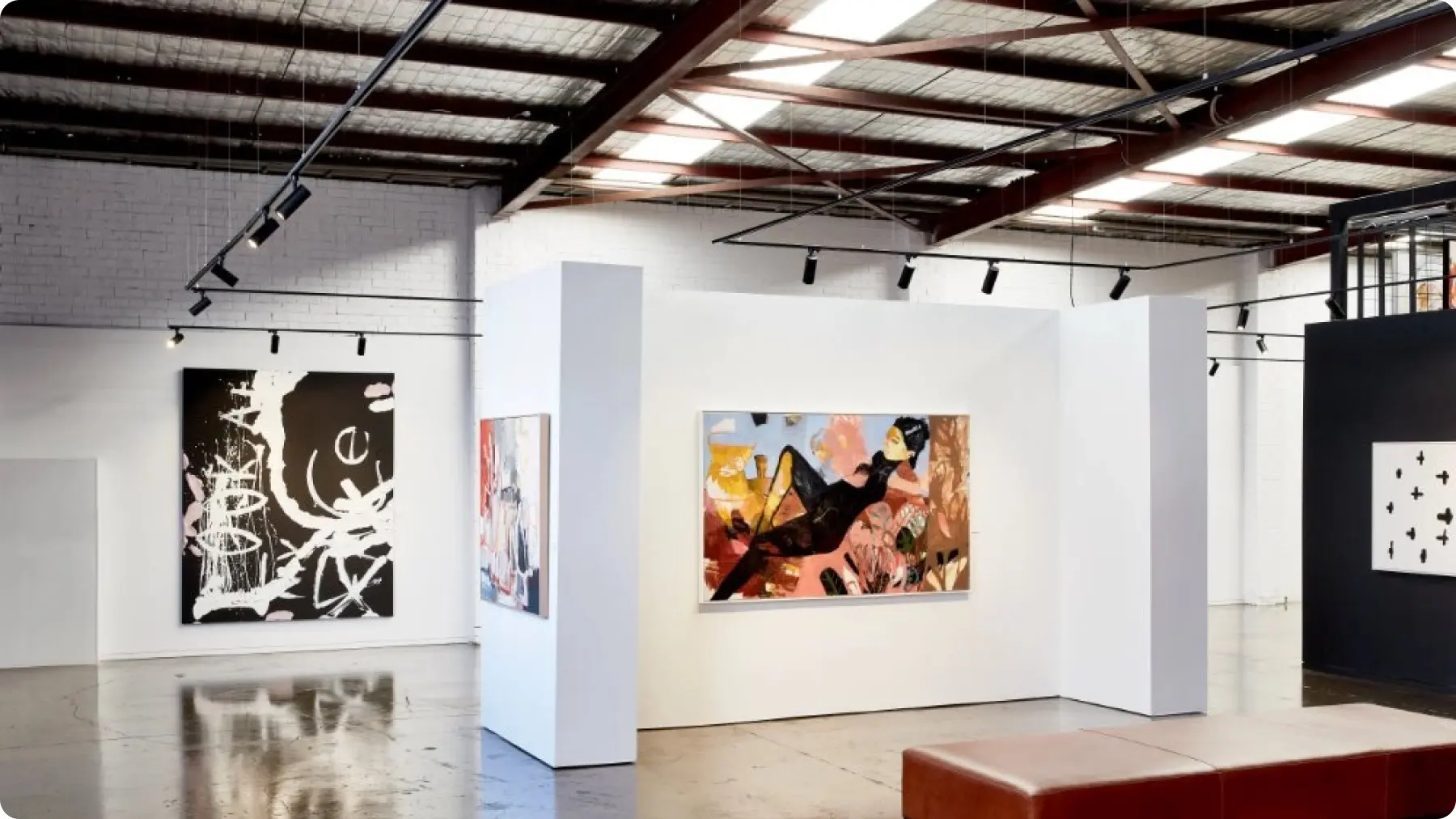
Art gallery track lighting demands exceptional performance to accurately render artwork while maintaining energy efficiency and reliability. At Beauty STC Manufacturing Co., Ltd., our engineering approach prioritizes precision optics, thermal management, and stringent quality control to meet these exacting requirements. Key technical specifications for our museum-grade track lighting systems are detailed below, reflecting industry best practices for critical viewing environments.
Lumens per Watt (lm/W) efficiency is crucial for reducing operational costs and heat generation in climate-controlled galleries. Beauty STC fixtures achieve a sustained efficacy range of 100-120 lumens per watt under real-world operating conditions. This performance is realized through the use of high-binning COB (Chip-on-Board) or multi-die LED packages specifically selected for high-CRI operation, coupled with advanced driver electronics featuring >92% efficiency. It is important to note that maintaining CRI >90 inherently reduces maximum theoretical efficacy compared to standard LEDs; our engineering optimizes this balance without compromising color fidelity. Efficacy values are measured at 25°C ambient with thermal management systems designed to prevent lumen depreciation during extended operation, ensuring consistent output over the fixture’s lifespan.
Color Rendering Index (CRI) is non-negotiable for art applications, with Beauty STC mandating a minimum Ra (general CRI) of 95 and R9 (saturated red) of >90 across all gallery track fixtures. We exceed the baseline CRI >90 requirement through rigorous LED binning processes where every chip is spectrally sorted to ensure chromaticity consistency within a 3-step MacAdam ellipse (SDCM ≤3). Our proprietary phosphor formulations and multi-channel LED arrays deliver exceptional spectral continuity, critical for discerning subtle tonal variations in paintings and textiles. Independent third-party LM-79 testing verifies these values, and we further recommend TM-30-15 reporting (Rf >90, Rg >100) for comprehensive color fidelity assessment in high-end installations. This level of color accuracy is unachievable with standard commercial LEDs and represents a core differentiator in our product engineering.
IP ratings for gallery track lighting are typically modest since installations occur in dry, interior environments. Beauty STC fixtures comply with IP20 as the industry standard for such applications, indicating protection against solid objects larger than 12mm and no ingress protection against liquids. This rating is appropriate as galleries require no moisture resistance; however, our housings are constructed with sealed optical compartments and corrosion-resistant materials (marine-grade aluminum alloys) to prevent dust ingress into critical optical paths over decades of service. We explicitly advise against higher IP ratings (e.g., IP54) for standard gallery use, as unnecessary sealing compromises thermal performance and increases cost without functional benefit. Our focus instead is on robust mechanical construction—tested to IPX5 for accidental water exposure during cleaning—and hermetic lens sealing to maintain optical clarity.
Beauty STC’s commitment to quality is embedded in every layer of our track lighting systems. We utilize aerospace-grade aluminum extrusions with precision-machined thermal paths to maintain junction temperatures below 85°C, directly extending LED lifespan to L90/B10 >50,000 hours. All optical components undergo rigorous photometric validation in our in-house integrating sphere laboratory, with beam angles held to ±1° tolerance. Our track systems feature gold-plated contacts and dual-circuit compatibility for flexible zoning, while drivers incorporate 0-10V dimming with flicker-free operation (<5% SVM). Crucially, every batch undergoes accelerated life testing (ALT) simulating 5 years of continuous operation, ensuring the color stability and lumen maintenance required by conservators. This systematic approach to engineering excellence—validated by ISO 9001-certified processes—ensures that Beauty STC track lighting preserves artistic intent with scientific precision, distinguishing our solutions in the most demanding cultural institutions worldwide.
Factory Tour: Manufacturing Excellence
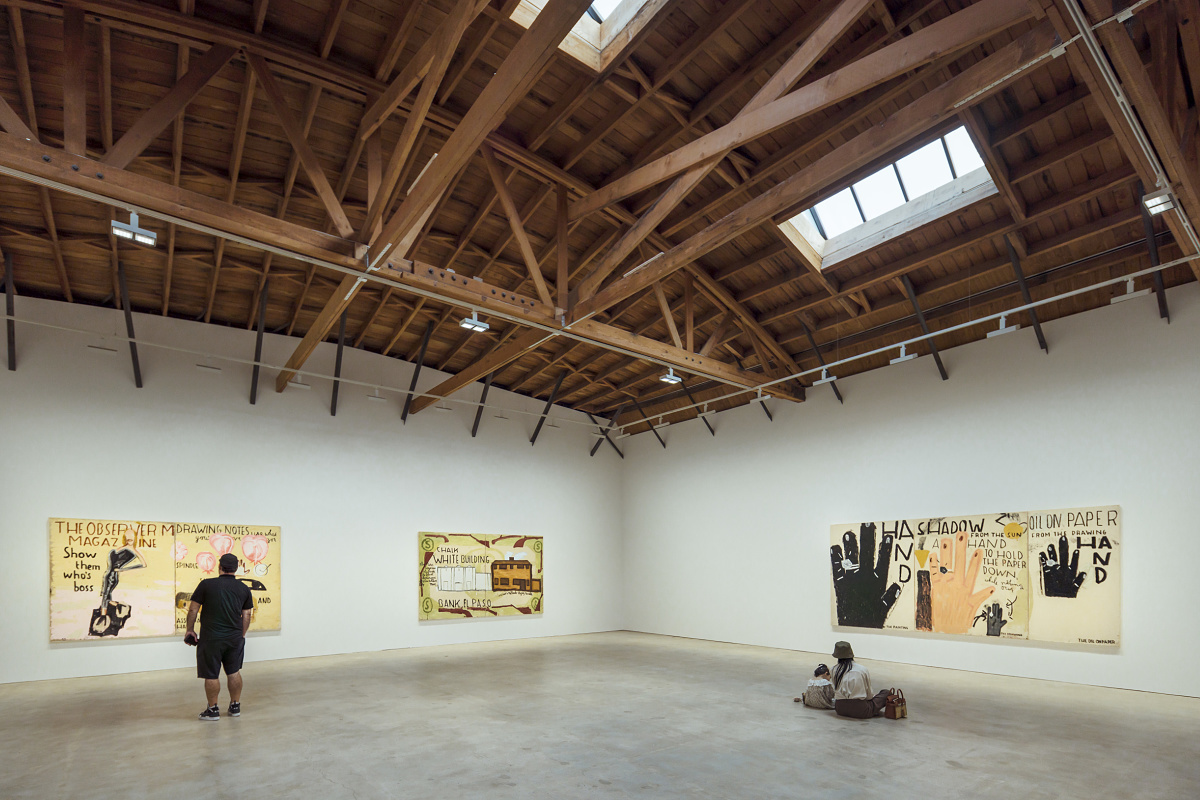
Beauty (STC) Manufacturing Co., Ltd. operates a modern and well-equipped manufacturing facility in Jiangmen, Guangdong Province, strategically located within one of China’s key industrial hubs for lighting and electronics production. The factory spans a substantial area and is designed to support high-efficiency manufacturing processes, with a strong emphasis on quality control, precision engineering, and scalability to meet both domestic and international market demands.
At the core of the production line are advanced SMT (Surface Mount Technology) machines, which enable the precise and automated placement of electronic components onto printed circuit boards (PCBs). These state-of-the-art SMT systems ensure high-speed assembly with minimal error rates, supporting consistent performance across lighting products, especially for sensitive applications such as art gallery track lighting where reliability and color accuracy are critical. The SMT line is integrated with automated optical inspection (AOI) systems to verify soldering quality and component alignment, ensuring that every circuit board meets strict performance standards before moving to the next stage.
To guarantee long-term reliability, all lighting products undergo rigorous aging tests within the Jiangmen facility. These tests simulate extended operation under various thermal and electrical conditions, typically running fixtures at full load for 8 to 12 hours or more. This process helps identify early failures, validates thermal management designs, and ensures stable light output and driver performance over time. For art gallery lighting, where consistent color rendering and minimal lumen depreciation are essential, these aging tests are particularly crucial in maintaining product integrity.
Beauty STC has robust OEM (Original Equipment Manufacturing) capabilities, allowing clients to customize track lighting systems specifically designed for art gallery environments. This includes tailored optical designs with high CRI (Color Rendering Index >90), precise beam angles, adjustable color temperatures, and sleek, minimalist fixture housings that complement gallery aesthetics. The company supports full-service OEM solutions—from initial concept and 3D modeling to prototyping, certification, and mass production. Clients can customize branding, labeling, packaging, and even control protocols such as DALI or 0-10V dimming integration.
The Jiangmen factory combines automated precision with skilled craftsmanship, making it well-suited for producing high-end, low-volume specialty lighting as well as scalable production runs. With a focus on quality, innovation, and customization, Beauty STC’s facility is well-positioned to deliver premium art gallery track lighting solutions for global partners under OEM agreements.
Application Scenarios
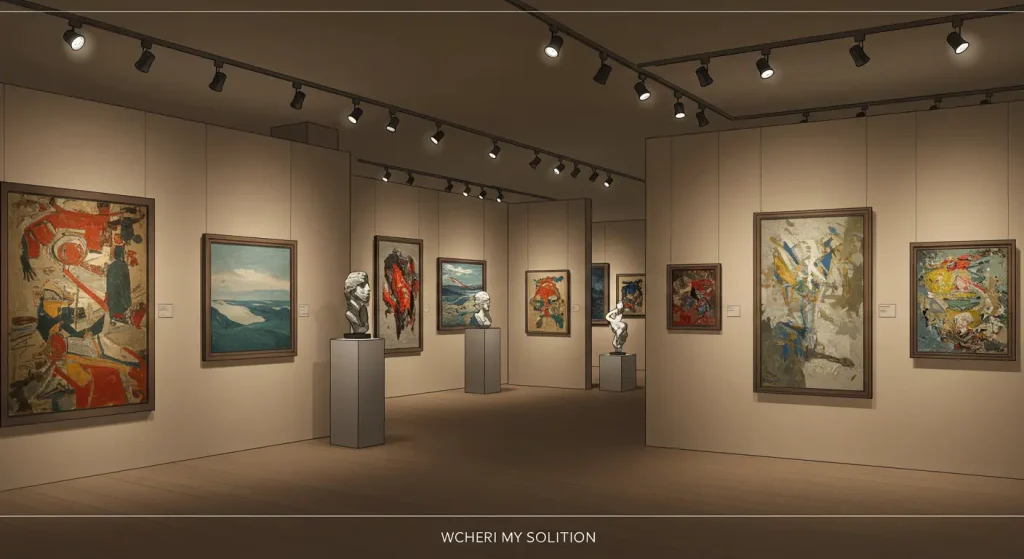
Art gallery track lighting serves a highly specialized purpose primarily within dedicated art exhibition environments such as museums, private galleries, and high-end collector spaces. Its core function is precise, adjustable illumination that showcases artwork without causing damage or visual distortion. While the venues you listed—hotels, malls, and offices—frequently utilize track lighting systems, they generally do not require true art gallery track lighting unless they are hosting significant, permanent art collections requiring professional-grade conservation and presentation standards. In standard hotels, track lighting is commonly deployed in lobbies or conference areas for general architectural accenting or temporary decorative displays, but the fixtures typically prioritize broad ambient washes or retail-style highlighting rather than the critical rendering index (CRI >95), precise beam control, and UV/IR-free output essential for protecting valuable artwork. Malls extensively use track systems in retail storefronts and common areas for flexible merchandising illumination, yet these installations emphasize high lumen output and cost efficiency over the color fidelity and thermal management needed for sensitive art. Offices might incorporate track lighting in executive suites or reception areas for wall decor, but standard office installations lack the adjustable articulation, narrow beam spreads, and rigorous glare control mandated in galleries where every fixture must be meticulously aimed to avoid reflections on glass or canvas.
True art gallery track lighting belongs exclusively where artwork is the primary focus and requires conservation-grade lighting. Installation demands meticulous planning to achieve optimal results. Position the track parallel to the wall at a distance equal to one-third the ceiling height; for a 10-foot ceiling, this typically means 36 to 40 inches from the wall to prevent excessive shadows while allowing proper beam spread. Mount tracks at a minimum height of 9 feet to provide sufficient vertical adjustment range for fixture heads, ensuring they can be lowered or angled without obstructing sightlines. Use line-voltage tracks for simpler installations with fewer fixtures, but opt for low-voltage systems with magnetic or electronic transformers when precise dimming, multiple circuit zones, or higher fixture density are required—always verifying transformer capacity exceeds total load by 20%. Select fixtures with individual adjustable heads featuring at least 360-degree horizontal and 90-degree vertical rotation, coupled with interchangeable reflectors or lenses to control beam angles between 10 and 30 degrees for focused artwork highlighting. Avoid installing tracks directly above walkways to prevent head obstruction and maintain clear sightlines to the art. Crucially, measure and document the exact position of each artwork anchor point before installation, using a physical template to mark track hole locations for consistent fixture spacing. Ensure all LED modules have a minimum CRI of 95 and a TM-30 Rf value above 90 to accurately render colors, and confirm thermal management pathways are unobstructed since overheating rapidly degrades LED performance and color stability. Always integrate compatible dimming systems tested with the specific LED drivers to eliminate flicker, and rigorously check for glare by viewing each piece from multiple seated and standing positions, adjusting fixture tilt until hotspots vanish from reflective surfaces. This level of precision prevents common pitfalls like uneven illumination, color shifts between fixtures, or accelerated artwork fading due to inadequate spectral control.
Why Choose Beauty STC Lighting
Transform your art gallery with precision illumination by partnering with Beauty STC, a trusted leader in high-performance track lighting solutions. Our expertly engineered fixtures deliver optimal color rendering, adjustable beam angles, and sleek aesthetics designed to elevate every artwork on display. Trusted by galleries and designers worldwide, Beauty STC combines innovation with reliability to meet the highest curatorial standards.
Take the next step in enhancing your space—contact our lighting specialists today at [email protected] to discuss a customized track lighting solution tailored to your gallery’s unique needs.
⚡ LED Power Supply Calculator
Estimate the power supply needed for your LED strip project.