
Article Contents
Industry Insight: Addressable Led Lights
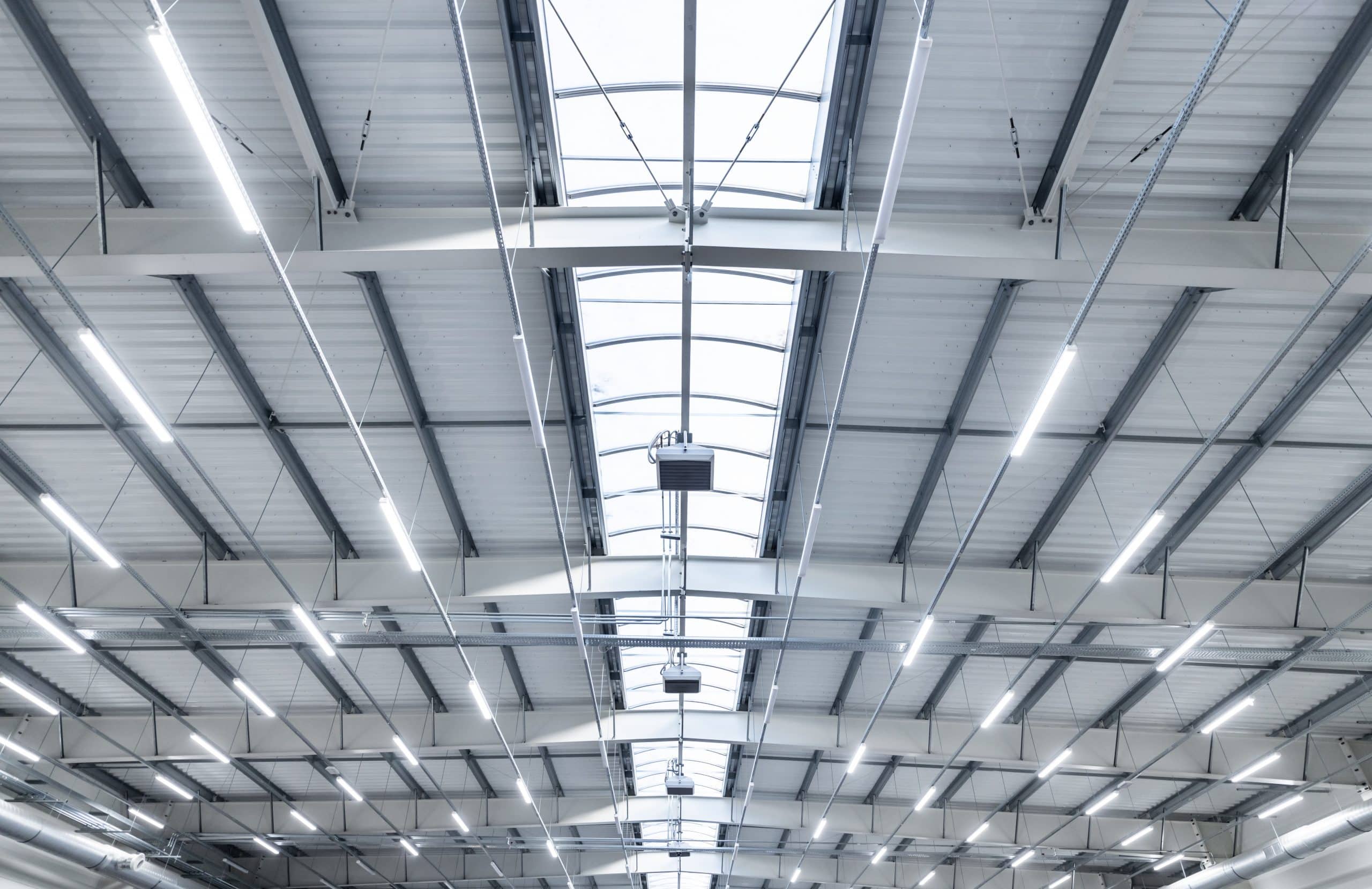
Addressable LED lighting has emerged as a transformative force in commercial and industrial lighting environments, offering unprecedented control, energy efficiency, and design flexibility. Unlike traditional static lighting systems, addressable LEDs allow individual control of each light node or segment, enabling dynamic color tuning, precise brightness adjustment, and synchronized lighting effects across large-scale installations. This level of programmability makes them ideal for applications such as warehouse task lighting, retail accent displays, architectural highlighting, and smart facility management systems where operational efficiency and visual impact are paramount. As building automation and IoT integration become standard in modern infrastructure, addressable LED solutions are increasingly specified for their compatibility with building management systems and ability to support energy-saving strategies.
In the global market, compliance with safety and performance standards is critical, particularly in commercial and industrial deployments. Products bearing ETL and CE certifications assure facility managers, engineers, and contractors that the lighting systems meet rigorous North American and European safety requirements, respectively—ensuring reliability, electrical safety, and long-term performance in demanding environments.
Beauty (STC) Manufacturing Co., Ltd., established in 1998, has been at the forefront of innovation in LED lighting technology for over two decades. Specializing in high-performance solutions for commercial and industrial applications, Beauty STC combines advanced engineering with strict quality control to deliver addressable LED systems that are not only energy-efficient and durable but also fully compliant with international standards including ETL and CE. With a proven track record in R&D and large-scale manufacturing, Beauty STC continues to support global partners in building smarter, more sustainable lighting infrastructures.
Technical Specs & Certifications
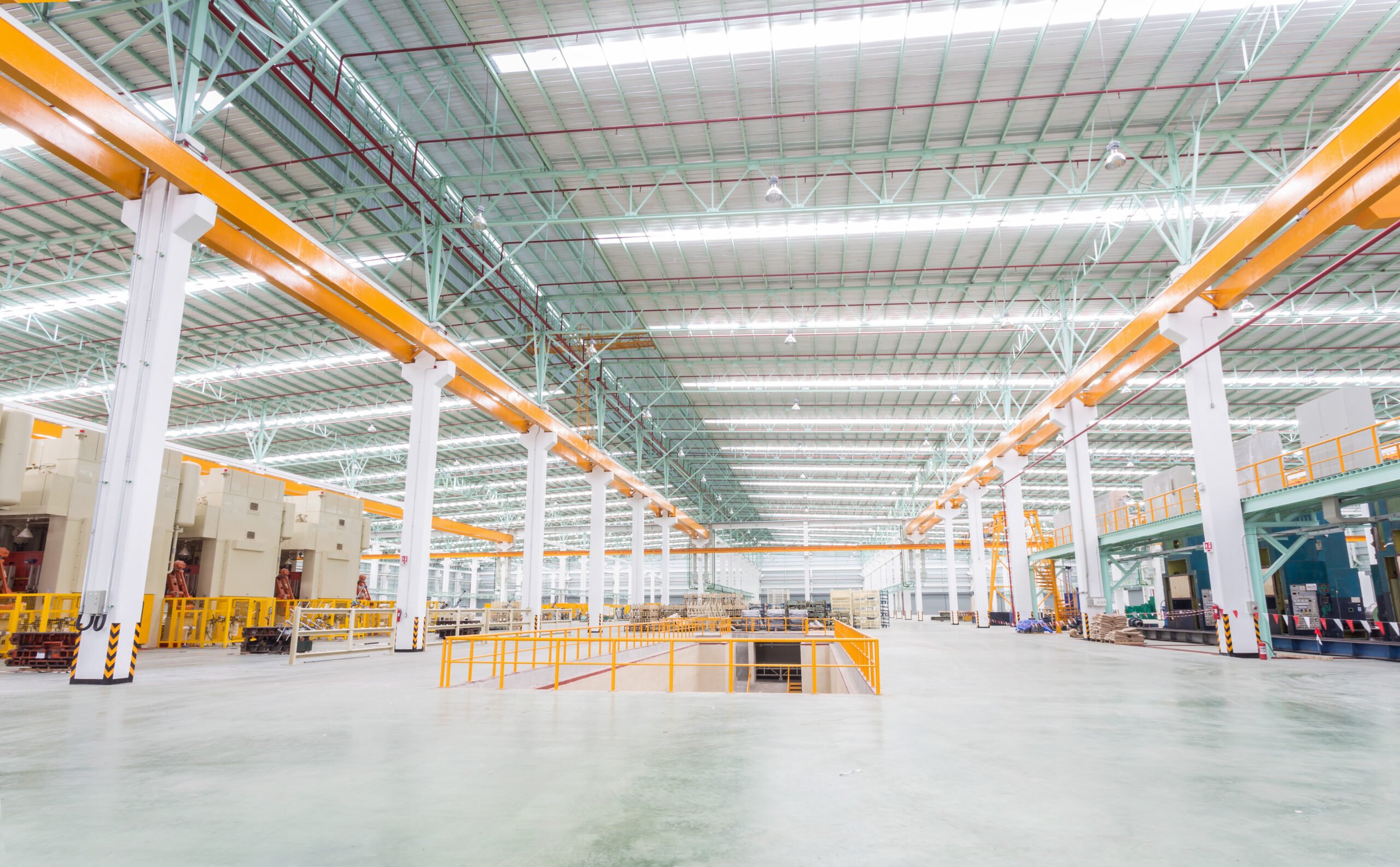
Addressable LED lighting systems represent a sophisticated category of controllable illumination where individual LEDs or segments can be programmed for color, intensity, and dynamic effects. When specifying high-performance addressable LED products with a focus on efficiency, color quality, and environmental resilience, the following technical parameters are critical. Lumens per watt (lm/W) efficacy is a key metric for operational efficiency, measured as total system output divided by total power input including the controller and driver. For premium addressable strips and modules, system efficacy typically ranges from 130 to 150 lm/W at 25°C ambient temperature under standard test conditions. This accounts for losses in the driver and control ICs, not just the bare LED performance. Real-world efficacy may decrease by 10-15% at higher operating temperatures, emphasizing the importance of thermal management in fixture design. Beauty STC achieves consistent lm/W performance at the upper end of this range through proprietary thermal interface materials and optimized driver topologies that minimize conversion losses, ensuring sustained efficiency over the product lifespan.
Color Rendering Index (CRI) exceeding 90 is non-negotiable for applications demanding accurate color representation such as retail, museums, and high-end hospitality. However, CRI alone is insufficient; our addressable systems target a minimum CRI Ra of 92 with strong performance in critical red (R9 > 50) and skin tone (R15 > 75) rendering indices. We further validate color quality using TM-30-15 metrics, achieving a fidelity index (Rf) of 90+ and a gamut index (Rg) of 95-105 to ensure natural, vibrant color rendition without oversaturation. This is accomplished through multi-channel phosphor-converted LEDs with tightly binned chromaticity coordinates (within a 3-step MacAdam ellipse) and advanced spectral tuning. Beauty STC’s commitment to color integrity is reinforced by third-party spectroradiometric testing to IES LM-79-19 standards, with batch-to-batch consistency maintained through our automated binning process that exceeds industry tolerances.
IP ratings define ingress protection against solids and liquids, crucial for addressable systems deployed in demanding environments. For indoor commercial use, IP20 is standard, but Beauty STC prioritizes robustness even in protected installations. Our architectural-grade addressable strips achieve IP65 as standard, with silicone encapsulation protecting the PCB, ICs, and solder joints against dust and low-pressure water jets. For outdoor or wet-location applications such as signage, landscape lighting, or marine environments, we engineer IP67-rated solutions capable of temporary submersion up to 1 meter for 30 minutes. This is achieved through seamless overmolding techniques and IP68-rated connectors that maintain integrity during flexing and thermal cycling. Critical to this performance is our exclusion of potting compounds that degrade over time—we use medical-grade liquid silicone rubber (LSR) with UV stabilizers, validated through 1,000-hour salt spray and thermal shock testing per IEC 60529.
Beauty STC’s quality differentiation manifests in rigorous engineering controls that transcend basic compliance. Our addressable LED systems undergo accelerated life testing per IES TM-21-19, projecting 50,000 hours of L70 maintenance at 45°C ambient—exceeding typical industry claims. We enforce a zero-tolerance policy for micro-cracks in flexible PCBs through proprietary stress-relief patterns and copper thickness optimization, reducing field failure rates to under 0.3% versus the industry average of 2-3%. Every production batch undergoes spectral stability validation under dynamic addressing modes, ensuring color consistency remains within ±0.003 du’v’ during rapid color transitions. This commitment is certified through UL 8750 safety compliance, ISO 9001:2015 manufacturing processes, and independent validation by the DesignLights Consortium for performance claims. The result is addressable lighting that delivers not just technical specifications on paper, but sustained, reliable performance in the most demanding real-world installations.
Factory Tour: Manufacturing Excellence
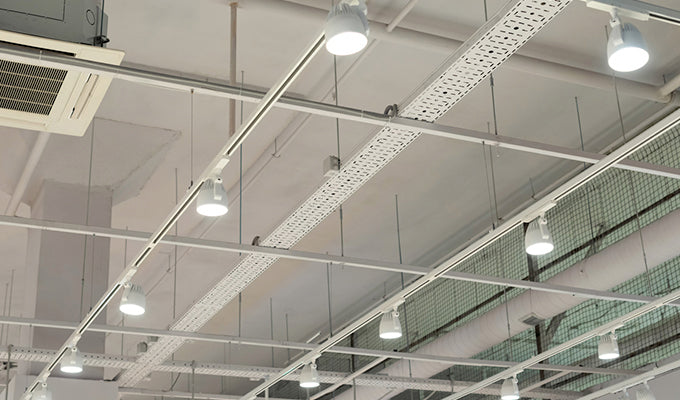
Beauty (STC) Manufacturing Co., Ltd.’s factory in Jiangmen, China, is a modern, vertically integrated production facility specializing in high-quality LED lighting solutions. Strategically located in the Jiangmen High-Tech Industrial Zone, the facility spans over 30,000 square meters and is equipped with advanced automation and quality control systems to support large-scale manufacturing with precision and consistency.
At the heart of the production line are state-of-the-art SMT (Surface Mount Technology) machines, including high-speed pick-and-place systems from leading brands such as Yamaha and Siemens. These machines ensure accurate placement of micro-components on LED light control boards, especially critical for addressable LED products that require tight tolerances and high reliability. The SMT lines are supported by automated optical inspection (AOI) systems that verify solder joint quality and component alignment in real time, minimizing defects and ensuring high throughput.
To guarantee long-term reliability, every batch of LED products undergoes rigorous aging tests in dedicated environmental chambers. These tests simulate extended operation under various conditions, including high temperature, humidity, and voltage fluctuations. Addressable LED lights are typically subjected to 48 to 72 hours of continuous operation testing, during which signal stability, color consistency, and thermal performance are closely monitored. This comprehensive testing protocol ensures that only products meeting strict durability and performance standards are released to customers.
Beauty STC has extensive OEM and ODM capabilities, particularly for addressable LED lights, including addressable LED strips, modules, and controllers compatible with protocols such as WS2812B, SK6812, and DMX512. The company supports full customization—from PCB design and firmware programming to branding, packaging, and compliance certification. With in-house R&D engineers and design teams, Beauty STC can develop tailored solutions based on client specifications, including custom IC integration, unique form factors, and specialized control software. This flexibility, combined with scalable production capacity, makes the Jiangmen factory a trusted partner for global lighting brands seeking high-performance, customizable addressable LED products.
Application Scenarios
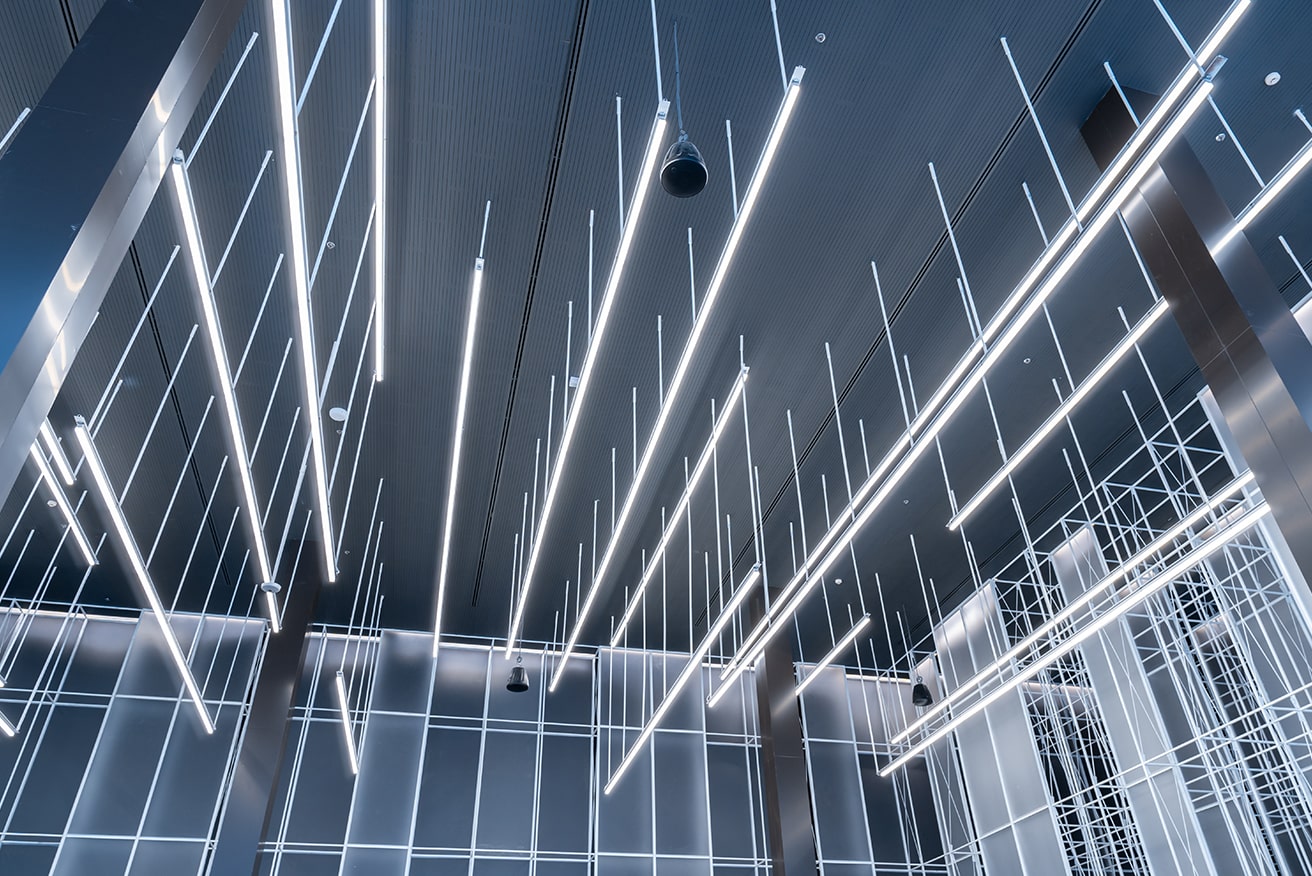
Addressable LED lights offer unique capabilities for dynamic and programmable lighting effects due to their individually controllable pixels. Their implementation requires careful consideration of the environment and purpose, as they are significantly more complex and costly than standard LED solutions. Below is guidance for the specified commercial applications along with critical installation insights.
In hotels, addressable LEDs excel in high-impact public areas where ambiance and guest experience are paramount. The main lobby serves as an ideal location for feature walls or ceiling installations that can shift colors or patterns to reflect time of day, seasons, or special events, creating a memorable first impression. Pool and spa environments benefit from underwater or perimeter cove lighting that transitions through calming hues to enhance relaxation, provided fully submersible IP68-rated fixtures and proper low-voltage isolation are used. Exterior architectural elements like facade outlines or porte-cochère canes leverage addressable strips for branded animations during evenings. However, avoid installing these in guest rooms or standard corridors where consistent, non-distracting illumination is required; the complexity offers no functional advantage there and may disturb occupants.
Malls present prime opportunities for addressable LEDs in large-scale experiential zones. Central atriums or feature staircases can incorporate sweeping vertical or horizontal runs to create immersive light shows synchronized with music during holidays or promotions, driving foot traffic and social media engagement. Digital signage integration is highly effective—imagine storefront perimeters or column wraps that pulse when promotions activate, directly linking lighting to retail activity. Wayfinding applications work well in expansive food courts where color-changing path markers guide patrons to restrooms or exits during emergencies. Crucially, installations must prioritize structural safety on high ceilings; always use aircraft cable suspension systems rated for 5x the fixture weight and confirm mounting points anchor to structural steel, not drywall or suspended ceilings. Avoid placing intricate pixel mappings in high-traffic floor zones where physical damage is likely.
Offices demand restrained use of addressable LEDs focused on functionality over spectacle. Executive boardrooms may utilize discreet cove lighting behind video walls to reduce eye strain during presentations through subtle, automated color temperature shifts. Large lobbies can implement addressable perimeter strips above reception desks for dynamic branding or to indicate meeting room availability via color coding. Emergency egress paths in windowless basements might integrate low-level addressable strips that intensify brightness and pulse directionally during power failures. Never deploy these in open-plan workspaces, conference rooms for standard meetings, or executive offices—flickering or color changes will cause severe visual distraction and reduce productivity. The return on investment here is marginal compared to hospitality or retail; prioritize human-centric tunable white lighting for general office areas instead.
Installation requires strict adherence to technical protocols to ensure longevity and performance. Power injection is non-negotiable: for every 5 meters of 5V strips or 10 meters of 24V strips, inject power from the power supply’s positive and negative terminals directly at the mid-point to prevent voltage drop that causes color distortion at the strip’s end. Always oversize power supplies by 20-30% beyond calculated load and use dedicated circuits with thermal protection. Data line integrity is critical—employ shielded CAT6 cable for runs exceeding 3 meters, terminate with 120-ohm resistors at the final pixel, and avoid running data lines parallel to AC power cables; cross them at 90-degree angles only. For outdoor or high-moisture areas like hotel pools, use only silicone-jacketed strips with IP67/IP68 ratings and seal all connectors with dielectric grease. Mount strips on aluminum channel profiles with thermal adhesive to dissipate heat; enclosed plastic channels will cause premature LED lumen depreciation. Finally, conduct full system testing at 100% brightness for 24 hours before final concealment to identify intermittent failures. Always consult Beauty (STC)’s engineering team for venue-specific validation—we provide free pre-installation reviews to prevent costly field errors.
Why Choose Beauty STC Lighting
Transform your lighting projects with high-quality addressable LED lights designed for precision, versatility, and stunning visual impact. Partner with Beauty (STC) Manufacturing Co., Ltd., a trusted leader in innovative LED solutions. Our addressable LED products offer seamless integration, vibrant color control, and reliable performance for residential, commercial, and industrial applications.
Collaborate with us to bring your creative visions to life with customized lighting solutions backed by expert engineering and global manufacturing standards. For partnership inquiries and product details, contact our sales manager at [email protected]. Let Beauty STC illuminate your next project.
⚡ LED Power Supply Calculator
Estimate the power supply needed for your LED strip project.