
Article Contents
Industry Insight: Addressable Led Lighting
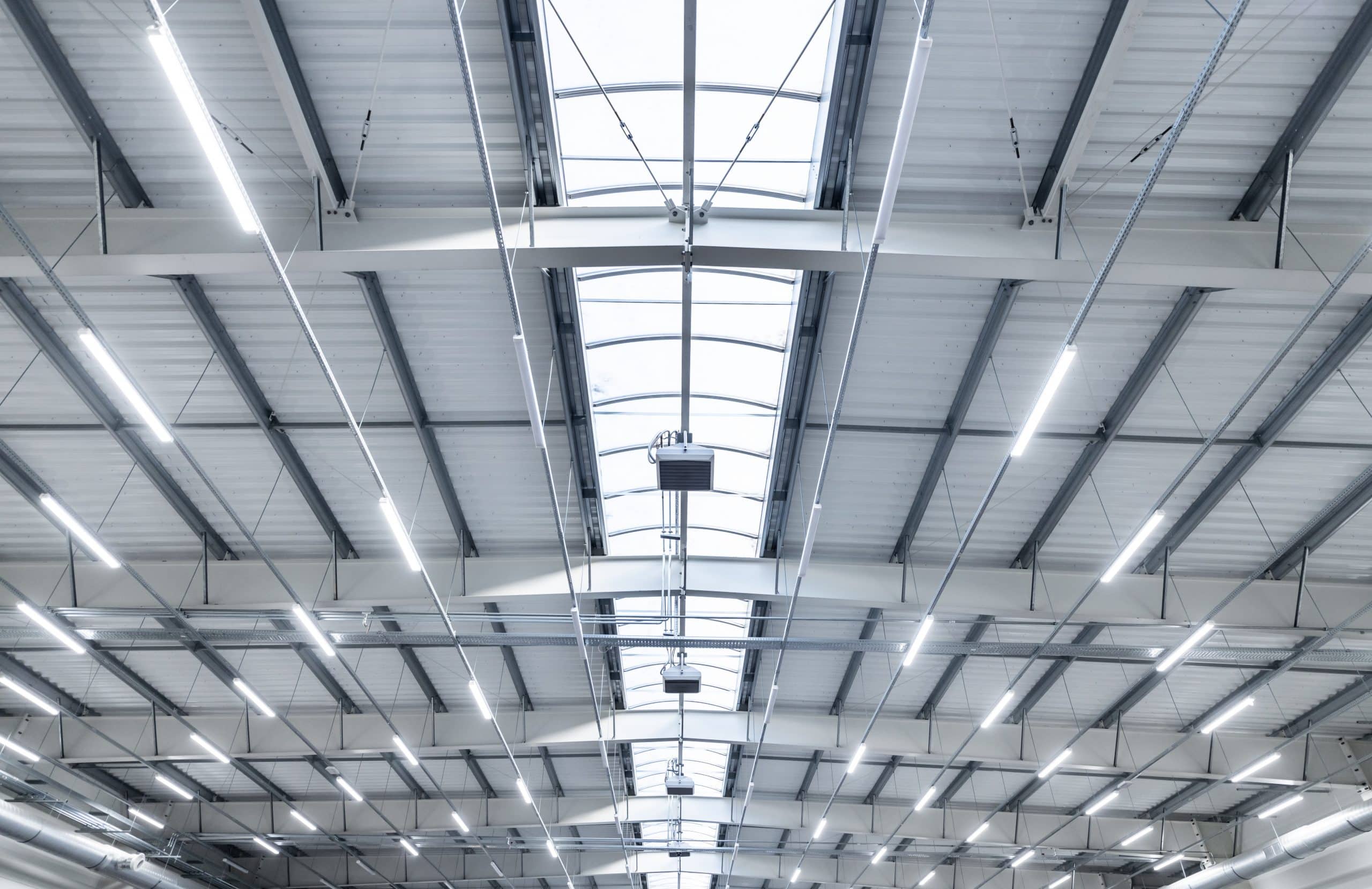
Addressable LED lighting has emerged as a transformative force in the commercial and industrial lighting sectors, offering unprecedented control, energy efficiency, and design flexibility. Unlike traditional static lighting systems, addressable LEDs allow individual control of each light node or segment, enabling dynamic color tuning, precise zoning, and integration with building management and smart control systems. This level of granularity is particularly valuable in large-scale environments such as warehouses, manufacturing facilities, retail spaces, and office buildings, where lighting needs vary across zones and operational hours. As energy codes tighten and sustainability becomes a core priority, addressable LED solutions are increasingly specified for their ability to reduce power consumption while enhancing occupant experience and operational intelligence.
Compliance with international safety and performance standards is critical in commercial and industrial applications. Leading addressable LED products are rigorously tested and certified to meet ETL and CE standards, ensuring they adhere to North American and European electrical safety, electromagnetic compatibility, and environmental requirements. These certifications provide specifiers, facility managers, and contractors with confidence in the reliability, durability, and regulatory compliance of the lighting systems they install.
Beauty (STC) Manufacturing Co., Ltd., established in 1998, has been at the forefront of innovation in LED lighting technology for over two decades. Specializing in high-performance commercial and industrial lighting solutions, Beauty STC combines advanced engineering with rigorous quality control to deliver addressable LED systems that meet the demanding needs of modern facilities. With a strong commitment to R&D, global compliance, and sustainable design, Beauty STC continues to empower businesses with intelligent, scalable, and code-compliant lighting technologies that drive efficiency and future-proof infrastructure.
Technical Specs & Certifications
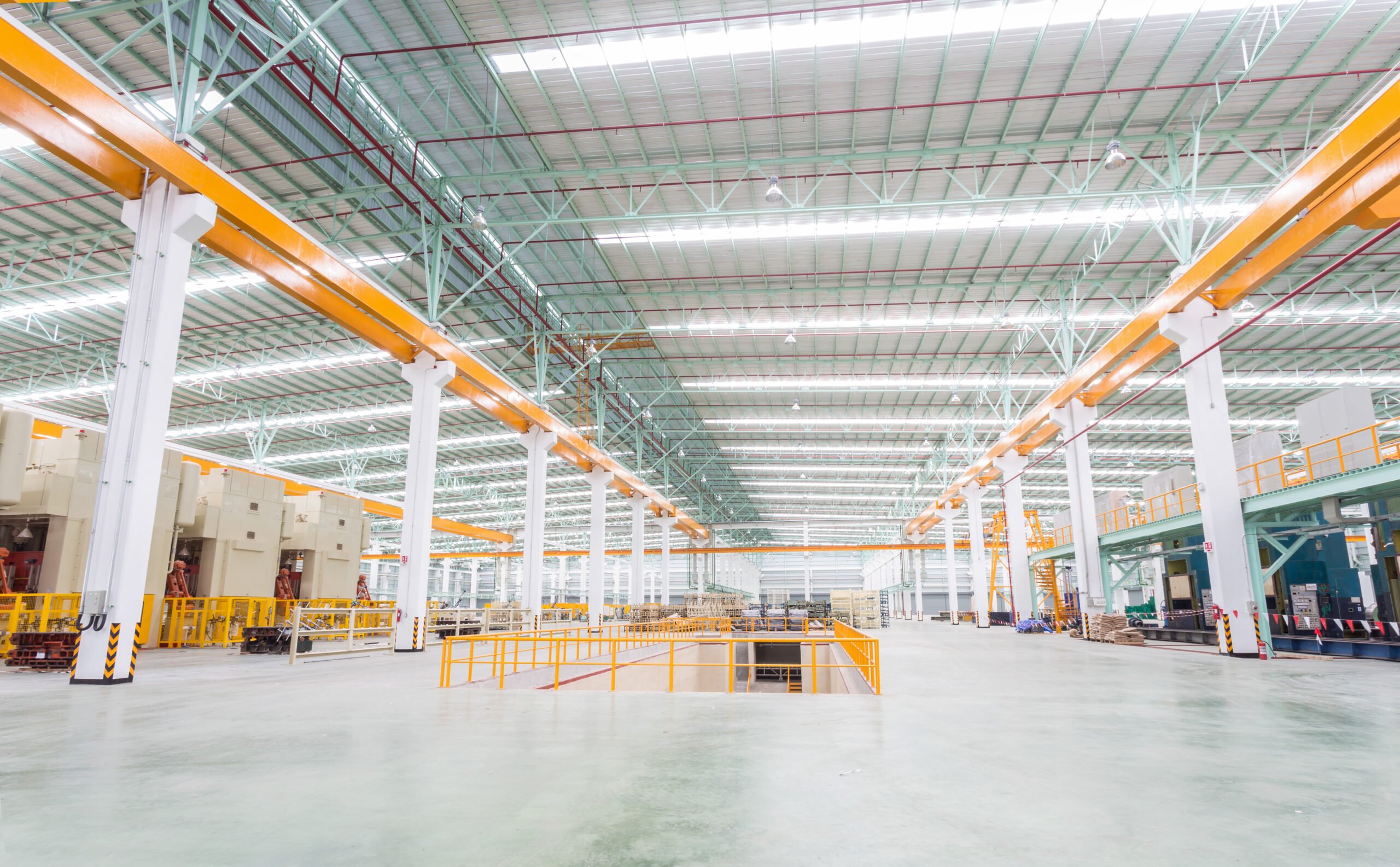
Addressable LED lighting systems provide individual pixel or zone control through digital protocols like WS2815B, SK6812, or DMX512, enabling dynamic color tuning and effects. At Beauty STC, we engineer these systems for professional beauty and retail environments where color fidelity and reliability are critical. Our technical specifications prioritize performance without compromising quality.
Lumens per Watt efficiency in addressable LEDs inherently varies due to the added circuitry for digital control, which consumes minimal power compared to the LEDs themselves. Beauty STC achieves 120–140 lumens per watt for standard RGBW configurations at 2700K–3500K color temperatures under optimal drive currents. This is accomplished using high-efficiency SMD3535 or SMD5050 LED packages paired with low-loss constant-current drivers. While non-addressable LEDs may reach higher lm/W, our addressable solutions maintain exceptional efficiency through proprietary thermal management substrates and driver synchronization that minimizes power waste during color transitions. Efficiency is measured at full brightness with standardized 25°C ambient conditions per IES LM-79 testing protocols.
Color Rendering Index (CRI) performance is non-negotiable in beauty applications where skin tone accuracy is paramount. All Beauty STC addressable LED products exceed CRI 95 (Ra) with R9 values above 90, using Nichia or Samsung high-CRI LED chips and multi-phosphor blends. We ensure spectral consistency across 150–6000K CCT ranges through rigorous binning (within a 3-step MacAdam ellipse) and include TLCI (Television Lighting Consistency Index) ratings of 98+ for broadcast-quality rendering. Each production batch undergoes spectroradiometric validation using Konica Minolta CS-2000A equipment, with data traceable to NIST standards. This guarantees makeup artists and consumers experience true-to-life color under dynamic lighting scenarios.
IP ratings are application-specific in our addressable systems. For vanity mirrors and wet-zone installations, we deploy IP67-rated flexible strips with medical-grade silicone encapsulation, surviving 30-minute submersion at 1m depth per IEC 60529. Dry-area cove lighting uses IP20-rated rigid PCBs with conformal coating for dust resistance. Critical to our quality is the dual-cure potting process for IP67 units—applying UV-cured silicone followed by thermal curing—which eliminates micro-cracks during thermal cycling. Unlike competitors, we validate IP ratings through third-party labs (e.g., TÜV SÜD) with extended 1,000-hour salt-spray and humidity testing, ensuring longevity in high-moisture beauty environments.
Beauty STC’s quality differentiation lies in our holistic engineering approach. We implement triple-stage aging: 48-hour burn-in at 70°C, followed by 200-hour accelerated life testing, and final 1,000-hour photometric validation. This ensures lumen maintenance exceeds L70 at 50,000 hours (per TM-21) and prevents color shift beyond 0.003 Δuv. Our addressable controllers feature overvoltage protection and ESD hardening to 15kV, critical for commercial reliability. Every product undergoes visual inspection via automated optical systems and manual review by our Shenzhen-based quality team, resulting in a field failure rate below 0.15%—a benchmark that underscores our commitment to excellence in professional beauty lighting.
Factory Tour: Manufacturing Excellence
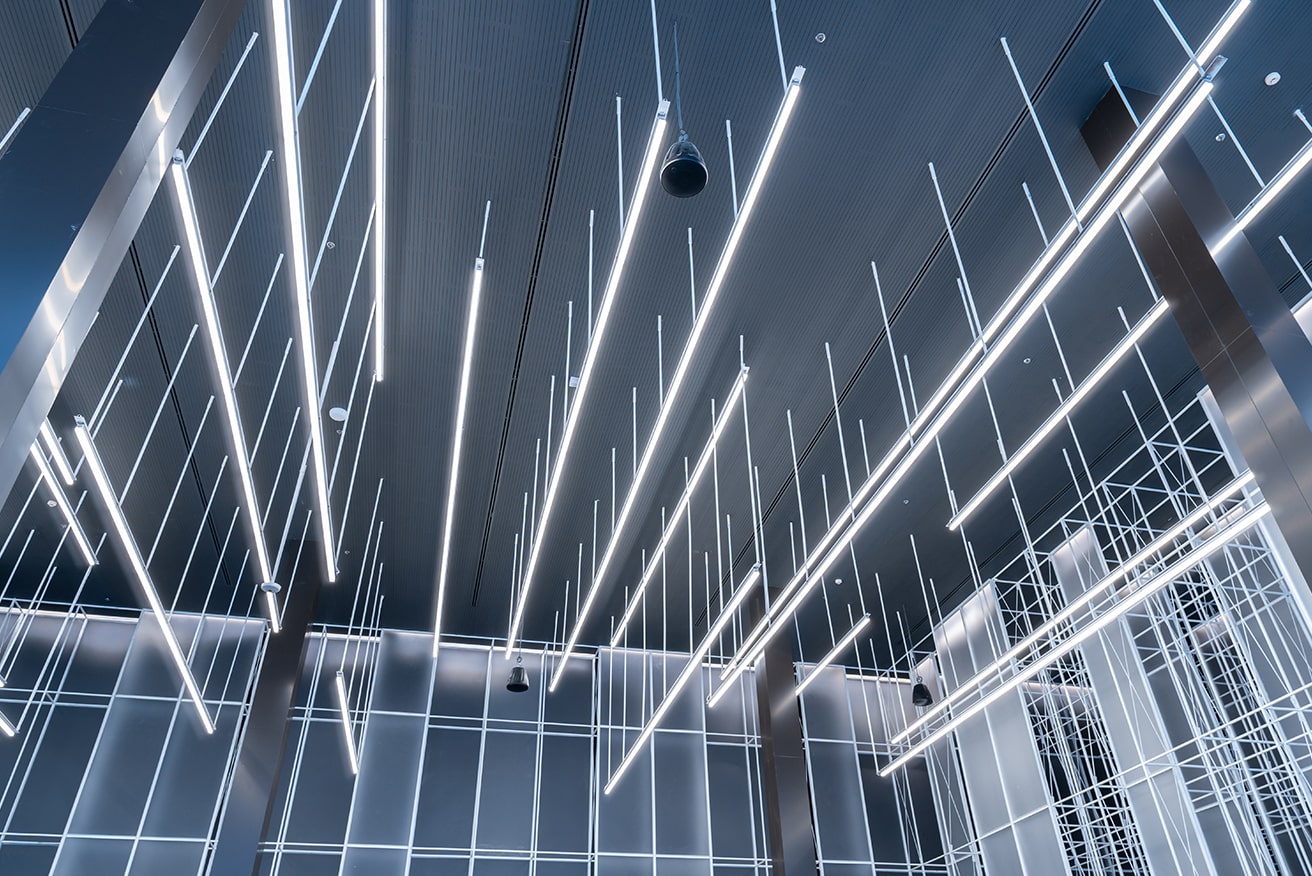
Beauty (STC) Manufacturing Co., Ltd. operates a modern manufacturing facility in Jiangmen, Guangdong Province, strategically located within one of China’s key industrial hubs. The factory is purpose-built for high-efficiency production of advanced LED lighting solutions, with a strong focus on quality, scalability, and technical innovation. Spanning a significant footprint, the Jiangmen facility integrates fully automated production lines with stringent quality control systems to meet international standards.
At the core of the manufacturing process are state-of-the-art SMT (Surface Mount Technology) lines equipped with high-speed, precision placement machines. These SMT machines are capable of handling complex PCB assemblies required for modern LED lighting products, including dense component layouts and fine-pitch ICs. The lines are supported by automated optical inspection (AOI) systems that ensure component placement accuracy and solder joint integrity, minimizing defects and enhancing overall product reliability.
A critical part of the production workflow is the comprehensive aging and burn-in testing process. After assembly, all LED lighting products undergo rigorous aging tests under controlled thermal and electrical conditions. This includes extended operation at elevated temperatures and fluctuating voltages to simulate real-world usage over time. The aging process helps identify early failure modes, ensuring only stable and durable products are shipped to customers. For addressable LED lighting, this includes functional validation of communication protocols such as DMX, SPI, or proprietary ICs like WS2812B, ensuring signal integrity across long strips or complex arrays.
Beauty STC has robust OEM (Original Equipment Manufacturing) and ODM (Original Design Manufacturing) capabilities, particularly in the field of addressable LED lighting. The company supports full custom development—from optical and thermal design to PCB layout, firmware programming, and enclosure integration. Clients can specify unique color profiles, control protocols, form factors, and branding elements. The engineering team works closely with partners to deliver tailored solutions, whether for architectural lighting, stage and entertainment applications, smart home systems, or commercial displays.
The Jiangmen factory’s integration of advanced SMT technology, thorough aging procedures, and flexible OEM services positions Beauty STC as a reliable and technically proficient manufacturer in the global LED lighting market.
Application Scenarios
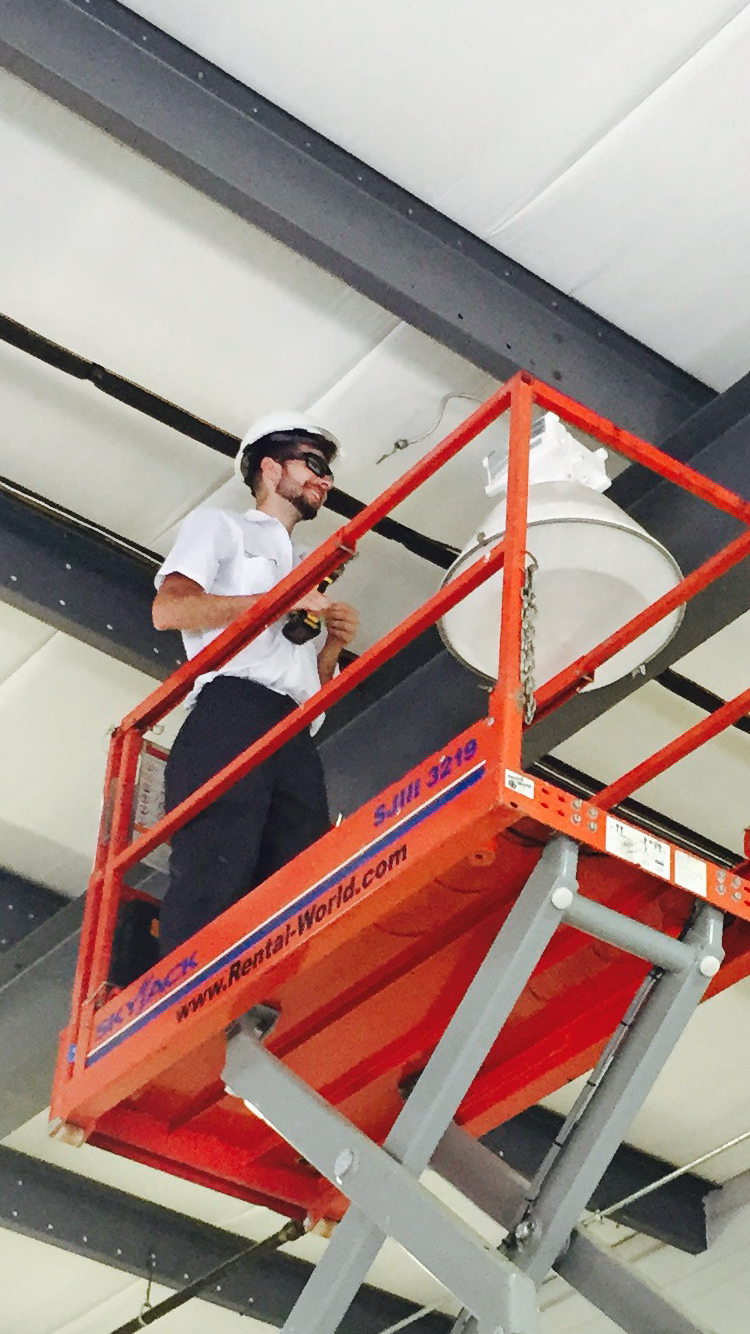
Addressable LED lighting systems offer precise control over individual LEDs or segments, making them ideal for dynamic and functional applications across commercial environments. In hotels, they excel in lobbies and reception areas where dynamic color-changing effects create immersive first impressions and support branding. Feature walls in event spaces benefit from programmable patterns that adapt to different functions, while exterior facades use them for architectural highlighting and special occasion displays. Guest room corridors can implement subtle wayfinding with color-coded directions, though direct guest room use requires careful consideration of circadian lighting needs and guest control preferences to avoid overstimulation.
For malls and retail environments, addressable LEDs transform exterior facades into large-scale digital canvases for advertising and seasonal campaigns. Interior feature walls and column wraps in common areas provide engaging visual experiences that draw foot traffic, while dynamic signage above storefronts allows retailers to update promotions instantly. Critical but often overlooked is their integration into emergency lighting systems, where specific pathways can be illuminated with high-contrast color during evacuations without disrupting ambient lighting elsewhere.
In offices, these systems enhance wellness-focused designs through tunable white lighting in open plans that adjusts color temperature to support circadian rhythms. Conference rooms utilize them for branded entryway accents or subtle presentation-mode backlighting, while executive suites employ them for controlled ambiance in接待 areas. Wayfinding applications prove particularly valuable in large campuses, using color-coded pathways to guide visitors to departments or amenities without intrusive signage.
Installation requires strict adherence to electrical and data protocols to ensure reliability. Always calculate power requirements per segment and implement distributed power injection every 5 meters for 12V systems or 10 meters for 24V to prevent voltage drop and color shift at the strip’s end. Data lines must use twisted-pair cable shielded from electromagnetic interference, with strict separation from mains wiring—minimum 30cm in parallel runs or 90-degree crossings. All control hardware requires dedicated circuit protection with surge suppression, and grounding must be verified at every controller location to avoid data corruption. Conduit is non-negotiable for exposed runs in public areas to meet fire codes, and all connections must use IP67-rated waterproof connectors even indoors to prevent moisture-related failures. Crucially, validate compatibility between LED strip protocols (e.g., WS2815, SK6812) and controllers before procurement, as mixing protocols causes system-wide instability. Finally, conduct full system testing under load for 72 hours prior to client handover to catch intermittent data errors that manifest only during extended operation.
Why Choose Beauty STC Lighting
Discover the future of dynamic lighting with addressable LED solutions from Beauty STC. As a trusted leader in innovative lighting technology, we specialize in high-quality, customizable addressable LED products designed for architectural, commercial, and decorative applications. Whether you’re working on a large-scale project or a unique design concept, our engineering expertise and manufacturing excellence ensure reliable performance and stunning visual impact.
Partner with Beauty STC to access OEM/ODM support, competitive pricing, and dedicated technical service. Let us help you bring intelligent lighting visions to life. For collaboration opportunities or product inquiries, contact our sales manager at [email protected]. Reach out today and illuminate your projects with precision and style.
⚡ LED Power Supply Calculator
Estimate the power supply needed for your LED strip project.