

Article Contents
Industry Insight: Led Kelvin
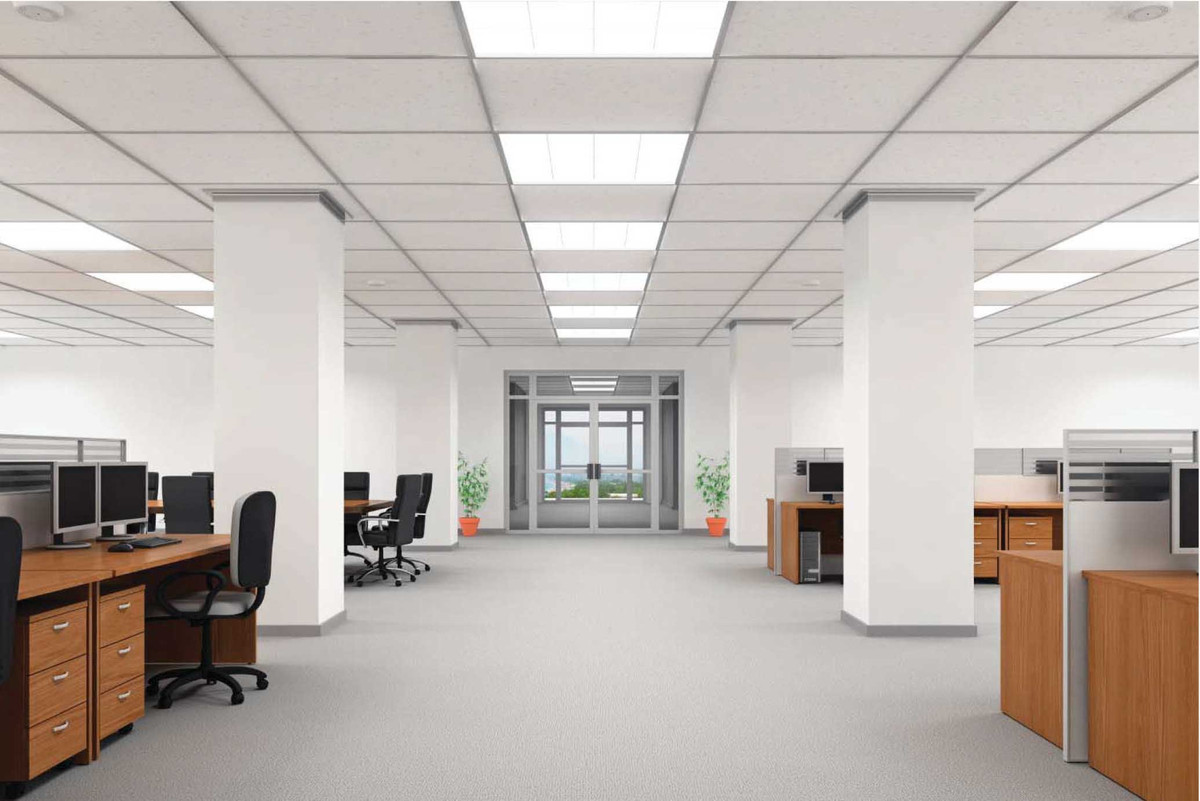
Understanding LED color temperature, measured in Kelvin (K), is no longer a mere aesthetic consideration but a critical performance parameter in commercial and industrial lighting design. The shift from traditional lighting to LED technology has placed precise Kelvin selection at the forefront of creating functional, productive, and safe environments. In warehouses, a cooler 4000K-5000K spectrum enhances visual acuity for detailed tasks and promotes alertness, while healthcare facilities often require the clean, neutral light of 3500K-4000K to support accurate diagnostics and patient well-being. Selecting the optimal Kelvin rating directly impacts worker efficiency, safety compliance, and the overall user experience within professional spaces. Crucially, specifying fixtures that carry recognized safety certifications like ETL (North America) and CE (Europe) is non-negotiable, ensuring installations meet stringent electrical safety and electromagnetic compatibility standards, mitigating liability risks and guaranteeing reliable operation in demanding settings. Beauty STC Manufacturing Co., Ltd., established in 1998, has been a dedicated partner to the global commercial and industrial lighting sector for over two and a half decades. Our engineering expertise centers on developing high-performance, specification-grade LED solutions where precise Kelvin control, robust construction, and uncompromising adherence to international safety certifications like ETL and CE are fundamental to every product we bring to market.
Technical Specs & Certifications
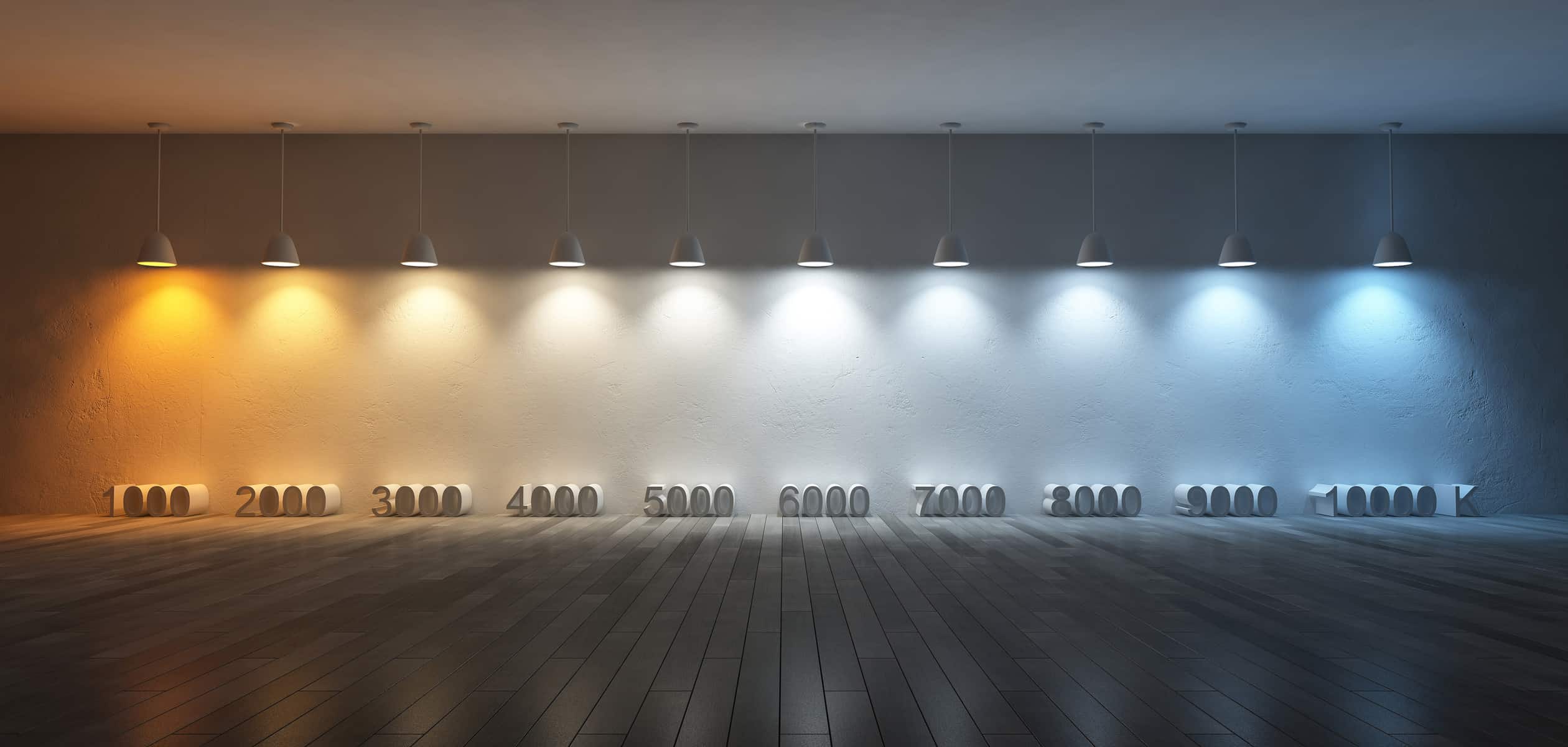
LED Kelvin refers to the correlated color temperature (CCT) of LED lighting, measured in Kelvin (K), which indicates the warmth or coolness of the light emitted—ranging from warm white (2700K–3000K) to neutral white (4000K) and cool white (5000K–6500K). While Kelvin defines color appearance, performance metrics such as lumens per watt (lm/W), Color Rendering Index (CRI), and Ingress Protection (IP) ratings are critical in evaluating the technical quality and application suitability of LED products.
In high-performance LED lighting, efficiency is measured in lumens per watt, representing how much visible light is produced per unit of electrical power consumed. At Beauty (STC) Manufacturing Co., Ltd., our LED fixtures achieve industry-leading efficacies, typically ranging from 120 to 180 lumens per watt depending on the product type, optical design, and thermal management. This high efficiency ensures reduced energy consumption and lower operational costs, making our solutions ideal for commercial, industrial, and architectural applications.
Color fidelity is another cornerstone of lighting quality. Beauty STC prioritizes visual accuracy by engineering LED products with a CRI greater than 90. A CRI >90 means that the light source renders colors very close to how they appear under natural daylight, which is essential in environments where color discrimination matters—such as retail displays, art galleries, healthcare facilities, and high-end residential spaces. Our use of premium phosphor coatings and tightly binned LEDs ensures consistent color quality across all luminaires.
Ingress Protection (IP) ratings define the level of protection an LED fixture has against dust and moisture. Beauty STC designs products to meet diverse environmental demands. For indoor applications, common ratings include IP20 or IP40, providing basic protection against touch and dust. For outdoor, industrial, or wet-location use, we offer fixtures rated IP65, IP66, and up to IP67, ensuring complete dust tightness and resistance to water jets or temporary immersion. These robust enclosures, combined with advanced thermal management and corrosion-resistant materials, enhance longevity and reliability in harsh conditions.
Beauty (STC) Manufacturing Co., Ltd. is committed to excellence in LED lighting technology. Our products are engineered with precision, using high-grade components and subjected to rigorous quality control processes. From efficient drivers and thermally optimized housings to strict binning standards and third-party photometric testing, Beauty STC ensures that every luminaire meets or exceeds international performance and safety standards. This dedication to quality makes our LED solutions a trusted choice for projects where efficiency, color accuracy, and durability are non-negotiable.
Factory Tour: Manufacturing Excellence
Beauty STC’s manufacturing facility in Jiangmen, located in the Jianghai District Industrial Park, serves as our primary production hub for advanced LED lighting solutions. The factory spans over 30,000 square meters across three interconnected buildings, housing state-of-the-art SMT production lines, comprehensive quality assurance laboratories, and dedicated OEM engineering centers. Our Jiangmen site is ISO 9001 and IATF 16949 certified, with all production areas operating under strict ESD-protected environments and 24/7 climate control to ensure process stability.
Our SMT assembly capabilities center around twelve high-speed Fuji NXT III modular placement lines, each configured with triple 7-degree-of-freedom placement heads capable of handling components down to 0201 metric size. These lines achieve 120,000 CPH per machine with automated optical inspection integrated directly after solder paste application and post-reflow. We utilize nitrogen-assisted reflow ovens with 12-zone thermal profiling to minimize oxidation during soldering of sensitive LED components, particularly critical for high-CRI and multi-channel color-tunable products. The facility maintains dedicated SMT lines exclusively for LED module production, featuring specialized vacuum nozzles for handling delicate COB packages and ceramic substrates.
Aging test protocols represent a cornerstone of our quality system at the Jiangmen facility. We operate fifteen large-scale aging chambers with combined capacity for 2,500+ units simultaneously, each chamber precisely controlled for temperature (25°C to 85°C) and humidity (10% to 95% RH). All LED products undergo mandatory 48-hour burn-in at 110% rated voltage, with real-time monitoring of lumen maintenance, chromaticity shift, and driver performance. Critical for color-sensitive products, our aging process includes spectral analysis at 12-hour intervals using Konica Minolta CS-2000 spectroradiometers to detect early-stage color drift. Thermal imaging cameras continuously monitor hotspot development during aging, with automatic shutdown protocols triggering at 5°C deviation from baseline thermal profiles.
Regarding OEM capability for LED Kelvin specifications, our Jiangmen factory provides full-spectrum customization from 1800K candlelight to 6500K daylight with precision down to ±50K tolerance. This capability stems from our proprietary binning system integrated with Seoul Semiconductor and Nichia wafer-level data, allowing us to create custom CCT mixes within 0.5 SDCM (MacAdam ellipse) steps. For clients requiring specific Kelvin curves like TM-30 Rf/Rg optimization or circadian lighting profiles, our optical engineering team develops tailored phosphor blends and drive current waveforms. We maintain dedicated Kelvin calibration stations where every production batch undergoes spectrophotometric verification against NIST-traceable standards, with certification reports provided for each shipment. Specialized OEM services include tunable white systems with ±25K consistency across 2000K-6500K ranges and narrow-spectrum Kelvin solutions for horticultural or medical applications, all supported by our in-house photometric laboratory accredited to LM-79 and LM-80 standards.
Application Scenarios
LED Kelvin refers to the color temperature of LED lighting, measured in Kelvin (K), and it determines the warmth or coolness of the light emitted. Selecting the appropriate LED Kelvin is crucial for creating the desired ambiance and functionality in different environments such as hotels, malls, and offices. Here’s where and how to use specific Kelvin ranges effectively in each setting, along with installation tips.
In hotels, lighting plays a vital role in shaping guest experience and comfort. For lobbies and reception areas, a warm white light between 2700K and 3000K is ideal as it creates a welcoming and luxurious atmosphere. Guest rooms should also use 2700K to 3000K to promote relaxation and comfort. In contrast, hotel corridors and service areas can utilize 3500K to 4000K for better visibility while maintaining a neutral tone. Spa and wellness areas benefit from 3000K lighting to enhance a calming environment. When installing LED lighting in hotels, ensure dimmable fixtures are used in guest rooms and lounges to allow adjustable ambiance. Use recessed downlights or wall sconces with proper beam angles to avoid glare and create layered lighting.
Malls require functional yet appealing lighting to highlight merchandise and guide foot traffic. General lighting in walkways and common areas should be in the 3500K to 4000K range, offering a balanced, neutral white light that enhances visibility without being too harsh. Retail storefronts and display areas often benefit from 4000K lighting to make products appear vibrant and true to color. High-CRI (Color Rendering Index) LEDs are recommended in retail zones to accurately represent product colors. For luxury boutiques or high-end sections, slightly warmer tones around 3000K may be used to evoke elegance. During installation, use track lighting or adjustable spotlights to focus on key displays. Ensure even light distribution to eliminate dark spots and consider integrating daylight harvesting controls in atriums or naturally lit areas to save energy.
Offices demand lighting that supports concentration, reduces eye strain, and promotes productivity. The ideal Kelvin range for most office environments is 3500K to 4000K. This neutral to cool white light enhances alertness and mimics natural daylight, which is beneficial during long working hours. Conference rooms can use 3500K for a professional yet comfortable setting, while open-plan offices often perform best under 4000K lighting. Task lighting at workstations should complement ambient lighting and avoid shadows. Installation should prioritize uniform illumination with minimal glare. Use indirect lighting or troffer fixtures with diffusers to reduce harsh reflections on screens. Consider integrating occupancy sensors and daylight-responsive controls to optimize energy efficiency. Ensure proper spacing between fixtures to avoid over-illumination or dark zones.
Regardless of the setting, always match the LED Kelvin to the intended function and mood of the space. Conduct a lighting layout plan before installation to determine fixture placement, spacing, and beam angles. Use consistent color temperatures within a space to maintain visual harmony. Finally, select high-quality LED fixtures from reputable manufacturers to ensure longevity, color consistency, and minimal maintenance.
Why Choose Beauty STC Lighting
Unlock precise color temperature control for your LED lighting projects with Beauty STC’s industry-leading expertise in Kelvin tuning. Our engineering team specializes in delivering consistent, accurate, and customizable color temperatures across the full spectrum—from warm 2200K ambiance to crisp 6500K daylight—ensuring your products meet the highest standards for visual comfort and application-specific performance. We provide rigorous testing, tight tolerances, and tailored solutions that eliminate guesswork in spectral output.
Partner with Beauty STC to leverage our deep technical knowledge and manufacturing excellence in LED Kelvin calibration. Elevate your product differentiation and reliability by collaborating with engineers who understand the critical role of precise color temperature in market success. Reach out directly to discuss your requirements and discover how our partnership can drive innovation for your brand. Contact our dedicated team at [email protected] to initiate a technical consultation.
⚡ LED Power Supply Calculator
Estimate the power supply needed for your LED strip project.