Article Contents
Industry Insight: Indirect Lighting
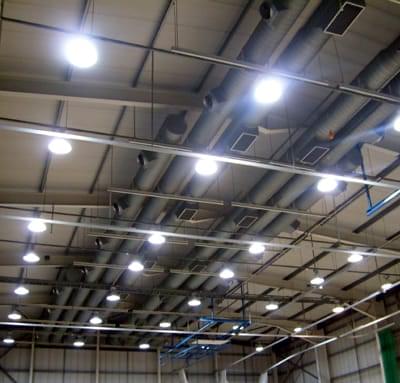
Indirect lighting has evolved from a niche aesthetic choice to a fundamental engineering consideration in commercial and industrial environments, driven by the critical need for visual comfort, productivity, and safety. In demanding settings like manufacturing floors, warehouses, large offices, and retail spaces, the quality of illumination directly impacts worker performance, reduces eye strain, minimizes errors, and enhances overall well-being. Unlike direct lighting which can create harsh shadows and glare, indirect systems strategically bounce light off ceilings or architectural elements, producing a uniform, shadow-free distribution that is essential for precision tasks and extended work periods. This approach not only improves the human experience within the space but also contributes to significant energy savings and reduced maintenance costs through optimized fixture placement and longevity. Crucially, any lighting solution deployed in these professional settings must meet stringent international safety and performance standards; compliance with ETL certification for the North American market and CE marking for the European Economic Area is non-negotiable, ensuring electrical safety, electromagnetic compatibility, and adherence to regional regulatory frameworks. Beauty STC Manufacturing Co., Ltd., established in 1998, brings nearly three decades of specialized expertise in designing and engineering high-performance, certified LED lighting solutions precisely for these complex commercial and industrial applications, understanding that reliable, code-compliant illumination is the bedrock of operational efficiency and occupant satisfaction.
Technical Specs & Certifications
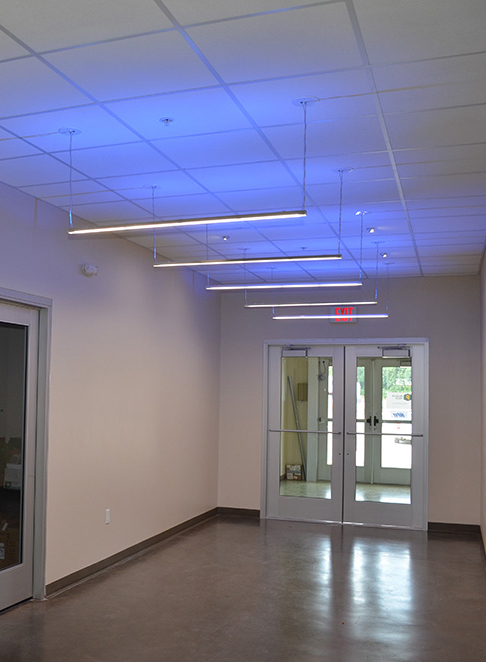
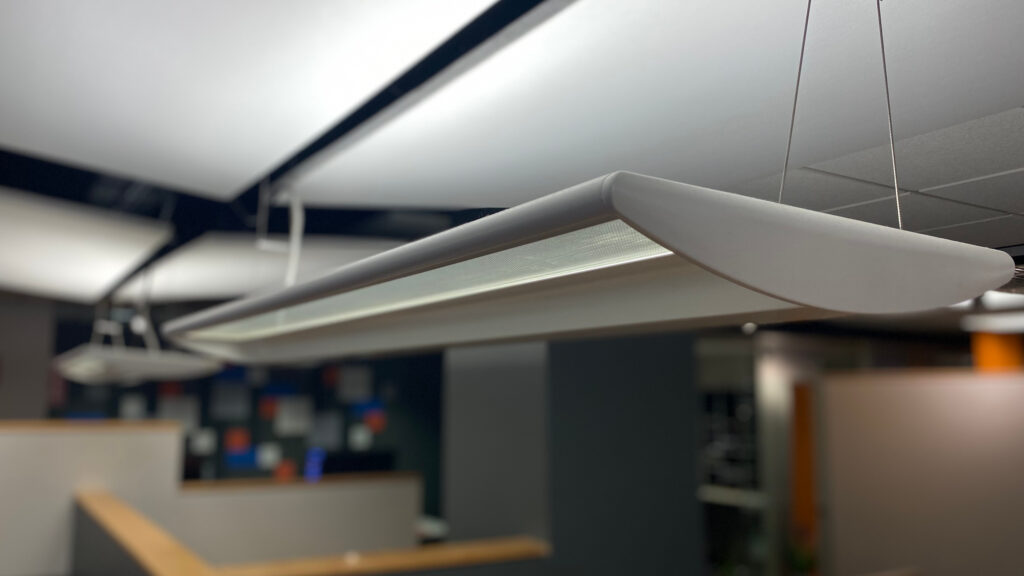
Indirect lighting refers to a lighting method where luminaires direct light upward toward ceilings or walls, allowing the reflected light to illuminate the space. This approach creates a soft, diffused, and glare-free ambiance, making it ideal for environments where visual comfort and aesthetic appeal are priorities, such as offices, hospitality venues, and high-end residential interiors.
From a technical standpoint, indirect lighting systems typically utilize LED modules or linear fixtures engineered for high efficiency and consistent light distribution. In terms of luminous efficacy, high-performance indirect LED solutions achieve between 100 to 130 lumens per watt, depending on the optical design, thermal management, and driver efficiency. At Beauty (STC) Manufacturing Co., Ltd., our indirect lighting fixtures are optimized to deliver luminous efficacies at the upper end of this range, ensuring energy savings without compromising light output or uniformity.
Color Rendering Index (CRI) is a critical factor in indirect lighting, especially in spaces where accurate color perception and visual comfort are essential. Beauty STC’s indirect luminaires are equipped with high-CRI LED sources rated above 90, with options available up to CRI 97. This ensures natural color reproduction and enhances the perceived quality of illuminated surfaces, contributing to a more visually pleasing environment. Our fixtures utilize carefully selected LED bins and high-quality phosphor coatings to maintain consistent color fidelity across all units.
Regarding environmental protection and durability, indirect lighting fixtures from Beauty STC are designed with appropriate Ingress Protection (IP) ratings based on application requirements. For general indoor use, our standard indirect luminaires are rated at IP20, providing protection against solid objects larger than 12mm. For environments with higher dust or moisture exposure—such as in commercial restrooms, lobbies, or semi-outdoor atriums—we offer variants with IP44 or higher ratings, ensuring resistance to dust and water splashes. The housings are constructed from robust materials such as extruded aluminum with anti-corrosive finishes, contributing to long-term reliability.
Beauty (STC) Manufacturing Co., Ltd. is committed to engineering excellence and manufacturing precision. Our indirect lighting solutions are developed with rigorous quality control processes, including thermal testing, photometric validation, and long-term lumen maintenance assessments. We adhere to international standards such as IEC 60598 and EN 62471, ensuring safety, performance, and durability. With a focus on innovation and sustainability, Beauty STC delivers indirect lighting systems that combine high efficiency, superior color quality, and resilient construction for demanding architectural applications.
Factory Tour: Manufacturing Excellence
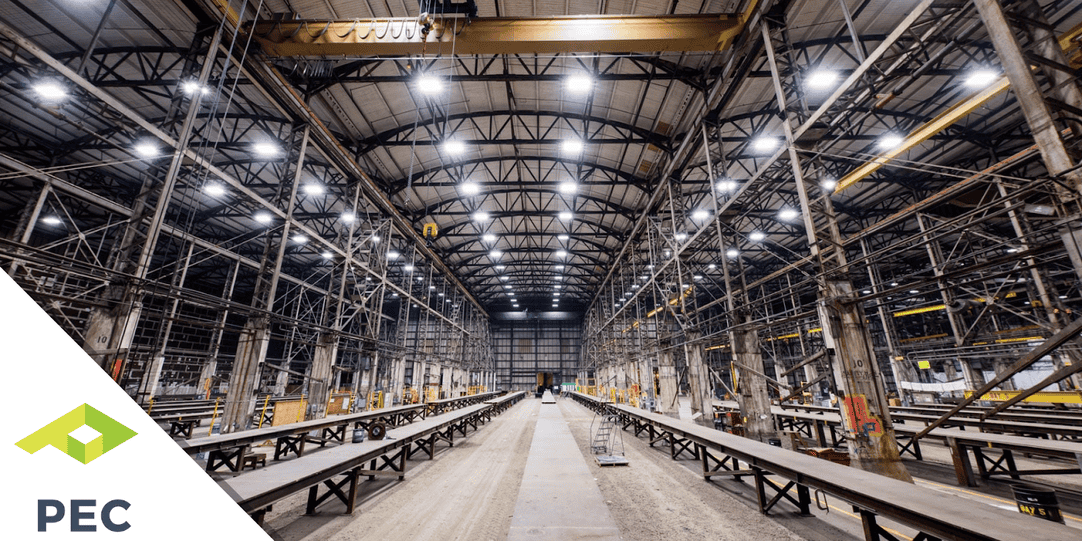
Beauty STC’s manufacturing facility in Jiangmen, Guangdong Province, serves as a core production and engineering hub for our LED lighting solutions. This modern factory is strategically located within a major Chinese manufacturing cluster, providing robust infrastructure and supply chain access. The Jiangmen site is purpose-built for high-volume, precision LED lighting production, featuring extensive cleanroom environments for critical assembly processes and adheres to stringent international quality management standards including ISO 9001 and IATF 16949.
Our Surface Mount Technology (SMT) production lines represent a significant investment in automation and precision. We operate multiple high-speed, high-accuracy Fuji NXT III and Yamaha YS series SMT placement machines. These systems handle components ranging from ultra-small 0201 passives and complex ICs to large power LEDs and MCPCBs with placement accuracy consistently maintained at ±25μm or better. The lines feature dual-lane configurations for efficiency, advanced 3D solder paste inspection (SPI) pre-placement, and comprehensive automated optical inspection (AOI) post-reflow to ensure solder joint integrity and component placement correctness. This capability is essential for the densely packed, thermally demanding PCBs used in modern LED luminaires, particularly those requiring precise optical control like indirect lighting systems.
Aging and reliability testing form a non-negotiable pillar of our quality assurance process at the Jiangmen factory. We maintain dedicated, climate-controlled aging chambers capable of simultaneously subjecting thousands of units to rigorous stress conditions. Standard protocols include a mandatory 48-hour burn-in at elevated temperature (typically 50°C) and high humidity (95% RH) to precipitate early-life failures, followed by functional verification. For critical projects and long-life product lines like architectural indirect lighting, we implement extended aging tests of 500 hours or more under variable thermal and electrical loads, closely monitoring lumen maintenance, chromaticity shift, and driver performance. Real-time data logging and thermal imaging during aging allow us to identify potential thermal management issues before products leave the facility, ensuring the longevity our customers expect.
Beauty STC possesses substantial OEM capability specifically tailored for indirect lighting applications. We understand that indirect lighting solutions – encompassing cove lights, wall washers, under-cabinet systems, and linear architectural profiles – demand unique engineering considerations beyond standard fixtures. Our Jiangmen factory supports OEM partners through the entire process: from initial optical design using Zemax and LightTools for precise beam shaping and glare control, through thermal management optimization for enclosed or low-airflow installations, to the development of custom diffusers and extrusions that define the light distribution. We excel at integrating high-CRI LEDs, sophisticated dimming protocols (including 0-10V, DALI, and wireless), and robust thermal pathways into sleek, low-profile form factors required for seamless architectural integration. Our engineering team collaborates closely with OEM clients on custom mechanical designs, UL/ETL/CE certification support for unique configurations, and scalable production runs – from prototyping through high-volume manufacturing – ensuring the final product meets both aesthetic and performance requirements for sophisticated indirect lighting installations. This comprehensive capability allows us to be a true development partner, not just a contract manufacturer, for demanding indirect lighting projects.
Application Scenarios
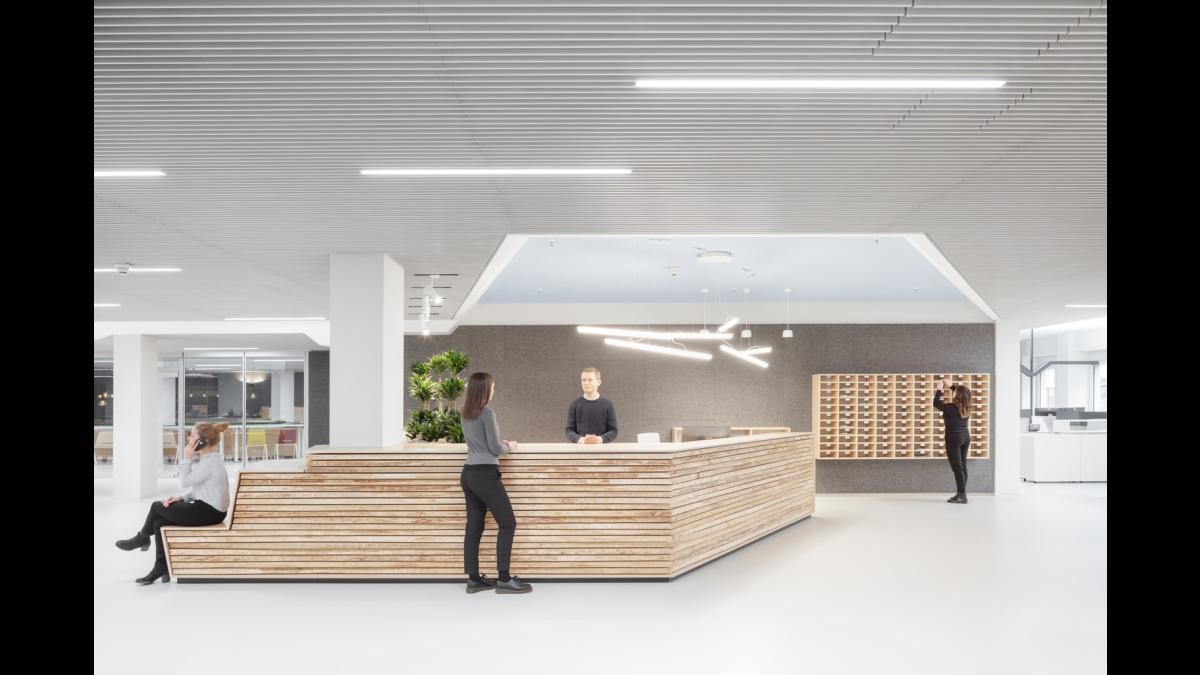
Indirect lighting is widely used across various commercial environments such as hotels, malls, and offices due to its ability to create a soft, glare-free, and visually comfortable atmosphere. In hotels, indirect lighting is commonly applied in lobbies, corridors, guest rooms, and lounges to enhance ambiance and provide a welcoming, relaxing environment. By directing light upward toward ceilings or architectural features, it produces diffused illumination that minimizes shadows and adds a sense of spaciousness. In guest rooms, cove lighting along the ceiling perimeter or behind headboards can create a luxurious and intimate feel.
In malls and retail environments, indirect lighting is effective in highlighting architectural details, guiding customer movement, and enhancing visual appeal without drawing attention to the light source itself. It is often used in ceiling coves, above display areas, and within column soffits to provide ambient illumination that complements direct lighting used for product accenting. This layered lighting approach improves the overall shopping experience by balancing brightness and comfort.
Offices benefit from indirect lighting in open-plan workspaces, meeting rooms, and reception areas where visual comfort and reduced eye strain are priorities. By reflecting light off ceilings, indirect fixtures help achieve uniform illumination, minimizing contrast between work surfaces and surroundings. This is particularly beneficial in environments with computer screens, where glare from direct light sources can cause discomfort and reduce productivity.
When installing indirect lighting, ensure the ceiling or reflecting surface is light-colored and smooth to maximize light reflectance and distribution. Position fixtures so that the light is directed upward at an appropriate angle—typically between 30 to 45 degrees—depending on ceiling height and desired spread. Avoid placing fixtures too close to walls to prevent uneven light bands and hotspots. Use high-efficacy LED strips or linear luminaires with appropriate IP ratings for durability and energy efficiency. Consider integrating dimming controls or daylight sensors to adjust light levels dynamically, enhancing both comfort and energy savings. Finally, plan the layout carefully to maintain consistent light output and avoid dark zones, especially in larger spaces.
Why Choose Beauty STC Lighting
Elevate your lighting projects with precision-engineered indirect lighting solutions designed to transform spaces through seamless ambient illumination. At Beauty STC, we specialize in advanced LED systems that eliminate glare, reduce shadows, and create visually comfortable environments for hospitality, retail, and high-end architectural applications. Our indirect lighting technology integrates sophisticated optical design with energy-efficient performance, ensuring uniform light distribution while meeting strict regulatory standards.
Partner with Beauty STC to access customizable, future-proof lighting systems backed by 15 years of manufacturing excellence and rigorous quality control. We collaborate closely with designers and contractors to deliver solutions that align with your project’s aesthetic and functional requirements, from initial concept through installation support.
Contact our engineering team today to discuss how our indirect lighting innovations can enhance your next project. Reach out to [email protected] for technical specifications, sample requests, or partnership opportunities. Let’s create exceptional lighting experiences together.
⚡ LED Power Supply Calculator
Estimate the power supply needed for your LED strip project.