
Article Contents
Industry Insight: Bluetooth Led Light Strips
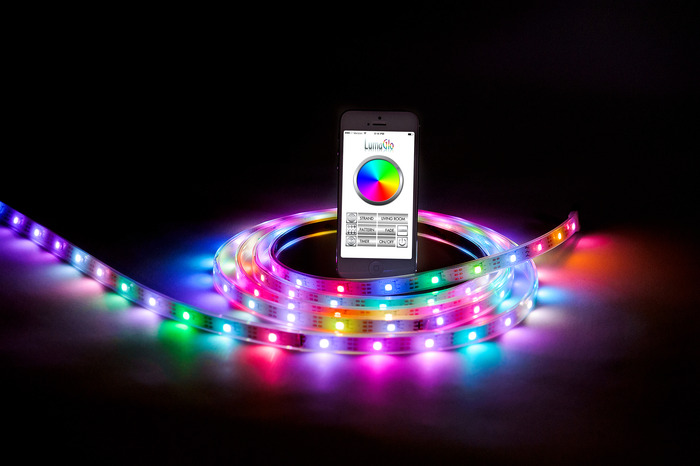
The commercial and industrial lighting sector is undergoing a transformative shift with the integration of smart technologies, and Bluetooth LED light strips are at the forefront of this evolution. Offering precise control, energy efficiency, and seamless adaptability, these intelligent lighting solutions are redefining illumination in warehouses, manufacturing facilities, retail environments, and office spaces. As demand grows for scalable, code-compliant, and easy-to-install lighting systems, Bluetooth-enabled LED strips provide a wireless advantage—eliminating complex wiring while enabling centralized management and dynamic lighting scenarios tailored to operational needs.
A critical factor in the adoption of these systems in professional settings is compliance with rigorous safety and performance standards. Leading solutions in the market today carry ETL and CE certifications, ensuring they meet North American and European regulatory requirements for electrical safety, electromagnetic compatibility, and environmental resilience—key considerations for industrial applications where reliability and worker safety are paramount.
Beauty (STC) Manufacturing Co., Ltd., established in 1998, has been a trusted innovator in advanced LED lighting solutions for over two decades. Specializing in high-performance, code-compliant LED systems for commercial and industrial use, Beauty STC combines engineering excellence with scalable manufacturing to deliver smart lighting that meets the evolving demands of modern facilities. With a strong commitment to quality, sustainability, and technological advancement, the company continues to set benchmarks in the smart lighting industry, providing Bluetooth LED light strips that are as durable and efficient as they are intelligent.
Technical Specs & Certifications
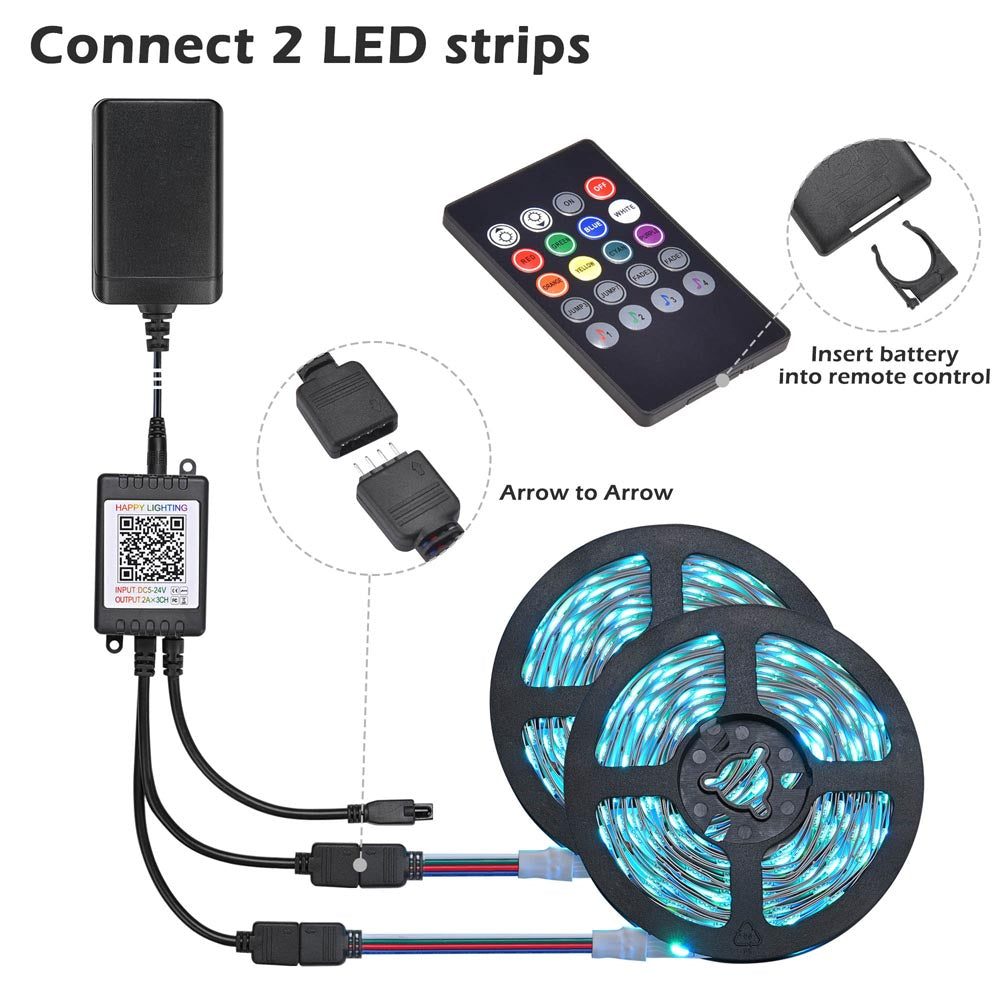
Bluetooth LED light strips represent a sophisticated integration of wireless control and high-performance illumination. At Beauty STC Manufacturing Co., Ltd., we engineer these products to exceed industry benchmarks, particularly in efficacy, color fidelity, and environmental resilience. Our technical specifications are rigorously validated through in-house testing and third-party certifications to ensure reliability across diverse applications.
Lumens per Watt (lm/W) is a critical metric for energy efficiency, directly impacting operational costs and sustainability. Beauty STC’s Bluetooth LED strips consistently achieve 120–140 lm/W under standard operating conditions (25°C ambient temperature, 24V DC input). This high efficacy stems from our use of premium Epistar or Samsung LM301H EVO diodes, coupled with optimized thermal management substrates that minimize lumen depreciation. We prioritize driver compatibility, ensuring constant-current drivers maintain stable output across voltage fluctuations. Importantly, real-world efficacy varies with installation density and ambient temperature; our engineering team provides bespoke thermal design guidance to sustain peak performance over the product’s lifespan.
Color Rendering Index (CRI) values exceeding 90 are non-negotiable for applications demanding true-to-life color representation, such as retail displays, art galleries, or professional photography studios. Beauty STC achieves Ra >95 (with R9 >90 for vibrant reds) through proprietary phosphor formulations and tight binning of LEDs at the chip level. Unlike competitors who may quote peak CRI values under ideal lab conditions, we guarantee CRI >92 across the entire production batch via spectrophotometer validation per CIE 15:2018 standards. This ensures consistent color accuracy even in critical tasks like fabric matching or food presentation, where sub-90 CRI strips would distort hues.
IP ratings define environmental protection, and Beauty STC offers Bluetooth strips across multiple tiers to suit installation contexts. Our standard indoor series (e.g., BTL-S2835) carries IP20 for dry, controlled environments. For moisture-prone areas like kitchens or bathrooms, the BTL-F5060 series features IP65-rated silicone encapsulation, resisting low-pressure water jets and dust ingress. Outdoor-grade strips (BTL-O5050) achieve IP67 certification, surviving temporary immersion up to 1 meter and extreme temperature cycles from -30°C to +60°C. Crucially, our IP65/67 strips undergo 1,000-hour salt spray testing per ASTM B117 – far exceeding typical competitor validation – to prevent corrosion in coastal or high-humidity zones.
Beauty STC’s quality commitment permeates every specification. We enforce a zero-compromise policy on material sourcing: 2-ounce copper PCBs for thermal stability, aviation-grade aluminum channels for heat dissipation, and UV-resistant PVC or silicone jackets. Each batch undergoes 72-hour burn-in testing at 50°C ambient, with L70/B50 lifetime projections exceeding 50,000 hours. Our Bluetooth 5.0 modules feature adaptive frequency hopping for interference-free operation within 20m range, certified by FCC/CE with AES-128 encryption. Third-party labs like TÜV Rheinland validate all claims, and our ISO 9001-certified production lines implement real-time statistical process control. For clients prioritizing precision and longevity, Beauty STC delivers not just specifications, but engineered assurance.
Factory Tour: Manufacturing Excellence
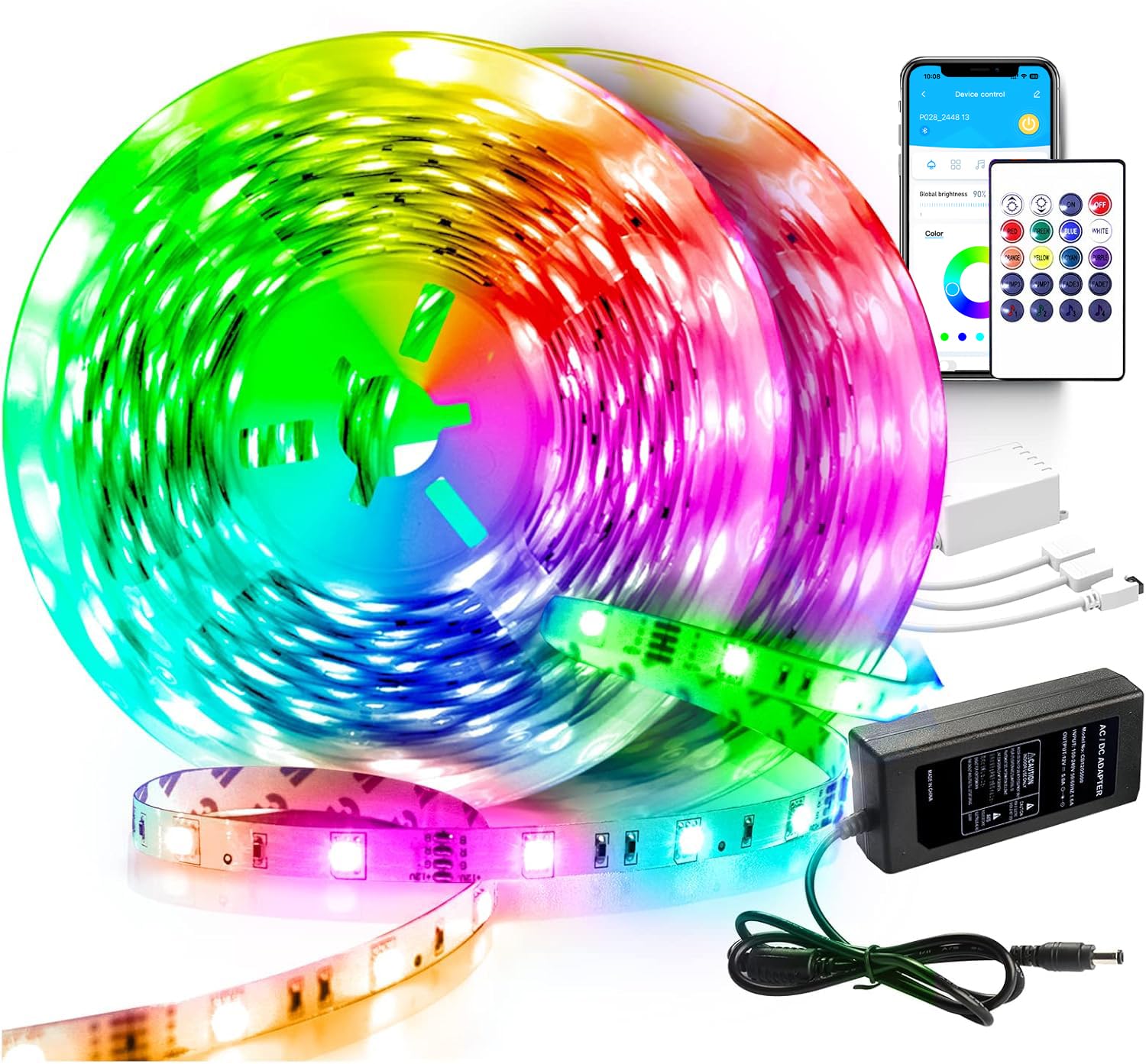
Beauty (STC) Manufacturing Co., Ltd. operates a modern manufacturing facility in Jiangmen, Guangdong Province, a region well-known for its robust electronics and lighting industry supply chain. The Jiangmen factory is equipped with advanced production infrastructure designed to support high-volume, precision manufacturing of LED lighting products, including specialized items such as Bluetooth-enabled LED light strips.
The facility features fully automated Surface Mount Technology (SMT) production lines, which are critical for the accurate placement of surface-mounted components on printed circuit boards (PCBs). These SMT machines ensure high-speed, consistent, and reliable assembly of LED strip circuits, including the integration of Bluetooth modules, drivers, resistors, and LEDs. With precise control over solder paste application, component placement, and reflow soldering, the SMT process supports tight tolerance manufacturing, which is essential for the performance and longevity of smart lighting products.
To ensure product reliability and durability, Beauty STC conducts comprehensive aging tests at the Jiangmen factory. Completed LED strips undergo extended burn-in periods—typically 24 to 72 hours—under controlled thermal and electrical conditions. This process helps identify early-life failures, verifies consistent light output, and confirms the stability of Bluetooth connectivity and color performance across different operating conditions. In addition to aging, the factory performs environmental testing, waterproofing verification (for applicable IP-rated products), and electrical safety checks to meet international quality standards.
Beauty STC has strong OEM (Original Equipment Manufacturing) and ODM (Original Design Manufacturing) capabilities tailored to customer specifications. For Bluetooth LED light strips, this includes custom circuit design, selection of Bluetooth chipsets (such as those supporting Bluetooth 5.0 or Bluetooth Mesh), integration with mobile apps, RGB/RGBW color tuning, power optimization, and customized packaging. The company supports private labeling, custom lengths, reel packaging, and specific branding requirements, making it a flexible partner for global distributors, retailers, and lighting brands.
Overall, the Jiangmen factory combines automation, rigorous quality control, and scalable manufacturing capacity to deliver high-performance, smart LED lighting solutions with strong support for customized OEM projects.
Application Scenarios
Bluetooth LED light strips offer significant advantages in commercial environments like hotels, malls, and offices due to their wireless control, flexibility, and ability to create dynamic atmospheres without complex infrastructure. In hotels, they are ideal for guest room accent lighting behind headboards, under beds, or along cove ceilings to enhance ambiance and perceived luxury. Lobby areas benefit from programmable color schemes that shift with time of day or events, while meeting rooms use them for adjustable white temperatures to support presentations or relaxation. Hallways can employ subtle night lighting controlled via Bluetooth for energy efficiency during low-occupancy periods. Malls leverage these strips extensively in retail storefronts for eye-catching window displays that change color to match promotions, within kiosks for branded lighting, and along escalator handrails or ceiling perimeters to guide foot traffic dynamically. Holiday seasons particularly benefit from rapid reconfiguration without rewiring. Office applications focus on well-being and functionality: under-desk lighting for task illumination without glare, perimeter cove lighting for glare-free ambient light, and collaborative zones with tunable white strips to support circadian rhythms or energize teams. Conference rooms utilize scene presets for video calls versus brainstorming sessions, while reception areas create a welcoming first impression with branded color schemes.
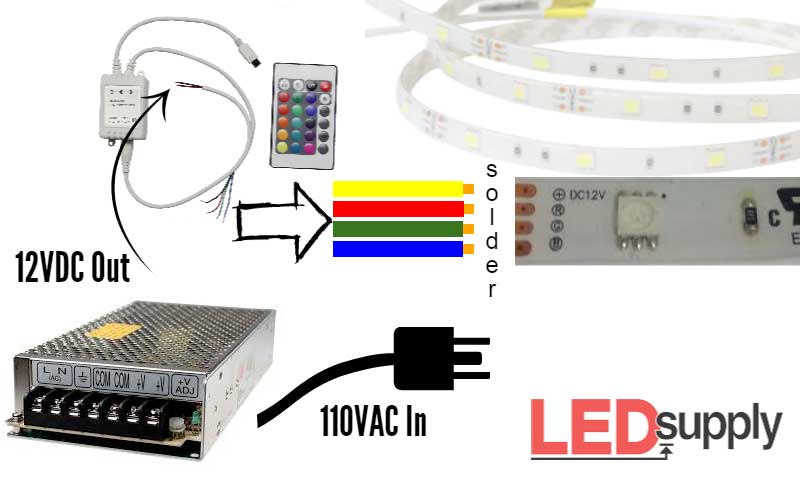
Installation in these settings requires careful planning to ensure reliability and safety. Always begin with a site survey to map Bluetooth signal coverage, as thick walls, HVAC systems, and metal structures in commercial buildings can create dead zones; plan for additional Bluetooth extenders if needed. Power supply selection is critical—calculate total strip wattage plus a 20% buffer and use commercial-grade constant-voltage drivers mounted in accessible, ventilated locations like electrical closets, never concealed within walls where heat buildup could cause failure. Maintain strict separation between low-voltage DC wiring and mains AC lines to prevent interference, running them in separate conduits with at least 20cm distance. For linear runs exceeding 5 meters, inject power at both ends to avoid voltage drop that causes dimming at the far end. Conceal controllers and drivers in serviceable junction boxes near the strip start point, labeling all components clearly for facility maintenance staff. Use aluminum mounting channels not only for clean aesthetics but also as essential heat sinks to prolong LED lifespan—never install strips directly onto flammable surfaces like drywall. Ensure all materials meet local fire codes, particularly low-smoke zero-halogen (LSZH) cables in plenum spaces. Finally, integrate the Bluetooth system with existing building management where possible but maintain a manual override switch for critical areas to comply with emergency lighting regulations and ensure operability during network outages. Professional installation by licensed electricians is non-negotiable in commercial settings to uphold insurance requirements and safety standards.
Why Choose Beauty STC Lighting
Discover the future of ambient lighting with Bluetooth LED light strips from Beauty STC – a trusted leader in innovative lighting solutions. Engineered for seamless connectivity, our Bluetooth-enabled strips offer app-controlled color tuning, scheduling, and dynamic effects, perfect for residential, commercial, and hospitality applications.
Partner with Beauty STC to access high-quality, energy-efficient LED lighting backed by years of manufacturing expertise and global compliance standards. Whether you’re a distributor, designer, or project developer, we provide customized solutions, competitive pricing, and reliable support.
To learn more or discuss a collaboration, contact our sales manager today at [email protected]. Let’s illuminate the world together.
⚡ LED Power Supply Calculator
Estimate the power supply needed for your LED strip project.