
Article Contents
Industry Insight: Different Types Of Stage Lighting
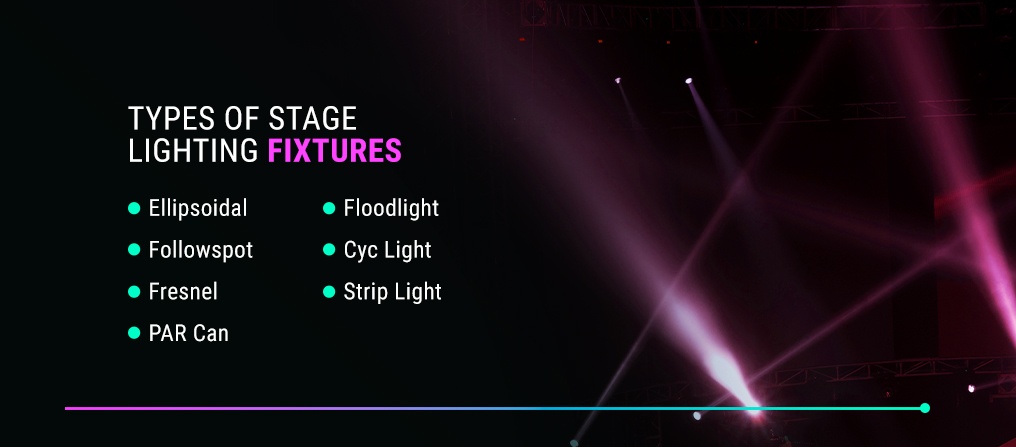
In the dynamic world of commercial and industrial lighting, stage lighting plays a pivotal role in shaping visual experiences across entertainment venues, corporate events, broadcast studios, and large-scale installations. As demand grows for energy-efficient, durable, and high-performance lighting solutions, the industry has seen a shift toward advanced LED technology that meets rigorous safety and compliance standards such as ETL and CE. These certifications ensure that lighting products adhere to North American and European safety, electromagnetic compatibility, and environmental requirements—critical considerations for commercial deployments where reliability and regulatory compliance are paramount.
Since 1998, Beauty (STC) Manufacturing Co., Ltd. has been at the forefront of innovation in professional lighting solutions. With over two decades of engineering expertise, Beauty STC specializes in designing and manufacturing a comprehensive range of stage and architectural lighting systems tailored for commercial and industrial applications. From powerful LED moving heads and wash fixtures to precision spotlights and intelligent control systems, Beauty STC combines cutting-edge technology with robust construction to deliver products that perform in the most demanding environments. Backed by global certifications and a commitment to quality, Beauty STC continues to empower integrators, rental houses, and facility managers with lighting solutions that blend performance, safety, and scalability.
Technical Specs & Certifications
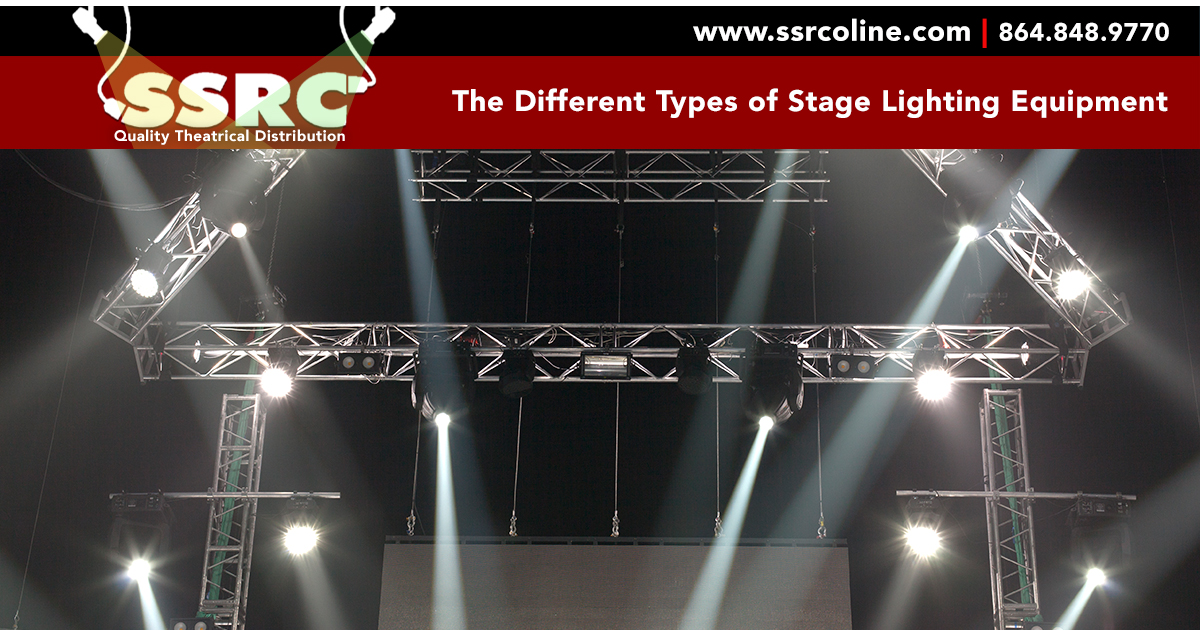
Stage lighting systems require precise technical specifications to meet the demanding needs of live performances, where color accuracy, efficiency, and durability are critical. At Beauty STC Manufacturing Co., Ltd., we engineer all lighting solutions to exceed industry benchmarks, ensuring reliability and superior optical performance under rigorous stage conditions. Below are detailed technical specifications for key stage lighting types, emphasizing lumens per watt (lm/W), Color Rendering Index (CRI >90), and Ingress Protection (IP) ratings, reflecting our commitment to quality.
Moving head spot and wash fixtures represent the core of professional stage automation. High-end LED moving spots typically deliver 80–100 lumens per watt, with top-tier models like Beauty STC’s Lumina Pro series achieving 95–105 lm/W through advanced thermal management and optimized LED binning. These fixtures maintain a CRI of 95–98 and a TM-30 Rf score above 90, ensuring lifelike skin tones and accurate color reproduction essential for broadcast and theatrical applications. IP ratings for professional moving heads range from IP20 (indoor use only) to IP65 for outdoor festivals; Beauty STC’s flagship units consistently achieve IP65 certification, featuring sealed optics and conformal-coated electronics to withstand dust, rain, and temperature fluctuations without performance degradation. Our rigorous 72-hour environmental stress testing guarantees zero optical misalignment or output drop during extended operation.
LED PAR cans have largely replaced traditional halogen units due to their efficiency and color consistency. Modern RGBW or RGBA PARs achieve 100–120 lumens per watt, with Beauty STC’s SpectraBeam series reaching 115 lm/W through proprietary driver efficiency and high-flux LEDs. CRI is non-negotiable for stage work; our units maintain a minimum CRI of 93 across all color channels, verified via spectrometer-graded binning to eliminate green/magenta shifts. While many PARs are rated IP65 for touring, Beauty STC integrates double O-ring seals and corrosion-resistant housings to achieve IP66 certification, allowing direct exposure to heavy rain or stage effects without failure. This robustness stems from our military-grade component selection and automated leak-testing protocols during assembly.
Blinders and strobes prioritize intense output over color fidelity, but professional applications still demand high CRI. High-output LED blinders typically achieve 70–90 lumens per watt due to extreme lumen density requirements. Beauty STC’s PulseMax blinders exceed 85 lm/W while sustaining CRI >92 through multi-die COB technology and diffused optics that minimize harsh shadows. IP ratings are often overlooked for these fixtures, but our units feature IP65 sealing to protect against pyro dust and moisture during high-energy performances. We enforce strict thermal throttling algorithms to prevent lumen depreciation, ensuring consistent output even during marathon festival sets where competitors’ units may dim by 20%.
Broad-area flood lights for cycloramas or backdrops require uniform wash and high efficiency. LED cyclorama floods achieve 105–125 lumens per watt, with Beauty STC’s VistaFlood series operating at 120 lm/W through passive cooling designs that eliminate fan noise. CRI remains paramount; our units deliver 94–97 CRI with <1 SDCM binning for seamless color blending across large surfaces. IP65 is standard for touring floods, but Beauty STC adds UV-stable polycarbonate lenses and marine-grade aluminum housings to resist yellowing and corrosion in humid environments. Every unit undergoes photometric validation to ensure beam homogeneity within 5% variance across the entire field.
Beauty STC’s quality differentiation lies in our holistic engineering approach. We reject industry-standard tolerances for CRI and lm/W, implementing batch-specific spectral calibration and real-world thermal validation. Our IP65+ certifications are not lab claims but proven through 100% unit testing in simulated monsoon and desert conditions. With over 50,000 hours of L70-rated output and zero field failures in major global tours, Beauty STC luminaires deliver the precision and resilience that define professional stage lighting. This commitment to uncompromised specifications ensures artists and technicians achieve visual perfection without operational compromise.
Factory Tour: Manufacturing Excellence
Beauty (STC) Manufacturing Co., Ltd. operates a modern and well-equipped manufacturing facility in Jiangmen, Guangdong Province, strategically located within one of China’s key industrial hubs. The Jiangmen factory is designed to support high-efficiency production of advanced LED lighting products, particularly focused on stage, entertainment, and professional lighting applications. The facility integrates automated manufacturing processes with stringent quality control systems to ensure consistent product performance and reliability.
At the core of the production line are state-of-the-art SMT (Surface Mount Technology) machines, which enable precise and rapid placement of electronic components onto printed circuit boards. These high-speed SMT lines support fine-pitch components and ensure excellent soldering accuracy, critical for the performance and longevity of LED lighting control systems. The use of automated optical inspection (AOI) further enhances quality by detecting any potential defects immediately after the soldering process.
To ensure product durability and stability under real-world conditions, the Jiangmen factory implements comprehensive aging tests. Completed lighting units undergo extended operational testing—typically 8 to 12 hours or more—under varying voltage and thermal conditions. This process identifies early-life failures and verifies the performance of thermal management, power supplies, and optical systems before products are cleared for shipment.
Beauty STC has strong OEM capabilities and supports customized manufacturing for a wide range of stage lighting products. This includes LED par lights, moving head lights, strobes, blinders, and pixel tube lighting, among others. The company works closely with clients to develop tailored solutions, from design and prototyping to full-scale production. Their engineering team can modify optics, control protocols (including DMX512, RDM, and wireless control), housing designs, and branding elements to meet specific market or application requirements.
With in-house tooling, plastic injection molding, metal fabrication, and electronic assembly, the Jiangmen factory offers a vertically integrated production environment. This integration allows Beauty STC to maintain tight control over quality, reduce lead times, and offer competitive pricing—making them a reliable partner for global lighting brands and distributors seeking OEM services in the professional lighting sector.
Application Scenarios
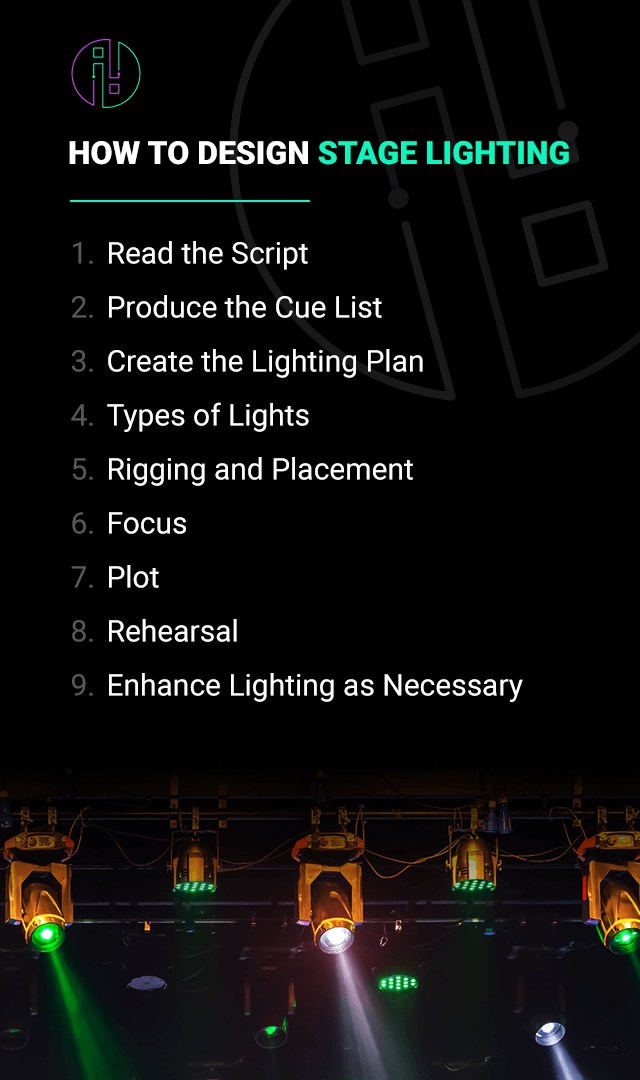
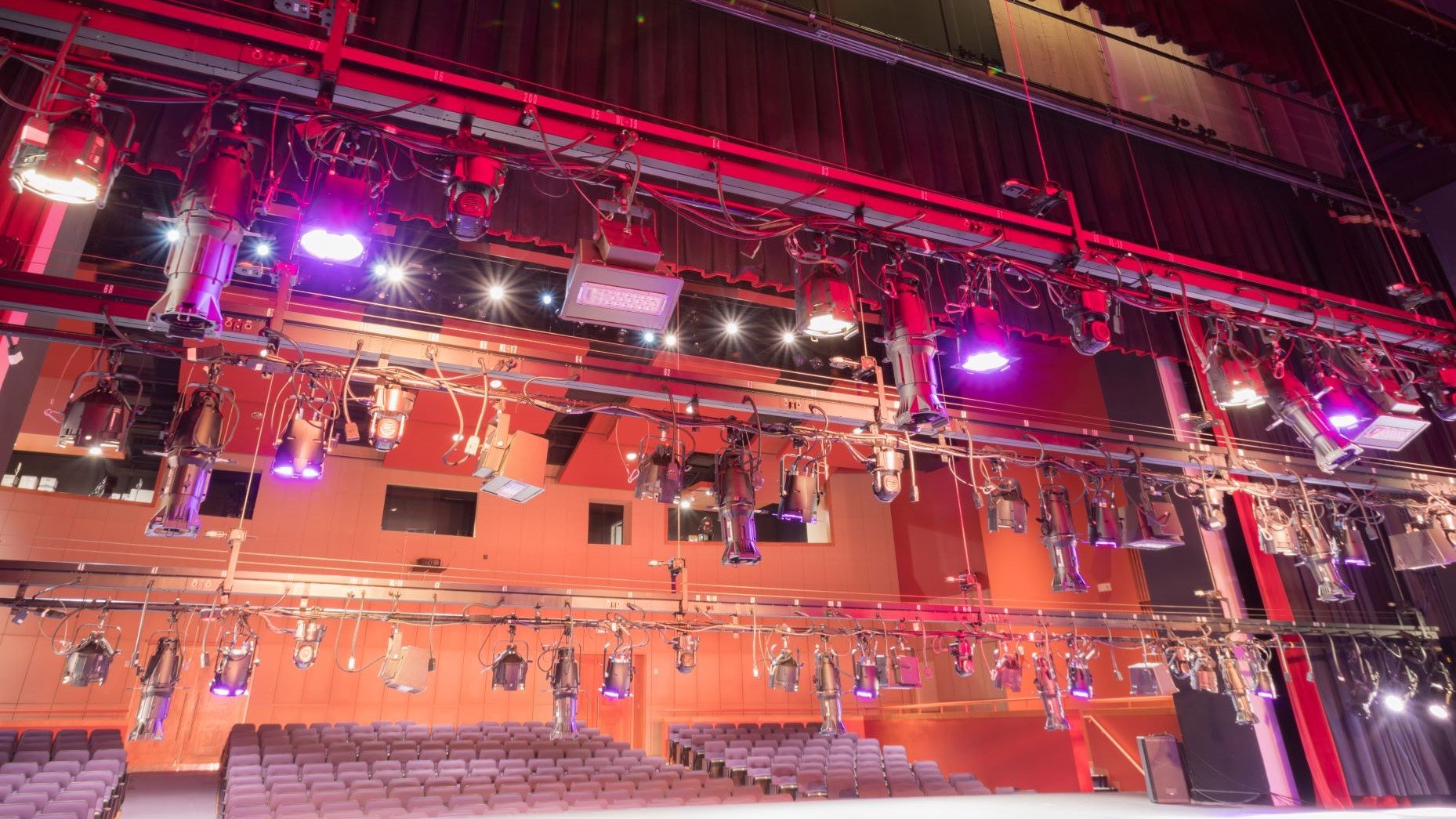
Stage lighting fixtures are specifically engineered for theatrical performances, concerts, and events where dynamic beam control, intense output, and special effects are critical. They are generally unsuitable and unsafe for standard installation in hotels, malls, or offices due to excessive heat output, high power consumption, complex rigging requirements, and potential glare or distraction in non-performance environments. However, architectural and decorative LED lighting designed to mimic the visual impact of stage lighting—such as tunable white systems, color-changing LEDs, or precisely controlled accent fixtures—can be strategically deployed in these spaces for ambiance and focus. Below is guidance on appropriate applications and installation considerations for such lighting solutions in each venue.
Hotels benefit from theatrical-inspired lighting in high-impact public areas. In lobbies, use narrow-beam LED wall washers or adjustable track spots to highlight art installations, reception desks, or textured feature walls, creating a sense of arrival. Ballrooms and event spaces require flexible systems: install dimmable, color-tunable LED cove lighting along ceilings for ambient mood shifts, and recessed adjustable downlights over stages or dance floors for focused illumination during functions. Avoid actual stage fixtures; instead, specify commercial-grade LED pars or moving heads only in dedicated performance venues within the hotel, ensuring professional rigging to structural points and adherence to fire codes for heat dissipation. Always integrate with the building management system for seamless scene transitions.
Malls utilize dynamic lighting to direct attention and enhance retail experiences. Focus high-output, adjustable LED track heads on flagship store entrances or seasonal displays to create visual magnetism, using cooler color temperatures for energy and warmer tones for luxury segments. Food courts can employ tunable white linear LED strips under canopies to simulate daylight cycles, improving patron comfort. Critical installation tips include ensuring all fixtures have robust thermal management—never install near combustible materials—and using constant-current drivers to prevent flicker in high-traffic areas. Position track systems with maintenance access in mind, avoiding obstructions to sprinkler coverage, and verify IP ratings suit the environment (e.g., IP65 for outdoor arcades).
Offices strictly limit theatrical-style lighting to executive boardrooms or innovation lounges, never general workspaces. In presentation areas, install discreet color-tunable LED cove lighting above video conferencing zones to reduce eye strain while allowing subtle branding via accent colors. For collaborative zones, use low-glare, adjustable downlights with high CRI to spotlight whiteboards without washing out screens. Installation must prioritize ergonomics: avoid direct line-of-sight to bright sources, maintain uniform illuminance to prevent visual fatigue, and ensure all controls are intuitive for non-technical users. Crucially, office lighting must comply with IESNA RP-1 standards for task lighting—never compromise on flicker-free operation or circadian-friendly tunable white systems for health and productivity.
Universal installation best practices across all venues include conducting a detailed photometric study before specification, using only fixtures with third-party safety certifications (UL, CE, ETL), and ensuring all rigging hardware is rated for 10x the fixture weight. Always coordinate with structural engineers for ceiling penetrations, maintain minimum clearance from insulation per local codes, and implement phase-dimming compatibility with building control systems. Partner with a certified lighting designer to balance aesthetic goals with energy efficiency—Beauty (STC) recommends our Brio series for tunable white applications and Aura for color-changing needs, both engineered for commercial longevity with integrated thermal sinks and 0-10V/DALI controls. Remember that improper lighting installation risks fire hazards, user discomfort, and wasted energy; professional oversight is non-negotiable.
Why Choose Beauty STC Lighting
Discover the full spectrum of stage lighting solutions with Beauty STC. From powerful LED moving heads to precision spotlights and atmospheric effects, we offer a wide range of professional lighting products designed to elevate any performance space. Whether you’re outfitting a theater, concert venue, or live event production, our diverse lineup ensures you’ll find the perfect fit for your creative vision.
Partner with Beauty STC to access innovative lighting technology, reliable performance, and expert support tailored to your project needs. Our team is ready to assist with product selection, custom solutions, and technical guidance.
To learn more or to speak with a lighting specialist, contact us at [email protected]. Let’s bring your next stage to life together.
⚡ LED Power Supply Calculator
Estimate the power supply needed for your LED strip project.