
Article Contents
Industry Insight: Addressable Led
Addressable LED technology is transforming the landscape of commercial and industrial lighting by enabling dynamic, customizable, and energy-efficient illumination solutions. Unlike traditional static lighting systems, addressable LEDs allow individual control of each LED node within a strip or fixture, offering unparalleled flexibility for architectural accents, retail displays, warehouse signaling, and smart building integrations. This level of precision supports advanced applications such as color tuning, animated effects, and responsive lighting synchronized with building management systems—making it a strategic choice for modern facilities seeking both functionality and visual impact. With increasing demand for compliant and reliable lighting solutions, products meeting rigorous safety and performance standards such as ETL and CE certifications are essential, ensuring they adhere to North American and international electrical regulations.
Beauty (STC) Manufacturing Co., Ltd., established in 1998, has been at the forefront of LED innovation for over two decades. Specializing in high-performance lighting solutions for commercial and industrial environments, Beauty STC combines engineering excellence with stringent quality control to deliver addressable LED systems that are both durable and code-compliant. As a trusted manufacturer with a global footprint, the company continues to drive advancements in smart, addressable lighting technologies that meet the evolving needs of architects, engineers, and facility managers worldwide.
Technical Specs & Certifications
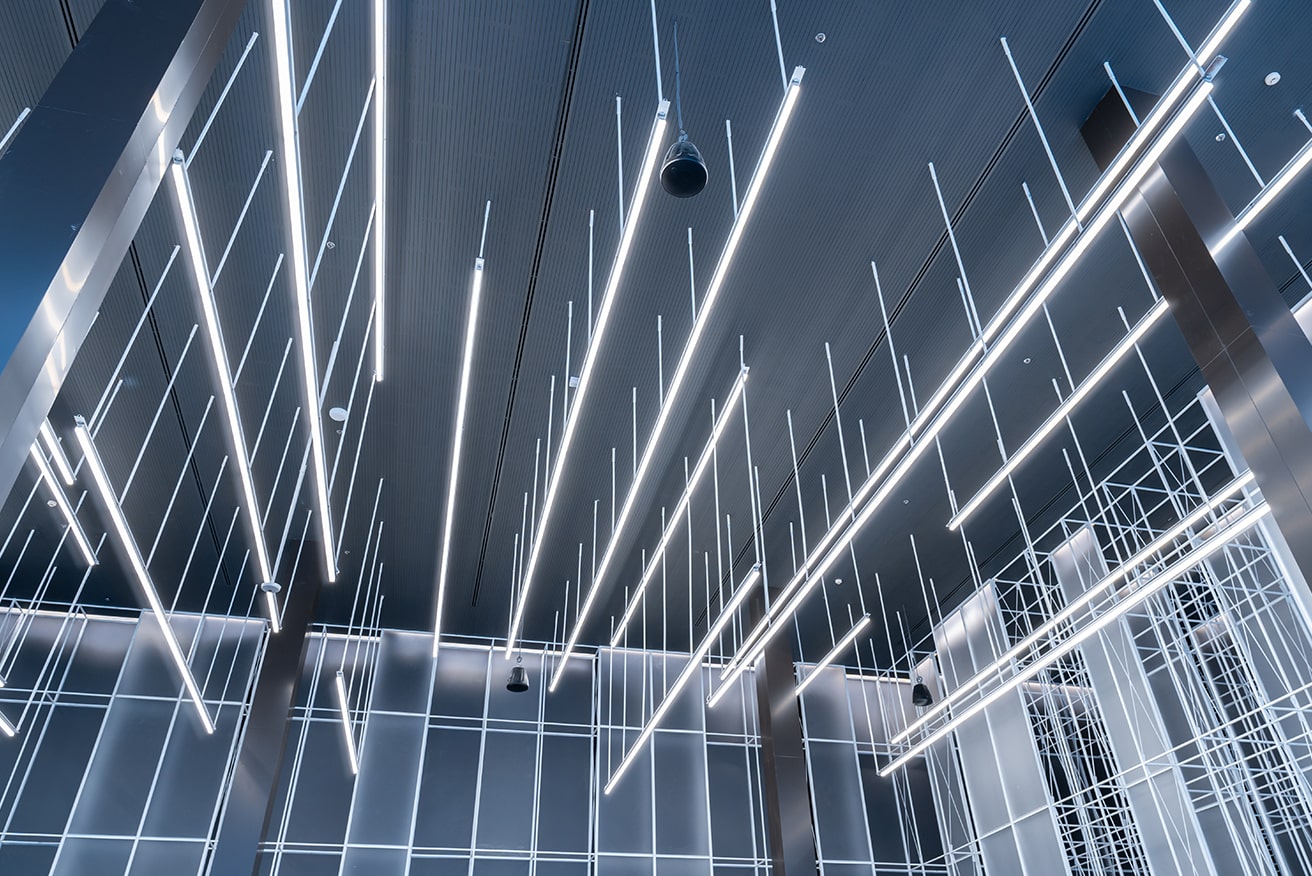
Addressable LED systems represent a sophisticated category of lighting where individual LEDs or small groups can be controlled independently for dynamic color and intensity effects. These systems consist of integrated components including the LED package itself, control ICs embedded within the strip or module, and compatible controllers. Beauty STC Manufacturing Co., Ltd. engineers these systems to deliver high performance and reliability, particularly focusing on critical parameters demanded by professional lighting applications.
Lumens per Watt efficacy for addressable LED systems varies significantly based on the specific LED chip technology, drive current, color output, and the overhead of the integrated control IC. Standard addressable strips using common 5050 or similar packages typically achieve 18-25 lumens per watt when operating across full RGB(W) spectrums at standard drive currents. Beauty STC utilizes high-efficiency, modern LED dies and optimized drive circuitry to consistently reach the higher end of this range, often exceeding 22 lumens per watt in white light modes and maintaining competitive efficacy in saturated colors. This is achieved through meticulous thermal management design within the strip construction and precise current regulation, ensuring energy efficiency does not compromise controllability. Efficacy naturally decreases when producing high-CRI white light or specific saturated colors compared to standard cool white outputs.
Achieving a Color Rendering Index (CRI) greater than 90, particularly with a strong R9 value for accurate red rendering, is essential for applications demanding true-to-life color representation such as retail displays, museums, and high-end hospitality. Beauty STC accomplishes this by employing premium, multi-channel white LED chips specifically binned for high CRI (Ra >90, R9 >50) within our addressable white or tunable white product lines. It is critical to understand that the addressability function itself does not inherently determine CRI; the CRI performance is fundamentally driven by the quality and spectral composition of the white LED emitter used. Our high-CRI addressable strips utilize carefully selected phosphor-converted LEDs or combinations of discrete color channels blended to produce high-fidelity white light, rigorously tested to meet or exceed the Ra>90 specification across the operational range. Standard RGB addressable strips cannot achieve high CRI white light as they lack the necessary spectral components.
IP (Ingress Protection) ratings are paramount for determining the suitability of addressable LED strips in various environments, especially for architectural cove lighting, outdoor signage, or damp indoor locations like kitchens or bathrooms. Beauty STC offers addressable LED strips in multiple IP-rated configurations. IP20 denotes no protection, suitable only for dry, interior, enclosed applications. IP65 signifies protection against low-pressure water jets and dust, achieved through a conformal coating or thin silicone layer over the components, ideal for sheltered outdoor areas or indoor zones with potential moisture splashes. For demanding environments requiring submersion resistance or heavy exposure, Beauty STC provides IP67 and IP68 rated strips. These feature a robust, fully encapsulating flexible silicone jacket that seals the LEDs, ICs, and copper traces, protecting against dust, temporary immersion (IP67), and continuous submersion under pressure (IP68, typically rated for 1 meter depth for 30+ days). Our IP67/IP68 strips utilize high-purity, UV-stable silicone instead of inferior epoxy, preventing yellowing, cracking, and delamination over time, a key differentiator in long-term reliability.
Beauty STC’s commitment to quality permeates every aspect of our addressable LED manufacturing. We utilize automated SMT lines with stringent process controls for component placement and soldering, ensuring consistent electrical connections critical for complex addressable systems. All high-CRI white LEDs undergo rigorous binning to guarantee spectral consistency and meet Ra>90/R9>50 targets. Our silicone encapsulation for IP67/IP68 products is applied via precision overmolding, eliminating air gaps and providing superior thermal dissipation compared to dip-coated alternatives. Each batch undergoes accelerated life testing, thermal cycling, and photometric verification. We enforce strict material traceability and adhere to international safety standards (UL, CE, RoHS). This focus results in addressable systems with exceptional longevity (typically rated L70/B50 >50,000 hours), minimal color shift over time, reliable signal transmission even in long runs, and consistent performance in challenging environmental conditions, setting a benchmark for professional-grade controllable lighting solutions.
Factory Tour: Manufacturing Excellence
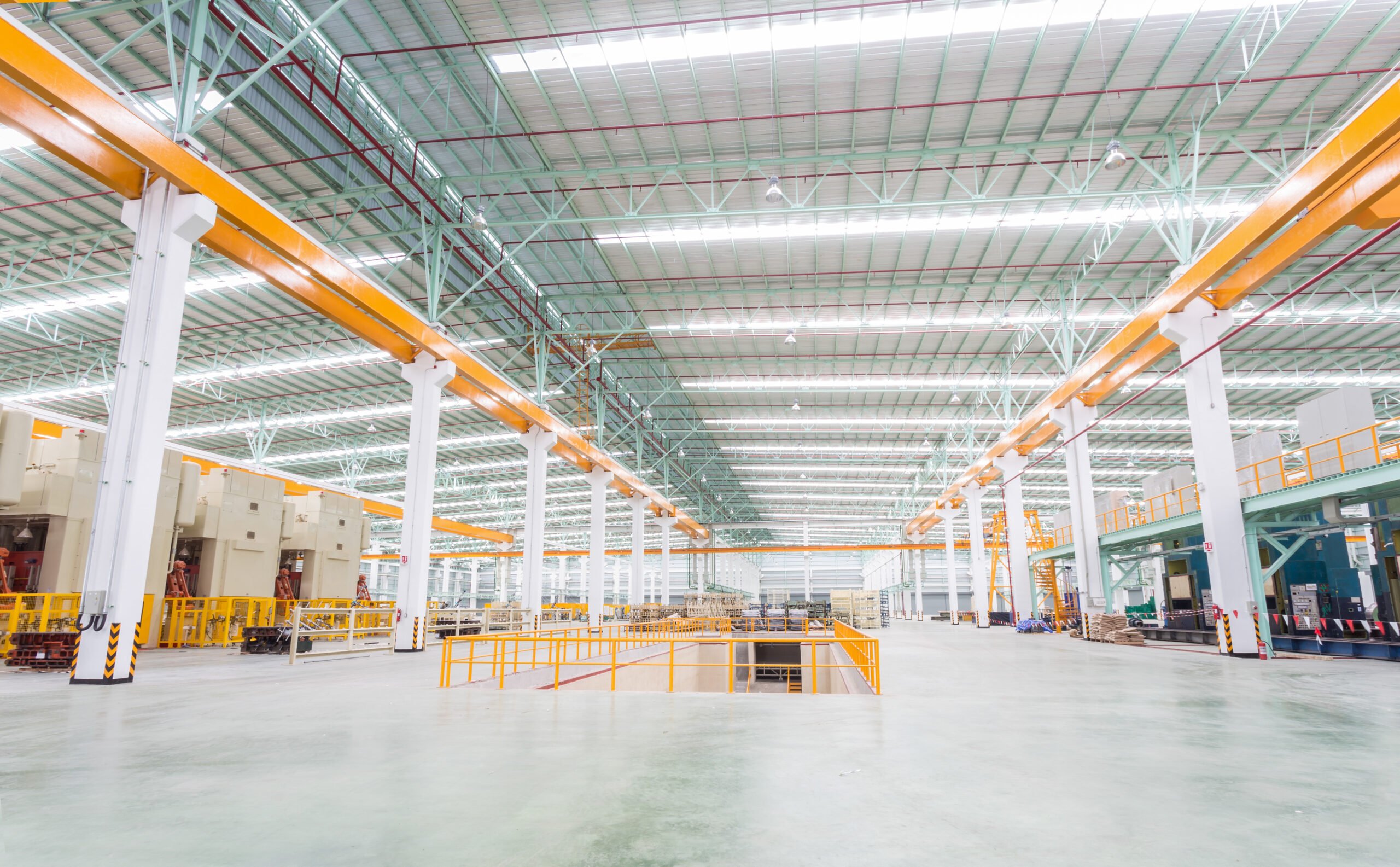
Beauty (STC) Manufacturing Co., Ltd. operates a modern manufacturing facility in Jiangmen, Guangdong Province, China, strategically positioned to support efficient production and logistics for both domestic and international markets. The Jiangmen factory is equipped with advanced surface mount technology (SMT) production lines, featuring high-precision SMT machines from leading manufacturers. These machines ensure accurate placement of micro-components on LED control boards, which is especially critical for complex products such as addressable LED strips. The SMT lines are integrated with automated optical inspection (AOI) systems to verify soldering quality and component alignment, ensuring consistent product reliability and performance.
A key part of the quality assurance process at the Jiangmen facility is the comprehensive aging test procedure. Finished LED products, including addressable LED strips and related lighting modules, undergo rigorous burn-in tests that typically last between 24 to 72 hours under elevated temperature and full operational load. This aging process helps identify early-life failures, validates thermal management performance, and ensures long-term stability before products are shipped to customers.
The factory has strong OEM and ODM capabilities, particularly for addressable LED products. Beauty STC can customize PCB designs, firmware, packaging, and labeling to meet specific client requirements. This includes supporting various addressable LED chipsets such as WS2812B, WS2813, SK6812, and others, with options for different voltages, densities, and form factors. The company’s engineering team works closely with clients to develop tailored solutions, from initial prototyping to full-scale production, ensuring compatibility with popular control systems like Arduino, Raspberry Pi, and commercial addressable lighting controllers. This flexibility makes Beauty STC a trusted partner for brands looking to launch differentiated, high-performance addressable LED lighting products.
Application Scenarios
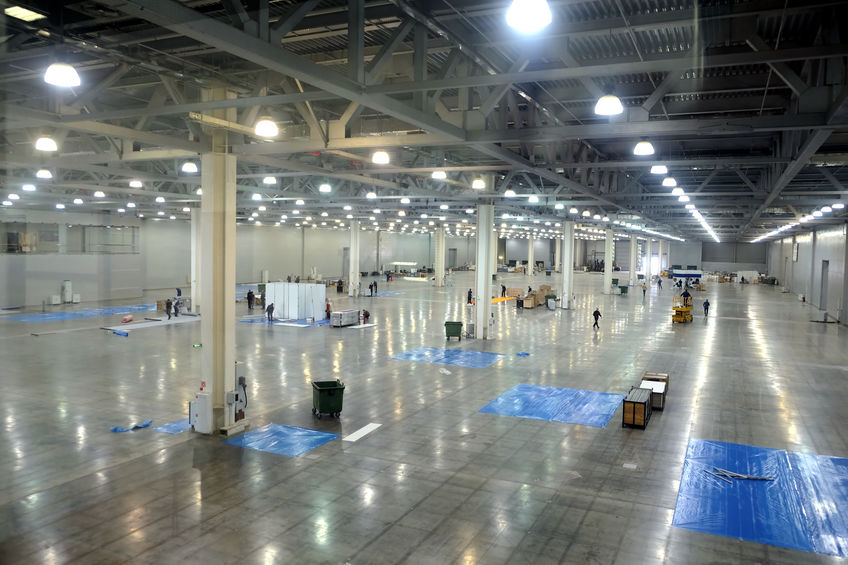
Addressable LED lighting systems, where each individual LED or segment can be independently controlled for color, brightness, and animation, offer unique capabilities beyond standard static or zone-controlled lighting. Their strategic implementation in commercial environments like hotels, malls, and offices requires careful consideration of application goals, technical requirements, and user experience.
In hotels, addressable LEDs excel in creating dynamic ambiance and enhancing guest experience. Primary applications include feature walls in lobbies or bars, where programmable scenes can shift from vibrant social settings during evening events to calming hues for daytime relaxation. Corridor cove lighting benefits significantly, allowing subtle color changes to denote different wings or floors, or providing gentle wayfinding illumination that avoids disrupting guest sleep cycles. Elevator interiors and pool edges are also strong candidates, enabling branded color schemes or safety-focused lighting transitions. It is crucial to avoid using intense animations or rapid color shifts in guest room corridors or near entrances to rooms, as this can be disruptive; instead, prioritize smooth, slow transitions or static accent colors in these areas.
Malls leverage addressable LEDs for high-impact visual attraction and brand reinforcement. Facade installations are particularly effective, transforming building exteriors into dynamic digital canvases for seasonal campaigns, events, or brand partnerships, significantly increasing visual pull after dark. Escalator handrails and surrounding coves provide excellent opportunities for flowing animations that guide customer movement and create a modern, engaging atmosphere. Feature ceilings in central atriums or above key anchor stores can utilize large-scale addressable grids for immersive light shows synchronized with music during promotions. Retail storefronts within the mall also adopt these systems for window displays that change throughout the day. However, installations must avoid excessive brightness or chaotic patterns that cause visual fatigue; the focus should be on enhancing the shopping environment, not overwhelming it. Careful consideration of local lighting ordinances regarding exterior brightness and color temperature is essential.
Offices utilize addressable LEDs primarily for well-being, productivity, and flexible space definition rather than dramatic effects. Collaborative zones, huddle rooms, and innovation labs benefit from tunable white or subtle color accents that can shift to support different activities—energizing cool whites for brainstorming, warmer tones for relaxed discussions, or even gentle color cues to signal focus time versus social time. Perimeter cove lighting in open offices can provide indirect, circadian-rhythm-supporting illumination that gradually shifts intensity and color temperature throughout the workday. Feature walls in reception or executive areas allow for branded, professional displays. Critical caution is required: addressable systems should generally be avoided in standard individual workstations or deep-plan offices where flicker or distracting animations could impair concentration. The emphasis must remain on subtle, functional lighting that supports tasks, not entertainment. Strict control protocols are necessary to prevent unauthorized disruptive programming.
Installation demands meticulous planning to ensure reliability and performance. Power distribution is paramount; calculate total current draw per controller channel meticulously and never exceed 80% of the channel’s rated capacity (typically 10A per channel for robust commercial controllers). Use separate, adequately sized power supplies for each continuous run exceeding 5 meters for 5V systems or 10 meters for 24V systems to combat voltage drop, injecting power at both ends and midpoints for longer runs. Data line integrity is equally critical—employ high-quality twisted-pair cable (e.g., CAT5e), keep data lines short under 10 meters without signal boosters, and physically separate them from AC power lines to prevent electromagnetic interference. Always use a common ground between power supplies and controllers. Before final mounting, conduct thorough bench testing of the entire segment—power, data, and controller—to verify signal stability and color consistency. Secure strips firmly using manufacturer-recommended mounting channels or high-bond tape on clean, dry surfaces, ensuring adequate ventilation to prevent overheating. Finally, implement robust surge protection on all AC inputs and utilize commercial-grade controllers designed for 24/7 operation with reliable network connectivity (Art-Net, sACN) for central management, avoiding consumer-grade solutions unsuitable for commercial environments. Proper grounding of all metallic components and adherence to local electrical codes are non-negotiable for safety and longevity.
Why Choose Beauty STC Lighting
Discover the future of dynamic lighting with addressable LED solutions from Beauty STC. As a trusted leader in innovative LED technology, we offer customizable, high-performance addressable LED products designed for architectural, commercial, and entertainment applications. Partner with Beauty STC to access cutting-edge R&D, scalable manufacturing, and global support.
Elevate your lighting projects with precision control, vibrant color rendering, and seamless integration. Contact us today to discuss your requirements and explore tailored solutions.
Reach out to our sales manager at [email protected] and start your collaboration with Beauty STC.
⚡ LED Power Supply Calculator
Estimate the power supply needed for your LED strip project.