
Article Contents
Industry Insight: Addressable Rgb
Addressable RGB lighting has emerged as a transformative force in commercial and industrial lighting, offering unparalleled flexibility, dynamic control, and energy efficiency for large-scale applications. Unlike traditional static or basic color-changing systems, addressable RGB technology enables individual control of each LED within a strip or fixture, allowing for intricate lighting effects, zoning, and integration with building management and smart control systems. This level of precision is increasingly being leveraged in retail environments, architectural facades, industrial facilities, and commercial spaces where branding, ambiance, and operational efficiency are critical. With growing demand for compliant and reliable lighting solutions, products meeting rigorous safety and performance standards such as ETL and CE certifications are essential—ensuring not only regulatory compliance but also long-term reliability in diverse operating conditions.
Beauty STC, established in 1998, has been at the forefront of LED innovation for over two decades, specializing in high-performance lighting solutions for commercial and industrial markets. As a trusted manufacturer, Beauty STC combines advanced engineering with stringent quality control, delivering addressable RGB systems that are not only visually striking but also built to meet the exacting demands of professional installations. With a commitment to innovation, durability, and global compliance, Beauty STC continues to set industry benchmarks—empowering architects, engineers, and facility managers with intelligent lighting that performs.
Technical Specs & Certifications
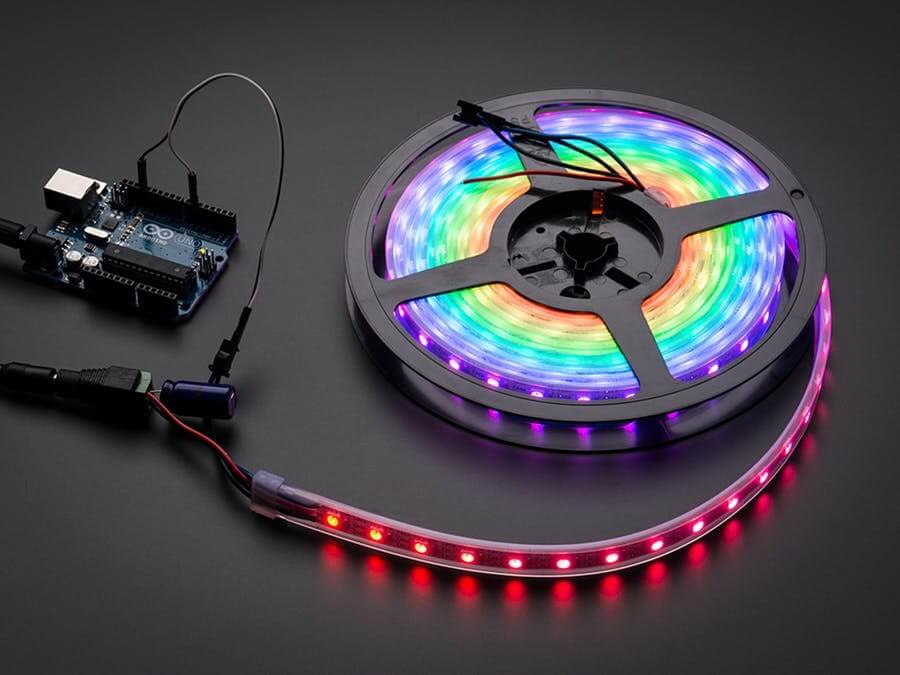
Addressable RGB LED systems, particularly those utilizing individually controllable pixels such as WS2812B, SK6812, or similar integrated driver ICs, present unique technical considerations compared to standard white LED lighting. Achieving high efficiency and color fidelity requires specific design approaches. At Beauty STC, we engineer our addressable RGB and RGBW products to exceed baseline industry expectations through rigorous component selection and manufacturing processes.
Lumens per Watt (lm/W) performance for addressable RGB is inherently lower than monochromatic white LEDs due to the physics of color mixing and driver IC overhead. Standard RGB pixels typically achieve 15-25 lm/W when producing white light, as the combined output of red, green, and blue diodes is less efficient than a dedicated white phosphor-converted LED. Beauty STC addresses this challenge by utilizing high-efficiency 2835 or 3535 LED packages with optimized binning and implementing advanced constant-current drivers that minimize power loss in the control circuitry. Our premium RGBW variants, incorporating a dedicated white diode channel, significantly improve system efficiency for white light output, reaching 30-40 lm/W while maintaining color accuracy. All efficiency figures represent system-level measurements under standard operating conditions, including the driver IC consumption, verified through our in-house integrating sphere testing.
Achieving a Color Rendering Index (CRI) greater than 90 with standard addressable RGB is physically impossible using only red, green, and blue primary colors, as the limited spectral coverage cannot accurately render the full range of R1-R15 test colors defined in CRI standards. Beauty STC overcomes this limitation through two primary strategies. For applications demanding high CRI, we exclusively deploy RGBW configurations, integrating a high-CRI (>95) 2700K-6500K white LED channel alongside the RGB primaries. This white channel provides the necessary spectral continuity for accurate color rendering. Furthermore, our firmware incorporates proprietary color calibration algorithms that dynamically adjust the intensity of all four channels based on precise spectrometer measurements during manufacturing. Each production batch undergoes spectral calibration to ensure R9 (saturated red) values exceed 50 and the extended TM-30 metrics (Rf and Rg) meet stringent quality thresholds, effectively delivering CRI Ra >90 performance where standard RGB systems fail. This process is a core differentiator in our high-end architectural and retail lighting products.
IP rating requirements for addressable RGB systems depend heavily on the application environment. Beauty STC offers a comprehensive range of protection levels. Standard flexible strips and rigid bars for indoor dry locations (IP20) utilize precision automated soldering and conformal coating on all control electronics to prevent moisture ingress and ionic contamination during handling. For outdoor or damp environments, our IP65-rated products feature seamless silicone extrusion encapsulation over the entire LED and PCB assembly, with integrated strain relief on all connectors. Our IP67 and IP68 submersible solutions undergo additional rigorous processes: double-shot molded end caps, laser-welded seams on rigid profiles, and 100% batch testing under 1 meter of water for 30 minutes per IEC 60529 standards. Critically, the addressable controller modules themselves are housed in UV-stabilized polycarbonate enclosures meeting the same IP rating as the strip, a detail often overlooked by competitors which compromises system reliability.
Beauty STC’s commitment to quality is embedded in every stage of production. We utilize fully automated SMT lines with 3D AOI inspection for component placement accuracy, ensuring consistent thermal performance and longevity. All LED diodes and driver ICs are sourced from Tier-1 suppliers and subjected to our proprietary accelerated life testing protocols, including 1000-hour ISTMT (In-Situ Thermal Management Testing) at 85°C/85% RH before release. Unlike many manufacturers, we perform end-of-line photometric, electrical, and IP verification testing on 100% of production units, not just samples. Our thermal management designs incorporate aluminum-core PCBs even in flexible strips where feasible, and our proprietary phosphor formulations for white channels are developed in-house to maintain color stability over 50,000 hours. This systematic approach, certified under ISO 9001 and UL 8750 standards, ensures our addressable RGB systems deliver not only the specified lm/W and CRI performance but also the field reliability demanded by professional lighting installations worldwide.
Factory Tour: Manufacturing Excellence

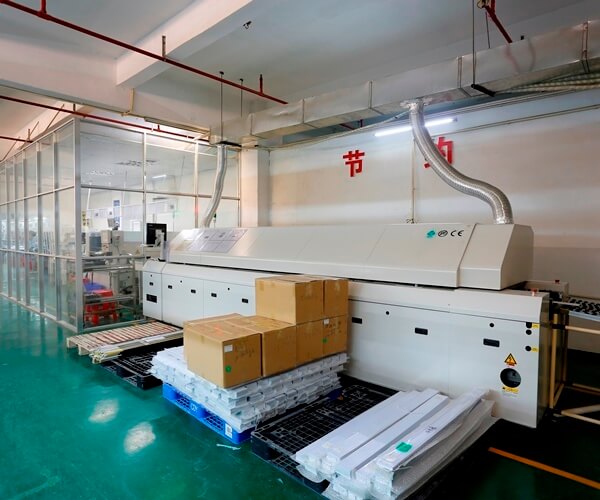
Beauty (STC) Manufacturing Co., Ltd. operates a modern and well-equipped manufacturing facility in Jiangmen, Guangdong Province, strategically located to support efficient production and logistics for both domestic and international markets. The factory is designed to meet high standards of quality control and manufacturing efficiency, particularly in the production of LED lighting products.
The facility is equipped with advanced Surface Mount Technology (SMT) production lines, which are essential for the precise and reliable assembly of LED components onto printed circuit boards. These SMT machines ensure high-speed placement of small and complex electronic parts with excellent accuracy, contributing to consistent product performance and durability. The use of automated optical inspection (AOI) systems further enhances quality assurance by detecting soldering and component placement defects immediately after the SMT process.
To ensure long-term reliability, Beauty STC conducts comprehensive aging tests on its LED products. Completed units undergo extended burn-in periods under controlled thermal and electrical conditions, simulating prolonged usage to identify early failure risks. This rigorous testing process helps maintain a low defect rate and ensures that only products meeting strict performance benchmarks are shipped to customers.
The factory has strong OEM/ODM capabilities, particularly for addressable RGB LED products. Beauty STC can customize various aspects of addressable RGB lighting solutions, including PCB design, controller integration, firmware programming, color tuning, and product form factors. The company supports popular protocols such as WS2812B, SK6812, and DMX512, enabling seamless integration into diverse applications like architectural lighting, entertainment systems, and smart home environments. With in-house engineering support, the Jiangmen factory can deliver tailored solutions from prototype to full-scale production, meeting specific client requirements for performance, aesthetics, and functionality.
Application Scenarios
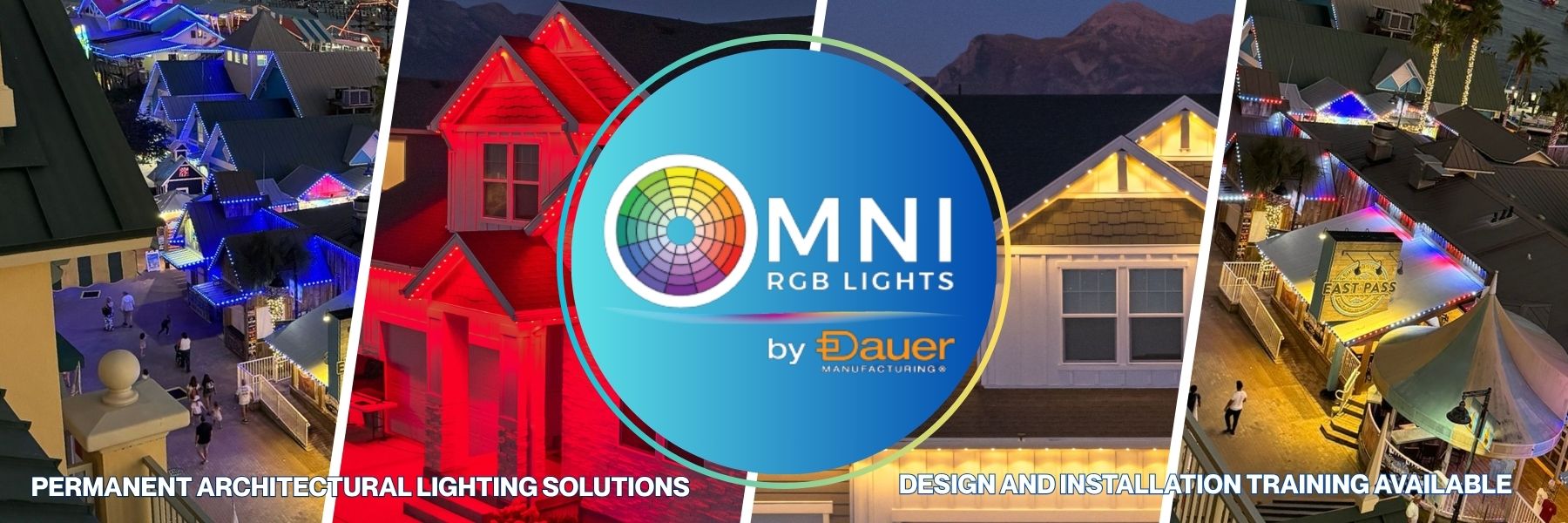
Addressable RGB LED systems, where each individual diode can be controlled for color and brightness independently, offer unique creative and functional possibilities in commercial environments. However, their application requires strategic consideration to align with the specific ambiance, functionality, and maintenance realities of hotels, malls, and offices. Overuse or inappropriate placement can undermine professional aesthetics or guest comfort, so targeted implementation is key.
In hotels, addressable RGB excels in high-impact public areas where dynamic ambiance enhances the guest experience without disrupting rest. The main lobby or reception area is ideal for creating memorable first impressions—imagine a sweeping feature wall that shifts from warm sunrise hues in the morning to cool twilight tones by evening, synchronized with local time or occupancy sensors. Conference and banquet spaces benefit significantly, allowing event planners to match lighting precisely to branding or themes for weddings, corporate functions, or exhibitions, eliminating the need for physical decor changes. Exterior facade or canopy lighting can highlight architectural details with color-changing sequences during special occasions. Crucially, avoid installing addressable RGB in guest rooms; static white tunable systems are far more suitable for relaxation and sleep hygiene. If used in hotel signage, ensure colors align with brand guidelines and avoid rapid animations that could cause visual fatigue.
Malls present strong opportunities for addressable RGB to drive engagement and navigation. Retail storefronts are prime candidates, where stores can use dynamic lighting to spotlight new collections or create immersive window displays that change hourly—this is particularly effective for fashion or electronics brands seeking social media appeal. Central atriums or feature walls serve as “Instagrammable” destinations, with large-scale art installations or responsive lighting that reacts to foot traffic or music during events. Wayfinding applications work well when integrated subtly into floor strips or column accents, using color zones to guide visitors toward exits, restrooms, or promotions without overwhelming signage. However, prioritize durability in high-traffic zones: use IP67-rated strips in recessed aluminum channels to prevent physical damage, and avoid complex animations in corridors where they might distract or disorient shoppers. Maintenance accessibility is critical—position controllers and power supplies in service closets rather than above ceilings to minimize disruption during repairs.
Offices demand the most restraint with addressable RGB, as excessive color variation can reduce productivity and appear unprofessional. Its use should be confined to non-work areas where it serves a clear purpose. The main lobby or reception can leverage it for brand expression—perhaps a digital “art wall” displaying company values through slow, calming color transitions. Break rooms or wellness zones might incorporate gentle, circadian-rhythm-aligned shifts to support relaxation during downtime. Meeting room status indicators are a functional application: a discreet strip around a door could glow green for “available,” red for “in use,” or pulse blue for urgent bookings. Never install addressable RGB in open-plan workspaces, executive offices, or conference rooms intended for focused tasks; the potential for visual distraction outweighs any novelty. If implemented, default to static white light during core work hours and limit color use to off-hours or specific events.
For reliable installation across all settings, adhere to these critical practices. Power injection is non-negotiable—calculate voltage drop meticulously and inject power every 5 meters for 12V systems or 10 meters for 24V systems to prevent color distortion at the strip’s end. Use dedicated constant-voltage LED drivers with 20% headroom capacity, never daisy-chain multiple strips beyond the controller’s output limits. For data integrity in long runs exceeding 10 meters, convert signals to RS-485 or Ethernet using Beauty (STC)’s recommended protocols like Art-Net or sACN over shielded Cat5e cables, avoiding standard GPIO connections from microcontrollers. Mount strips only on clean, dry, non-porous surfaces; aluminum mounting channels with diffusers are essential to manage heat and ensure even light distribution while protecting against physical contact. Always conduct a 24-hour burn-in test before finalizing installations to catch early diode failures, and document pixel mapping thoroughly for future maintenance. Partner with certified integrators familiar with commercial control systems like DMX or DALI gateways to ensure seamless integration with building management systems. When in doubt, consult Beauty (STC)’s engineering team for project-specific validation—we routinely review layouts to prevent costly field errors.
Why Choose Beauty STC Lighting
Discover the future of dynamic lighting with addressable RGB solutions from Beauty STC. As a trusted leader in innovative LED technology, we empower projects with customizable, high-performance lighting systems that deliver precision color control and seamless integration. Partner with Beauty STC to bring your creative visions to life with reliable, scalable, and energy-efficient addressable RGB products. For collaboration opportunities and expert support, contact us at [email protected] and let’s shape the next generation of lighting together.
⚡ LED Power Supply Calculator
Estimate the power supply needed for your LED strip project.