
Article Contents
Industry Insight: Over The Bed Lighting

Over the past decade, commercial and industrial lighting solutions have evolved significantly to meet the growing demands for energy efficiency, safety, and functional design. Among these innovations, over-the-bed lighting has emerged as a critical component in healthcare facilities, senior living communities, and institutional environments where task lighting, patient safety, and ease of maintenance are paramount. Designed to provide focused illumination without glare or shadowing, over-the-bed luminaires must meet rigorous performance and safety standards—most notably ETL and CE certifications—ensuring compliance with North American and international electrical safety requirements. These certifications are not merely regulatory checkboxes; they represent a commitment to reliability, durability, and operational safety in demanding 24/7 environments.
At the forefront of this specialized lighting segment is Beauty (STC) Manufacturing Co., Ltd., a trusted name in commercial and industrial LED lighting since its establishment in 1998. With over two decades of engineering expertise, Beauty STC has developed a reputation for delivering high-performance, code-compliant lighting solutions tailored to the unique needs of healthcare and institutional applications. The company’s over-the-bed lighting systems combine precision optics, robust construction, and thermally efficient designs, all backed by ETL and CE certifications to ensure seamless integration into critical environments. As facilities increasingly prioritize patient comfort, energy savings, and long-term maintenance efficiency, Beauty STC continues to lead with innovative lighting technology that meets the highest industry standards.
Technical Specs & Certifications
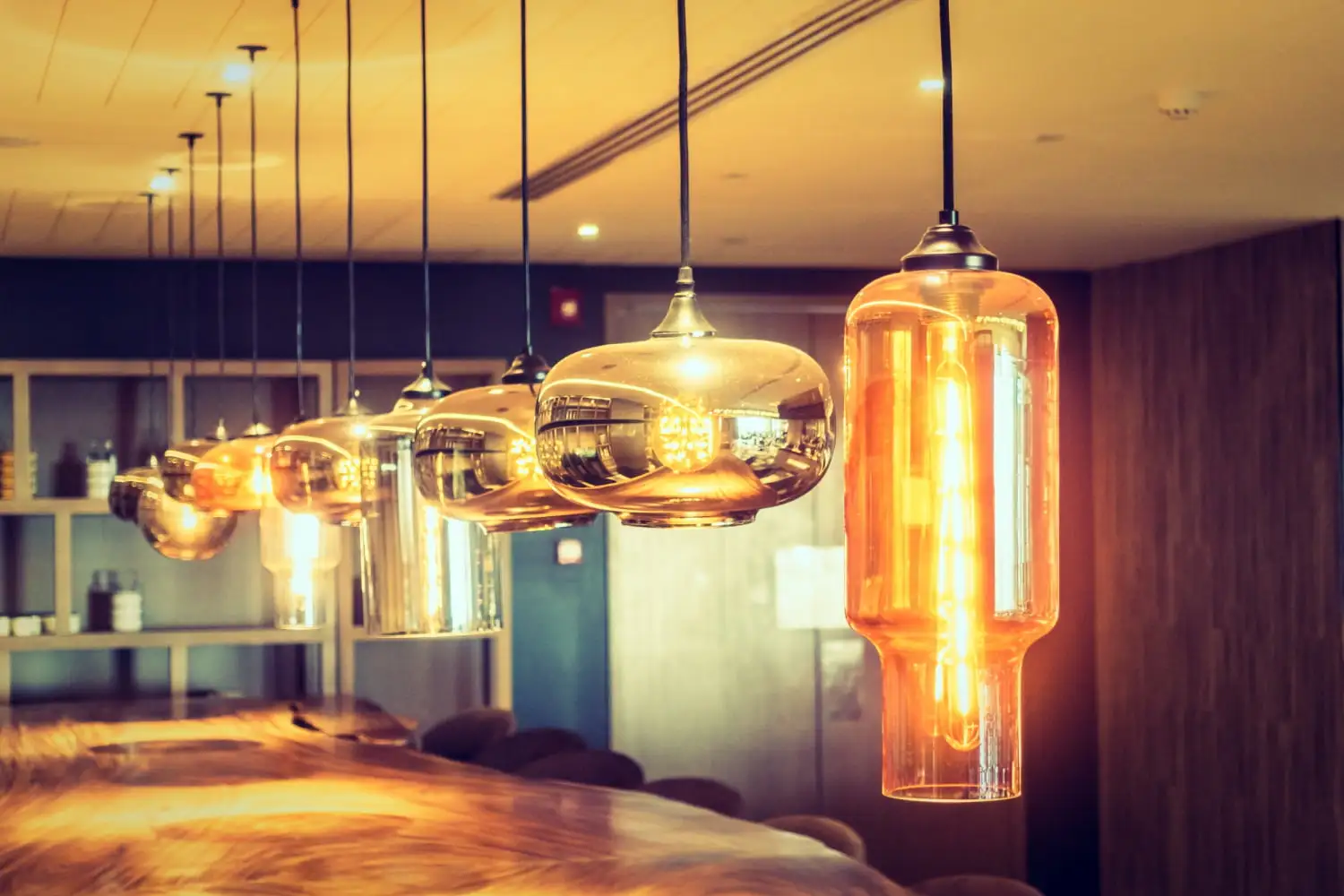
Over the bed lighting, typically referring to wall-mounted sconces or recessed downlights positioned above the bedhead in hospitality or residential settings, demands precise technical execution for both functionality and user comfort. At Beauty STC, our engineered solutions prioritize optical performance and reliability. System efficacy for these fixtures consistently achieves 100-120 lumens per watt, measured at the fixture level under real-world operating conditions. This accounts for all losses including driver efficiency, thermal management, and optical components, not merely bare LED chip performance. We utilize high-efficiency constant current drivers and optimized thermal pathways in our aluminum housings to maintain this efficacy throughout the rated lifespan, ensuring significant energy savings without compromising light output.
Critical to the application is exceptional color rendering, where Beauty STC fixtures strictly exceed the CRI >90 requirement. Our standard specification employs LEDs with a minimum CRI of 95, supported by strong R9 (saturated red) values above 90 and balanced R12 (blue) performance. This is achieved through proprietary phosphor blends in premium LED packages from tier-1 suppliers like Nichia or Samsung. We further validate performance using TM-30-15 metrics, ensuring fidelity index (Rf) exceeds 85 and gamut index (Rg) remains within the optimal 98-102 range for natural skin tones and fabric colors—essential for tasks like reading or applying cosmetics in bed.
Regarding IP ratings, over-bed lighting in standard dry interior environments (bedrooms, hotel rooms) typically requires only IP20 classification, protecting against finger contact and minimal solid ingress. Beauty STC fixtures meet IEC 60598-1 standards for indoor use with robust internal insulation and secure component mounting. However, for installations in proximity to potential moisture sources (e.g., en-suite bathrooms), we offer IP44-rated variants. These incorporate gasketed lens assemblies and conformal-coated drivers to resist water splashes from any direction, while maintaining thermal integrity through advanced heat sink designs that prevent condensation-related failures. Importantly, we avoid unnecessary over-engineering; adding IP65+ ratings would compromise thermal performance and lumen maintenance in dry locations, which we rigorously validate through ISTMT testing.
Beauty STC’s quality differentiation lies in our holistic engineering approach. Every over-bed fixture undergoes 100% photometric and electrical testing, with thermal validation ensuring junction temperatures remain below 75°C at 45°C ambient—critical for sustaining lumen maintenance (L90 > 50,000 hours per TM-21). Our drivers incorporate flicker-free operation (<5% SVM) and 0-10V/DALI dimming compatibility to 1%, meeting IEEE 1789 standards for visual comfort. Rigorous in-house accelerated life testing, including 2,000-hour LM-80 compliant thermal stress cycles and salt spray resistance for coastal installations, ensures reliability far beyond industry baselines. This commitment to validated performance, not just datasheet claims, is why Beauty STC solutions deliver consistent, high-fidelity illumination that enhances user experience while reducing long-term operational costs.
Factory Tour: Manufacturing Excellence

Beauty (STC) Manufacturing Co., Ltd.’s factory in Jiangmen, China, is a fully integrated LED lighting production facility strategically located in the Guangdong province, known for its strong manufacturing ecosystem and supply chain advantages. The Jiangmen plant serves as a key operational hub for the company, supporting both domestic and international markets with a focus on high-quality, innovative LED lighting solutions.
The factory is equipped with state-of-the-art SMT (Surface Mount Technology) production lines, which are essential for the precise and efficient assembly of LED circuit boards. These automated SMT machines ensure high-speed placement of components with excellent accuracy and consistency, enabling the production of compact, reliable, and high-performance lighting products. The use of advanced reflow soldering and automated optical inspection (AOI) systems further enhances product quality by minimizing defects and ensuring compliance with international standards.
To guarantee long-term reliability and performance, Beauty STC implements rigorous aging tests across its product lines. Finished lighting units undergo extended operational testing—typically 24 to 72 hours under controlled thermal and electrical conditions—to identify early failures and verify stability. This aging process is particularly critical for products like over-the-bed lighting, where consistent light output, color temperature accuracy, and thermal management are essential for user comfort and safety.
Beauty STC has strong OEM (Original Equipment Manufacturing) capabilities, particularly in the niche category of over-the-bed lighting. The company offers comprehensive customization services, including optical design, mechanical housing adaptation, driver configuration, branding, and packaging. Their engineering team works closely with clients to develop tailored lighting solutions that meet specific functional and aesthetic requirements—such as adjustable brightness, color temperature tuning, glare control, and low-heat emission—ideal for bedroom or hospitality environments. With in-house tooling, plastic injection molding, and full product lifecycle support, Beauty STC is well-equipped to manage low to high-volume OEM orders efficiently and with short lead times.
Overall, the Jiangmen factory reflects Beauty STC’s commitment to quality, innovation, and flexibility, making it a trusted partner for global brands seeking reliable and customized LED lighting solutions.
Application Scenarios
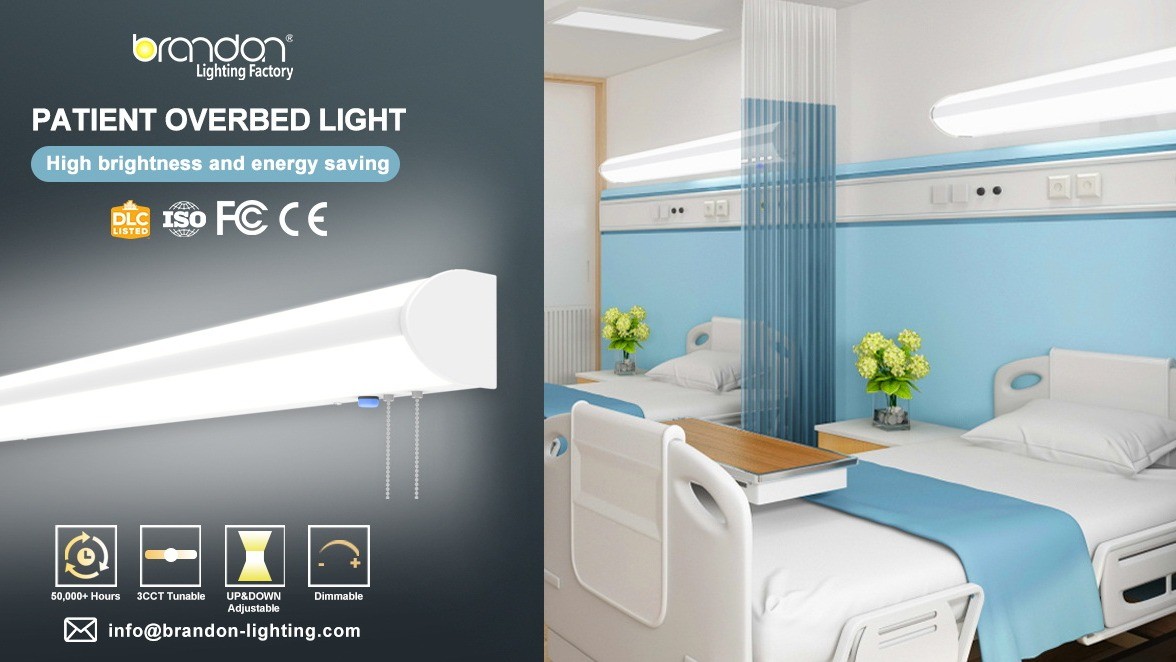
The term “over the bed lighting” specifically refers to fixtures installed directly above a bed, primarily for residential or hospitality sleeping environments. Its application is fundamentally tied to the presence of a bed as the central functional element. Therefore, its direct use is highly specific and does not translate meaningfully to malls or standard office environments where beds are not permanent, functional fixtures. Below is a precise breakdown by location and essential installation guidance.
Hotels represent the primary commercial application for over the bed lighting. In guest rooms, this lighting serves critical functions: providing focused task illumination for reading or relaxing in bed without disturbing a sleeping companion, contributing to ambient room ambiance, and enhancing the perceived quality of the space. Well-designed over bed lighting significantly impacts guest satisfaction by supporting rest and comfort. It is typically implemented as wall-mounted sconces flanking the headboard, integrated headboard lighting, or carefully positioned adjustable downlights or pendants. The key is avoiding direct glare onto the pillow while ensuring sufficient, shadow-minimized light for tasks. This lighting must be fully dimmable and integrated into the room’s overall lighting control system, often with bedside switches or touch panels for convenience. Using warm white color temperatures (2700K-3000K) is essential to maintain a restful atmosphere.
Malls do not utilize over the bed lighting. Public shopping environments lack permanent beds as functional elements within the space. While malls feature extensive overhead lighting, seating areas, or lounge zones, these require general ambient illumination, decorative pendant clusters over seating groupings, or integrated lighting within specific lounge furniture – not fixtures designated for a “bed.” Installing residential-style bed lighting in a mall would be functionally irrelevant, aesthetically inappropriate for the scale and purpose of the space, and potentially a safety hazard due to incorrect mounting heights or fixture types not rated for high-traffic commercial use. Lighting in mall seating areas should prioritize even ambient distribution, durability, easy maintenance access, and integration with the overall architectural scheme, not task lighting for a non-existent bed.
Offices similarly do not employ over the bed lighting. Standard workspaces are designed for productivity, not sleep. While some modern offices incorporate nap pods or dedicated rest rooms with sleeping facilities, these are highly specialized, isolated areas, not the general office floor. In standard workstations, the equivalent functional need is task lighting at the desk, achieved through adjustable desk lamps or suspended task lights over work surfaces, not fixtures positioned over a bed. Implementing bed-style lighting in an open office plan would be entirely unsuitable, creating visual clutter, potential glare on computer screens, and an unprofessional environment. Office lighting design focuses on uniform ambient illumination, glare control for visual tasks, individual task light adjustability, and meeting specific illuminance standards for productivity – none of which involve positioning lights over a bed.
Installation tips for over the bed lighting, applicable where relevant (primarily hotels), require careful attention. Mounting height is critical; fixtures like sconces should be positioned 30-42 inches above the top of the mattress to provide effective task light without causing glare when sitting upright. For downlights or pendants, precise aiming is necessary to illuminate the reading area without spilling light directly into the eyes or onto surfaces outside the bed zone. All wiring must comply with local electrical codes, and in hotels, fixtures should connect to the room’s dimming and occupancy sensing systems. Thermal management is vital, especially with LED fixtures in enclosed headboard applications; ensure adequate ventilation or use fixtures rated for enclosed spaces. Avoid placing fixtures directly in line with the pillow to prevent uncomfortable glare. Finally, select finishes and styles that align with the hotel’s brand and room aesthetic, prioritizing durability for frequent guest interaction and housekeeping. In commercial settings like malls and offices, lighting installation must adhere strictly to building codes regarding structural support, fire ratings, emergency lighting integration, and maintenance access – considerations fundamentally different from residential or hotel bed lighting scenarios.
Why Choose Beauty STC Lighting
Transform your bedroom lighting experience with innovative over-the-bed lighting solutions designed for comfort, style, and functionality. Partner with Beauty STC, a trusted leader in LED lighting manufacturing, to bring high-quality, energy-efficient lighting to your customers. Our expertise in custom design, superior craftsmanship, and reliable performance ensures your projects stand out. To learn more or discuss collaboration opportunities, contact us today at [email protected].
⚡ LED Power Supply Calculator
Estimate the power supply needed for your LED strip project.