

Article Contents
Industry Insight: Best Restaurant Lighting Design
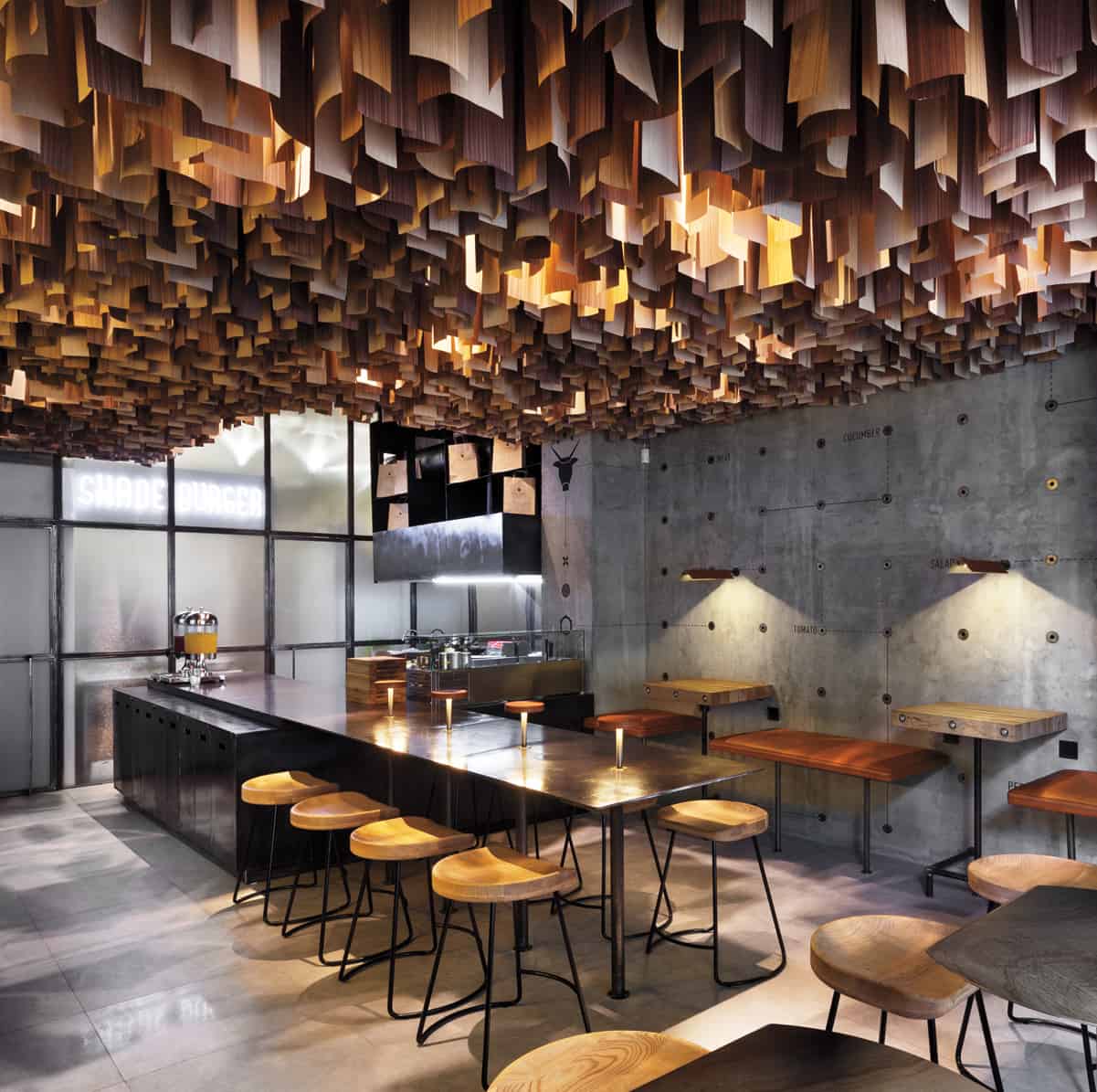
Achieving exceptional restaurant lighting design transcends mere aesthetics; it is a critical commercial engineering discipline directly impacting ambiance, guest experience, operational efficiency, and ultimately, the bottom line. In the demanding environment of foodservice, lighting must artfully balance mood creation with stringent functional requirements, including precise color rendering for food presentation, adaptable intensity for shifting service periods, and robust performance under constant use, high humidity, and airborne grease. This complex interplay demands purpose-built commercial and industrial grade LED solutions engineered specifically for hospitality’s unique challenges, far exceeding the capabilities of standard residential fixtures. Success hinges on fixtures that deliver consistent, high-quality illumination while meeting the uncompromising durability and safety standards mandated in public spaces.
The technical foundation of any professional restaurant lighting system rests on rigorous compliance with international safety and performance certifications, non-negotiable elements for commercial viability. ETL listing, verifying adherence to North American safety standards like UL 1598, and CE marking, confirming conformity with European health, safety, and environmental directives, are not optional extras but essential prerequisites. These certifications guarantee that luminaires operate safely within the demanding thermal and electrical conditions of a commercial kitchen and dining area, mitigating fire hazards and electrical risks, ensuring reliable performance under continuous operation, and providing operators with the confidence that their investment meets global regulatory requirements for public occupancy. Specifying fixtures lacking these verifications introduces significant liability and operational risk.
For over 25 years, Beauty STC Manufacturing Co., Ltd. (Est. 1998) has been at the forefront of developing and manufacturing high-performance commercial and industrial LED lighting solutions engineered precisely for environments like restaurants. We understand that superior restaurant lighting is an intricate science requiring deep expertise in optical design, thermal management, and regulatory compliance. Our commitment to excellence is embedded in every fixture we produce, consistently meeting and exceeding ETL, CE, and other critical global standards. Beauty STC leverages decades of specialized experience to provide the reliable, high-quality, and atmospherically sophisticated lighting systems that discerning restaurant operators and designers require to create memorable, profitable, and safe dining experiences.
Technical Specs & Certifications
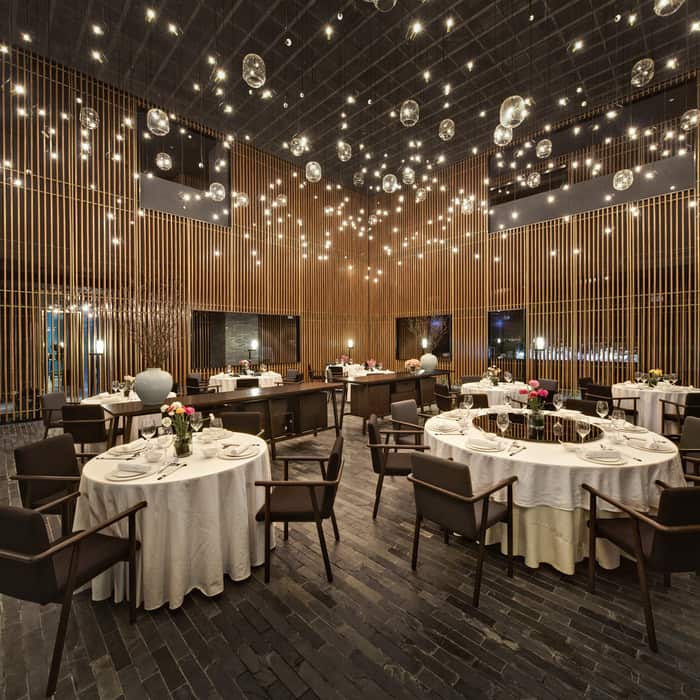
When designing the best restaurant lighting, achieving a balance between ambiance, functionality, and energy efficiency is essential. The technical specifications should prioritize high visual comfort, accurate color rendering, and durability—especially in demanding environments such as kitchens, dining areas, and outdoor patios.
Luminous efficacy, measured in lumens per watt (lm/W), is a critical factor in selecting energy-efficient lighting. For optimal restaurant lighting, fixtures should deliver a minimum of 100–130 lumens per watt. This range ensures sufficient brightness while minimizing energy consumption and operational costs. LED solutions from Beauty STC consistently exceed 110 lm/W in standard commercial products, combining high efficiency with long-term reliability.
Color Rendering Index (CRI) is paramount in restaurant settings where food presentation directly influences customer experience. A CRI greater than 90 is considered essential to render food colors naturally and vividly. Beauty STC’s premium LED luminaires are engineered with CRI values of 90–95, ensuring that meats appear rich, vegetables look fresh, and overall dining atmospheres feel warm and inviting. High CRI lighting also enhances skin tones, contributing to a more pleasant guest experience in both casual and fine dining environments.
Ingress Protection (IP) ratings determine a fixture’s resistance to dust and moisture, which is crucial for different zones within a restaurant. For general dining areas and lobbies, IP20-rated fixtures are typically sufficient. However, in kitchens, restrooms, and outdoor seating areas, higher protection is required. IP65-rated luminaires are recommended for kitchen hoods, prep stations, and outdoor canopies, offering complete dust protection and resistance to water jets. Beauty STC manufactures a full range of IP-rated fixtures, including IP65 and IP66 options designed for wet and high-humidity environments, ensuring safety and longevity.
Beauty STC’s commitment to quality is evident in every stage of production—from rigorous component selection to in-house photometric testing and thermal management design. Their LED fixtures are built with high-grade drivers, robust heat sinks, and optically engineered lenses to maintain consistent light output over extended periods. All products undergo stringent quality control, including aging tests and environmental simulations, ensuring reliability in commercial applications.
In summary, the best restaurant lighting design combines high efficacy (110+ lm/W), superior color rendering (CRI >90), and appropriate IP ratings (IP20 to IP65, depending on location). Beauty STC delivers on all fronts, offering durable, energy-efficient, and visually superior lighting solutions tailored for the demanding needs of modern hospitality environments.
Factory Tour: Manufacturing Excellence
Beauty STC operates its primary manufacturing facility in Jiangmen, Guangdong Province, a strategic location chosen for its robust infrastructure, skilled labor pool, and proximity to key component suppliers within the Pearl River Delta region. This modern factory is purpose-built for high-volume, precision LED lighting production, serving as the central hub for our global OEM and ODM operations. The facility integrates advanced automation with rigorous quality control systems to ensure consistency and reliability in every product shipped.
The Surface Mount Technology (SMT) production line forms the core of our electronics assembly capability. We utilize state-of-the-art Yamaha and Panasonic SMT machines, configured for high-speed placement of components down to the 0201 package size. This precision is essential for manufacturing the compact, high-density LED drivers and control circuits required in modern, slim-profile restaurant luminaires. The lines feature fully automated solder paste printing, component placement, and reflow soldering, all monitored in real-time by sophisticated Automated Optical Inspection (AOI) systems. This ensures near-zero defect rates in critical assemblies, a non-negotiable standard for the demanding thermal and electrical environments found in commercial kitchen and dining areas.
Aging and reliability testing are integral to our quality assurance protocol, particularly vital for restaurant lighting where fixtures endure prolonged operation, temperature fluctuations, and high ambient humidity. All finished luminaires undergo a minimum 72-hour continuous aging process under controlled load conditions that simulate real-world usage. This extended burn-in occurs within environmental chambers capable of cycling through temperature ranges from -20°C to +65°C and humidity levels up to 95% RH, replicating the stresses of kitchen exhaust zones or humid coastal dining environments. During aging, we monitor critical parameters including lumen maintenance, color shift (Δu’v’), thermal performance, and driver stability. Units failing any parameter are immediately quarantined for root cause analysis, ensuring only units demonstrating proven long-term reliability reach our customers. Post-aging, photometric testing in our integrating sphere validates final lumen output and chromaticity against design specifications.
Our OEM capability for restaurant lighting design is a key differentiator, built upon deep application expertise and flexible manufacturing. We partner closely with clients from the initial concept phase, offering full engineering support including custom optical design for precise beam control and glare reduction, thermal management solutions tailored to compact fixture housings, and robust driver architectures for stable performance under varying line voltages common in older restaurant buildings. The Jiangmen factory supports complete turnkey solutions: clients provide design intent or performance requirements, and we handle 3D mechanical modeling, thermal simulation, prototype validation, UL/DLC certification support, and volume production. We excel at integrating specialized features demanded by high-end restaurants, such as tunable white systems for ambiance control, IP65-rated fixtures for wet locations, and custom finishes to match specific interior aesthetics. This end-to-end capability, backed by the factory’s rigorous SMT assembly and comprehensive aging validation, ensures the final product not only meets but exceeds the demanding performance and quality expectations of the premium restaurant lighting market.
Application Scenarios
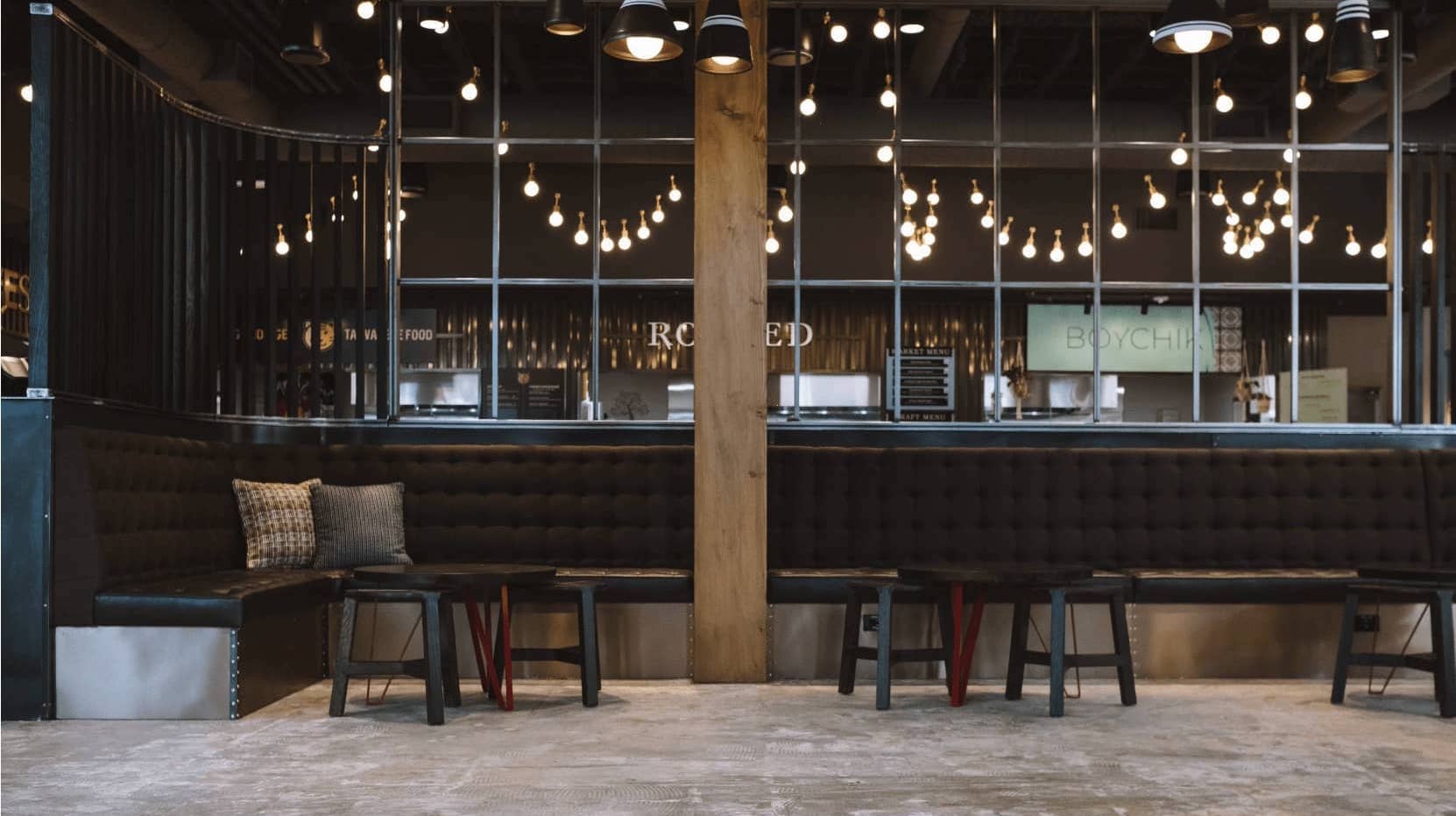
The term “best restaurant lighting design” specifically refers to lighting solutions tailored for dining environments to enhance ambiance, highlight food presentation, and create a comfortable guest experience. As such, it is most appropriately applied in restaurants, cafes, bistros, and similar food service establishments. While hotels, malls, and offices may incorporate dining areas, the concept of restaurant lighting design does not broadly apply to their general spaces.
In hotels, the best restaurant lighting design is relevant only in on-site dining venues such as fine dining restaurants, lounges, breakfast buffets, or rooftop bars. These areas benefit from layered lighting—combining ambient, task, and accent lighting—to set the desired mood. For instance, dimmable LED fixtures with warm color temperatures (2700K–3000K) help create an inviting atmosphere, while focused downlights or pendants over tables enhance food appearance.
Malls often house food courts and standalone eateries. Here, the best restaurant lighting design applies specifically within individual restaurant units rather than common mall walkways or retail zones. Each dining space should use lighting that reflects its brand identity—whether modern, rustic, or vibrant. Pendant lights above tables, illuminated menu boards, and under-counter lighting in counters or bars can all contribute to an effective design.
Offices are not suitable environments for restaurant lighting design unless they contain staff cafeterias or on-site dining lounges. In such cases, lighting should balance comfort and functionality—using warm ambient light for relaxation during breaks and brighter task lighting near serving counters.
Installation Tips:
Ensure proper light levels over dining tables—typically 50–100 lux for ambient lighting with higher intensity (100–200 lux) directly on tables to make food visually appealing. Position pendants or recessed lights approximately 30 to 36 inches above table height to avoid glare and provide focused illumination. Use dimmers to allow flexibility across different times of day and service types—brighter for lunch, softer for dinner. Select high CRI (Color Rendering Index) LED lights—preferably CRI 90+—to accurately render food colors. Avoid placing lights where they create reflections on glossy table surfaces or mirrors. Coordinate lighting layout with kitchen exhaust hoods, structural beams, and ventilation systems during planning to ensure even distribution and avoid shadows. Finally, always consider maintenance access—choose fixtures that are easy to clean and service without disrupting restaurant operations.
Why Choose Beauty STC Lighting
Transform your restaurant’s atmosphere with lighting that elevates every dining experience. As a Senior LED Lighting Engineer at Beauty STC Manufacturing Co., Ltd., I understand that exceptional restaurant lighting design goes far beyond basic illumination—it shapes ambiance, enhances food presentation, influences customer mood, and directly impacts your bottom line. Harsh or poorly designed lighting can ruin even the finest culinary offerings, while thoughtfully engineered solutions create warmth, focus attention on key areas, and encourage longer stays.
Beauty STC specializes in custom LED lighting systems engineered specifically for the hospitality industry. Our solutions integrate precise color rendering to make dishes look vibrant and appetizing, adjustable color temperatures to transition seamlessly from lunch to dinner service, and glare-free fixtures that ensure guest comfort without sacrificing aesthetic appeal. We prioritize energy efficiency without compromising quality, delivering systems that reduce operational costs while meeting stringent hospitality standards for durability and safety in demanding environments like kitchens and outdoor dining areas.
Partner with Beauty STC to move beyond generic lighting and implement a truly strategic design that aligns with your restaurant’s unique brand identity and functional needs. Our engineering team collaborates closely with designers and owners to develop tailored solutions—from statement pendant collections in dining rooms to subtle under-bar accents and functional task lighting in service areas—all backed by rigorous photometric planning and seamless dimming control. Contact our lighting solutions manager today at [email protected] to discuss how our expertise can transform your space and create an unforgettable atmosphere that keeps guests returning. Let us help you illuminate success.
⚡ LED Power Supply Calculator
Estimate the power supply needed for your LED strip project.