
Article Contents
Industry Insight: Direct Current Led Lighting
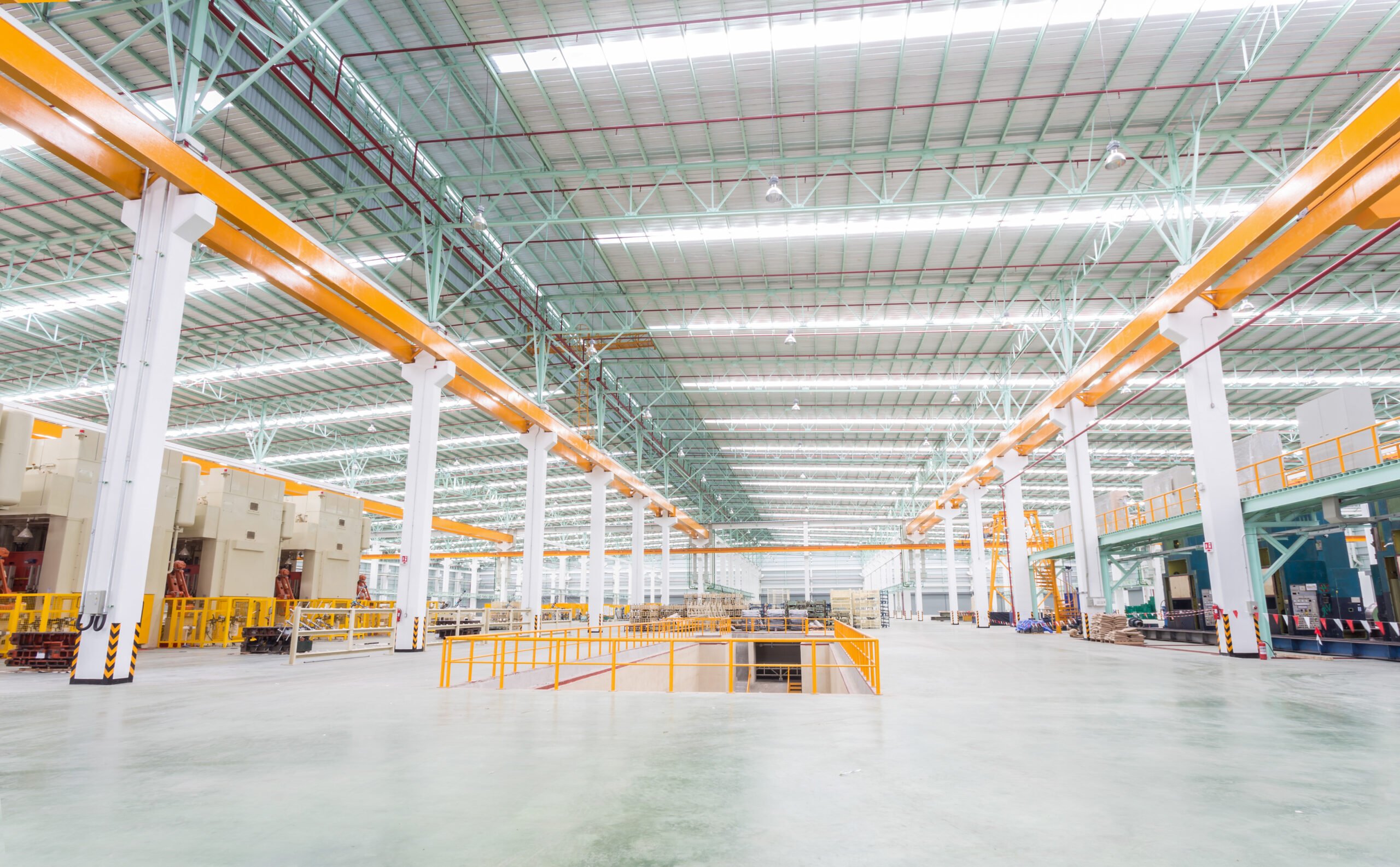
Direct current (DC) LED lighting is rapidly transforming the commercial and industrial lighting landscape, driven by the growing demand for energy efficiency, system reliability, and integration with renewable energy sources and smart building technologies. As facilities seek to reduce energy consumption and maintenance costs while improving lighting quality and control, DC-powered LED systems are emerging as a superior alternative to traditional alternating current (AC) solutions. These systems eliminate the need for AC-to-DC conversion within each fixture, reducing energy losses, heat generation, and component failure rates—critical advantages in high-utilization environments such as warehouses, manufacturing plants, cold storage facilities, and office buildings.
With increasing regulatory emphasis on safety and performance, compliance with international standards such as ETL and CE has become essential for market acceptance and code compliance in North America and Europe. These certifications ensure that DC LED lighting products meet rigorous requirements for electrical safety, electromagnetic compatibility, and operational reliability—giving facility managers and engineers confidence in their long-term performance.
Beauty (STC) Manufacturing Co., Ltd., established in 1998, has been at the forefront of LED lighting innovation for over two decades. Specializing in high-performance commercial and industrial lighting solutions, Beauty STC combines advanced optical design, robust thermal management, and strict quality control to deliver DC LED systems that meet the evolving needs of modern facilities. With ETL- and CE-certified products, the company continues to set benchmarks in efficiency, durability, and seamless integration with low-voltage power infrastructures, positioning itself as a trusted partner in the global transition to intelligent, sustainable lighting.
Technical Specs & Certifications
Direct current LED lighting systems operate on low-voltage DC power, typically 12V, 24V, or 48V, eliminating the need for individual AC-DC drivers within each fixture. This architecture inherently reduces energy conversion losses and eliminates flicker, contributing to higher system-level efficacy. At Beauty STC, our DC LED luminaires achieve a practical, real-world efficacy range of 180 to 200 lumens per watt at the system level, inclusive of all optical and thermal losses. This performance is sustained across common color temperatures (3000K to 5000K) under standard operating conditions (25°C ambient). It is critical to note that efficacy varies with thermal management; our fixtures utilize extruded aluminum heat sinks with optimized fin structures to maintain junction temperatures below 85°C, preventing the significant lumen depreciation and efficacy drop seen in poorly designed systems. Competitive specifications often quote bare LED chip efficacy under ideal lab conditions; Beauty STC publishes only full-system efficacy measured per IES LM-79 standards, ensuring transparency and reliability for specifiers.
Color Rendering Index (CRI) performance is paramount for applications demanding accurate color representation, such as retail, healthcare, and hospitality. All Beauty STC DC LED luminaires targeting high-fidelity color rendering exceed CRI Ra 90, with typical values ranging from Ra 92 to Ra 97. This is achieved through stringent LED binning using premium phosphor-converted diodes from tier-1 suppliers, specifically selected for high R9 (saturated red) and R12 (blue) values, which are critical for natural skin tones and material appearance. We avoid broad-spectrum LEDs that inflate average CRI while failing in specific color bands. Each production batch undergoes spectrophotometric verification per IES TM-30-15, ensuring fidelity index (Rf) exceeds 85 and gamut index (Rg) remains within the optimal 98-102 range, guaranteeing consistent, true-to-life color reproduction that meets or exceeds the CRI >90 requirement without compromise.
IP (Ingress Protection) ratings define environmental resilience, and Beauty STC designs DC LED fixtures to exacting standards for diverse deployment scenarios. For indoor commercial use, our standard is IP54, protecting against dust ingress and water splashes from any direction, suitable for offices, schools, and dry retail environments. For outdoor and demanding industrial applications, we offer IP65-rated luminaires as standard, featuring seamless polycarbonate lenses, marine-grade silicone gaskets, and corrosion-resistant housings, ensuring operation during heavy rain or hose-directed water jets. Critical installations requiring submersion resistance utilize our IP67 and IP68 variants, rigorously tested beyond minimum standards—IP67 fixtures withstand 30 minutes of submersion at 1 meter depth, while IP68 models endure continuous immersion at 1.5 meters for 72 hours. Beauty STC validates all IP claims through third-party testing per IEC 60529, including extended salt spray testing (96+ hours per ASTM B117) for coastal installations, ensuring long-term reliability where environmental stressors are present.
Beauty STC’s commitment to quality is embedded in every facet of our DC LED lighting systems. We implement a proprietary three-stage quality control process: incoming component inspection with spectral and thermal validation, in-process automated optical inspection during assembly, and final 24-hour burn-in testing under variable thermal loads. Our fixtures consistently achieve L90 lifetimes exceeding 50,000 hours at 25°C ambient, verified through IES LM-80 and TM-21 accelerated testing protocols. Unlike competitors, we provide full photometric reports with every project, detailing real-world lm/W, CRI, and chromaticity data under operational conditions. This engineering rigor, combined with ISO 9001-certified manufacturing and a 5-year comprehensive warranty covering both LED and driver components, establishes Beauty STC as the benchmark for dependable, high-performance DC LED lighting solutions where efficacy, color accuracy, and environmental resilience are non-negotiable.
Factory Tour: Manufacturing Excellence
Beauty (STC) Manufacturing Co., Ltd. operates a modern and well-equipped manufacturing facility in Jiangmen, Guangdong Province, strategically located within the Pearl River Delta region—a hub for electronics and lighting manufacturing in China. The Jiangmen factory is designed to support high-efficiency production of advanced LED lighting solutions, with a strong focus on quality, scalability, and innovation.
The facility is equipped with state-of-the-art Surface Mount Technology (SMT) production lines, which are critical for the precise assembly of LED components onto printed circuit boards (PCBs). These SMT machines ensure high-speed, automated placement of surface-mount devices with exceptional accuracy, enabling consistent product performance and reliability. The integration of automated optical inspection (AOI) systems further enhances quality control by detecting soldering defects and component misalignment in real time.
To ensure long-term product reliability, the Jiangmen factory implements comprehensive aging test procedures. Completed LED lighting units undergo rigorous burn-in tests under controlled environmental conditions, simulating extended operation at elevated temperatures and voltages. This process helps identify early-life failures and ensures that only units meeting stringent performance standards are released for shipment. Additional testing includes photometric analysis, thermal performance evaluation, and electrical safety checks.
Beauty STC has robust OEM (Original Equipment Manufacturing) capabilities, particularly in the field of direct current (DC) LED lighting systems. The company supports customized product development from concept to mass production, offering clients full design engineering, thermal and optical optimization, driver integration, and compliance certification services. Their expertise in DC LED lighting—known for higher efficiency, reduced flicker, and compatibility with renewable energy sources—positions them as a preferred partner for smart buildings, data centers, and low-voltage architectural lighting projects. With flexible production lines and a focus on innovation, Beauty STC’s Jiangmen facility delivers scalable OEM solutions tailored to global market requirements.
Application Scenarios
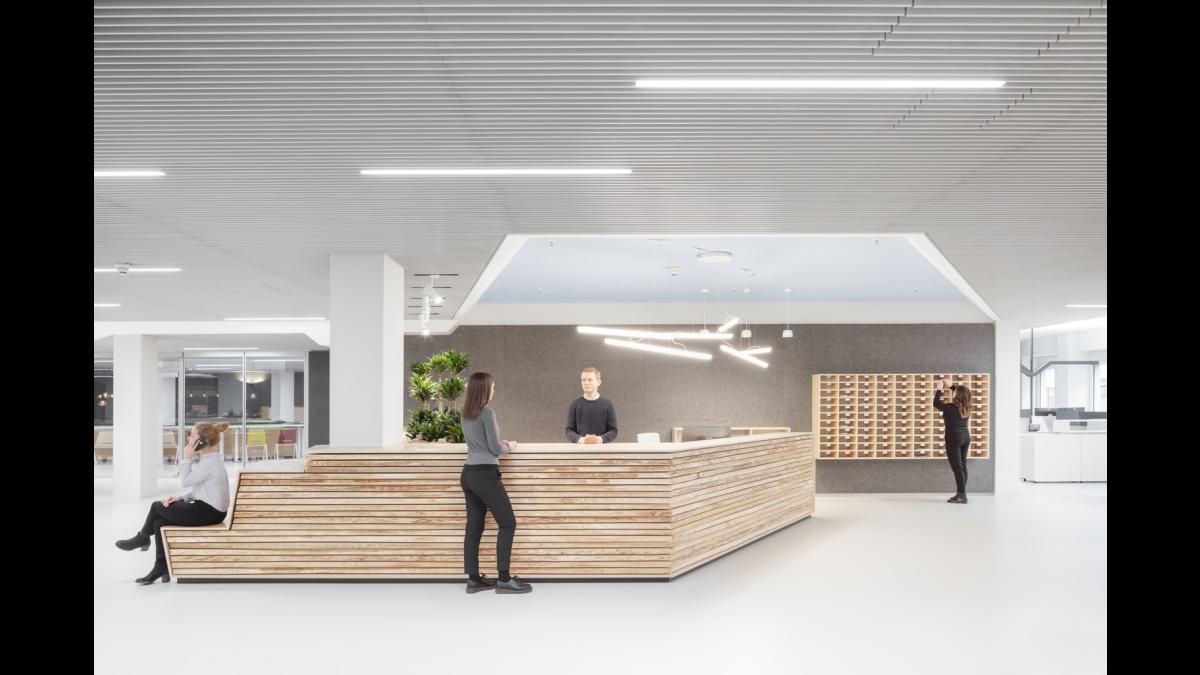
Direct current LED lighting systems, which operate on low-voltage DC power (typically 24V or 48V) instead of conventional AC mains, offer specific advantages in controlled commercial environments. However, it is critical to clarify that nearly all standard LED luminaires—even those marketed for general use—internally convert AC to DC via drivers. True DC lighting refers to installations where the entire electrical infrastructure delivers DC power directly to the fixtures, eliminating individual AC-DC conversions. This approach is niche and justified only where its benefits outweigh higher installation complexity and cost. Below is a targeted analysis for hotels, malls, and offices, followed by essential installation guidance.
In hotels, dedicated DC lighting is most viable in guest rooms and high-end suites where silent operation and precise dimming enhance guest experience. Standard AC-powered LEDs often produce audible coil whine from drivers during dimming, disrupting quiet environments. A centralized DC system—fed by a single high-efficiency rectifier—can power all room fixtures silently while integrating seamlessly with in-room automation for smooth 0-100% dimming. Avoid deploying DC in lobbies or corridors where ambient noise masks driver hum and AC infrastructure suffices. For luxury spas or wellness areas within hotels, DC systems also prevent electromagnetic interference that might affect sensitive wellness equipment.
Malls benefit selectively from DC lighting in high-value display zones such as jewelry counters, art galleries, or premium retail boutiques. Here, flicker-free illumination at consistent color temperature is critical for product presentation, and DC eliminates the minor voltage fluctuations inherent in AC-DC conversion that can cause imperceptible flicker under high-speed cameras or in slow-motion video. Large-scale DC microgrids may also suit malls with extensive solar integration, as DC systems avoid repeated AC-DC-AC conversions, improving overall energy efficiency by 5–10%. However, DC is impractical for general mall circulation areas due to voltage drop over long cable runs and the dominance of standardized AC fixtures in tenant build-outs.
Offices should consider DC lighting primarily for task-critical environments like executive boardrooms, design studios, or healthcare administration spaces where visual fatigue must be minimized. The stable DC current ensures zero flicker, reducing eye strain during prolonged screen use. Under-desk task lighting or specialized conference room fixtures also gain from DC’s compatibility with USB-C power delivery for integrated device charging. Do not implement DC across open-plan offices; the cost of rewiring and centralized rectifiers rarely justifies marginal gains over modern high-frequency AC-DC LED drivers, which already operate at flicker-free levels above 20 kHz.
Installation requires meticulous planning to mitigate DC-specific challenges. Voltage drop is the foremost concern: at 24V DC, even short cable runs suffer significant power loss if undersized. Always calculate conductor cross-sections using the formula (2 × circuit length × current) / (allowable voltage drop × conductivity), typically requiring 2.5 mm² or thicker copper for runs beyond 10 meters. Never repurpose existing AC conduits without verifying fill capacity, as DC often demands larger cables. Use only fixtures and drivers explicitly rated for the DC voltage—standard AC dimmers or surge protectors will fail catastrophically if connected. All DC components must carry third-party safety certification (e.g., UL 1310 for Class 2 circuits) to prevent fire hazards from sustained overloads. Crucially, label every DC junction box, conduit, and fixture with permanent “DC ONLY” markings in red text to avoid lethal AC cross-connections during maintenance. Finally, deploy the rectifier as close as possible to the load center to minimize cable costs, and include redundant rectifiers for critical zones to maintain lighting during failures.
Note that for 95% of hotel, mall, and office applications, modern AC-powered LED systems with high-quality constant-current drivers remain the optimal choice—offering simplicity, lower upfront cost, and compliance with standard electrical codes. DC infrastructure is a specialized solution best reserved for scenarios where its unique advantages directly address documented operational pain points, not as a blanket replacement for conventional LED installations. Always conduct a lifecycle cost analysis comparing rectifier expenses against projected energy savings before proceeding.
Why Choose Beauty STC Lighting
Discover the future of energy-efficient illumination with direct current LED lighting from Beauty STC. As a trusted leader in innovative lighting solutions, we specialize in DC-powered LED systems that deliver superior performance, reduced energy consumption, and extended lifespan. Partner with Beauty STC to access cutting-edge technology, custom design support, and reliable manufacturing excellence.
Whether you’re developing sustainable buildings, off-grid applications, or high-efficiency commercial spaces, our DC LED lighting solutions are engineered to meet the highest industry standards.
Take the next step toward smarter lighting innovation. Contact us today at [email protected] to discuss your project and discover how Beauty STC can power your vision with direct current LED technology.
⚡ LED Power Supply Calculator
Estimate the power supply needed for your LED strip project.