
Article Contents
Industry Insight: Individually Addressable Led
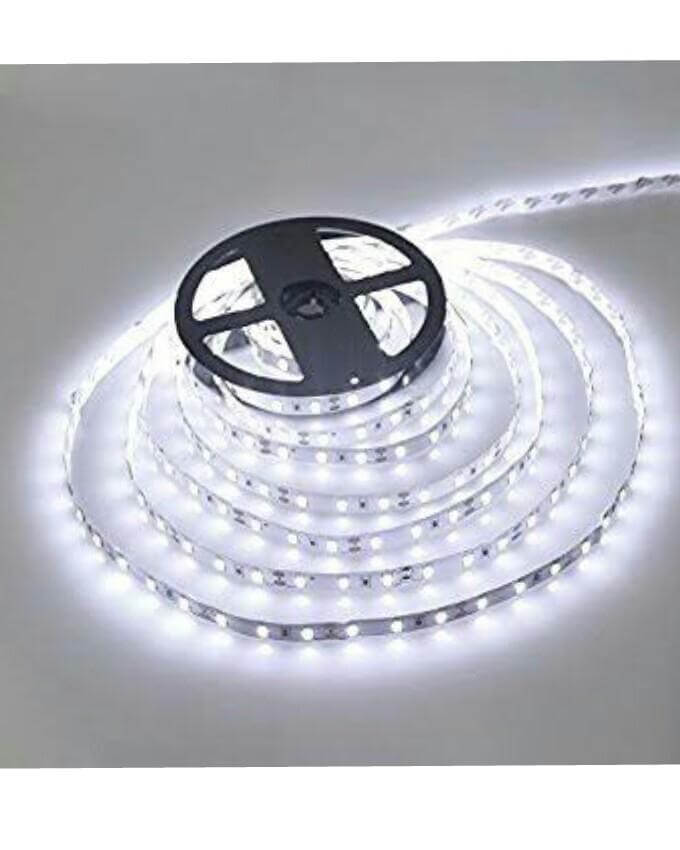
Individually addressable LED technology is transforming the landscape of commercial and industrial lighting by enabling unprecedented control, customization, and energy efficiency. Unlike traditional lighting systems, where fixtures operate uniformly, individually addressable LEDs allow each light source within a system to be controlled independently—opening the door to dynamic lighting scenarios, precise task lighting, and intelligent integration with building management systems. This level of granularity supports advanced applications such as warehouse zone lighting, retail accent displays, and adaptive industrial environments where lighting must respond in real time to operational needs.
As demand grows for smart, code-compliant solutions, certifications like ETL and CE have become essential markers of safety, reliability, and market readiness. These standards ensure that lighting systems meet rigorous electrical and environmental requirements, giving facility managers and specifiers confidence in performance and compliance across North American and international markets.
At the forefront of this innovation is Beauty (STC) Manufacturing Co., Ltd., a trusted name in LED lighting since 1998. With over two decades of engineering excellence, Beauty STC has consistently delivered high-performance, code-certified lighting solutions tailored to the evolving needs of commercial and industrial environments. Specializing in individually addressable LED systems, the company combines cutting-edge technology with robust quality assurance to provide scalable, energy-efficient lighting that meets the highest industry standards.
Technical Specs & Certifications
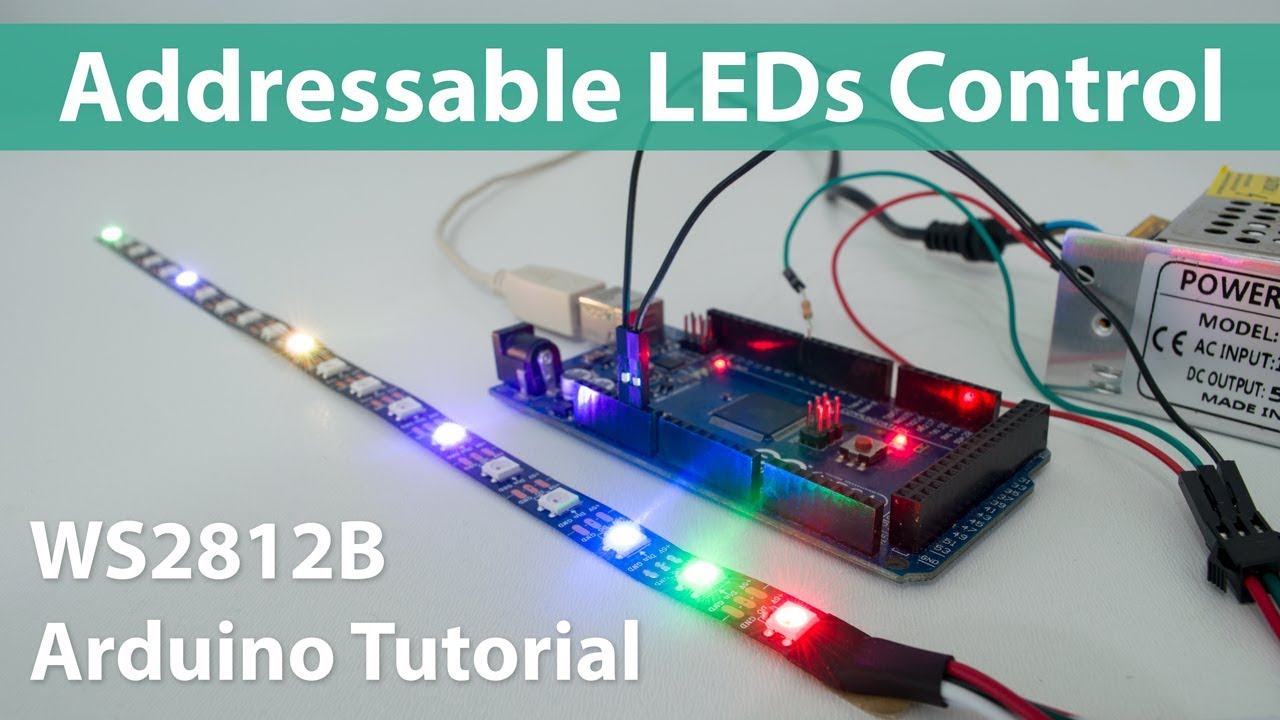
Individually addressable LED systems, such as those utilizing DMX512, DALI, or proprietary digital protocols like Beauty STC’s SmartLume™ platform, require precise technical specifications to ensure performance in demanding architectural and commercial applications. Lumens per watt (lm/W) efficiency for high-CRI addressable LEDs typically ranges from 120 to 140 lm/W at 25°C ambient under standard test conditions. This efficiency is achieved through advanced 2835 or 3535 SMD LED packages with optimized phosphor blends and constant-current drivers. Critical to maintaining this efficiency is thermal management; Beauty STC integrates multi-layer aluminum-core PCBs with thermal vias to limit junction temperature rise, preventing lumen depreciation. At elevated temperatures (e.g., 55°C ambient), system efficiency may derate by 8–12%, a factor rigorously modeled in our thermal simulations to ensure real-world output stability.
Color Rendering Index (CRI) exceeding 90 is non-negotiable for applications requiring true color fidelity, such as retail displays or healthcare environments. Beauty STC achieves CRI >92 (with R9 >50 for strong red rendering) using violet-pump LED chips combined with a tailored tri-phosphor or quad-phosphor formulation. This approach avoids the spectral gaps common in blue-pump high-CRI solutions. Each production batch undergoes spectroradiometric validation using Konica Minolta CS-2000A devices, ensuring consistency across MacAdam ellipse steps ≤3. Our QC process includes binning by chromaticity (within 0.003 Δuv) and lumen maintenance, guaranteeing uniformity in large-scale installations.
IP ratings for individually addressable systems must address the entire ecosystem—not just the LED strip but also connectors, controllers, and power supplies. Beauty STC’s addressable lines are rated IP67 as standard for flexible strips, with rigid modules achieving IP68. This is accomplished through triple-sealed silicone encapsulation (UL 94 V-0 rated) and proprietary gasketed connectors resistant to 500+ mating cycles. For submersion or harsh environments, our IP68-certified systems withstand 1.5m depth for 72+ hours, validated per IEC 60529 with extended salt-spray testing (ASTM B117) to prevent corrosion. Crucially, our IP certification covers the full operational voltage range, not just passive conditions.
Beauty STC’s commitment to quality is embedded in every layer of design and manufacturing. Our addressable LEDs undergo 100% automated optical testing, 100% binning for chromaticity and flux, and accelerated life testing per TM-21/LM-80 standards, projecting L70 lifetimes beyond 50,000 hours at 25°C. We enforce zero-defect solder joint policies via AOI/X-ray inspection and use only automotive-grade ICs for control stability. Unlike competitors, our systems integrate surge protection (6kV IEC 61000-4-5) and EMI shielding compliant with FCC Part 15B/CISPR 15. This holistic approach—validated by third-party labs like Intertek and UL—ensures reliability in critical installations where failure is not an option.
Factory Tour: Manufacturing Excellence
Beauty (STC) Manufacturing Co., Ltd.’s factory in Jiangmen, China, is a modern and well-equipped facility specializing in the production of high-quality LED lighting products. Strategically located in the Jiangmen high-tech industrial zone, the factory benefits from advanced infrastructure and streamlined logistics, supporting both domestic and international distribution.
The facility is outfitted with state-of-the-art Surface Mount Technology (SMT) production lines, enabling precise and efficient assembly of LED components onto printed circuit boards. The SMT machines used are high-speed, high-accuracy models capable of handling fine-pitch components and complex PCB designs. These automated lines ensure consistent soldering quality, minimal defects, and high throughput, which are essential for maintaining product reliability and meeting large-volume production demands.
To ensure long-term performance and durability, the factory conducts comprehensive aging tests on all LED products. Finished goods undergo extended burn-in periods—typically 24 to 72 hours—under controlled thermal and electrical conditions that simulate real-world operating environments. During these tests, parameters such as light output, color consistency, power consumption, and thermal behavior are monitored. Any units showing deviation are removed, ensuring only products that meet strict quality standards are shipped to customers.
Beauty STC has strong OEM capabilities, particularly in the area of individually addressable LED products. The company can customize strip lights, modules, and fixtures featuring individually addressable LEDs such as those based on the popular WS2812B, SK6812, or similar IC-integrated LED types. This allows for dynamic color control, pixel-level animation, and integration with various control systems including DMX, SPI, TTL, or wireless platforms like Wi-Fi and Bluetooth. The factory supports full turnkey solutions—from PCB design and firmware programming to custom labeling, packaging, and branding—enabling clients to bring unique, market-ready products to consumers efficiently.
Overall, the Jiangmen factory reflects Beauty STC’s commitment to innovation, quality, and flexibility, making it a reliable partner for OEM and ODM projects in the advanced LED lighting sector.
Application Scenarios
Individually addressable LED systems, where each diode can be controlled for color, brightness, and animation independently, offer unique design flexibility beyond standard static or zone-controlled lighting. Their application in commercial spaces like hotels, malls, and offices should prioritize purpose-driven implementation to avoid visual clutter while enhancing user experience, brand identity, or functionality. Below is a breakdown of strategic use cases and critical installation considerations based on real-world project experience.
In hotel environments, focus on high-impact guest experience zones where dynamic lighting creates memorable moments without disrupting comfort. The lobby reception desk benefits significantly, allowing the surface or integrated cove lighting to shift colors for welcome messages, special occasions, or seamless transitions from daytime to evening ambiance. Feature walls in lounges or event spaces leverage addressable LEDs to display custom patterns, hotel branding, or calming animations that replace physical art, offering reconfigurability for different functions. Elevator lobbies can utilize subtle vertical strips to indicate floor arrivals or provide gentle directional cues. Avoid guest rooms for dynamic effects; instead, use static white-tunable addressable strips in coves for circadian lighting, as full RGB control often overwhelms guests seeking rest. Critical here is ensuring animations are slow and minimal—rapid changes feel commercial, not luxurious.
Malls present opportunities for bold visual engagement where foot traffic and dwell time are high. Feature ceilings in central atriums or food courts can transform with animated cloud effects, seasonal themes, or synchronized light shows during holidays, directly influencing shopper mood and social media sharing. Digital signage integration is highly effective; addressable LED borders around static signs pulse or highlight promotions, while entire facade elements become programmable billboards for tenant branding. Wayfinding also gains sophistication—pathway markers or column wraps can guide patrons to sales or events via color flow animations. However, prioritize brightness and IP ratings; mall environments demand high-lumen output to compete with daylight and IP65+ protection against cleaning chemicals and humidity. Avoid overuse in corridors, where excessive motion causes visual fatigue and distracts from retail displays.
Office applications require restraint to support productivity and well-being. Use addressable LEDs primarily in collaborative zones: feature walls in brainstorming rooms can shift to energizing colors during sessions or calming tones for focus, while perimeter coves in huddle spaces provide non-intrusive occupancy indicators via color changes. Executive lobbies benefit from subtle animated logos or data-driven visualizations (e.g., real-time energy usage). Never deploy dynamic effects in standard workstations—flicker or color shifts cause eye strain and reduce concentration. Instead, implement white-only addressable systems calibrated for circadian rhythm support, gradually adjusting CCT from 6500K in mornings to 3000K by evening. The key is prioritizing human-centric lighting over spectacle; motion-triggered animations near printers or breakrooms can also reduce noise complaints by signaling machine status visually.
Installation demands meticulous planning to ensure reliability and performance. Power injection is non-negotiable—calculate voltage drop meticulously and inject power every 5 meters for 5V systems or 10 meters for 12V, using dedicated 18AWG conductors back to a centralized, oversized power supply with 20% headroom. Data line integrity is equally critical; terminate all lines with 100-ohm resistors at the first LED, avoid sharp bends in data cables, and never exceed 1024 pixels per controller channel without signal amplifiers. Thermal management often gets overlooked; embed strips in aluminum channels with thermal tape even in low-heat areas, as cumulative heat degrades color consistency and lifespan. Always test segments on a workbench before mounting—verify data direction, polarity, and firmware compatibility. Finally, label every controller channel and power feed at both ends; this saves hours during troubleshooting in complex installations. Remember, professional-grade controllers with Art-Net or sACN support are essential for scalability in these environments; consumer-grade solutions fail under commercial demand.
Why Choose Beauty STC Lighting
Discover the future of dynamic lighting with individually addressable LED solutions from Beauty (STC) Manufacturing Co., Ltd. Elevate your projects with precise control, vibrant color rendering, and seamless integration. Partner with Beauty STC to bring your creative lighting visions to life. For collaboration opportunities and expert support, contact us at [email protected].
⚡ LED Power Supply Calculator
Estimate the power supply needed for your LED strip project.