
Article Contents
Industry Insight: Museum Lighting
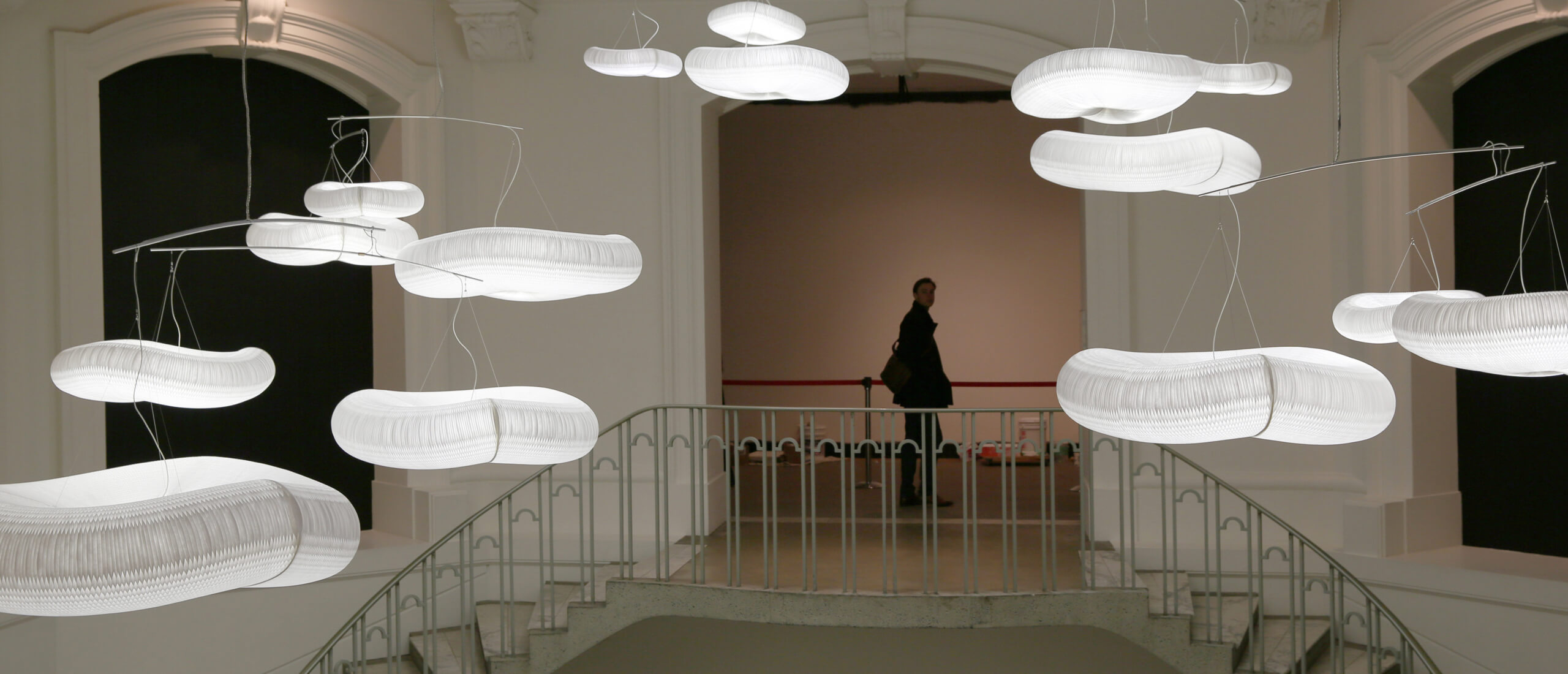
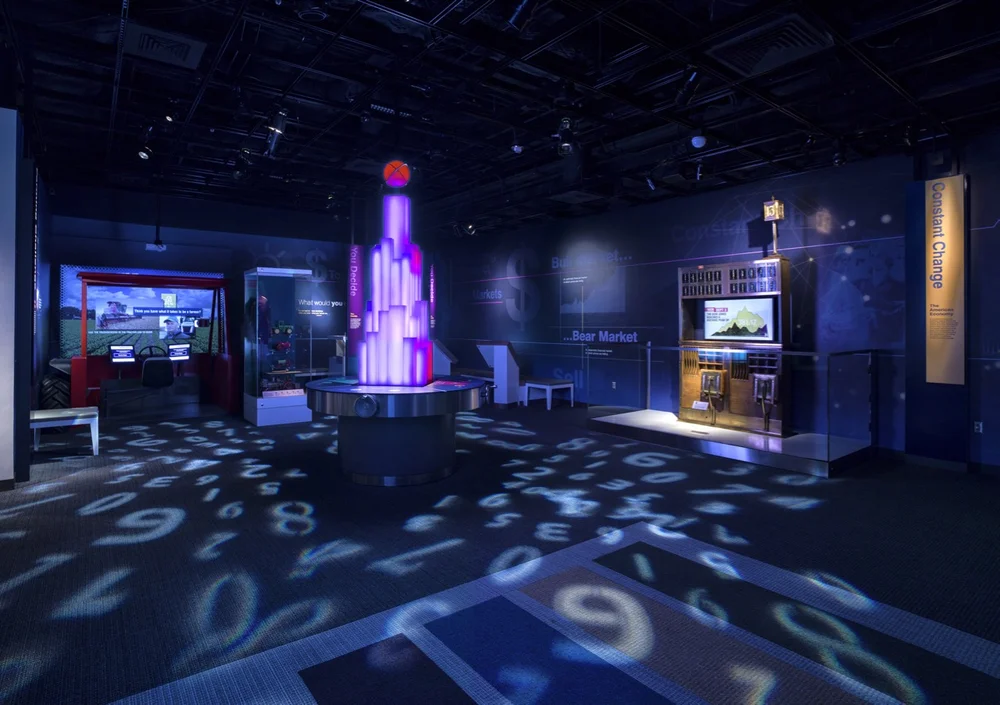
Museum lighting represents a specialized niche within the commercial and industrial lighting sector, where precision, color accuracy, and conservation-grade performance are paramount. Unlike standard architectural or retail lighting, museum applications demand lighting solutions that not only enhance the visual experience of artwork and artifacts but also protect sensitive materials from harmful UV and IR radiation. As cultural institutions increasingly prioritize energy efficiency, controllability, and long-term sustainability, the demand for high-performance LED lighting systems with precise beam control, high CRI, and dimming capabilities continues to grow. In this context, compliance with international safety and performance standards such as ETL and CE becomes critical, ensuring that lighting fixtures meet rigorous electrical, thermal, and optical requirements for deployment in public and climate-controlled environments.
Beauty (STC) Manufacturing Co., Ltd., established in 1998, has emerged as a trusted innovator in the commercial and industrial LED lighting space. With over two decades of engineering expertise, Beauty STC specializes in designing and manufacturing precision lighting solutions tailored for demanding applications—including museums, galleries, and heritage sites. Our fixtures are engineered to meet ETL and CE certifications, reflecting our commitment to safety, reliability, and global market compatibility. By combining advanced optical design with robust thermal management and sustainable materials, Beauty STC delivers lighting systems that preserve cultural treasures while elevating the viewer’s experience.
Technical Specs & Certifications
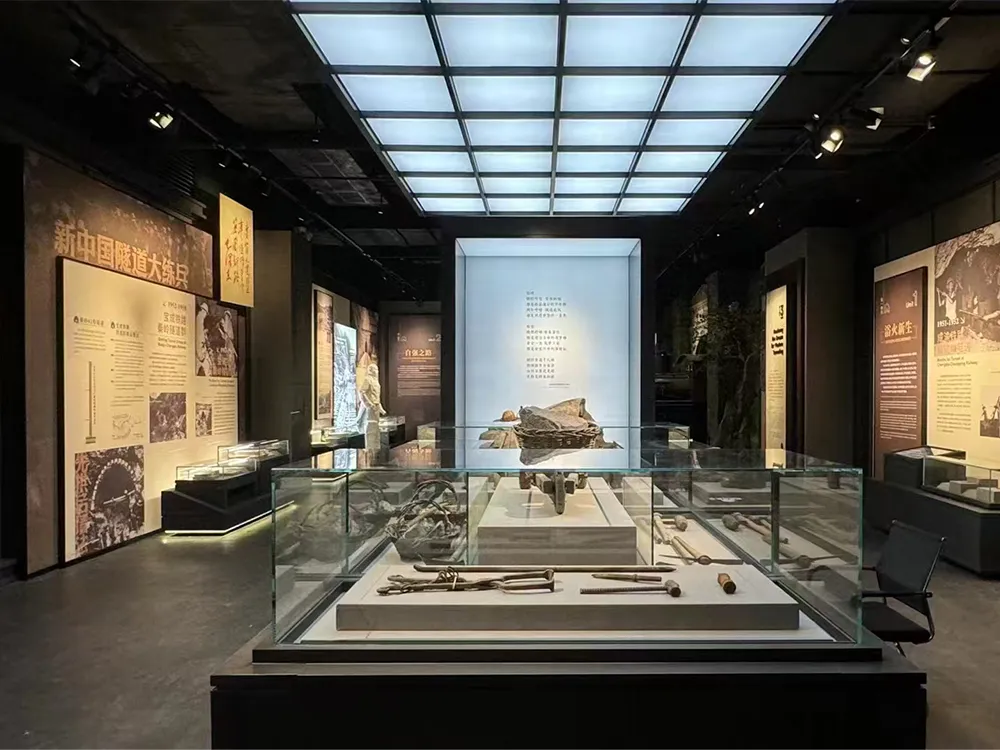
Museum lighting demands exceptional precision to balance illumination quality with artifact preservation. Unlike general lighting, conservation requirements dictate stringent technical parameters where efficiency must never compromise spectral fidelity or controllability. Lumens per watt (lm/W) remains a consideration for operational cost and thermal management, but it is secondary to color accuracy. High-performance museum-grade LED fixtures typically achieve 80-100 lm/W at the system level. This range represents the optimal trade-off; pushing significantly beyond 100 lm/W often necessitates spectral compromises that degrade color rendering, particularly in the critical red and blue regions essential for accurate artifact representation. Fixture efficiency must be evaluated at the actual operating current and thermal conditions, not just peak laboratory values, to ensure sustained performance.
Color Rendering Index (CRI) is non-negotiable, with a minimum requirement of Ra > 90 across the visible spectrum. However, true museum-grade lighting exceeds this baseline. Beauty STC specifies Ra ≥ 95 as standard for its museum portfolio, coupled with strong individual values for R9 (saturated red, ideally >90) and R12 (saturated blue, >80), which are frequently poor in lower-tier LEDs. We further implement TM-30-19 metrics (Rf and Rg) to provide a more comprehensive assessment of color fidelity and gamut, ensuring subtle tonal variations in paintings, textiles, and historical materials are rendered authentically without saturation bias. This level of spectral engineering prevents metamerism and protects against misinterpretation of artifact colors. Our proprietary phosphor blends and rigorous LED binning processes guarantee consistent, high-fidelity light output across all fixtures in an installation.
IP ratings for museum luminaires are primarily concerned with indoor environmental control rather than water ingress. IP20 is standard for most gallery and display applications, as the controlled, low-dust, low-humidity environment negates the need for higher ingress protection which could impede thermal management or optical clarity. However, Beauty STC designs fixtures with sealed optical compartments meeting IP54 for specific scenarios, such as lighting within enclosed display cases prone to minor condensation or in high-humidity storage vaults where particulate control is critical. The focus is on robust internal sealing against dust infiltration over decades of operation, not external water resistance, ensuring long-term lumen maintenance and preventing internal contamination that could scatter light or damage optics.
Beauty STC’s commitment to museum lighting quality is embedded in every engineering phase. Our fixtures undergo accelerated lifetime testing far exceeding IES LM-80 standards, with thermal management systems designed to maintain junction temperatures below 65°C even in enclosed track systems, ensuring lumen maintenance (L90) beyond 100,000 hours. Precision-machined aluminum heatsinks and aerospace-grade thermal interface materials prevent color shift (Δu’v’ < 0.003 over life). Optical components utilize multi-layer anti-reflective coated tempered glass or acrylic, minimizing glare and UV/IR emission to levels well below conservation thresholds (UV < 10 µW/lm, IR negligible). Each fixture is spectrally binned to stringent tolerances (within MacAdam 2-3 steps) and individually calibrated for dimming performance down to 0.1% without flicker, meeting the most demanding curatorial requirements. This holistic approach to engineering, from semiconductor selection to thermal dynamics and optical control, ensures Beauty STC luminaires deliver the reliability, accuracy, and longevity demanded by cultural institutions worldwide. The true measure of quality is not just meeting specs, but providing light that reveals an artifact’s true essence while safeguarding it for future generations.
Factory Tour: Manufacturing Excellence
Beauty (STC) Manufacturing Co., Ltd.’s factory in Jiangmen, Guangdong Province, is a modern, vertically integrated manufacturing facility specializing in high-performance LED lighting solutions. Strategically located in the Pearl River Delta region, the Jiangmen factory benefits from excellent logistics infrastructure and proximity to key component suppliers, enabling efficient production and rapid time-to-market.
At the core of the factory’s production capabilities are advanced SMT (Surface Mount Technology) lines equipped with high-speed, precision placement machines from leading global brands. These SMT systems ensure accurate mounting of LED components and electronic parts onto PCBs, supporting both high-volume production and small-batch customization with consistent quality. The lines are monitored through automated optical inspection (AOI) systems to guarantee solder joint integrity and component alignment, minimizing defects and ensuring reliability.
A critical aspect of the factory’s quality assurance process is its comprehensive aging and reliability testing facility. Completed lighting units undergo rigorous aging tests under elevated temperatures and continuous operation—typically 48 to 72 hours—to identify early failures and validate long-term performance. In addition to aging, the factory conducts photometric testing, thermal imaging, IP rating verification, and surge protection tests, ensuring that all products meet international standards such as IEC, UL, and CE.
Beauty STC has strong OEM capabilities, particularly in the specialized field of museum lighting. The company works closely with designers, architects, and institutions to develop custom luminaires that meet the exacting demands of museum environments—where precise color rendering (CRI >95, TM-30), spectral control, dimming performance, and minimal UV/IR emission are essential. The OEM process includes optical design, thermal management engineering, custom finishes, and integration with smart control systems such as DALI or 0-10V. The factory supports full project lifecycle management from prototyping and certification to large-scale production and after-sales support.
With its advanced manufacturing infrastructure, stringent quality controls, and deep expertise in high-end architectural and museum-grade LED lighting, the Jiangmen factory positions Beauty STC as a trusted partner for premium lighting solutions worldwide.
Application Scenarios
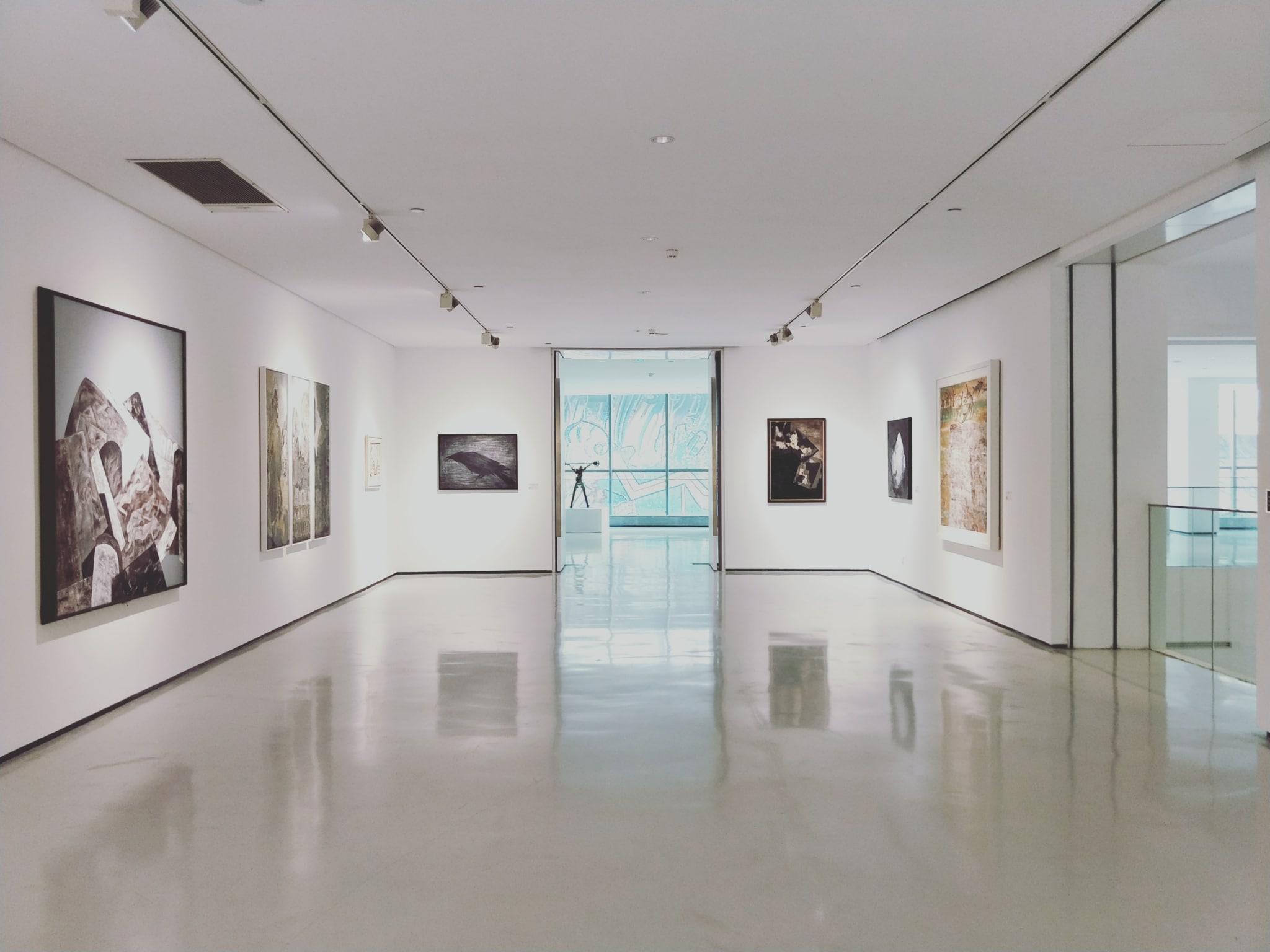
Museum lighting refers to specialized illumination designed for precise color rendering, controlled light levels, and minimal damage to sensitive artifacts. While its primary application is cultural institutions, the principles and fixtures can be strategically applied in high-end commercial spaces where premium visual presentation and artifact preservation are priorities. However, it is not universally appropriate for all areas within hotels, malls, or offices.
In hotels, museum lighting is best reserved for specific high-value zones. Lobbies featuring curated art collections, historical photographs, or cultural displays benefit significantly from high-CRI (95+), dimmable LED track or spotlighting to accurately reveal artwork details without harmful UV/IR radiation. Luxury suites or presidential suites showcasing original paintings or sculptures also warrant this approach to elevate perceived value and protect investments. Avoid using museum-grade specifications in guest rooms, corridors, or restaurants where general ambient lighting suffices, as the cost and over-engineering would be unjustified. Installation requires precise fixture aiming to avoid glare on glass-covered pieces and maintaining illuminance below 50 lux for light-sensitive materials, with thermal management ensuring fixtures do not emit heat onto artworks.
Malls should deploy museum lighting selectively in luxury retail boutiques—particularly jewelry, watch, or high-fashion stores—where accurate color representation and sparkle are critical for product appeal. Flagship stores often feature temporary art installations or heritage displays that similarly demand high-CRI, low-UV lighting. Central atriums hosting pop-up art exhibitions during seasonal events are another valid application. Standard mall corridors, food courts, or value-brand stores do not require this level of specification due to cost inefficiency and excessive maintenance demands. During installation, ensure fixtures are adjustable for frequent merchandise changes, incorporate anti-glare louvers to prevent reflections on glass display cases, and verify uniform illuminance across featured items without hotspots.
Offices rarely need true museum lighting except in executive boardrooms displaying corporate art collections, heritage documents in glass cases, or high-stakes design studios where color-critical work occurs. Standard workspaces, meeting rooms, or open offices prioritize visual comfort and energy efficiency over archival-grade illumination; using museum specifications here would be impractical and costly. If implemented, installation must include strict shielding to prevent direct light on glossy surfaces, integration with daylight harvesting to maintain consistent lux levels, and rigorous thermal testing to avoid heat buildup in enclosed display cabinets. Crucially, avoid placing such fixtures near standard office task lighting to prevent conflicting color temperatures.
Key installation tips apply universally: Always prioritize thermal management—use fixtures with passive heatsinks rated for enclosed spaces to prevent lumen depreciation. Verify beam angles match the display size to eliminate spill light, and physically shield fixtures to block direct view of LEDs. Conduct on-site spectral analysis to confirm UV/IR filtration, especially near organic materials. Finally, collaborate with curators or designers to establish lux limits per material type, using handheld meters during commissioning to validate compliance. Misapplying museum lighting outside these contexts wastes resources and may create visual discomfort where general illumination is sufficient.
Why Choose Beauty STC Lighting
Transform your museum spaces with precision lighting solutions designed to enhance art, preserve artifacts, and create captivating visitor experiences. Partner with Beauty STC, a trusted leader in high-quality LED lighting for cultural and museum environments. Our tailored lighting systems combine optimal color rendering, precise beam control, and energy efficiency to meet the exacting standards of museum curators and designers.
Connect with our lighting experts today to discuss your project needs. Email us at [email protected] and discover how Beauty STC can illuminate your museum with excellence and innovation.
⚡ LED Power Supply Calculator
Estimate the power supply needed for your LED strip project.