Article Contents
Industry Insight: Tunnel Lighting
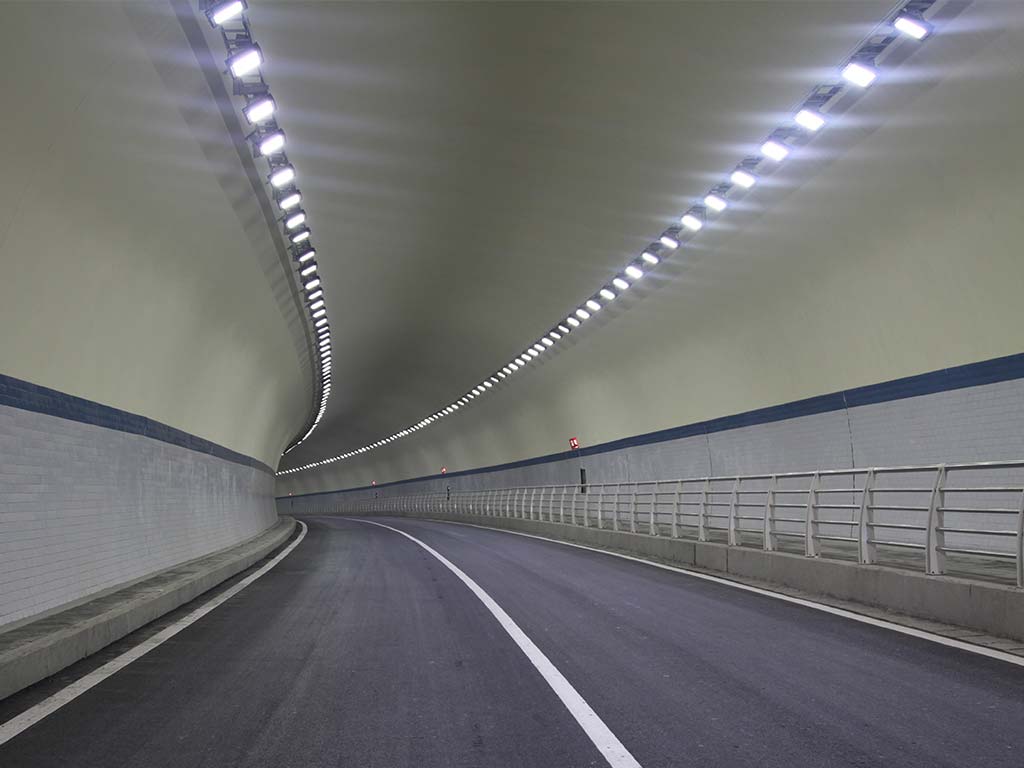
Tunnel lighting represents a critical component of commercial and industrial infrastructure, ensuring safety, visibility, and operational efficiency in demanding environments such as road tunnels, rail systems, and underground transit networks. As urbanization accelerates and transportation networks expand, the demand for reliable, high-performance lighting solutions has never been greater. In this sector, compliance with international safety and quality standards is non-negotiable. Products must meet rigorous certifications such as ETL and CE, which validate electrical safety, electromagnetic compatibility, and environmental resilience—key considerations for lighting systems operating in enclosed, high-traffic, and often harsh conditions.
Beauty (STC) Manufacturing Co., Ltd., established in 1998, has emerged as a trusted name in commercial and industrial LED lighting, with a strong focus on innovation, durability, and regulatory compliance. With over two decades of expertise, Beauty STC specializes in engineered lighting solutions designed to meet the exacting demands of tunnel and infrastructure projects worldwide. By integrating advanced thermal management, optical control, and robust construction, their tunnel lighting systems deliver long-term performance while adhering to ETL and CE standards, ensuring peace of mind for engineers, contractors, and municipalities alike.
Technical Specs & Certifications
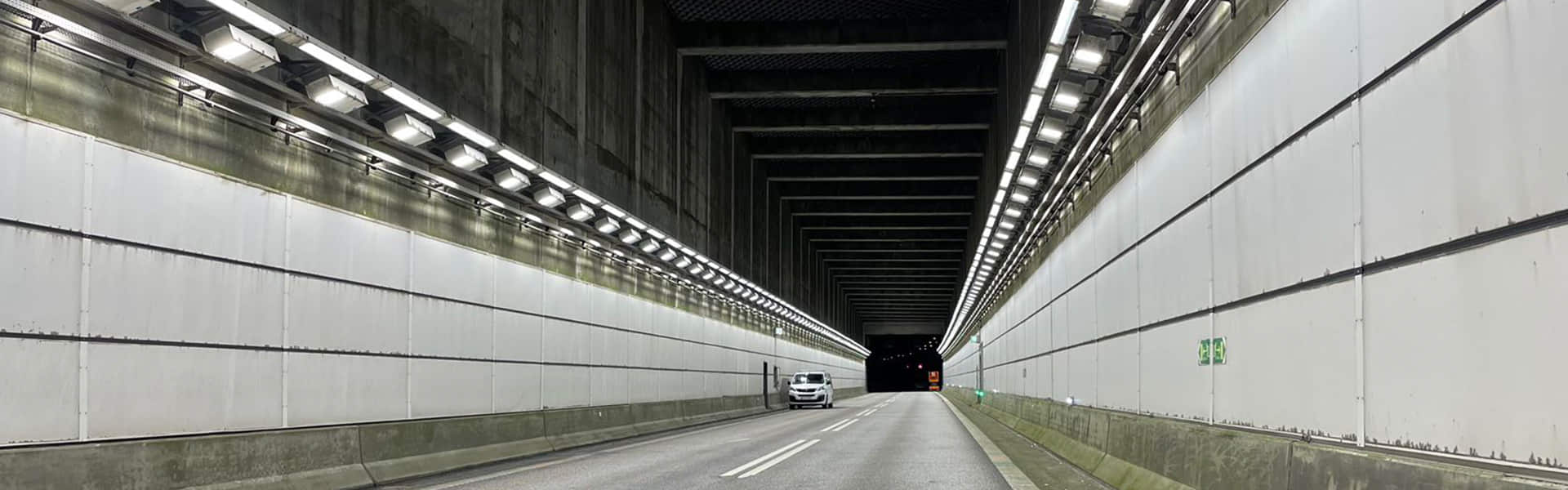
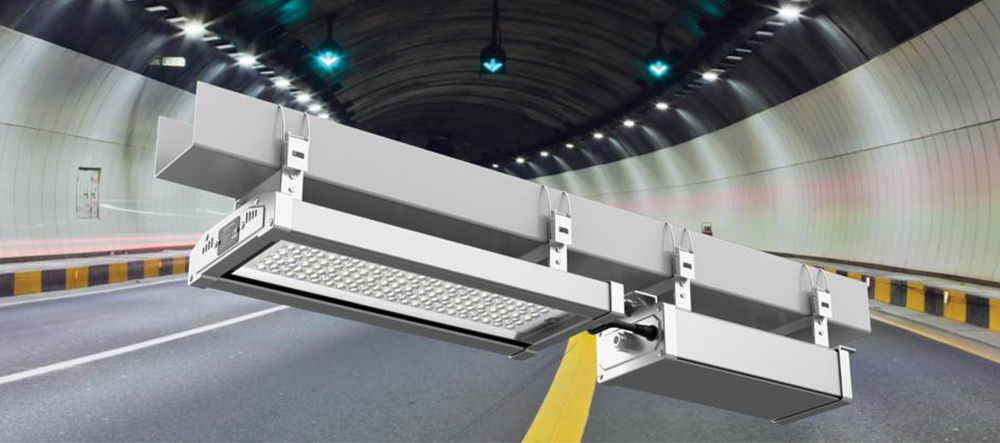
Tunnel lighting presents unique engineering challenges requiring robust performance specifications to ensure safety, efficiency, and longevity in demanding underground environments. At Beauty STC Manufacturing Co., Ltd., our tunnel luminaires are engineered to exceed international standards, with particular emphasis on three critical parameters: luminous efficacy, color rendering, and environmental protection.
Luminous efficacy is paramount for tunnel applications due to the significant operational energy costs over the fixture’s lifespan. Beauty STC tunnel luminaires achieve a real-world efficacy range of 130 to 180 lumens per watt, depending on correlated color temperature (CCT) and optical configuration. This performance is realized through high-efficiency, thermally optimized LED modules coupled with precision secondary optics that minimize light loss. Crucially, our efficacy ratings reflect sustained output under continuous operation at elevated ambient temperatures (up to 55°C), not just ideal laboratory conditions. Our proprietary thermal management system, featuring extruded aluminum heat sinks with optimized fin geometry and direct thermal paths from the LED junction, prevents lumen depreciation and maintains efficacy over time, directly reducing total cost of ownership for infrastructure operators.
Color rendering index (CRI) is non-negotiable for tunnel safety, as accurate color discrimination is essential for driver perception of hazards, road markings, and emergency signage. Beauty STC mandates a minimum CRI of Ra 92 across our tunnel lighting portfolio, with R9 (saturated red) values consistently exceeding 50. This exceeds the CRI >90 requirement specified in CIE 115 and EN 13201 standards for critical tunnel zones. Achieving this high fidelity requires specialized phosphor blends and stringent binning of LED chips during manufacturing. We validate CRI performance using calibrated spectroradiometers under operational current and thermal conditions, not just at test current, ensuring the specified color quality is maintained throughout the product’s operational life.
Environmental protection is critical given the harsh conditions in tunnels, including high humidity, condensation, chemical exposure from vehicle exhaust, and regular high-pressure washing. Beauty STC tunnel luminaires are certified to IP66 as standard, providing complete protection against dust ingress and powerful water jets from any direction. For tunnels subject to frequent flooding or submerged conditions during maintenance, we offer IP68-rated variants (tested to 3 meters depth for 24 hours) utilizing dual silicone gasket systems and corrosion-resistant marine-grade aluminum housings. All ingress protection ratings are validated per IEC 60529 through independent third-party testing, with documentation available for compliance verification. The housings also feature IK10 impact resistance (per IEC 62262) to withstand accidental impacts from maintenance equipment or debris.
Beauty STC’s commitment to quality is embedded in every tunnel luminaire. Our manufacturing process adheres to ISO 9001 and IATF 16949 standards, with 100% in-line photometric and electrical testing. We utilize only industrial-grade components, including Mean Well or equivalent constant current drivers with 7-year warranties and L90/B10 lifetime ratings of 100,000 hours at 25°C ambient. Rigorous accelerated life testing (ALT) simulates 10+ years of tunnel operation, including thermal cycling, salt spray, and continuous burn-in. This focus on reliability translates to minimal maintenance requirements and proven field performance in major highway tunnels across Southeast Asia and the Middle East, where our luminaires consistently outperform competitors in lumen maintenance and failure rates. Beauty STC delivers not just specifications on paper, but verified, long-term performance where safety and operational continuity are non-negotiable.
Factory Tour: Manufacturing Excellence
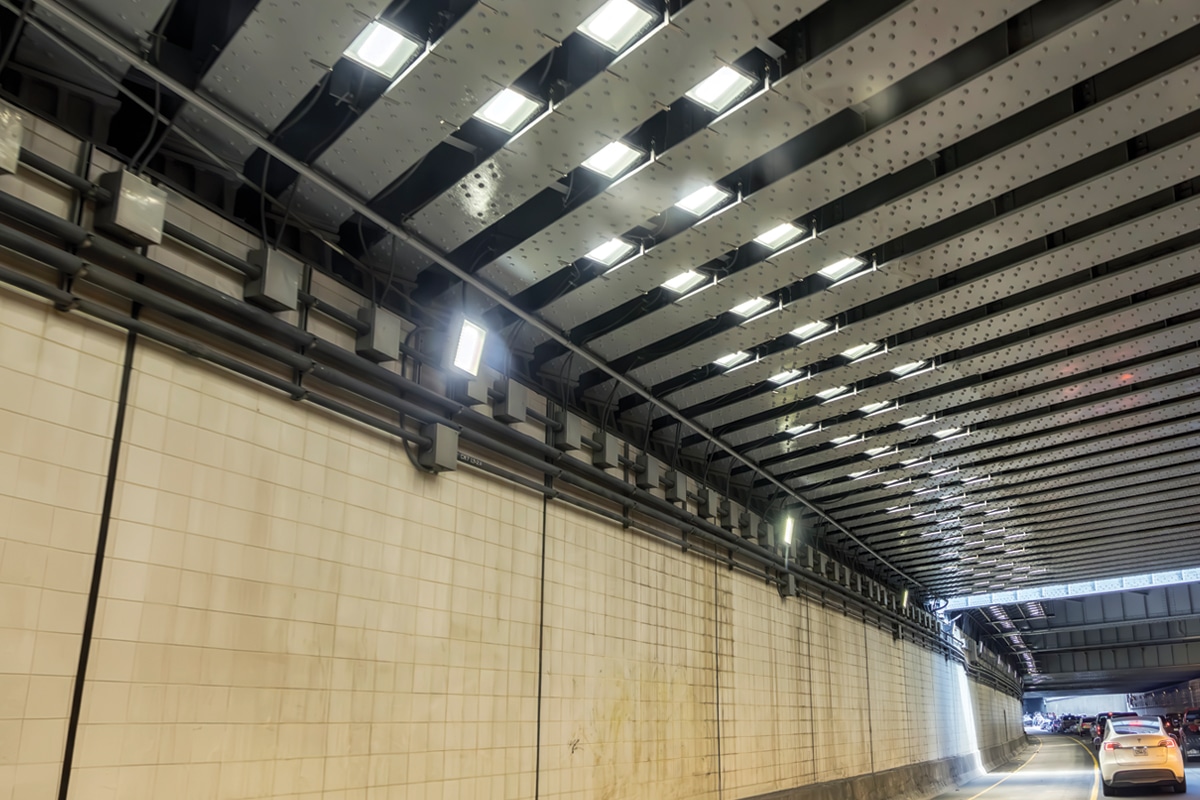
Beauty (STC) Manufacturing Co., Ltd. operates a modern and well-equipped manufacturing facility in Jiangmen, Guangdong Province, strategically located within one of China’s key industrial hubs. The Jiangmen factory is designed to support high-volume, precision production of LED lighting products, with a strong emphasis on quality control, efficiency, and flexibility to serve both domestic and international markets.
At the core of the factory’s production line is a fully automated SMT (Surface Mount Technology) system. The facility is equipped with multiple high-speed SMT machines capable of placing components with exceptional accuracy and speed. These machines support a wide range of LED lighting PCBs, ensuring consistent soldering quality and component alignment. The SMT line is integrated with automated optical inspection (AOI) systems to detect placement errors and solder defects in real time, significantly enhancing product reliability and yield rates.
To ensure long-term performance and durability, especially for demanding applications such as tunnel lighting, the Jiangmen factory implements comprehensive aging and environmental testing procedures. Completed lighting units undergo rigorous aging tests, typically conducted over 8 to 24 hours under elevated temperatures and full operational load. These tests simulate extended use to identify early failures and verify thermal management, driver stability, and overall system robustness. In addition to aging, products are subjected to IP rating verification, surge protection testing, and photometric measurements using integrating spheres and goniophotometers.
Beauty STC has strong OEM (Original Equipment Manufacturer) capabilities, particularly in the design and production of tunnel lighting solutions. The company supports full customization, including optical distribution, housing design, thermal management, and driver configuration, to meet specific project requirements such as roadway standards, tunnel length, and maintenance cycles. With in-house engineering and R&D teams co-located at the Jiangmen site, Beauty STC can provide turnkey OEM services—from concept and prototyping to mass production and global shipping—ensuring compliance with international standards such as CE, RoHS, ENEC, and TM-21.
Overall, the Jiangmen factory reflects Beauty STC’s commitment to advanced manufacturing, product reliability, and customer-centric solutions in the professional LED lighting sector.
Application Scenarios
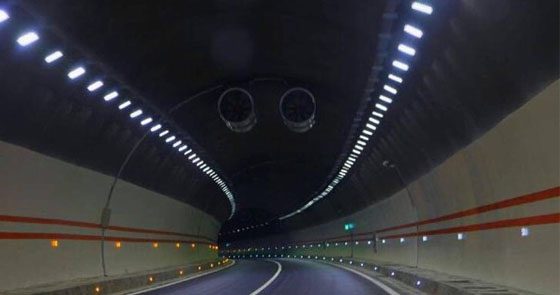
Tunnel lighting is specifically engineered for transportation infrastructure such as road tunnels, rail tunnels, and pedestrian underpasses. It is not designed for or appropriate in commercial interior environments like hotels, malls, or offices. The term “tunnel lighting” refers to luminaires built to withstand harsh conditions including constant vibration, extreme humidity, high ingress protection requirements (IP68), and the need for precise glare control and uniform illumination over long distances in dark, confined spaces. Using actual tunnel lighting fixtures in hotels, malls, or offices would be impractical, excessively expensive, and functionally mismatched to the requirements of these spaces.
In hotels, malls, and offices, the linear corridor or pathway environments you may be referring to require standard architectural linear lighting solutions, not tunnel lighting. For hotel corridors, prioritize warm-color-temperature (2700K-3000K) linear LED fixtures with high CRI (>90) to create a welcoming atmosphere while ensuring uniform illumination for safety. Install fixtures centered in the corridor at consistent intervals, typically 2.5 to 3 meters apart, maintaining a mounting height of 2.4 to 2.7 meters above floor level. Ensure emergency lighting integration meets local egress requirements, with exit signs clearly visible. Avoid over-illumination; target 100-150 lux for guest room corridors and higher levels (200-300 lux) for service corridors.
For mall interior walkways and concourses, use modular linear LED systems with neutral to cool color temperatures (3500K-4000K) to enhance vibrancy and visual clarity. Mount fixtures at 3 to 4 meters height to avoid obstruction from signage or displays. Focus on minimizing glare for window shopping—use baffles or indirect/direct combinations. Maintain uniformity ratios below 0.4 (min/max) to prevent visual discomfort across long spans. Integrate with daylight harvesting near skylights and ensure seamless transitions between zones. Emergency lighting must comply with high-occupancy building codes, with battery backups tested monthly.
Office building corridors and open-plan aisles require task-appropriate linear lighting, often with 3500K-4000K CCT. Mount suspended or recessed linear fixtures at 2.4 to 2.7 meters, spacing them to achieve 200-300 lux with tight uniformity (ratio <0.5). Prioritize low-glare optics (UGR <19) to reduce eye strain. In open offices, align fixture rows parallel to workstations to minimize reflections on screens. Ensure emergency lighting provides 1 lux minimum on the path of egress per NFPA 101, with clear signage. Always coordinate with HVAC and sprinkler layouts during installation to avoid conflicts, and verify all fixtures meet the building’s fire safety certifications (e.g., UL 1598).
Never substitute tunnel lighting for interior applications. Tunnel fixtures lack the aesthetic refinement, thermal management for enclosed spaces, and energy efficiency required in buildings. They also fail to meet interior photometric standards, potentially causing excessive glare or uneven lighting. Always select luminaires certified for interior commercial use (e.g., DLC, Energy Star) and consult local building codes for specific requirements.
Why Choose Beauty STC Lighting
Transform your tunnel lighting projects with high-performance, energy-efficient solutions from Beauty STC. As a trusted leader in LED lighting manufacturing, we deliver durable, smart, and scalable tunnel lighting systems designed for safety, reliability, and long-term savings. Partner with Beauty STC to benefit from custom engineering support, competitive pricing, and global project experience.
Contact us today to discuss your tunnel lighting needs. Reach our sales manager at [email protected] and illuminate your next project with confidence.
⚡ LED Power Supply Calculator
Estimate the power supply needed for your LED strip project.