Article Contents
Industry Insight: Led Light Covering
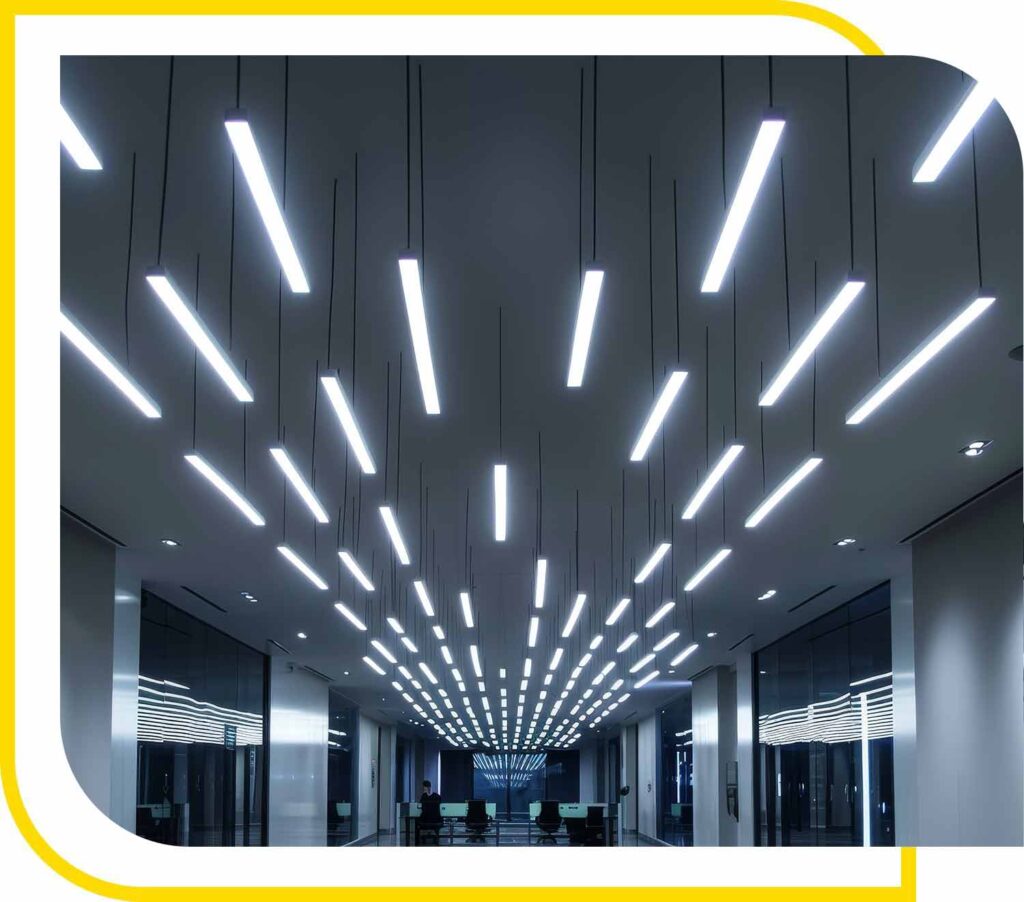
In the rapidly evolving landscape of commercial and industrial lighting, LED light covers have emerged as a critical component in ensuring both performance and safety. These protective diffusers and housings do more than simply shield LED modules—they enhance light distribution, improve durability, and contribute to overall energy efficiency in demanding environments such as warehouses, manufacturing facilities, office complexes, and retail spaces. As building operators and facility managers prioritize long-term reliability and regulatory compliance, certifications like ETL and CE have become essential benchmarks, verifying that lighting components meet rigorous North American and international safety and performance standards.
Since 1998, Beauty (STC) Manufacturing Co., Ltd. has been a trusted innovator in the LED lighting industry, specializing in high-quality light covers and optical solutions designed for commercial and industrial applications. With decades of engineering expertise, Beauty STC combines advanced materials, precision manufacturing, and a deep understanding of global compliance requirements to deliver products that stand up to the toughest operational conditions. As the demand for smarter, safer, and more sustainable lighting grows, Beauty STC continues to lead the way in providing engineered solutions that protect, optimize, and elevate modern LED lighting systems.
Technical Specs & Certifications
Beauty STC Manufacturing Co., Ltd. designs and produces high-performance LED luminaires where the optical system, including the diffuser or cover, is integral to achieving target specifications. The term “LED light covering” typically refers to the optical component (diffuser, lens, or cover) of a complete luminaire, not a standalone specification. Therefore, the critical performance metrics apply to the entire fixture. Beauty STC luminaires engineered for applications demanding high visual quality, such as retail and beauty environments, consistently deliver the following technical specifications.
Luminous efficacy, measured in lumens per watt (lm/W), is a core efficiency metric for the complete LED system including driver, LED package, thermal management, and optical components. Beauty STC achieves efficacy ratings typically ranging from 120 lm/W to 150+ lm/W for standard commercial luminaires incorporating high-CRI LEDs. This high efficiency is realized through the use of premium, bin-selected LED chips, optimized driver electronics with minimal losses, and thermally efficient heat sink designs ensuring LEDs operate within their ideal temperature range. The optical cover itself, usually made from high-transmission polycarbonate or PMMA with anti-glare micro-prismatic patterns, contributes minimally to lumen loss, typically maintaining over 90% transmission to preserve system efficacy.
Color Rendering Index (CRI) is paramount for applications where accurate color perception is critical, such as beauty salons, retail makeup counters, and high-end retail. Beauty STC luminaires targeting these segments utilize LED packages specifically binned for CRI values exceeding 90, with Ra > 90 being standard and R9 (saturated red) values typically >50, ensuring vibrant and true-to-life color representation. Achieving and maintaining this high CRI requires not only the LED chip phosphor formulation but also stable, high-quality constant current drivers that prevent color shift over time and temperature. The diffuser material is selected for minimal spectral absorption to avoid degrading the light quality output by the LEDs.
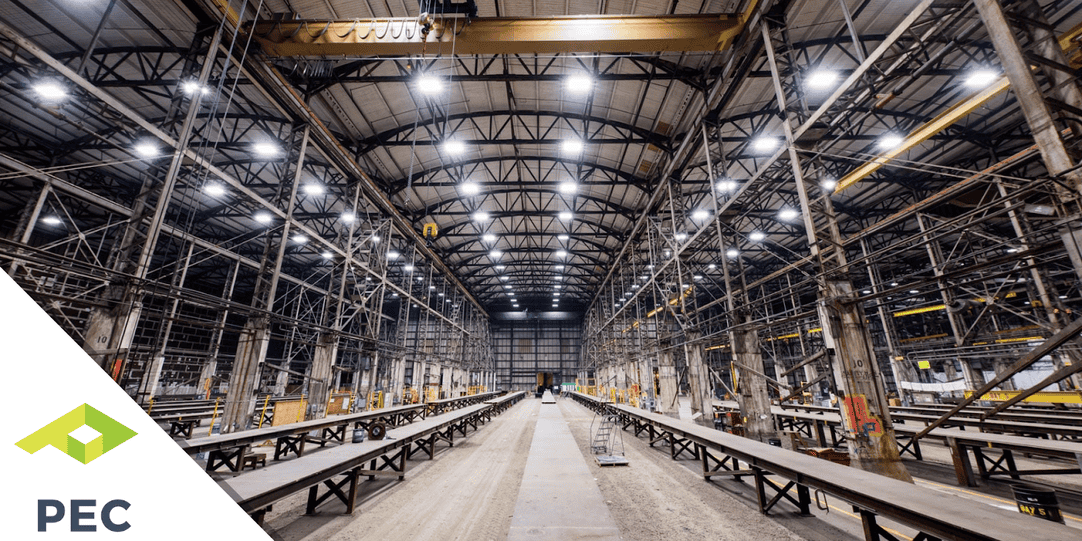
Ingress Protection (IP) ratings define the fixture’s resistance to dust and moisture ingress, determined by the entire luminaire’s construction, including the sealing of the optical cover. Beauty STC offers luminaires across key IP ratings. For standard indoor dry locations like offices and retail sales floors, IP20 is common, indicating protection against finger contact but no dust or water resistance. For indoor locations requiring dust resistance such as warehouses or manufacturing areas, IP54-rated fixtures are available, featuring gaskets around the diffuser and housing joints to prevent dust ingress and resist water splashes from any direction. For demanding outdoor or wet indoor environments like building facades, canopies, or car washes, IP65 and IP66 rated luminaires are produced, utilizing robust silicone gaskets, sealed driver compartments, and specially designed optical covers with perimeter seals to ensure complete dust tightness and resistance to powerful water jets.
Beauty STC’s commitment to quality is evident in the rigorous validation of these specifications. All high-CRI luminaires undergo spectroradiometric testing to verify CRI and chromaticity consistency. Efficacy values are confirmed through LM-79 testing in accredited laboratories. IP ratings are validated through in-house and third-party environmental testing per IEC 60529 standards. Thermal management is optimized through finite element analysis and thermal imaging to ensure LED junction temperatures remain low, directly supporting long-term lumen maintenance (L70/B50 typically rated to 50,000+ hours at 25°C ambient) and stable color performance. Components are sourced from tier-1 suppliers and subjected to stringent incoming inspection, while final assembly occurs in controlled environments adhering to ISO 9001 standards, ensuring every fixture meets the demanding specifications required for professional lighting applications.
Factory Tour: Manufacturing Excellence
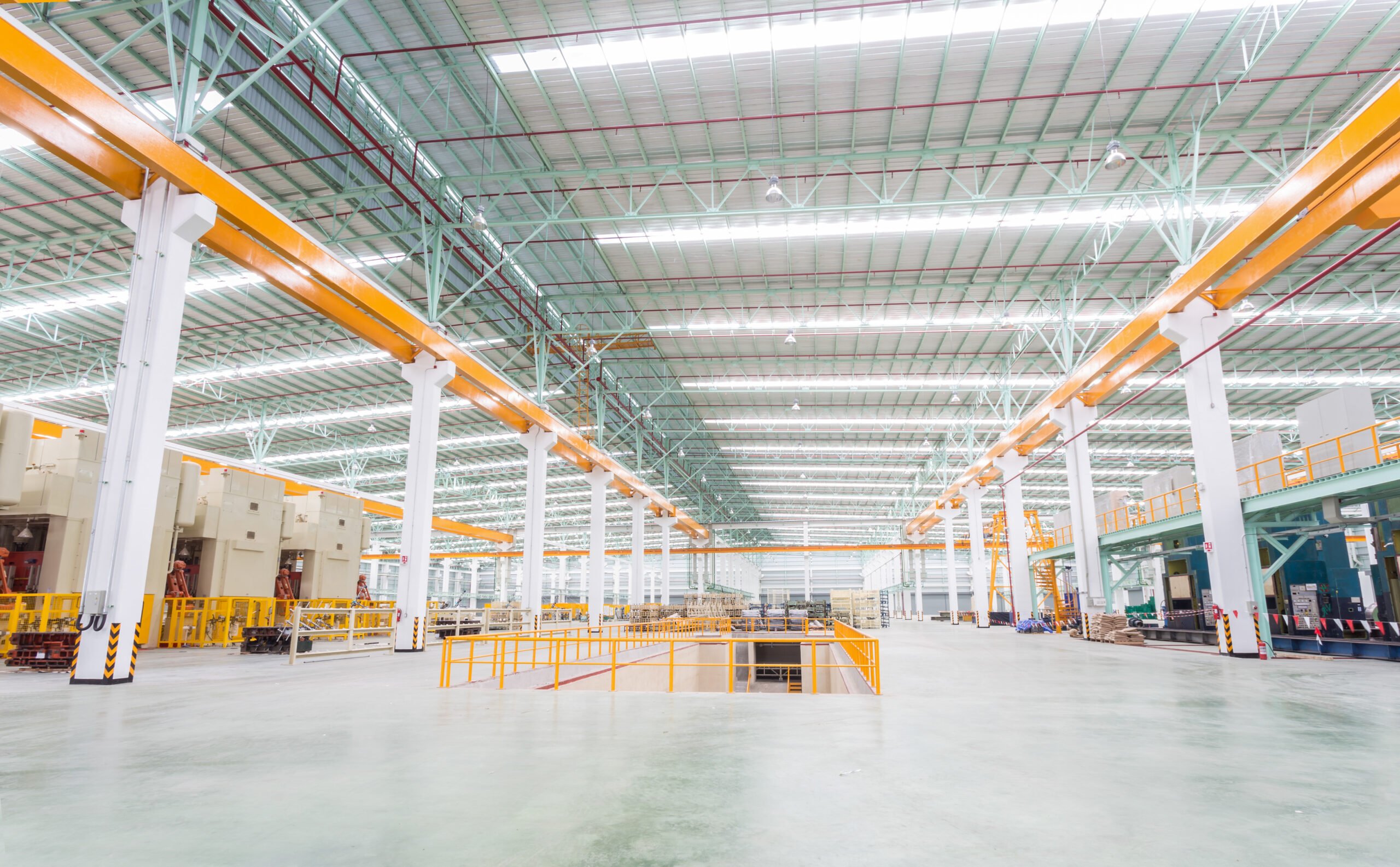
Beauty (STC) Manufacturing Co., Ltd.’s factory in Jiangmen, China, is a modern, well-equipped facility specializing in the production of high-quality LED lighting products. Strategically located in the Jiangmen industrial zone, the factory benefits from strong logistical access and a skilled manufacturing workforce, supporting both domestic and international markets.
The facility is outfitted with advanced Surface Mount Technology (SMT) production lines, enabling precise and efficient assembly of LED components onto printed circuit boards. These SMT machines are fully automated, ensuring high-speed placement, consistent accuracy, and excellent solder joint quality. The integration of automated optical inspection (AOI) systems further enhances product reliability by detecting defects in real time during the assembly process.
To ensure long-term performance and durability, the factory conducts comprehensive aging tests on all LED lighting products. Completed units undergo extended operational testing under controlled thermal and electrical conditions, typically lasting 4 to 12 hours or longer depending on product specifications. This process helps identify early failure modes, verifies thermal management effectiveness, and confirms consistent light output and color temperature stability before shipment.
Beauty STC also offers robust OEM capabilities for LED light covers and diffusers, commonly referred to as ‘led light covering’. The company supports custom design, material selection, and molding processes for various types of optical covers, including polycarbonate (PC), polymethyl methacrylate (PMMA), and silicone-based diffusers. With in-house mold design and fabrication, along with injection molding and extrusion capabilities, the factory can produce covers in a wide range of shapes, transmittance levels, and finishes—frosted, prismatic, lensed, or patterned—to meet specific client requirements. OEM services include branding, packaging customization, and full technical documentation support, making Beauty STC a reliable partner for private-label and project-based lighting solutions.
Application Scenarios
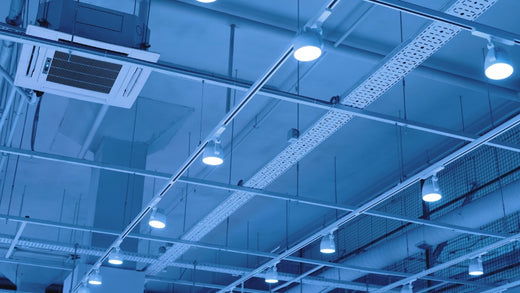
The term “LED light covering” isn’t a standard industry specification; it typically refers to optical components like diffusers, lenses, or refractors integrated into LED fixtures to control light distribution, reduce glare, and enhance aesthetics. These elements are critical in commercial settings where visual comfort and design matter. Below is guidance on appropriate applications across hotels, malls, and offices, followed by essential installation considerations.
In hotel environments, optical covers are indispensable in guest rooms and lobbies. Frosted or microprismatic diffusers should be used over recessed downlights and cove lighting to eliminate harsh shadows and create a welcoming ambiance. Bathrooms require high-Clarity, moisture-resistant polycarbonate diffusers to prevent glare while maintaining brightness for grooming. In banquet halls, adjustable prismatic lenses on track lights ensure even illumination across tables without spotlighting guests. The key is balancing visual comfort with the luxury aesthetic expected in hospitality spaces.
Malls demand robust optical solutions due to high ceilings and diverse merchandising needs. Wide-beam prismatic diffusers are essential for general illumination in corridors and food courts, spreading light efficiently to 30-foot ceilings while minimizing dark zones. For retail storefronts, asymmetric lenses direct light precisely onto displays without spilling onto adjacent tenants. Entrances and escalator areas benefit from impact-resistant tempered glass covers that withstand foot traffic while providing uniform light. Avoid flat acrylic covers here—they cause hotspots and fail under thermal stress from prolonged operation.
Office applications prioritize glare reduction to prevent eye strain. Troffer fixtures in open-plan areas must use microprismatic diffusers with UGR (Unified Glare Rating) below 19, as mandated by standards like EN 12464-1. Task lighting over workstations requires satin-finish polycarbonate lenses to soften direct light. In video conference rooms, anti-reflective coated glass covers prevent screen glare. Never omit diffusers in offices—bare LEDs cause immediate productivity loss due to visual discomfort.
Installation requires meticulous attention to detail. Always de-energize circuits before handling fixtures; residual voltage in commercial panels can be lethal. Align diffusers precisely with the LED array—misalignment by even 2mm creates visible striations. Use non-silicone gloves during installation; skin oils on optical surfaces cause permanent yellowing under UV exposure. For suspended ceilings, ensure diffuser edges seal fully against the grid to prevent light leakage into plenums. Crucially, verify thermal clearance: covers must not contact heat sinks, as trapped heat accelerates lumen depreciation. Finally, clean diffusers with isopropyl alcohol before commissioning—factory residue scatters light unpredictably. Remember that inferior covers compromise both performance and longevity; specify materials meeting UL 94 V-0 flammability ratings for all commercial projects.
Why Choose Beauty STC Lighting
Transform your lighting projects with high-quality LED light coverings designed for durability, clarity, and optimal light diffusion. Partner with Beauty STC, a trusted manufacturer with years of expertise in precision-engineered lighting components. Whether you’re developing residential, commercial, or industrial lighting solutions, our LED light coverings meet international standards for performance and reliability.
Take the next step in elevating your product line. Contact us today at [email protected] to discuss your requirements and discover how Beauty STC can support your business with custom solutions, consistent quality, and competitive pricing.
⚡ LED Power Supply Calculator
Estimate the power supply needed for your LED strip project.