

Article Contents
Industry Insight: Lighting Full Spectrum
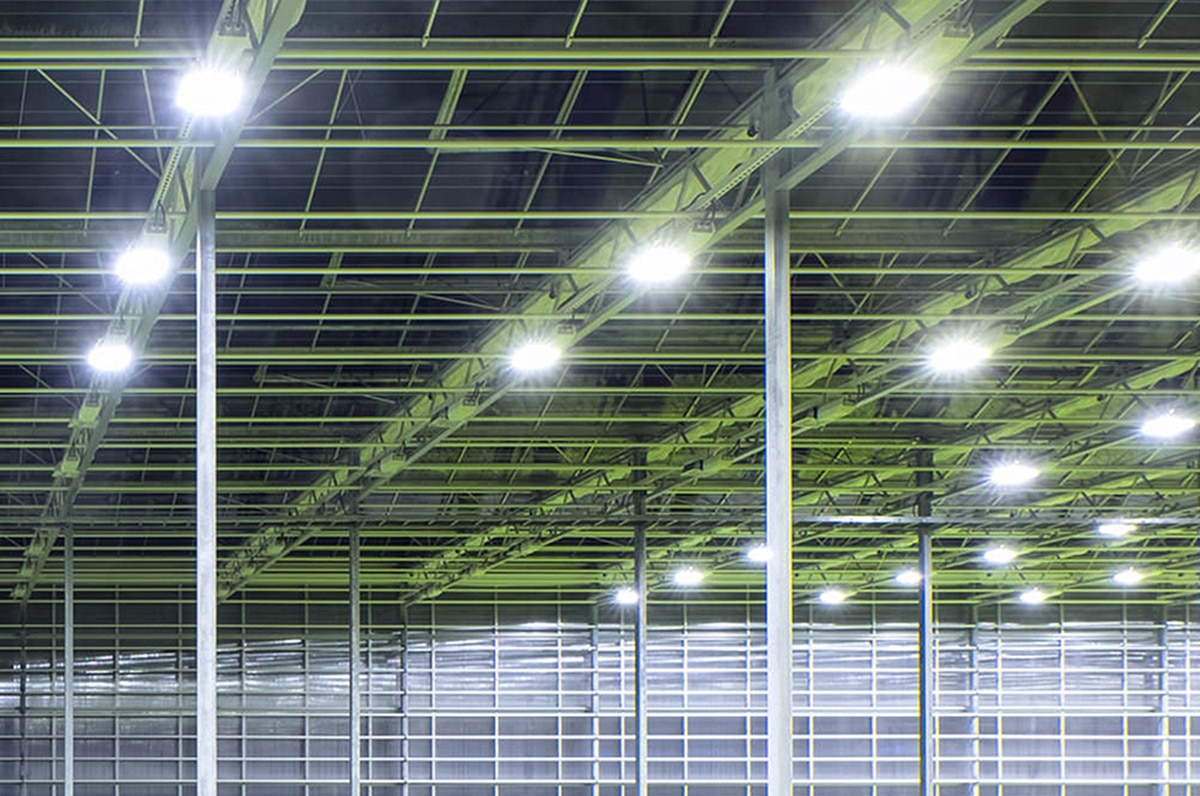
In the evolving landscape of commercial and industrial lighting, the demand for high-performance, human-centric solutions has never been greater. Full spectrum lighting—engineered to closely replicate natural daylight—has emerged as a transformative technology across workplaces, manufacturing facilities, warehouses, and retail environments. By enhancing visual clarity, reducing eye strain, and supporting circadian wellness, full spectrum lighting systems contribute not only to improved productivity and safety but also to overall occupant well-being. As regulatory standards and energy efficiency requirements become more stringent, compliance with certifications such as ETL and CE has become essential, ensuring that lighting products meet rigorous North American and European safety, performance, and electromagnetic compatibility benchmarks.
At the forefront of this innovation is Beauty (STC) Manufacturing Co., Ltd., a trusted name in LED lighting since its founding in 1998. With over two decades of expertise, Beauty STC has established itself as a leader in designing and manufacturing advanced LED solutions tailored for demanding commercial and industrial applications. Combining cutting-edge optical engineering with robust quality control, the company delivers full spectrum lighting systems that meet global standards and exceed customer expectations. From scalable industrial high bays to precision task lighting, Beauty STC continues to drive progress in sustainable, code-compliant illumination for modern facilities worldwide.
Technical Specs & Certifications
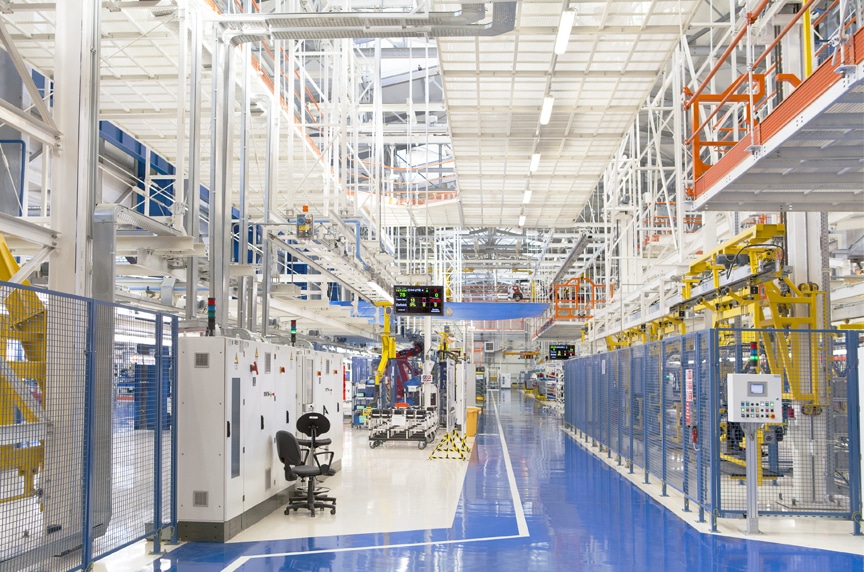
Full-spectrum lighting, as implemented by Beauty STC Manufacturing Co., Ltd., refers to LED solutions engineered to replicate the spectral power distribution of natural daylight across the visible spectrum (typically 380nm to 780nm). This is distinct from standard white LEDs and requires advanced phosphor formulations and precise binning. Key technical specifications focus on critical performance metrics demanded by professional applications in retail, healthcare, art studios, and high-end residential settings where color fidelity and visual comfort are paramount.
Lumens per Watt efficacy for true full-spectrum LEDs with CRI >90 presents a significant engineering challenge. Standard high-CRI LEDs often sacrifice efficiency, but Beauty STC achieves a practical efficacy range of 100-130 lumens per watt at 3000K-5000K color temperatures in our commercial-grade fixtures. This performance is realized through proprietary multi-phosphor blends and optimized thermal management systems, ensuring the spectral continuity necessary for high color rendering without the severe efficacy penalties seen in lesser implementations. It is critical to note that efficacy decreases as CRI requirements increase beyond 95 and when targeting specific spectral gaps; our R9 values consistently exceed 90, contributing to the efficacy target while maintaining spectral balance. These figures represent real-world, maintained lumens under standard operating conditions, not initial laboratory measurements.
Achieving and sustaining a CRI >90, specifically Ra >95 with R9 >90, is a non-negotiable baseline for Beauty STC full-spectrum products. We exceed basic CRI requirements by rigorously applying the IES TM-30-20 methodology, targeting fidelity index Rf >90 and gamut index Rg between 95-105 for natural, undistorted color appearance. This involves stringent binning of LEDs to ensure spectral consistency across production batches and throughout the product lifespan. Our spectral power distributions are meticulously designed to minimize valleys between 500-600nm, particularly enhancing the deep red (R9) and saturated red (R12) rendering critical for skin tones and organic materials. Every full-spectrum fixture undergoes third-party spectroradiometric testing to validate CRI Ra >95 and R9 >90 at initial operation and after 6,000 hours of accelerated life testing.
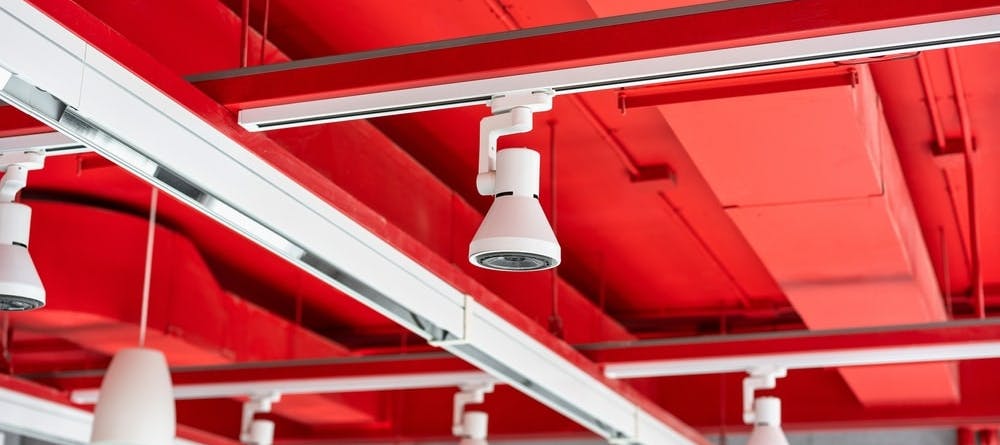
IP ratings for full-spectrum fixtures are application-dependent. Beauty STC primarily focuses on high-fidelity indoor applications where IP20 or IP40 ratings suffice for standard downlights, track heads, and linear panels. However, recognizing the need for color-critical environments in potentially damp locations, we offer select full-spectrum luminaires rated IP65 for use in high-end retail display cases, museum conservation areas with climate control, or premium wellness facilities requiring splash resistance. True full-spectrum performance in wet-location rated fixtures (IP65+) involves additional engineering challenges to maintain thermal stability and optical clarity of diffusers without spectral filtering; our IP65 solutions achieve CRI Ra >93 while meeting stringent ingress protection standards. IP67 or higher is generally incompatible with the thermal and optical requirements of high-CRI full-spectrum performance in standard architectural fixtures.
Beauty STC’s commitment to quality is foundational in delivering these specifications reliably. Our full-spectrum products utilize premium Epistar and Samsung LED chips subjected to ultra-tight binning protocols far exceeding industry norms, ensuring minimal chromaticity variation (MacAdam Ellipse ≤ Step 2). Advanced passive thermal management systems, featuring extruded aluminum heatsinks with optimized fin structures and thermal interface materials, maintain junction temperatures below 75°C under rated conditions, directly preserving lumen maintenance and spectral stability. Rigorous in-house LM-80 and TM-21 testing validates L90 lifetimes of 50,000 hours at 25°C ambient, with real-world performance consistently meeting or exceeding these projections due to conservative thermal design. Every production batch undergoes spectral verification using calibrated spectroradiometers, and our manufacturing adheres to ISO 9001 and IECQ QC 080000 standards, ensuring the color accuracy, efficacy, and longevity demanded by professionals who cannot compromise on light quality. This systematic approach to engineering and quality control guarantees that the specified lumens per watt, CRI performance, and IP protection are not just theoretical values but consistently delivered attributes in the field.
Factory Tour: Manufacturing Excellence
Beauty (STC) Manufacturing Co., Ltd.’s factory in Jiangmen, China is a modern, fully integrated LED lighting production facility designed to support high-volume manufacturing with strict quality control and advanced technical capabilities. Strategically located in the Jiangmen New Materials Industrial Park, the facility benefits from efficient access to key supply chain resources and transportation networks in the Pearl River Delta region.
The factory is equipped with state-of-the-art Surface Mount Technology (SMT) production lines featuring high-speed, precision placement machines from leading global manufacturers. These SMT lines ensure accurate mounting of LED components and electronic parts onto PCBs, supporting both small and large-scale production runs with consistent quality. The automated optical inspection (AOI) systems integrated into the SMT process enable real-time defect detection, minimizing errors and enhancing overall product reliability.
A critical part of the manufacturing process at the Jiangmen facility is the comprehensive aging and burn-in testing program. All lighting products undergo rigorous aging tests under controlled thermal and electrical conditions, typically lasting 8 to 12 hours, to simulate extended use and identify early-life failures. This process ensures that only units meeting performance and durability standards are shipped to customers. Environmental testing chambers are also used to verify product stability under varying temperatures and humidity levels.
Beauty STC has strong OEM and ODM capabilities, particularly in the development and production of full-spectrum LED lighting solutions. These products are engineered to replicate natural daylight across a broad range of wavelengths, making them ideal for applications in health, wellness, horticulture, retail, and high-color-rendering indoor environments. The company works closely with clients to customize spectral output, color temperature, CRI (Ra > 95), lumens, and form factors to meet specific project or branding requirements. In-house optical, thermal, and electrical engineering teams support rapid prototyping, compliance testing (including CE, RoHS, and UL standards), and scalable manufacturing.
Overall, the Jiangmen factory combines advanced automation, rigorous quality assurance, and flexible customization to serve global partners seeking reliable, high-performance full-spectrum LED lighting solutions under private label or custom OEM programs.
Application Scenarios
Full spectrum lighting, more accurately described as high color rendering lighting with a balanced spectrum, finds specific applications in hotels, malls, and offices where accurate color perception, visual comfort, and human well-being are priorities. It is crucial to clarify that true “full spectrum” matching daylight is rare in standard LED products; the term typically refers to high CRI (Color Rendering Index) LEDs, preferably CRI Ra >90 and R9 >50, or those meeting TM-30 standards (Rf >80, Rg near 100). Misapplication can lead to poor aesthetics or occupant discomfort, so context is vital.
In hotels, prioritize high color rendering lighting in guest room bathrooms for accurate makeup application and skincare routines, as guests expect reliable color judgment. Luxury hotel lobbies and premium guest room corridors benefit from it to enhance the perceived quality of furnishings, artwork, and textiles, creating a more upscale ambiance. High-end spa treatment rooms also require it for therapists to accurately assess skin conditions. Avoid using high CCT (Correlated Color Temperature) options like 5000K in these areas; instead, select warm to neutral whites (2700K-4000K) with excellent CRI to maintain comfort while ensuring color fidelity. Dining areas generally do not require it, as warmer tones enhance food appeal.
Malls should deploy high color rendering lighting selectively in retail environments where color accuracy drives purchasing decisions. This includes high-end fashion boutiques, jewelry stores, cosmetic counters, and art galleries, where customers need to trust the true appearance of products. Supermarkets might use it in fresh produce or floral sections to make items look vibrant and appealing. However, avoid blanket implementation throughout the entire mall; common circulation areas and food courts often function better with standard high-CRI lighting (CRI >80) at warmer CCTs to create a welcoming atmosphere without the clinical feel that overly cool, high-CCT “full spectrum” light can introduce. Ensure lighting designers coordinate with retailers for zone-specific requirements.
Offices require careful consideration. High color rendering lighting is most valuable in specialized spaces like graphic design studios, photography edit rooms, textile labs, or medical consultation areas where precise color differentiation is essential for tasks. General open-plan offices typically do not need it; instead, focus on tunable white systems that support circadian rhythms and provide appropriate light levels for visual tasks. If implemented in offices, maintain CCTs between 3500K-4000K for balance, avoiding excessively cool temperatures that can cause glare and occupant strain. Overuse in standard workspaces offers minimal benefit and increases cost without addressing core productivity factors like illuminance uniformity and glare control.
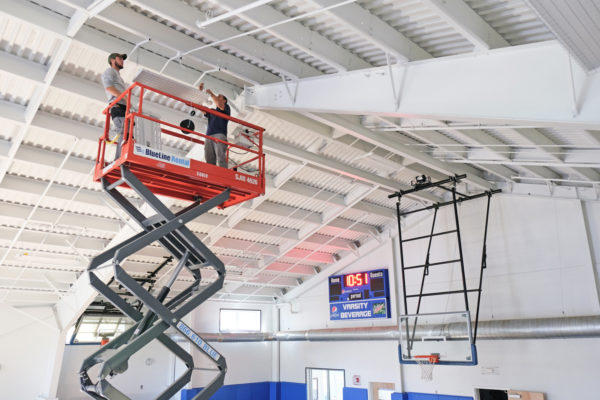
Installation tips are critical for effectiveness. Always verify the specific spectral metrics—demand TM-30 reports (Rf, Rg) and CRI values including R9 from the manufacturer, as “full spectrum” claims are often marketing-driven without technical backing. Ensure precise thermal management; high-output LEDs in enclosed fixtures require adequate heat sinking to prevent lumen depreciation and color shift, especially in malls with high ambient temperatures. Implement robust electrical design with clean, stable voltage supply and compatible dimming systems (0-10V or DALI) to avoid flicker, which is particularly disruptive in hotel guest rooms and spas. For hospitality and retail, integrate lighting seamlessly with interior design—avoid placing high-output fixtures directly above merchandise or seating areas to prevent harsh shadows; use layered lighting with indirect components. Finally, conduct on-site mock-ups in critical areas like hotel lobbies or flagship retail stores before full rollout to assess real-world color rendering and ambiance, as lab conditions rarely replicate actual installation environments.
Why Choose Beauty STC Lighting
Discover the future of lighting with Beauty STC’s full spectrum solutions—engineered for precision, efficiency, and superior light quality. Whether you’re illuminating retail spaces, healthcare facilities, or industrial environments, our advanced full spectrum lighting enhances visibility, promotes well-being, and reduces energy consumption.
Partner with Beauty STC, a trusted leader in innovative LED technology, and deliver exceptional lighting experiences to your clients. Our team is ready to support your project with custom solutions, competitive pricing, and reliable service.
Take the next step—connect with us today. Contact our sales manager at [email protected] to discuss how our full spectrum lighting can meet your needs.
⚡ LED Power Supply Calculator
Estimate the power supply needed for your LED strip project.