
Article Contents
Industry Insight: Strip Led Lighting For Kitchens
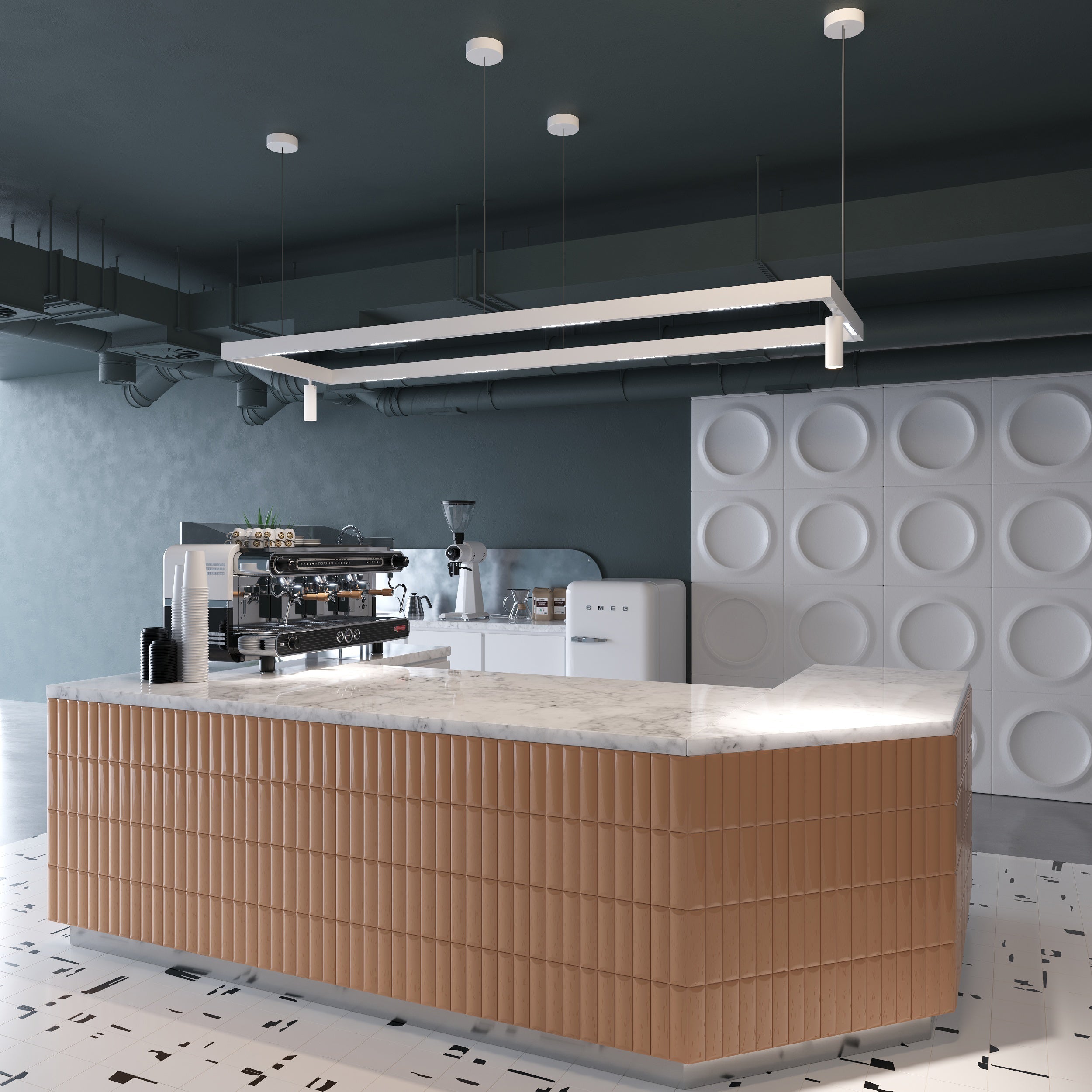
In the commercial and industrial lighting sector, LED strip lighting has become an essential solution for modern kitchen environments, where performance, safety, and durability are paramount. Designed to meet the demanding conditions of high-temperature, high-humidity, and frequent cleaning cycles, commercial-grade strip LED lighting offers superior energy efficiency, long service life, and consistent illumination critical for both operational safety and aesthetic appeal in food service, catering facilities, and industrial kitchens. Compliance with rigorous safety certifications such as ETL and CE ensures these lighting systems meet North American and international standards for electrical safety, electromagnetic compatibility, and environmental resilience—key considerations for facility managers and lighting specifiers.
Beauty (STC) Manufacturing Co., Ltd., established in 1998, has emerged as a trusted name in the commercial LED lighting industry, delivering high-performance, code-compliant lighting solutions for demanding environments. With a strong focus on engineering excellence and regulatory adherence, Beauty STC provides ETL- and CE-certified LED strip lighting systems specifically designed for industrial kitchen applications. Backed by over two decades of manufacturing expertise, the company continues to innovate with thermally efficient designs, durable housings, and high-lumen output solutions that support both functional task lighting and ambient enhancement in commercial food preparation spaces.
Technical Specs & Certifications
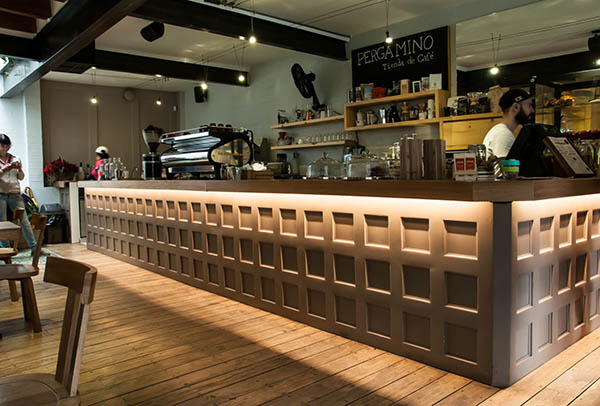
Beauty STC Manufacturing Co., Ltd. designs and manufactures LED strip lighting specifically engineered for demanding kitchen environments, prioritizing performance, safety, and visual quality. For kitchen applications, our technical specifications are rigorously defined to meet the unique challenges of cooking spaces, including exposure to heat, grease, moisture, and the critical need for accurate color rendering.
Lumens per Watt (lm/W) efficiency is a core focus, balancing brightness with energy consumption and thermal management. Our standard kitchen-grade LED strips achieve a consistent 100-120 lm/W under real-world operating conditions at 25°C ambient temperature. This range reflects the optimal trade-off between high efficacy and the necessary LED density for uniform under-cabinet illumination without hotspots, while ensuring reliable thermal performance within confined kitchen fixtures. We avoid quoting peak laboratory figures, instead emphasizing sustained output under typical kitchen thermal loads where inferior strips often degrade rapidly. Higher-density strips for task lighting may operate at 90-105 lm/W to maintain precise beam control and thermal stability near heat sources like stovetops.
Critical to kitchen functionality is Color Rendering Index (CRI), where Beauty STC mandates a minimum Ra >95 across all kitchen-specific product lines, significantly exceeding the requested >90 threshold. This high fidelity ensures natural representation of food colors—vibrant greens in vegetables, accurate meat tones, and true whites in dairy—which is essential for safe food preparation and an inviting ambiance. Our strips utilize premium multi-phosphor LED chips with R9 (saturated red) values consistently >50, addressing a common weakness in lower-CRI alternatives that distort warm tones. Rigorous binning during manufacturing guarantees batch-to-batch consistency, preventing the color shift that plagues cheaper solutions under kitchen thermal cycling.
IP Ratings are non-negotiable for kitchen safety and longevity. Beauty STC provides clear, application-specific guidance: IP20-rated strips are strictly for completely dry zones like upper cabinet interiors, while all under-cabinet, sink-proximate, or island task lighting requires a minimum IP65 rating. Our IP65 strips feature full-silicone encapsulation over the PCB and LEDs, not merely epoxy coating, providing robust resistance against water jets, grease infiltration, and cleaning chemicals. This exceeds basic splash protection, ensuring operational safety near dishwashers and sinks. We explicitly avoid misleading “IP67” claims for flexible strips, as true submersion resistance is impractical for thin-profile kitchen lighting; IP65 represents the realistic, field-proven standard for wet-area kitchen use.
Beauty STC’s quality commitment is embedded in every specification. Our kitchen strips undergo 100% burn-in testing and third-party validation for LM-80 lifetime data, supporting a 50,000-hour L70 rating at 40°C ambient—critical for sustained performance in warm kitchen environments. We utilize 1mm thick aluminum PCBs for superior heat dissipation compared to industry-standard 0.8mm, preventing lumen depreciation near cooktops. All products carry UL/cUL E499630 certification for North American safety compliance, with rigorous salt-spray testing validating corrosion resistance against cooking vapors. This engineering rigor ensures our strips deliver not just initial specifications, but consistent, reliable performance throughout their lifespan, reducing maintenance costs and ensuring homeowner satisfaction in the most challenging residential lighting application.
Factory Tour: Manufacturing Excellence
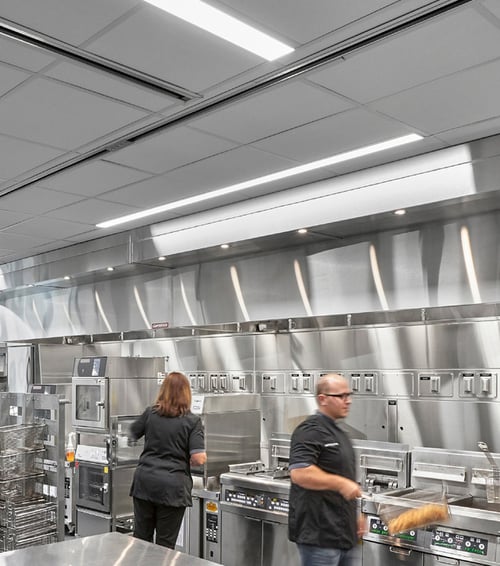
Beauty (STC) Manufacturing Co., Ltd. operates a modern and well-equipped factory located in Jiangmen, Guangdong Province, a region known for its robust manufacturing infrastructure and proximity to key supply chain networks. The facility is purpose-built for the production of high-quality LED lighting products, with a strong emphasis on precision, efficiency, and reliability.
The factory is outfitted with advanced Surface Mount Technology (SMT) production lines that ensure accurate and consistent mounting of LED components onto flexible and rigid circuit boards. These SMT machines are fully automated, featuring high-speed pick-and-place technology, precision stencil printing, and automated optical inspection (AOI) systems. This enables the production of LED strip lights with excellent soldering quality, component alignment, and overall performance—critical for the demanding standards of kitchen lighting applications where durability and uniform illumination are essential.
To ensure long-term reliability and performance, Beauty STC conducts comprehensive aging tests on all its LED strip lighting products. Completed strips undergo extended burn-in periods, typically 24 to 48 hours, under controlled temperature and voltage conditions. These tests help identify early component failures, verify thermal management performance, and confirm consistent light output and color stability. Additional quality checks include waterproof testing for IP-rated strips, flexibility testing, and adhesive bond strength verification—ensuring the products are suited for the varied environments found in kitchen installations.
Beauty STC has strong OEM (Original Equipment Manufacturer) capabilities, particularly for strip LED lighting designed for kitchen use. The company supports custom solutions including tailored lengths, color temperatures (ranging from warm white 2700K to cool daylight 6500K), dimmable options, CRI values above 90 for accurate color rendering, and various IP ratings—from open-bar designs to fully encapsulated IP65 and IP67 waterproof variants. Clients can also customize labeling, packaging, and branding, with support for private labeling and technical documentation. The engineering team works closely with partners to develop specifications that meet regional electrical standards and aesthetic requirements, making Beauty STC a reliable manufacturing partner for kitchen lighting brands seeking high-performance, customizable LED strip solutions.
Application Scenarios
Strip LED lighting serves specific functional and aesthetic purposes in commercial kitchen environments across hotels, malls, and offices, though the application context differs significantly from residential use. It is critical to understand that in these settings, strip lighting is almost exclusively deployed within staff-operated, back-of-house kitchen areas or specialized food service zones, not in public-facing kitchen displays as might be misconstrued. Public areas like hotel lobbies, mall corridors, or office workspaces do not utilize strip lighting within actual kitchen functions; their lighting needs are addressed through dedicated architectural or task luminaires.
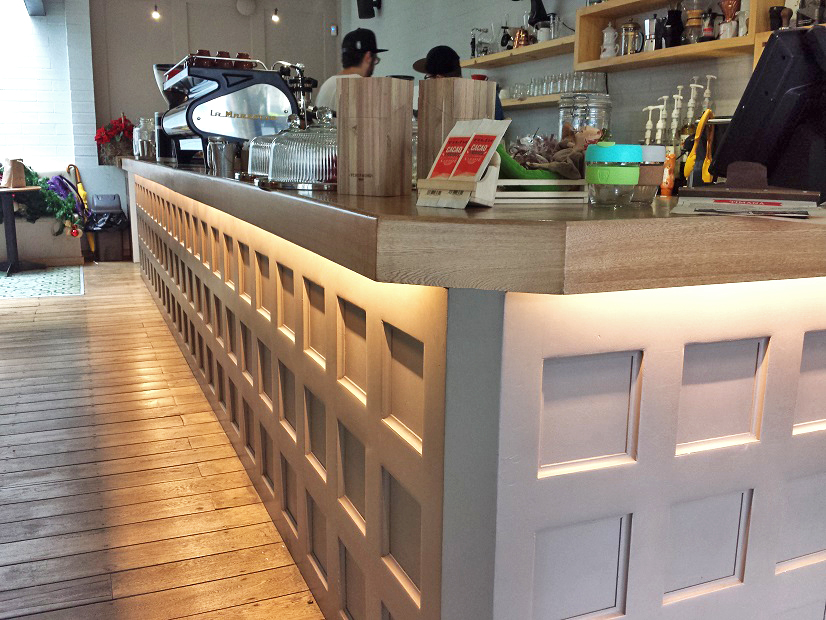
In hotels, strip LED lighting is primarily installed under wall-mounted cabinetry within staff kitchen lines, prep areas, and pastry stations to illuminate work surfaces without casting shadows from overhead fixtures. It provides crucial task lighting for chopping, plating, and assembly where precision is required. Similarly, in office buildings, strip lighting is used beneath upper cabinets in staff break room kitchens or dedicated catering preparation rooms, enhancing usability in spaces where employees might prepare meals. Malls present a different scenario as they lack central kitchens; however, individual food court vendor stalls often incorporate strip lighting under their service counters and within their internal food preparation enclosures to meet health code requirements for surface illumination and to create visual appeal for displayed items behind glass.
Installation in these demanding environments requires strict adherence to technical and safety protocols. Surfaces must be meticulously cleaned with isopropyl alcohol prior to mounting to ensure the adhesive backing bonds securely to stainless steel or tile, as grease buildup is common. Always select strips rated a minimum of IP65 for resistance against steam, splashes, and frequent cleaning chemicals; IP67 or IP68 is strongly recommended for areas near sinks or dishwashing stations. Power supplies must be housed in dry, accessible locations away from heat sources like ovens or fryers, never concealed within cabinetry where heat accumulation could cause failure. Maintain a maximum 80% load on transformers to prevent overheating, and avoid daisy-chaining multiple strips beyond the manufacturer’s specified limit to ensure consistent brightness and longevity. All electrical connections must comply with local commercial building codes, typically requiring junction boxes and conduit for exposed wiring, and installations should be performed by licensed electricians familiar with commercial kitchen safety standards. Never install strips directly above open food preparation surfaces where condensation or accidental contact could occur, adhering strictly to health department guidelines regarding fixture placement relative to food zones.
Why Choose Beauty STC Lighting
Transform your kitchen lighting with high-quality LED strip lighting designed for brightness, efficiency, and durability. At Beauty STC, we specialize in premium strip LED solutions tailored for modern kitchen applications, offering seamless integration, vibrant illumination, and long-lasting performance. Whether for under-cabinet lighting, cove lighting, or accent features, our products meet the highest industry standards.
Partner with Beauty STC to access reliable manufacturing, custom configurations, and expert technical support. As a trusted name in LED lighting, we are committed to delivering innovative solutions that enhance both functionality and aesthetics in kitchen environments.
For collaboration opportunities or product inquiries, contact our sales manager at [email protected] and discover how we can illuminate your next project together.
⚡ LED Power Supply Calculator
Estimate the power supply needed for your LED strip project.