
Article Contents
Industry Insight: Indoor Led Strips
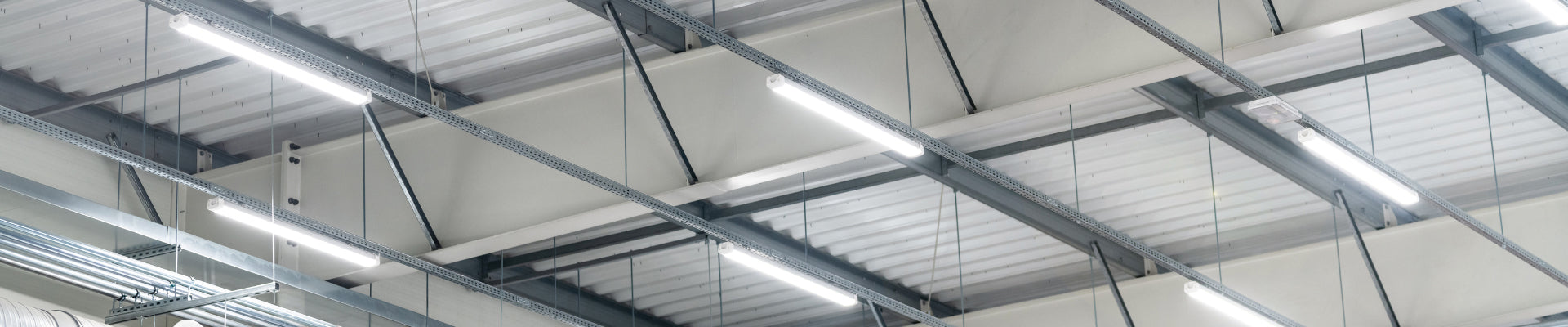
The commercial and industrial lighting landscape has undergone a transformative shift with the widespread adoption of indoor LED strips, driven by the dual imperatives of energy efficiency and operational cost reduction. As businesses and industrial facilities seek sustainable, long-lasting, and low-maintenance lighting solutions, LED strip technology has emerged as a preferred choice for task lighting, architectural accenting, under-cabinet illumination, and facility wayfinding. These applications benefit from the flexibility, scalability, and high lumen output of modern LED strips, which can be customized to meet specific spatial and functional requirements. Crucially, compliance with rigorous safety and performance standards such as ETL and CE certification has become a benchmark for market acceptance, ensuring that products meet electrical safety, electromagnetic compatibility, and environmental requirements across North America and Europe.
At the forefront of this evolution is Beauty (STC) Manufacturing Co., Ltd., a trusted name in LED lighting solutions since its establishment in 1998. With over two decades of engineering expertise, Beauty STC has consistently delivered high-performance, code-compliant indoor LED strips tailored for demanding commercial and industrial environments. The company’s commitment to innovation, quality control, and global regulatory standards has positioned it as a strategic partner for businesses seeking reliable, certified, and scalable lighting systems that enhance both functionality and aesthetics in professional settings.
Technical Specs & Certifications
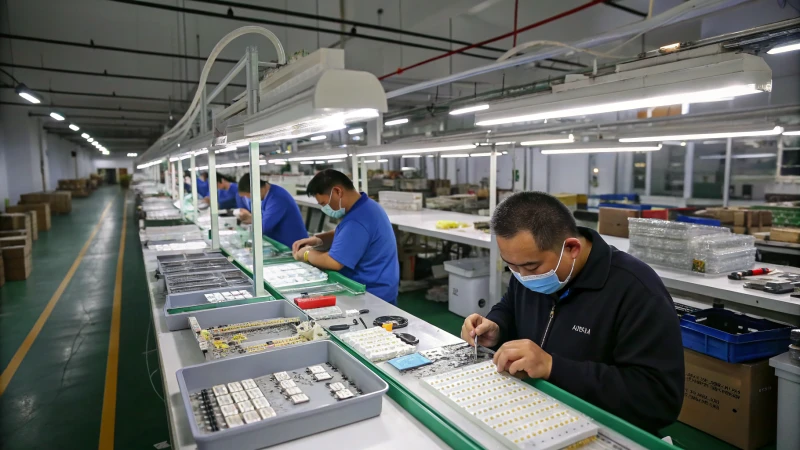
Indoor LED strips require precise technical specifications to meet professional lighting demands, particularly regarding efficiency, color fidelity, and environmental resilience. At Beauty STC Manufacturing Co., Ltd., our indoor LED strips are engineered to exceed industry benchmarks while maintaining rigorous quality control throughout production.
Lumens per Watt (lm/W) efficiency is critical for energy savings and thermal management. Our standard indoor LED strips achieve 120–150 lm/W under typical operating conditions (25°C ambient temperature, 24V DC input). This range accounts for the trade-off between high efficacy and the stringent color quality requirements we uphold. Strips configured for CRI >90 typically operate at the higher end of this spectrum due to advanced phosphor formulations and optimized driver integration, ensuring minimal lumen depreciation over time. We validate all efficacy claims through LM-79 testing in our in-house photometric laboratory, with results traceable to NIST standards.
Color Rendering Index (CRI) performance is non-negotiable for applications demanding true-to-life color representation. All Beauty STC indoor LED strips targeting professional markets maintain a minimum CRI of 92 (Ra), with R9 (saturated red) consistently exceeding 50 and R12 (blue) above 45 to ensure balanced spectral output. This is achieved through proprietary multi-phosphor LED chips binned to strict 3-step MacAdam Ellipse tolerances (SDCM ≤ 3). Unlike competitors who may prioritize Ra alone, our strips undergo rigorous spectral analysis to guarantee accuracy across all 15 test colors, making them ideal for retail, hospitality, and residential settings where color integrity affects user experience.
IP ratings for indoor strips address incidental environmental exposure without over-engineering for unnecessary conditions. Our standard offering includes IP20 for dry interior locations (e.g., coves, under-cabinets), featuring flexible PCBs with conformal coating to resist dust ingress. For kitchens, bathrooms, or other semi-exposed zones, we provide IP65-rated strips with silicone encapsulation—tested to IEC 60529 standards—ensuring protection against low-pressure water jets and condensation. Crucially, we avoid misleading “IP67” classifications for indoor use, as such ratings imply submersion capability irrelevant to interior applications and often compromise flexibility and thermal performance. Every IP-rated strip undergoes 100% automated water resistance validation during manufacturing.
Beauty STC’s quality commitment begins with military-grade 2-ounce copper PCB substrates for superior heat dissipation, directly contributing to sustained lumen maintenance (L70 >50,000 hours at 25°C). We exclusively utilize Epistar and Samsung LED chips with certified BIN sorting, rejecting any components failing our 1% visual inspection threshold for color consistency. Each reel is serialized for full traceability, with batch-level LM-80 and TM-21 reports available. Our production adheres to ISO 9001:2015 protocols, and all strips carry UL/cUL E494753 certification with 5-year warranty coverage—reflecting confidence in real-world durability that generic alternatives cannot match. This end-to-end control ensures every meter meets the exact specifications demanded by discerning architects and lighting designers.
Factory Tour: Manufacturing Excellence
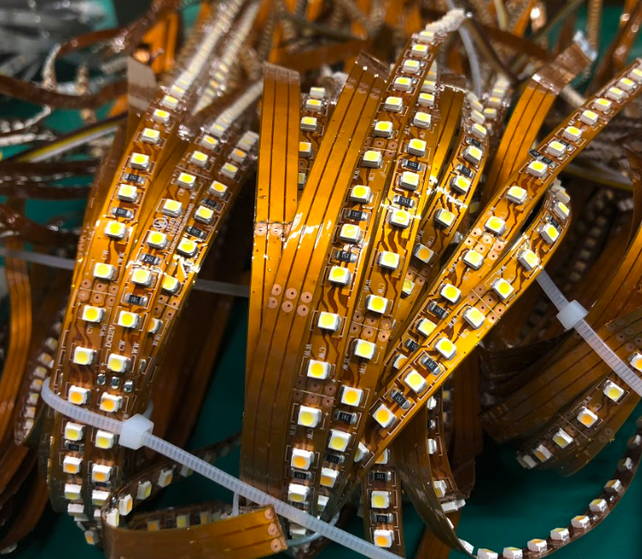
Beauty (STC) Manufacturing Co., Ltd.’s factory in Jiangmen, China, is a modern and well-equipped facility specializing in the production of high-quality LED lighting products, with a strong focus on indoor LED strip lights. The factory integrates advanced manufacturing technologies and rigorous quality control processes to ensure consistent product performance and reliability.
At the core of the production line are state-of-the-art SMT (Surface Mount Technology) machines that enable precise and efficient placement of LED components onto flexible and rigid PCBs used in LED strips. These SMT lines are automated and capable of handling high-volume production with tight tolerances, ensuring uniform soldering and component alignment. The use of advanced pick-and-place machines and reflow ovens helps maintain high throughput while minimizing defects, which is critical for the performance and longevity of LED strips.
To ensure durability and stability, all indoor LED strip products undergo comprehensive aging tests before shipment. These tests typically involve operating the LED strips at full power for extended periods—often 24 to 72 hours—under controlled temperature and humidity conditions. This process helps identify early failures, verify thermal management performance, and confirm consistent light output and color temperature. The factory also conducts electrical safety checks, waterproofing verification (where applicable), and visual inspections as part of its quality assurance protocol.
Beauty STC has strong OEM capabilities for indoor LED strip lights, offering full customization options to meet client specifications. This includes tailored lengths, color temperatures (ranging from warm white to cool white and RGB variants), lumen output, IP ratings, and custom packaging. The company supports private labeling, custom printing on PCBs or packaging, and flexible order quantities, making it a reliable partner for brands looking to develop unique lighting solutions. With in-house R&D and engineering support, Beauty STC can assist clients from prototype development to mass production, ensuring compliance with international standards such as CE, RoHS, and UL.
Overall, the Jiangmen factory combines automation, rigorous testing, and flexible manufacturing to deliver high-performance, reliable indoor LED strip lighting solutions for global markets.
Application Scenarios
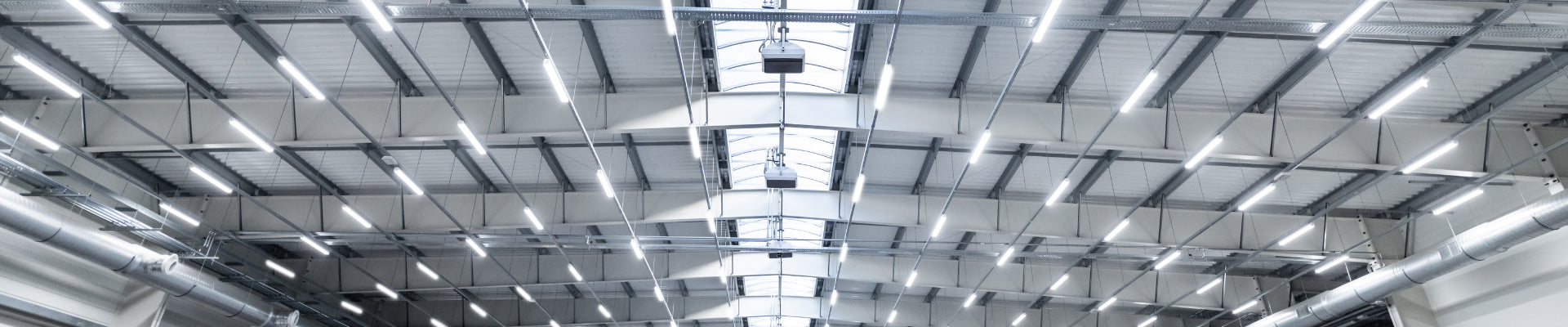
Indoor LED strips offer exceptional versatility for commercial applications due to their flexibility, low profile, and ability to create dynamic lighting effects. Within hotels, they are ideally deployed in guest room cove lighting to provide soft, welcoming ambient illumination along ceilings or headboards, enhancing perceived space and comfort. Bathroom mirror perimeters benefit significantly from LED strips, delivering even, shadow-free task lighting crucial for grooming, while corridor soffits and feature walls in lobbies utilize them for directional guidance and sophisticated branding atmospheres. High-end suites often incorporate them under floating furniture or within custom millwork for a premium aesthetic.
In malls and retail environments, LED strips excel as accent lighting within product displays and shelving to highlight merchandise with precise beam control, significantly boosting visual appeal and sales focus. They are effectively installed beneath escalator handrails and along stair treads for essential safety illumination and modern visual interest. Feature walls, column wraps, and ceiling coves throughout common areas leverage their flexibility to create immersive brand environments and guide customer flow, while food court soffits provide functional yet attractive task lighting over seating areas. Restroom vanity mirrors also utilize high-CRI LED strips for accurate color rendering.
Offices implement LED strips for practical and ergonomic benefits, primarily as under-cabinet lighting in workstations to reduce glare and illuminate task surfaces without disturbing colleagues, directly improving productivity and visual comfort. Conference room coves create a professional, distraction-free backdrop for presentations, while reception desk perimeters and feature walls establish a strong corporate identity. Break room soffits and pantry areas benefit from their even illumination, and suspended ceiling perimeters or linear troughs use them for uniform ambient light distribution, reducing harsh shadows common with discrete fixtures.
Installation requires meticulous planning for reliable, long-term performance. Always calculate the total strip length and wattage per run first, then select a power supply rated at least 20% above the calculated load to prevent overheating and premature failure; undersized drivers are a leading cause of system issues. Thermal management is non-negotiable—mount strips exclusively within extruded aluminum channels with thermal paste or adhesive to dissipate heat, as direct mounting to combustible surfaces like wood or drywall risks fire and drastically shortens LED lifespan. For runs exceeding 5 meters on 12V systems or 10 meters on 24V systems, implement parallel wiring from multiple power supply points to avoid voltage drop causing dimming and color shift at the strip’s end. Conceal all wiring within channels or raceways before connecting to the driver, ensuring low-voltage connections are secure and insulated. Always conduct a full-power test of the entire circuit for at least 15 minutes before final concealment to verify stability and identify any flicker or dead sections. Finally, strictly adhere to local electrical codes regarding driver placement, wiring methods, and fire safety classifications for installed locations, particularly in plenum spaces or concealed areas.
Why Choose Beauty STC Lighting
Transform your indoor lighting projects with high-quality LED strips from Beauty STC. As a trusted manufacturer, we deliver reliable, energy-efficient, and versatile lighting solutions tailored to your needs. Partner with us to access premium products, competitive pricing, and dedicated support.
For collaboration opportunities or product inquiries, contact our sales manager at [email protected]. Let’s illuminate success together—reach out today.
⚡ LED Power Supply Calculator
Estimate the power supply needed for your LED strip project.