Article Contents
Industry Insight: Led Vs Neon Sign
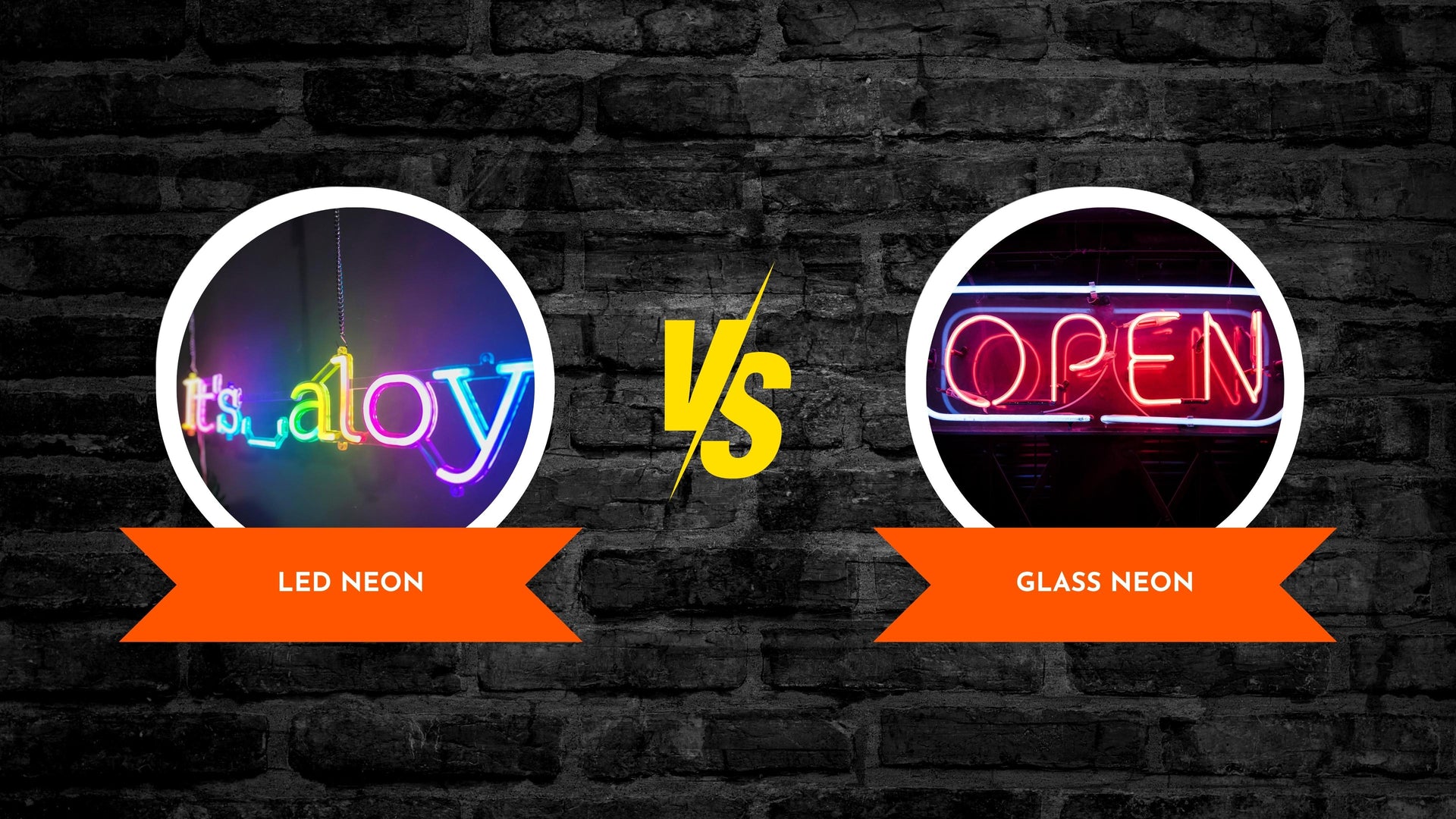
In the evolving landscape of commercial and industrial lighting, the choice between LED and traditional neon signage has become a pivotal decision for businesses seeking energy efficiency, durability, and regulatory compliance. While neon signs have long been celebrated for their vibrant glow and nostalgic appeal, advancements in LED technology have positioned light-emitting diodes as the superior solution for modern signage applications. Today’s commercial environments demand lighting that not only enhances visibility and branding but also meets rigorous safety and performance standards—specifically ETL and CE certifications—which ensure electrical safety, electromagnetic compatibility, and adherence to international market requirements.
Since its founding in 1998, Beauty (STC) Manufacturing Co., Ltd. has been at the forefront of this transformation, delivering high-performance LED lighting solutions tailored for industrial and commercial use. With a commitment to innovation, reliability, and compliance, Beauty STC has established itself as a trusted partner for businesses worldwide, providing signage systems that combine cutting-edge LED efficiency with the aesthetic versatility once exclusive to neon. As the industry shifts toward sustainable and low-maintenance lighting, the advantages of LED over traditional neon—ranging from lower energy consumption and longer lifespan to improved impact resistance and environmental safety—are driving widespread adoption across retail, manufacturing, and urban infrastructure sectors.
Technical Specs & Certifications
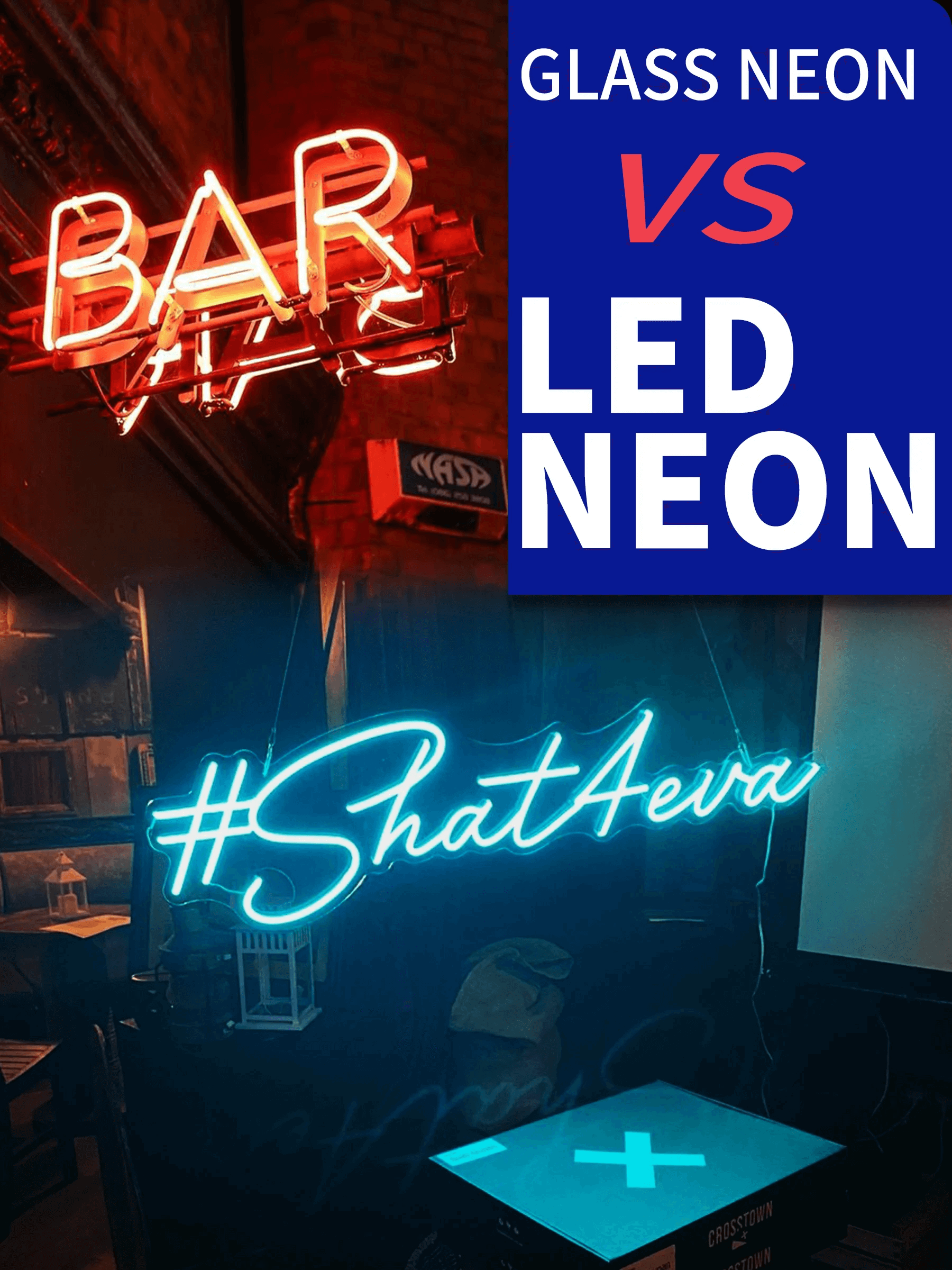
Traditional neon signs utilize gas-filled glass tubes excited by high-voltage transformers, resulting in inherent technical limitations compared to modern LED alternatives. Regarding lumens per watt, conventional neon operates at approximately 10-20 lumens/watt due to significant energy loss as heat and the inefficiency of gas excitation. Achieving a Color Rendering Index (CRI) above 90 is fundamentally impossible with standard neon technology, as its spectral output is limited to narrow emission bands from specific gases (e.g., neon for red, argon/mercury for blue), typically yielding a CRI of only 20-40. This results in poor color fidelity, especially for pastel or saturated hues critical in branding. For IP ratings, traditional neon signs are generally rated IP20 at best—offering no meaningful protection against dust or moisture—due to their fragile glass construction, exposed electrodes, and lack of sealing, making them unsuitable for outdoor or high-moisture environments without extensive, costly secondary enclosures.
LED signs, particularly those engineered to high standards, deliver superior performance across all specified parameters. Modern LED modules achieve 100-130+ lumens/watt, representing a 5-10x efficiency gain over neon, directly reducing operational costs and thermal load. Beauty STC’s premium LED signage consistently exceeds CRI >95 through the strategic use of high-quality phosphor-converted white LEDs and optional multi-channel RGB+W configurations, ensuring accurate, vibrant color reproduction essential for brand integrity. Crucially, our signs are manufactured to stringent IP65 or IP67 ratings as standard. This is accomplished through precision-molded, seamless aluminum channels, triple-sealed optical silicone lenses that fully encapsulate LEDs, and rigorously tested junction boxes. These features provide complete dust ingress protection and resistance to low-pressure water jets (IP65) or temporary immersion (IP67), enabling reliable outdoor operation in rain, snow, or coastal environments.
Beauty STC’s commitment to quality is embedded in every technical specification. We utilize only automotive-grade SMD LEDs from tier-1 suppliers, ensuring consistent lumen maintenance and color stability over 50,000+ hours. Our proprietary thermal management system, featuring extruded aluminum housings with optimized heat dissipation fins, prevents lumen depreciation and extends lifespan far beyond industry averages. Rigorous in-house testing—including 1,000-hour salt spray tests for corrosion resistance and full-spectrum photometric validation—guarantees that every sign meets or exceeds the stated lumens/watt, CRI >95, and IP65/67 specifications before shipment. This engineering discipline, backed by a comprehensive 5-year warranty, delivers not just compliance with technical targets but assured long-term performance and durability that generic alternatives cannot match. The result is a signage solution where technical excellence directly translates to lower total cost of ownership and unwavering visual impact for our clients.
Factory Tour: Manufacturing Excellence

Beauty (STC) Manufacturing Co., Ltd. operates a modern and well-equipped manufacturing facility in Jiangmen, Guangdong Province, strategically located within one of China’s key industrial hubs for electronics and lighting production. The Jiangmen factory is designed to support high-volume, precision manufacturing of LED lighting products, with a strong emphasis on quality control, efficiency, and customization capabilities.
At the core of the production line are advanced SMT (Surface Mount Technology) machines, which enable the precise and automated placement of LED components onto flexible and rigid printed circuit boards. These SMT lines are fully automated, ensuring consistent soldering accuracy, high throughput, and reliability for both small and large production runs. The use of state-of-the-art pick-and-place machines and reflow ovens allows Beauty STC to produce high-density LED modules used in signage, architectural lighting, and decorative applications.
To ensure product longevity and performance, every batch of LED signs undergoes rigorous aging tests within the Jiangmen facility. These tests simulate extended operational hours under controlled thermal and electrical conditions, typically running for 24 to 72 hours. This process helps identify early failures, validates thermal management design, and ensures that the final products meet international reliability standards before shipment.
Beauty STC has strong OEM capabilities, particularly in the design and manufacturing of custom LED signage as an energy-efficient, durable alternative to traditional neon signs. The company supports full turnkey solutions for clients, from initial concept and artwork conversion to 3D bending of LED strips, custom PCB design, color tuning, and enclosure fabrication. Their LED neon equivalent products offer the same vibrant, smooth glow as glass neon but with greater flexibility, lower power consumption, and enhanced safety due to low-voltage operation. Clients can customize shapes, colors, brightness levels, and control options such as dimming or dynamic effects, all produced under strict quality oversight at the Jiangmen factory.
Overall, the Jiangmen facility combines automation, stringent testing, and flexible manufacturing to deliver high-quality, customized LED signage solutions that meet the evolving demands of global markets.
Application Scenarios
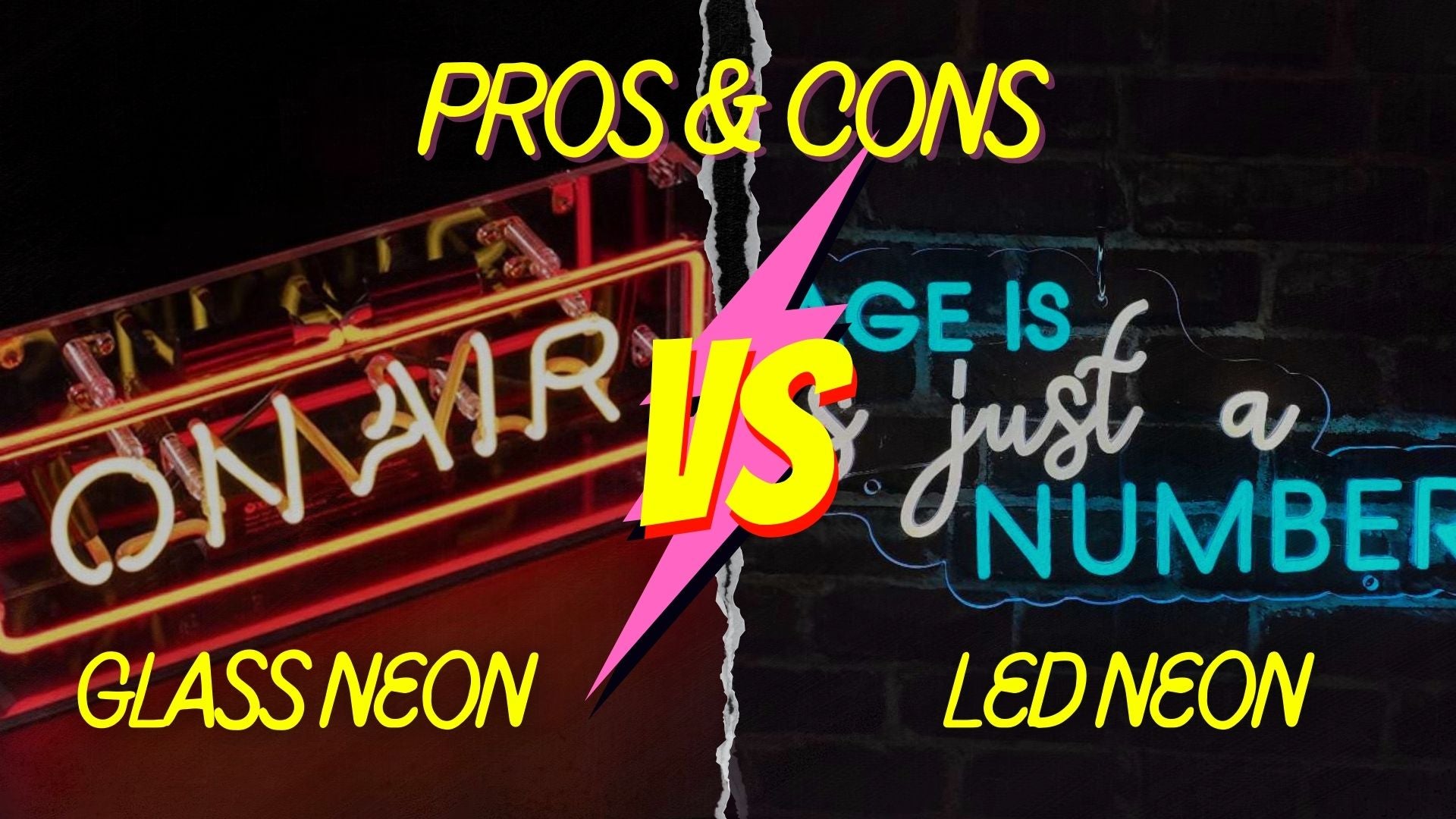
When comparing LED and neon signs for commercial applications like hotels, malls, and offices, the decision hinges on specific environmental, aesthetic, and operational requirements. Real glass neon signs—using gas-filled tubes with electrodes—offer a classic, warm glow with exceptional depth and color saturation but come with significant limitations for modern commercial use. LED “neon” alternatives, typically flexible silicone-encased LED strips, replicate the visual appeal while addressing many practical constraints. For hotels, authentic glass neon remains suitable only in controlled, high-end lobby features or exclusive bar areas where vintage ambiance justifies higher costs and maintenance, such as a luxury hotel’s reception backdrop. However, LED alternatives dominate elsewhere: guest room corridors, poolside signage, and exterior building identifiers benefit from LED’s durability, energy efficiency, and safety, especially near water or in high-traffic zones where breakage risks are unacceptable.
In malls, LED signs are overwhelmingly preferable for directory boards, storefront branding, and ceiling-mounted directional signage due to their brightness consistency in well-lit environments, lower voltage safety compliance for public spaces, and resilience against constant foot traffic vibrations. Glass neon’s fragility and heat output make it impractical for most mall applications, though it might appear in niche high-fashion boutique facades seeking retro authenticity, provided local fire codes permit indoor gas-tube installations. Offices present the clearest case for LEDs: corporate lobbies, conference room identifiers, and reception area logos demand the reliability, cool operation, and minimal maintenance of LED solutions. Glass neon’s high-voltage transformers, mercury content, and susceptibility to vibration from HVAC systems or footfall pose unnecessary safety and operational hazards in professional office settings where clean, modern aesthetics and 24/7 uptime are priorities.
Installation requires meticulous attention to detail regardless of technology. For LED signs, always verify IP ratings match the environment—IP65 minimum for indoor perimeter use near entrances, IP67 for outdoor or wet areas like hotel pool decks. Secure mounting surfaces must be non-combustible and structurally sound, with aluminum channels recommended to dissipate heat and prevent silicone jacket deformation over time. Conduit all wiring per local electrical codes, and use dimmable drivers compatible with building management systems for malls or hotels requiring ambiance control. For any glass neon installation, engage certified specialists only; mounting must accommodate thermal expansion with non-conductive brackets, and high-voltage wiring requires dedicated grounded circuits with GFCI protection, particularly critical in moisture-prone hotel zones. Crucially, never install glass neon in locations subject to impact risk, seismic activity, or tight bends—LED flex tolerates sharper curves and is far more forgiving in complex architectural layouts common in modern malls. Always prioritize manufacturer specifications over generic advice, as improper thermal management or voltage drop remains the leading cause of premature failure in commercial LED signage.
Why Choose Beauty STC Lighting
Looking to make the switch from traditional neon to modern LED signage? Discover the advantages of LED over neon—energy efficiency, longer lifespan, lower maintenance, and vibrant, customizable designs. Partner with Beauty (STC) Manufacturing Co., Ltd., a trusted leader in premium LED lighting solutions. Let us help you bring your brand to life with high-quality, durable, and stylish LED signs.
Contact our team today to learn more and make the smart move to LED. Email us at [email protected] and start your journey with Beauty STC.
⚡ LED Power Supply Calculator
Estimate the power supply needed for your LED strip project.