
Article Contents
Industry Insight: Outdoor Lighting Photocell Sensor
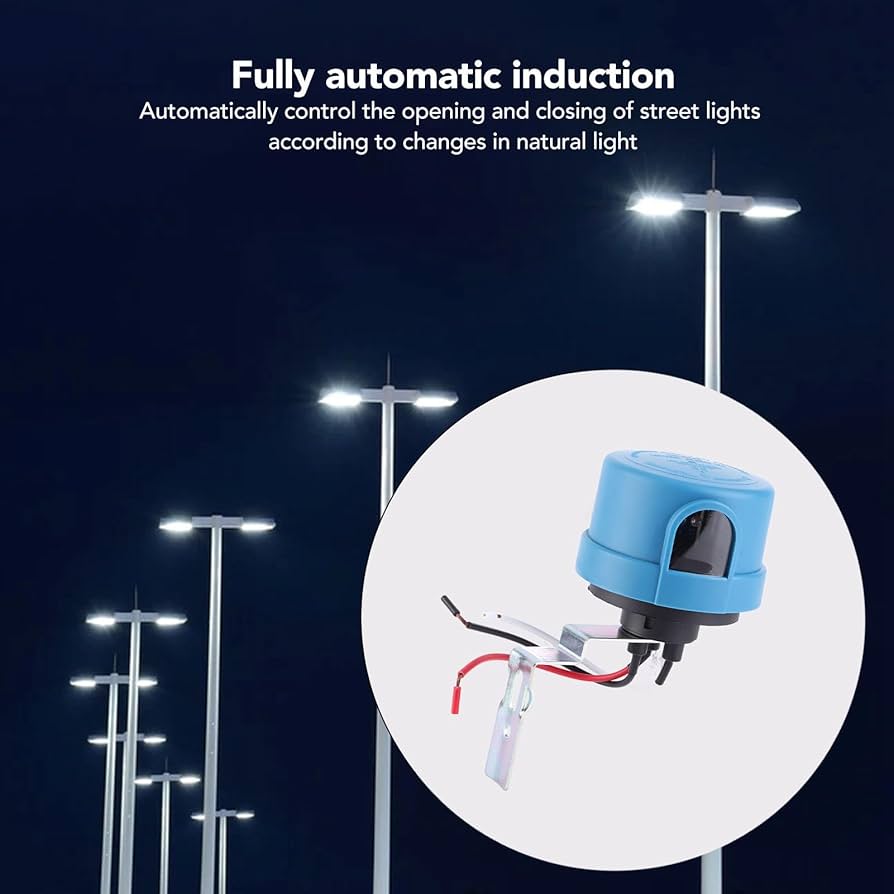
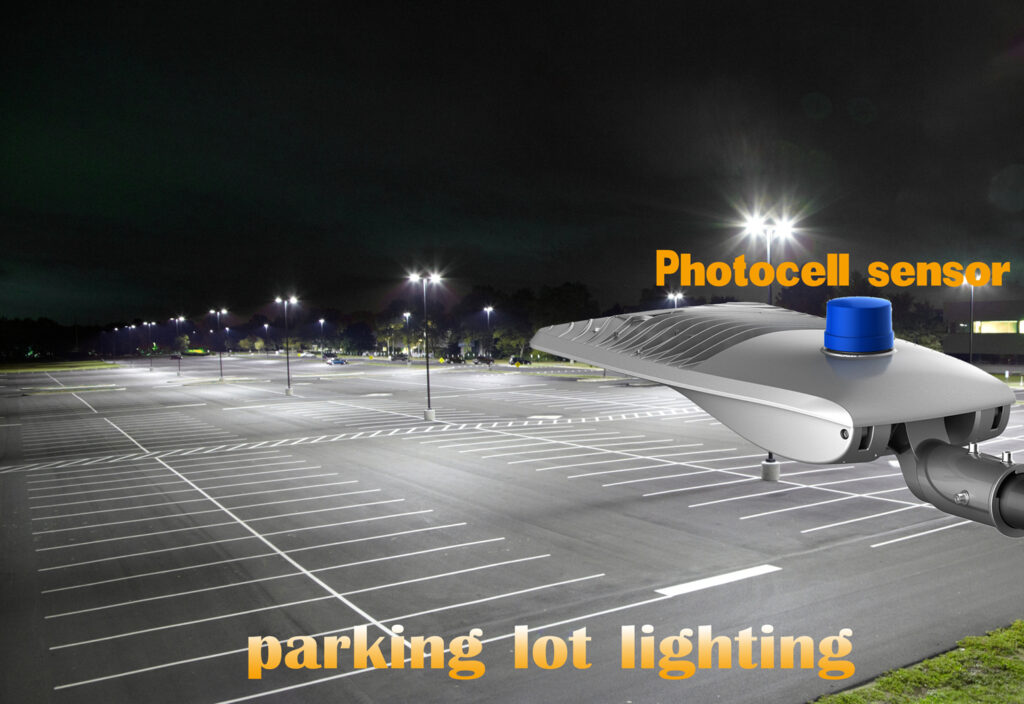
Outdoor lighting photocell sensors represent a critical yet often understated component in the efficient and reliable operation of commercial and industrial lighting systems. These intelligent devices automate illumination based on ambient light levels, delivering significant energy savings by ensuring lights operate only when necessary while enhancing security and safety through consistent, hands-free operation during darkness. For facility managers, property owners, and lighting specifiers, the reliability and precision of these sensors directly impact operational costs, maintenance burdens, and compliance with increasingly stringent energy codes. In demanding environments—from warehouse perimeters and parking lots to street lighting and industrial campuses—photocells must withstand harsh weather, temperature extremes, and prolonged exposure while maintaining consistent performance over years. This necessitates rigorous adherence to international safety and performance standards, where certifications such as ETL (verifying compliance with North American safety standards) and CE (indicating conformity with European health, safety, and environmental requirements) are not optional features but fundamental prerequisites for market access and user confidence. Beauty STC, established in 1998, has dedicated over 25 years to mastering the engineering and manufacturing of high-performance lighting control components. As a trusted partner to lighting manufacturers globally, we leverage deep expertise in optoelectronics and environmental resilience to deliver precision-engineered photocell sensors that meet and exceed these critical ETL and CE requirements, ensuring our commercial and industrial clients achieve optimal system longevity and energy efficiency.
Technical Specs & Certifications
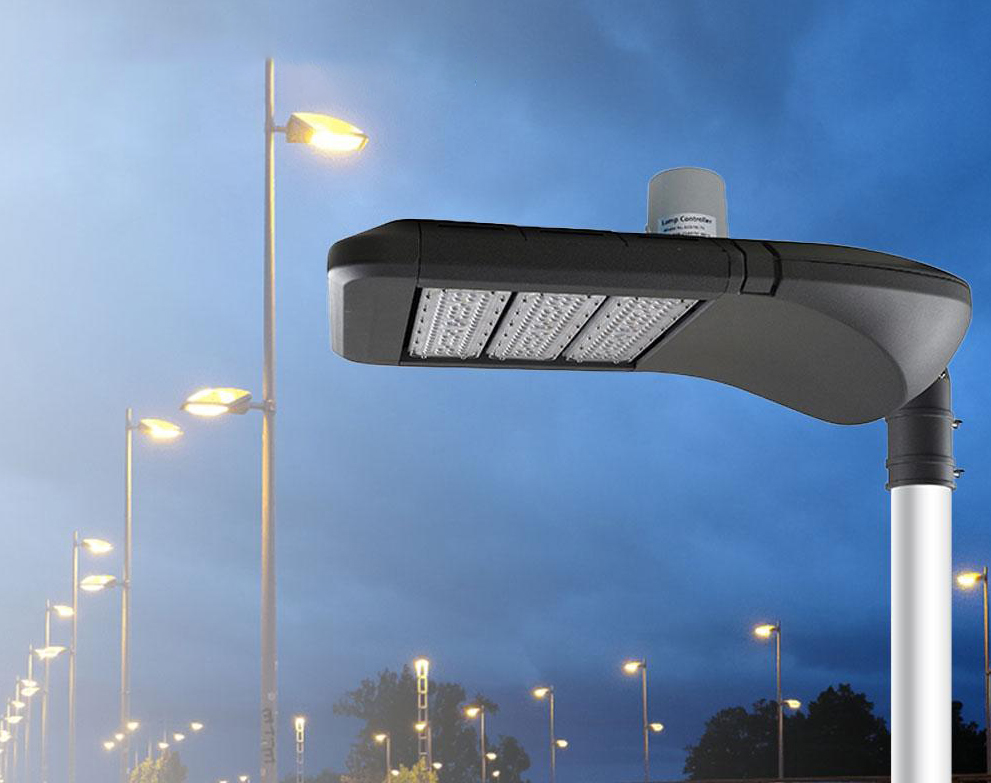
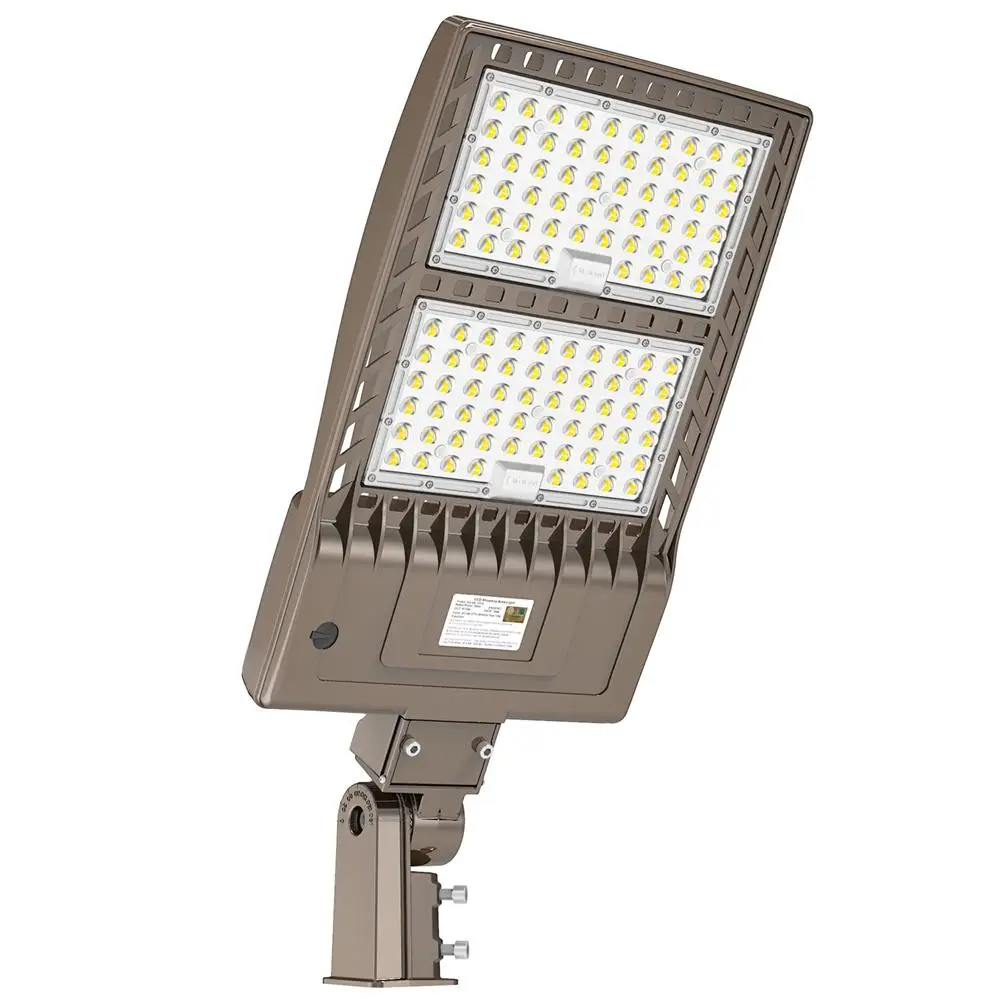
Outdoor lighting photocell sensors are integral components in intelligent lighting systems, enabling automatic operation based on ambient light levels. When paired with high-performance LED luminaires, these sensors contribute to energy efficiency and extended service life. While the photocell sensor itself does not produce lumens or consume watts directly, its integration with LED fixtures requires attention to the performance characteristics of the complete lighting system—particularly lumens per watt (lm/W), color rendering index (CRI), and ingress protection (IP) ratings.
Lumens per Watt (lm/W) refers to the luminous efficacy of the LED fixture controlled by the photocell. High-efficiency outdoor LED luminaires, such as those manufactured by Beauty (STC) Manufacturing Co., Ltd., typically deliver between 130 to 180 lumens per watt. This level of efficacy ensures significant energy savings over traditional lighting technologies while maintaining bright, uniform illumination for applications such as street lighting, parking areas, and building perimeters. The photocell optimizes this efficiency by ensuring lights operate only when needed, further reducing energy consumption.
Color Rendering Index (CRI) measures how accurately a light source reveals the true colors of objects compared to natural light. For outdoor environments where visibility and safety are critical—such as pedestrian walkways, retail exteriors, and security zones—a CRI greater than 90 is highly desirable. Beauty STC designs its LED fixtures with high-CRI chips, ensuring excellent color fidelity and enhanced visual clarity at night. This attention to quality supports safer and more visually comfortable outdoor environments.
Ingress Protection (IP) ratings are crucial for outdoor photocell sensors and their associated fixtures due to exposure to dust, moisture, and extreme weather. A minimum IP65 rating is recommended for reliable operation, indicating complete protection against dust and resistance to low-pressure water jets from any direction. Beauty STC’s outdoor lighting systems, including integrated photocell solutions, are routinely rated IP65 or higher (e.g., IP66 or IP67), ensuring long-term durability and performance in harsh conditions. These robust enclosures protect sensitive electronics, including the photocell circuitry, from environmental degradation.
Beauty (STC) Manufacturing Co., Ltd. is recognized for its commitment to quality, precision engineering, and compliance with international standards. Their outdoor lighting solutions combine high lm/W output, CRI >90 performance, and superior IP-rated construction, all enhanced by intelligent photocell integration. These systems are rigorously tested for thermal management, optical performance, and environmental resilience, ensuring reliability across diverse climates and operational demands. With a focus on sustainable design and advanced photometric control, Beauty STC delivers outdoor lighting solutions that meet the highest technical and aesthetic standards.
Factory Tour: Manufacturing Excellence
Beauty STC’s manufacturing facility in Jiangmen, Guangdong Province, serves as a key production hub for our LED lighting solutions, strategically located within the Pearl River Delta’s robust electronics manufacturing ecosystem. This modern factory is purpose-built for efficient, high-quality LED product assembly, featuring controlled environments and streamlined production lines dedicated to various lighting applications, including outdoor fixtures requiring integrated sensors.
The Surface Mount Technology (SMT) production area is a cornerstone of our manufacturing capability. We operate multiple advanced, fully automated SMT lines equipped with high-precision placement machines from leading manufacturers such as Yamaha and Siemens. These lines are configured to handle a wide range of component sizes, from ultra-fine pitch ICs critical for sensor circuitry down to larger passive components, ensuring accurate placement essential for the reliability of photocell sensor modules. Integrated into the SMT process are nitrogen-reflow soldering ovens for superior joint quality and Automated Optical Inspection (AOI) systems that perform 100% post-placement and post-reflow verification, catching defects early and maintaining stringent process control for all printed circuit board assemblies.
Rigorous aging and reliability testing are fundamental to our quality assurance protocols, especially for outdoor lighting components like photocell sensors which must withstand harsh environmental conditions. The Jiangmen factory houses dedicated environmental aging chambers capable of subjecting assembled PCBs and finished sensor modules to extended operational periods under controlled stress conditions. Typical aging tests for outdoor photocell sensors involve continuous operation for 48 to 72 hours at elevated temperatures (e.g., 50°C to 70°C) and varying humidity levels, simulating accelerated real-world exposure. We meticulously monitor critical parameters such as switching accuracy, response time, leakage current, and overall functionality throughout the aging cycle to identify and eliminate early-life failures, ensuring only robust, field-ready components proceed to final assembly.
Beauty STC possesses strong OEM capabilities specifically tailored for outdoor lighting photocell sensors. Our engineering and manufacturing teams collaborate closely with clients to develop and produce custom or modified photocell solutions. This includes adapting existing sensor designs to meet specific voltage requirements, switching thresholds, time delays, or physical form factors, or creating entirely new sensor modules based on client specifications. We handle the complete process from PCB layout and component sourcing for the sensor circuitry, through SMT assembly and aging testing as described, to final calibration, housing integration, and packaging. Our OEM service encompasses compliance with relevant international standards for outdoor use (such as IP67 ratings for dust and water ingress protection) and supports low to high-volume production runs with flexible manufacturing changeovers, providing clients with reliable, high-performance photocell sensors integrated seamlessly into their outdoor lighting systems.
Application Scenarios
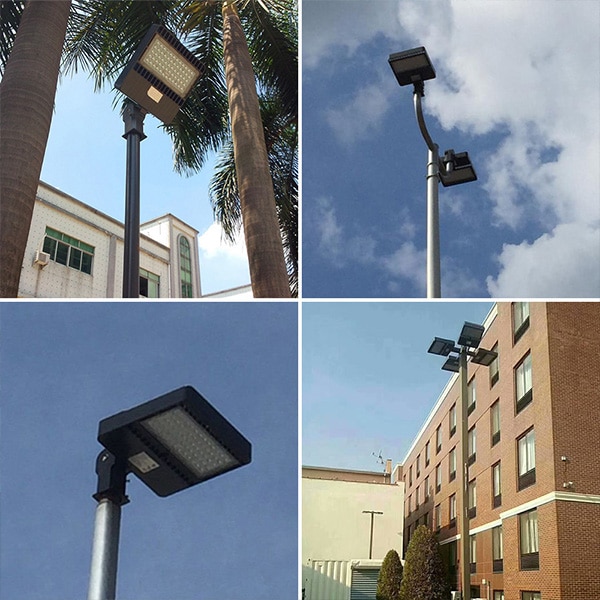
Outdoor lighting photocell sensors are widely used across various commercial and hospitality environments including hotels, malls, and offices to enhance energy efficiency, ensure safety, and automate lighting operations based on ambient light levels. These sensors detect natural light and automatically turn outdoor lighting on at dusk and off at dawn, eliminating the need for manual control or timer adjustments throughout the year.
In hotels, photocell sensors are ideal for illuminating building exteriors, entranceways, walkways, pool areas, parking lots, and garden landscapes. They contribute to guest safety and create an inviting ambiance during nighttime hours while reducing energy consumption by ensuring lights operate only when needed.
For shopping malls, outdoor photocell sensors are commonly installed in parking structures, perimeter walkways, signage lighting, and exterior façades. These areas require reliable illumination after sunset to support security, wayfinding, and customer convenience. Automated control via photocell ensures consistent lighting performance regardless of seasonal changes in daylight duration.
In office buildings, photocell sensors are typically used for perimeter lighting, entry canopies, outdoor staircases, and parking areas. They support after-hours security and help meet sustainability goals by minimizing unnecessary lighting during daylight hours.
When installing outdoor lighting photocell sensors, several best practices should be followed to ensure optimal performance. Position the sensor where it has a clear view of the sky and is not obstructed by building overhangs, trees, or adjacent light sources that could interfere with accurate light detection. Avoid pointing the sensor directly toward artificial light sources such as streetlights or building façade lighting, as this may cause premature shut-off or erratic switching.
Mount the sensor in a location that minimizes exposure to direct sunlight at sunrise and sunset to prevent false triggering. Typically, a north-facing orientation (in the Northern Hemisphere) is recommended to reduce direct solar exposure. Ensure the sensor is installed securely and sealed properly against moisture, especially in coastal or high-humidity environments.
Use weather-resistant photocell sensors rated for outdoor use and compatible with the local climate conditions. Regular maintenance is important—clean the sensor lens periodically to remove dust, dirt, or insect buildup that could impair sensitivity. Finally, test the system after installation to verify that lights activate and deactivate at appropriate light levels and adjust sensitivity settings if available.
Why Choose Beauty STC Lighting
Maximize efficiency and reliability in your outdoor lighting projects with Beauty STC’s precision-engineered photocell sensors. Our advanced sensors deliver seamless day-to-night transition control, significantly reducing energy waste while extending fixture lifespan through intelligent light management. As a trusted LED lighting manufacturer with rigorous quality control and scalable production capabilities, we provide OEM/ODM partners with durable, weather-resistant solutions tailored to global market standards.
Partner with Beauty STC to integrate superior photocell technology into your outdoor lighting systems and gain a competitive edge through optimized performance and compliance. Contact our dedicated partnership manager today at [email protected] to discuss custom specifications, volume pricing, and technical support for your next project. Let us help you illuminate smarter while meeting sustainability goals. Reach out now to initiate a collaboration that elevates your product offerings.
⚡ LED Power Supply Calculator
Estimate the power supply needed for your LED strip project.